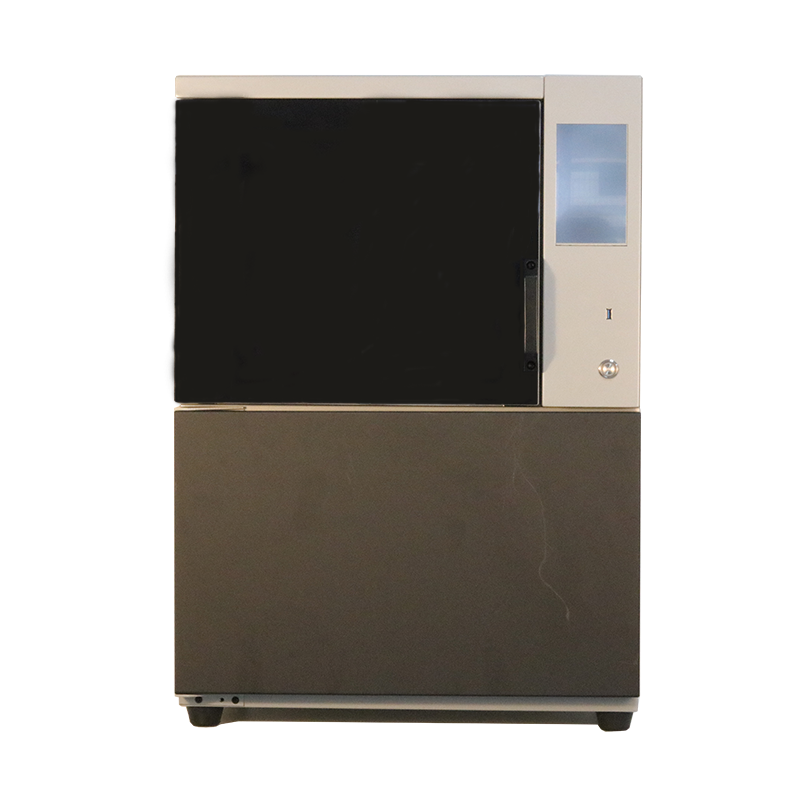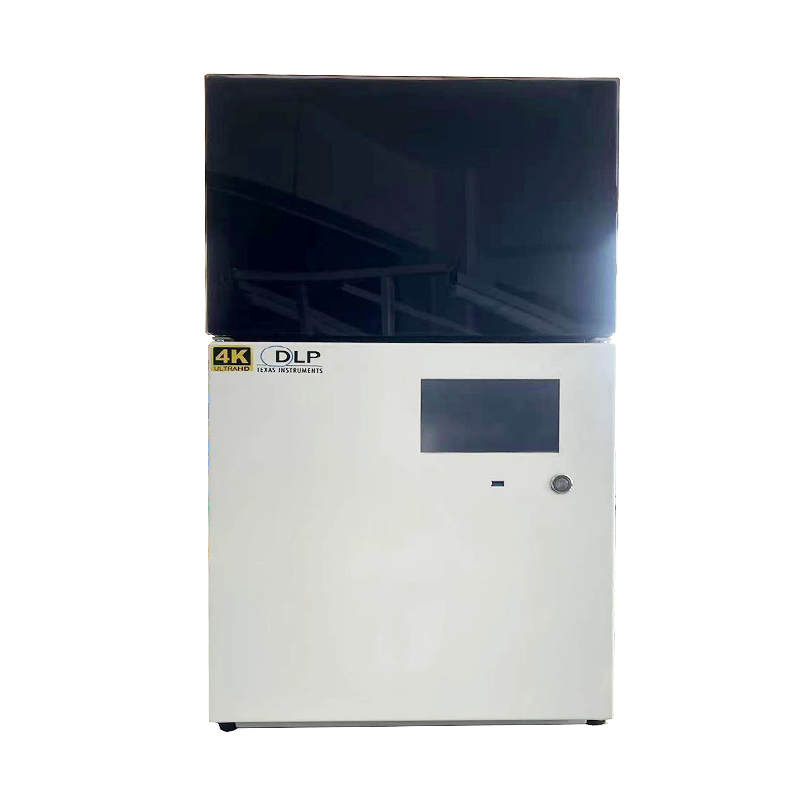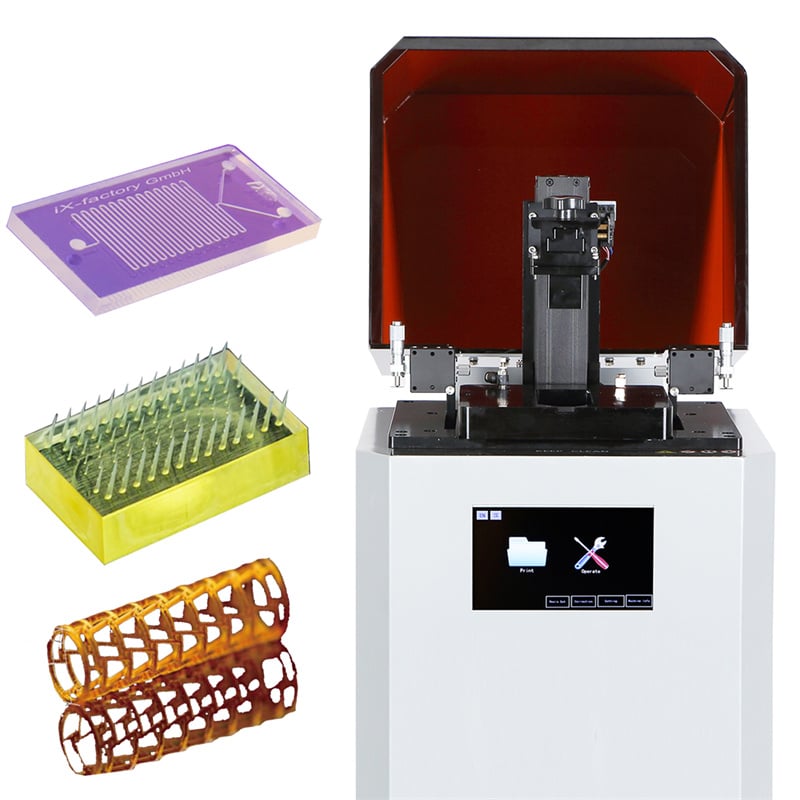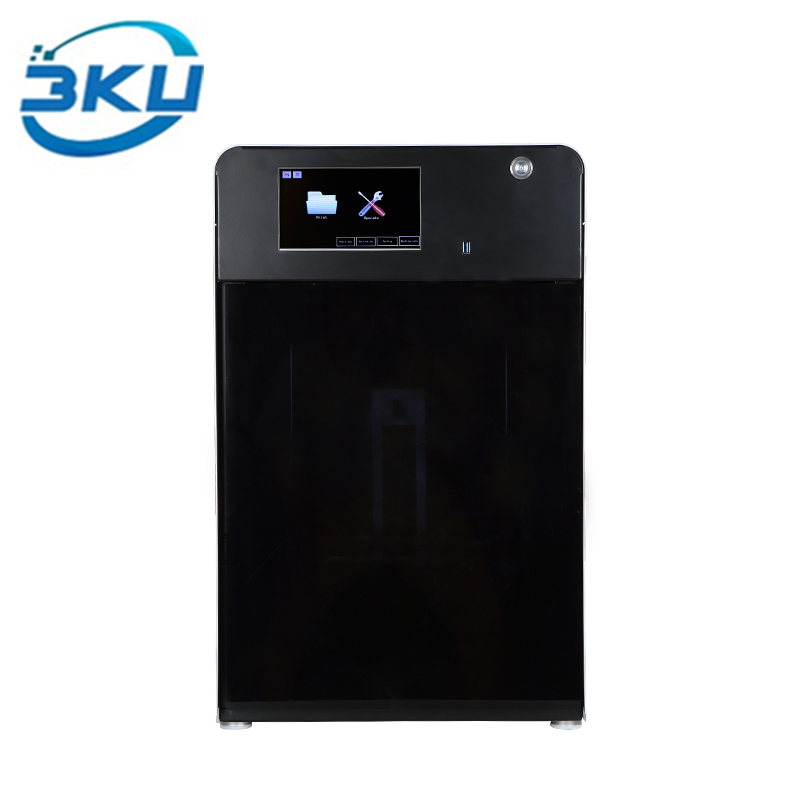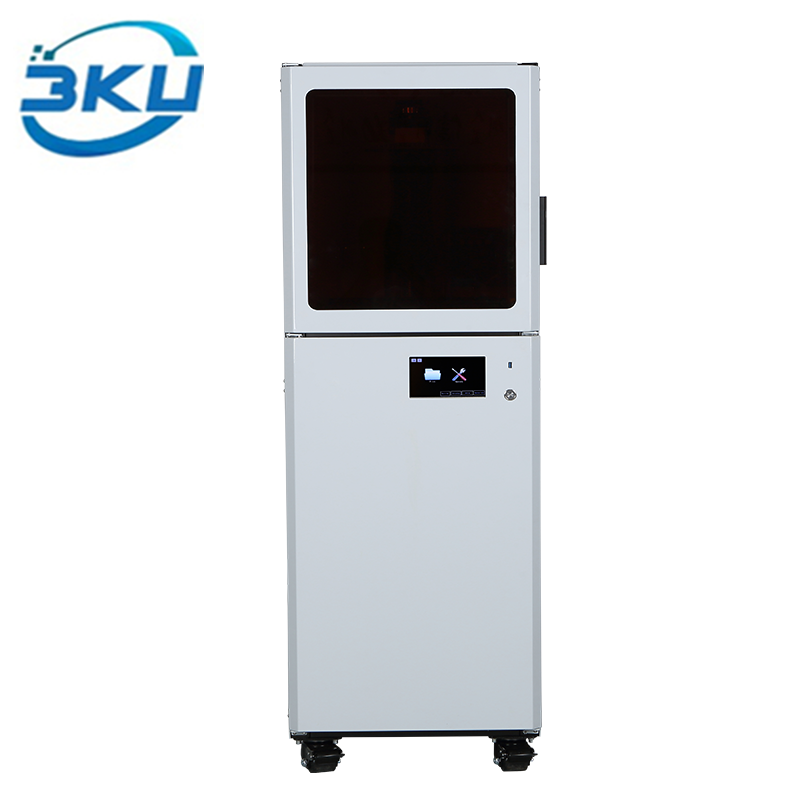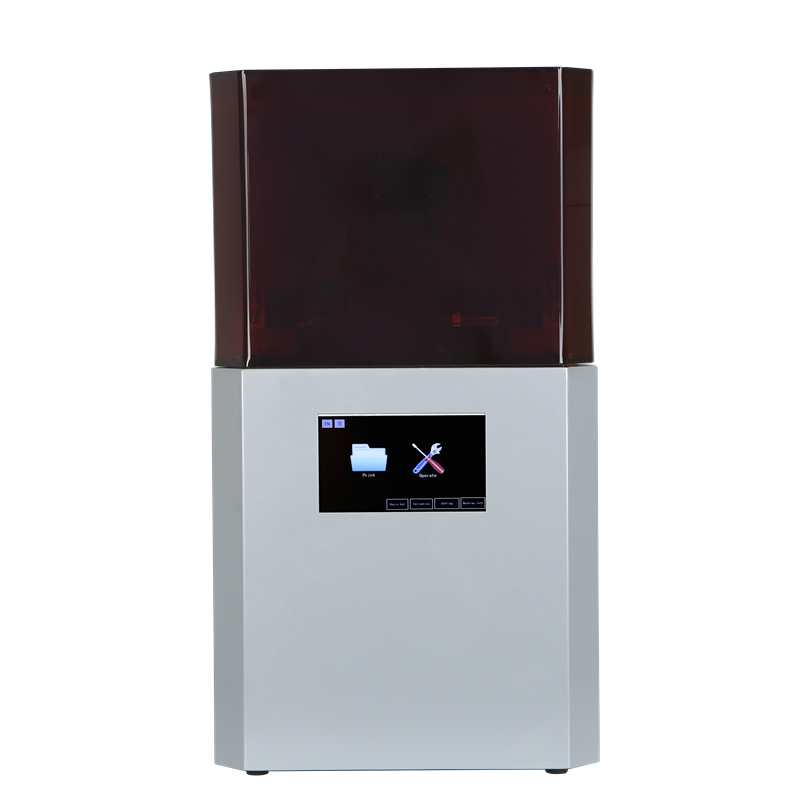
Choosing the right ceramic printer machine is crucial for businesses looking to enhance their production capabilities, particularly in industries like dental, jewelry, and precise molding. This article will explore the essential factors to consider when selecting a ceramic printer machine, helping purchasing managers, engineers, and product managers make informed decisions. From specifications to supplier reliability, we’ll cover the key elements that ensure you choose a high-quality and efficient ceramic printer machine tailored to your business needs.
When selecting a ceramic printer machine, several factors come into play that can significantly impact your operations. First and foremost, consider the type of materials you’ll be using. Different ceramic printer are optimized for various materials, which can affect print quality and durability. You should also evaluate the machine's print resolution and speed, as these specifications directly influence your production efficiency.
Another important aspect is the machine's compatibility with your existing manufacturing processes. Ensure that the printer integrates smoothly with your workflow to minimize disruptions. Customization capabilities are also vital; a printer that allows for tailored configurations can better meet your specific production requirements. Finally, assess the level of technical support and after-sales service offered by the manufacturer, as ongoing support can be crucial for maintaining your equipment's performance over time.
When sourcing ceramic printer machines for wholesale, focus on several critical specifications:
Print Resolution: This defines the detail in the printed output. Higher resolution (measured in DPI) is essential for intricate designs commonly needed in jewelry or dental applications.
Build Volume: Consider the maximum size of objects the printer can create. A larger build volume allows for more versatile production capabilities but may also require a larger footprint.
Layer Thickness: This affects both the finish and strength of the final product. Thinner layers generally produce better detail but may increase print time.
Speed: Evaluate the printer's speed, typically measured in cubic centimeters per hour (cc/hr). Faster machines can significantly enhance throughput, especially in high-demand environments.
Material Compatibility: Ensure the printer supports the types of ceramics you'll be using. Some printers may be optimized for specific materials, affecting adhesion and finishing processes.
Software Functionality: The software should be user-friendly and capable of handling complex designs. Look for features like slicing software compatibility and support for various file formats.
Energy Consumption: As operational costs are a concern for any business, consider machines that are energy-efficient to lower running costs over time.
By thoroughly evaluating these specifications, you can select a ceramic printer machine that aligns with your operational needs and quality expectations.
Finding reliable suppliers of ceramic 3D printer printer machines requires due diligence. Start by researching manufacturers with a proven track record in the industry. Look for companies like Shenzhen 3KU Technology and Science Co., LTD, known for their expertise in 3D printing technologies.
Attending industry trade shows or conferences can also provide valuable insights into potential suppliers. These events allow you to see the machines in action, ask questions directly, and compare different manufacturers.
Online platforms such as trade directories and B2B marketplaces can be helpful as well. However, ensure that you verify supplier credentials and customer reviews to assess their reputation and reliability.
Don’t hesitate to request samples or demonstrations of the machines you are considering. A reputable supplier should be willing to provide this information to help you make an informed decision.
Ceramic printer machines can face various issues that may affect production quality and efficiency. Here are some common problems and their potential solutions:
Clogged Nozzles: This is a frequent issue, often due to improper material viscosity or contamination. Regular maintenance, including cleaning nozzles and using high-quality materials, can mitigate this problem.
Inconsistent Layer Adhesion: This can lead to weak prints. Ensure that the printer settings (temperature, speed, and layer thickness) are optimized for the specific ceramic material.
Warping: Warping occurs when the printed object cools unevenly. To address this, consider using a heated build platform and adjusting the environmental conditions around the printer.
Software Compatibility Issues: If the printer software doesn't align with design files, it can result in print errors. Verify that the machine supports the file formats you intend to use and keep software updated.
Calibration Problems: Regular calibration is essential for maintaining print quality. Implement a routine check to ensure that the printer's bed and extruder are correctly aligned.
By understanding these common issues and their solutions, you can proactively manage your ceramic printing operations and minimize downtime.
Based on a unique design and structure, especially our outstanding research team, our printers can be found in various industries, including Dental cast and crown, Jewelry cast, 3 d printer jewelry, Precise Molding, ect. We offer free samples. We can print stl files on our printers and show you how they operate and the results before purchasing.
Since 3 d printer jewelry, our founder has worked with 3D printers all the way from FDM to DLP, SLA. He believes that "3d technology will create a new revolution in the industrial sector". We do our best to offer more support for technical and service issues to those who love 3D Printers and have a strong support for us! We offer a courteous service and swiftly respond to market needs.
Our printers are applied across a range of industries, such as Ceramic 3d printer, Temples, Dentals, Ceramics, etc.. We offer a wide range of customized services. We provide a broad range of customized services, including the design of the packaging along with the software, branding, packaging and many other functions. We provide our customers with 3D printers for the cheapest prices with high quality, functionality and efficacy.
3d pottery printer is established in the year 2014. Within just a few years of developing and marketing, our brand 3KU is known well by 3d printer lovers and users. We offer a wide range of technical support that includes printing technology, post-processing, casting techniques, and a lifetime warranties. We provide highly skilled support and technology. We we can resolve printing and casting issues in various areas.
Copyright © Shenzhen 3KU Technology and Science Co., LTD. All Rights Reserved Privacy Policy Blog
 EN
 AR
 BG
 HR
 CS
 DA
 NL
 FI
 FR
 DE
 EL
 HI
 IT
 JA
 KO
 NO
 PL
 PT
 RO
 RU
 ES
 SV
 TL
 IW
 ID
 SR
 SK
 SL
 VI
 ET
 HU
 TH
 TR
 FA
 MS
 GA
 CY
 BE
 IS
 MY