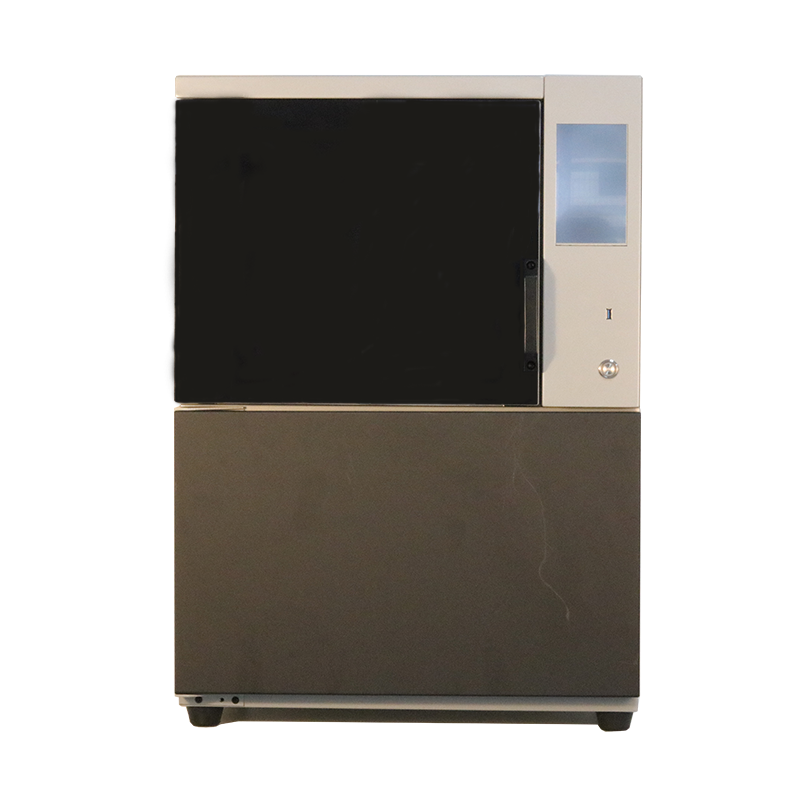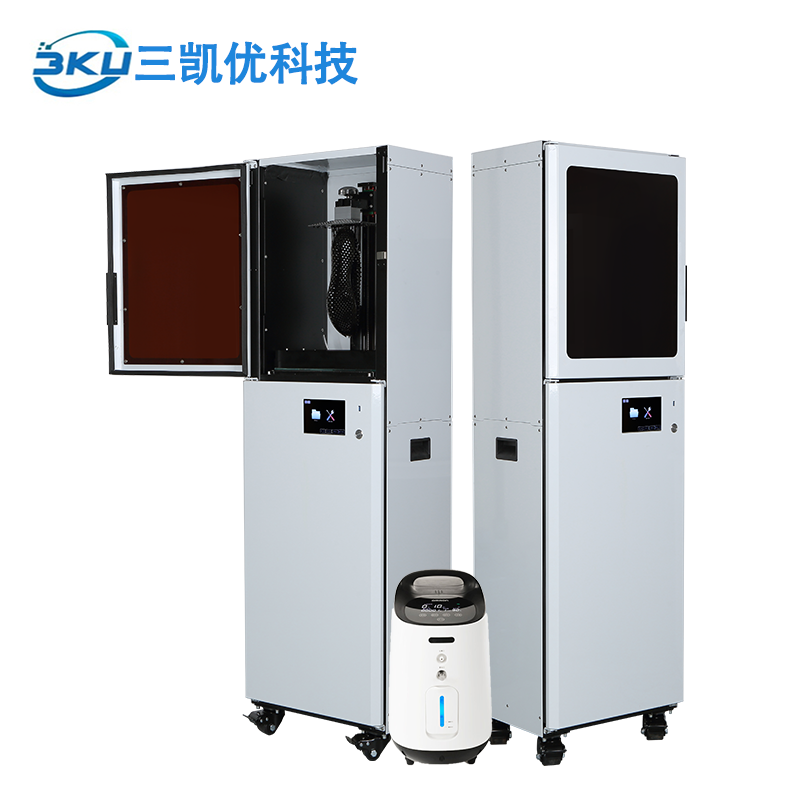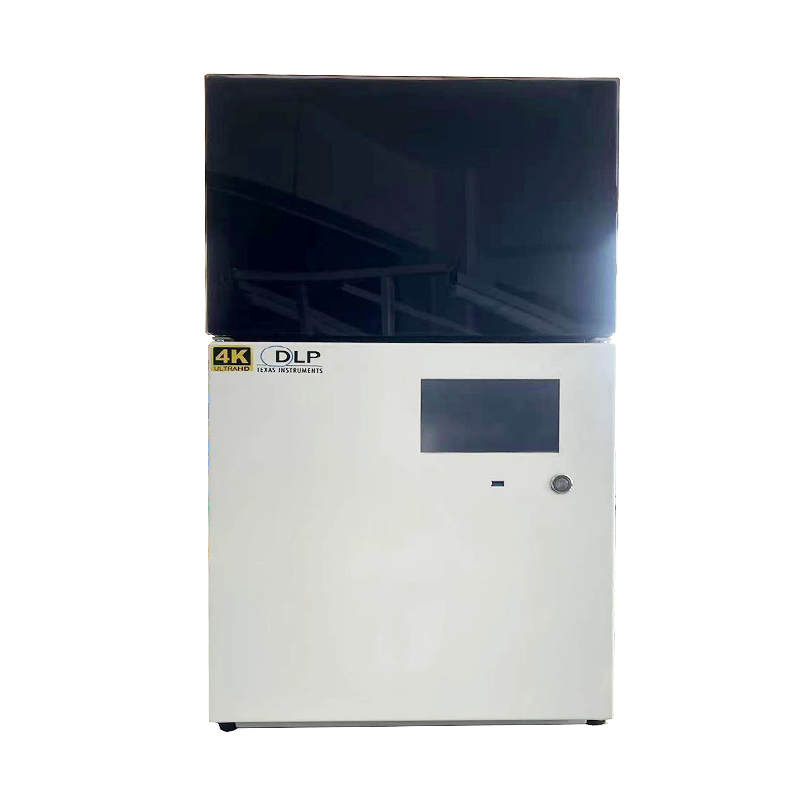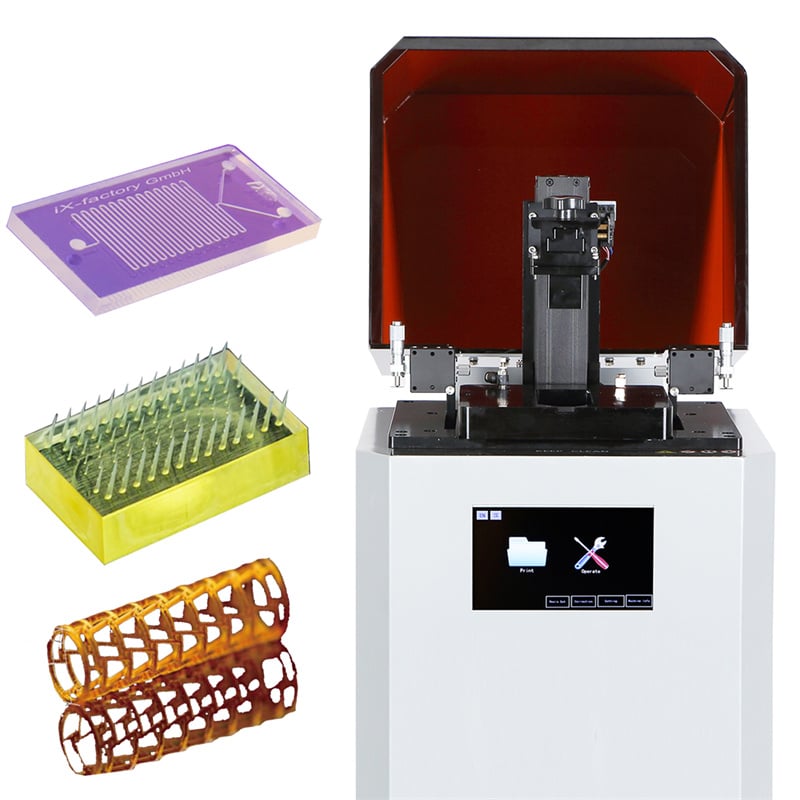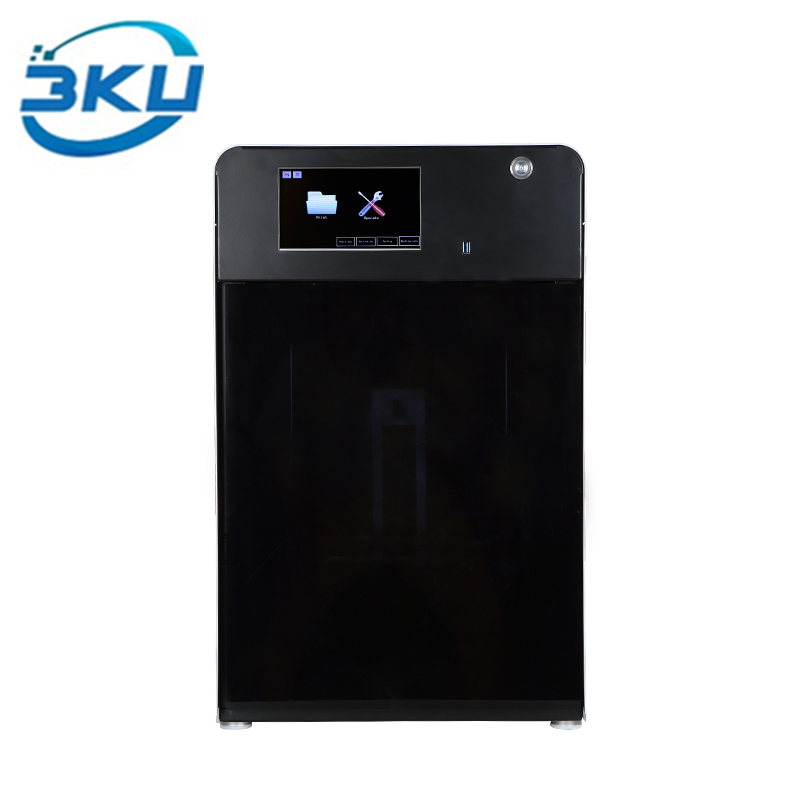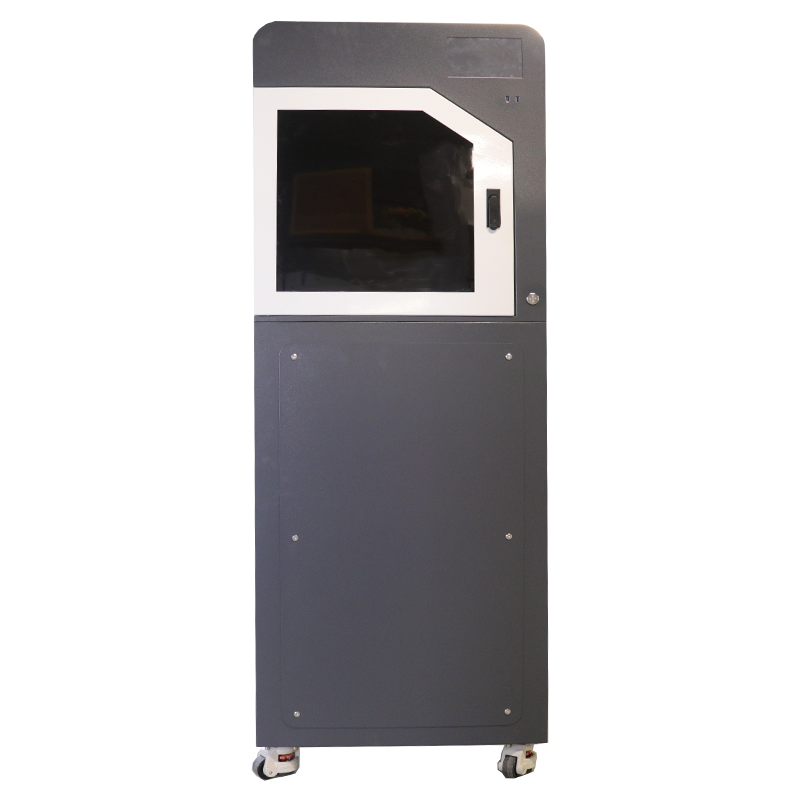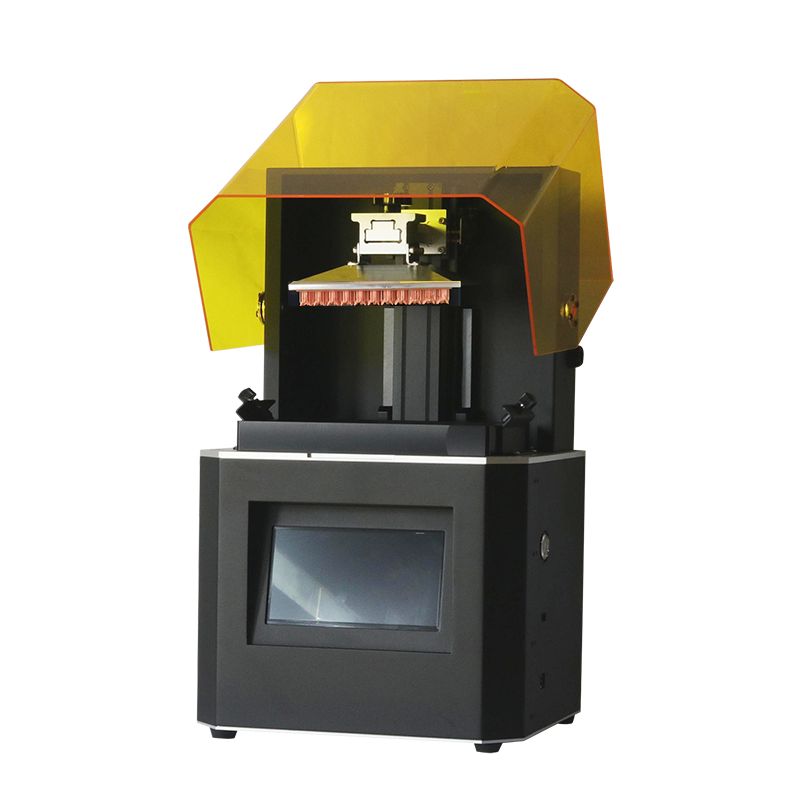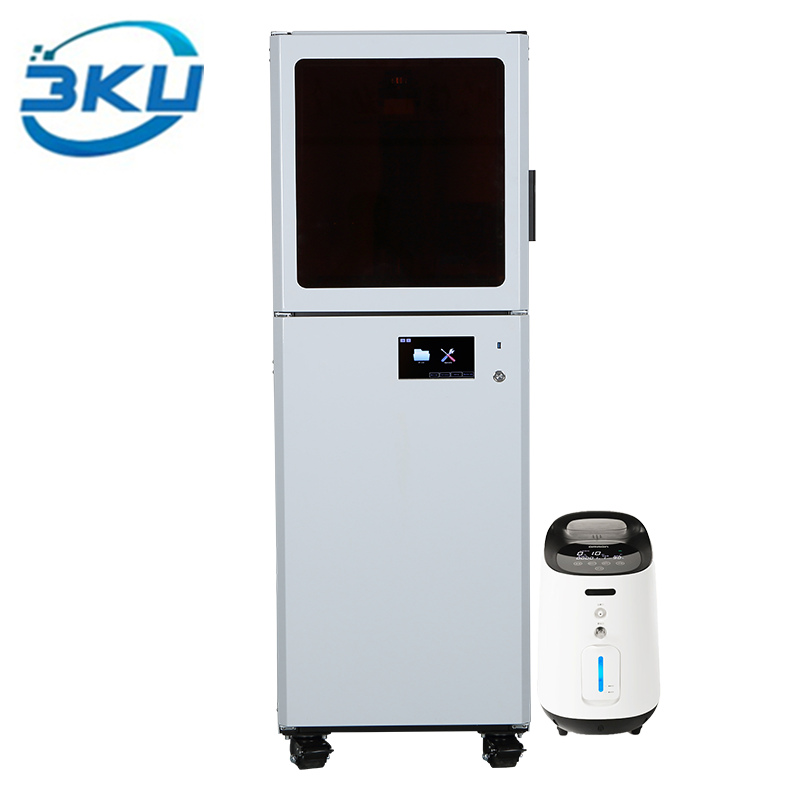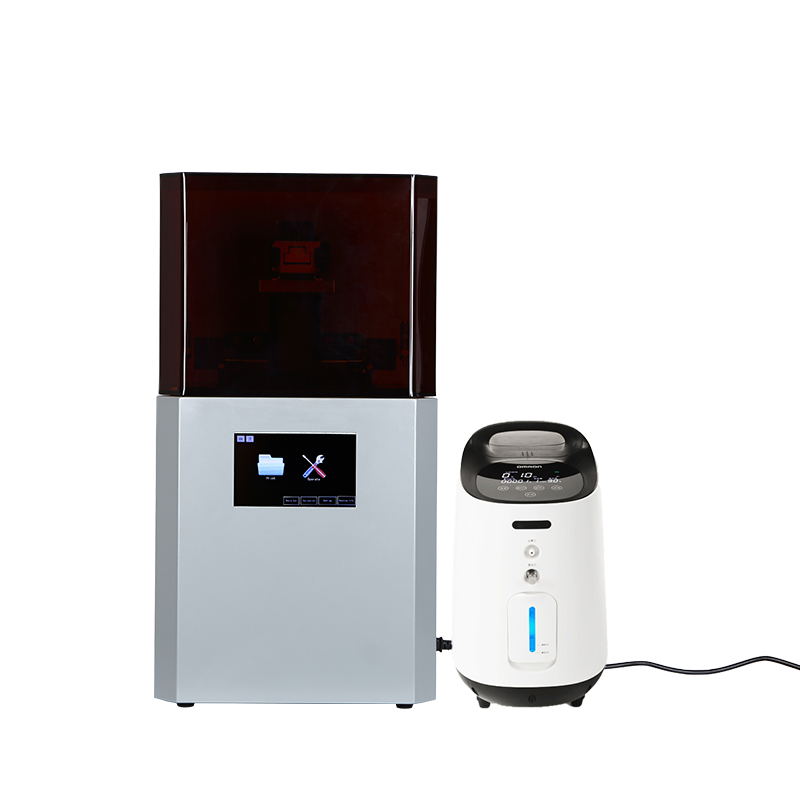
Understanding precise printers is essential for B2B buyers in the manufacturing sector, especially those involved in dental, jewelry, and molding applications. These printers leverage advanced technologies to create high-quality, detailed products. As a purchasing manager or engineer, you may have concerns about specifications, performance, and potential challenges associated with these printers. This article aims to provide insights into evaluating precise 3d printer, including what to look for in manufacturers, common issues, and practical tips for contractors.
When assessing precise printers, several key specifications should be prioritized to ensure they meet your manufacturing needs.
Print Resolution: This measures the level of detail the printer can achieve, typically expressed in microns. A lower micron value indicates finer detail and accuracy, which is crucial for applications like dental molds or intricate jewelry designs.
Build Volume: The maximum dimensions of the objects that can be printed are important. Consider your typical product sizes to ensure that the most precise 3d printer can accommodate your needs without the necessity of multiple print jobs.
Material Compatibility: Different printers support various materials, such as PLA, ABS, resin, or specialized dental materials. Ensure that the printer you select can handle the materials most relevant to your projects, as this will affect both quality and production efficiency.
Layer Thickness: This impacts the speed of printing and the overall finish of the product. Thinner layers yield better surface quality but typically require longer print times.
Print Speed: This metric indicates how quickly a printer can produce an item, which is critical for meeting production deadlines. However, be cautious as faster speeds may compromise quality.
Software Flexibility: Evaluate the software capabilities for design and printing preparation. The ability to customize settings and easily integrate with CAD software can streamline your workflow.
Understanding these specifications will help you select a precise printer that aligns with your production goals and quality standards.
For contractors working with precise printers, a few best practices can enhance operational efficiency and product quality:
Sample Testing: Before committing to a large order, request a sample print. This allows you to verify the printer's capabilities against your specifications, ensuring it meets your quality expectations.
Regular Maintenance: Establish a routine maintenance schedule to keep the printer in optimal condition. Regular cleaning and calibration can prevent issues that lead to downtime or reduced print quality.
Material Management: Keep a well-organized inventory of printing materials. Inconsistent material quality can lead to defects in the final product, so ensure that all materials are from reputable suppliers.
Training: Ensure that all personnel operating the printer are adequately trained. Understanding the printer's features and capabilities can significantly reduce errors and improve overall productivity.
These strategies will not only enhance the quality of your outputs but also contribute to a more efficient workflow.
Despite advances in technology, users of precise printers may encounter several common issues. Here’s how to address them:
Layer Adhesion Problems: If layers are not adhering properly, it could be due to incorrect temperature settings or environmental factors. Ensure that the print bed is adequately heated and consider adjusting the room’s humidity.
Clogged Nozzles: This is a frequent issue that can hinder production. Regularly check and clean nozzles to prevent clogs. Using high-quality filaments can also reduce the likelihood of debris buildup.
Warping: This occurs when printed parts bend or twist, often due to rapid cooling. Use a heated print bed and consider applying adhesives or specialized coatings to help materials stick better during the printing process.
Inconsistent Quality: Variability in print quality can stem from fluctuating material quality or improper printer settings. Perform routine quality checks on your materials and maintain consistent precise 3d printer settings to mitigate this issue.
By proactively addressing these common challenges, you can maintain smooth operations and high-quality outputs.
Selecting the right manufacturer for your precise printer is as important as choosing the right printer itself. Here are key factors to consider:
Experience and Expertise: Look for a manufacturer with a proven track record in producing precise printers. Their experience in industries such as dental or jewelry can be indicative of their understanding of specific needs.
Customization Capabilities: As projects often demand unique specifications, choose a manufacturer that offers extensive customization options in design, software, and functionality to suit your requirements.
Technical Support and Service: Ensure the manufacturer provides robust after-sales support, including lifetime technical assistance and training. This can be vital for troubleshooting and optimizing printer performance.
Quality Certifications: While the provided information doesn’t specify certifications, it’s beneficial to choose manufacturers that adhere to recognized quality standards. This can be indicative of a commitment to maintaining high production standards.
Reputation: Research the manufacturer’s reputation in the industry. Customer reviews, case studies, and testimonials can provide insights into their reliability and product quality.
Evaluating these aspects will help you find a manufacturer that aligns with your operational goals and quality expectations.
Our printers, based on a unique design, structure, and most importantly our highly skilled team of Ceramic 3d printer, are used in various industries like Dental Casts and crowns Jewelry casts, Garage Kits, Precise Moldings, and more. We support the provision of free tests. We are able to print stl files on our printers and show you how they function as well as the results before you purchase.
Shenzhen 3KU Technology and Science Co. LTD was Dlp 3d printer in 2014. Within a few years of developing and marketing our brand, 3KU is known well by 3d printer users and fans. We provide complete technical support, printing technology, post processing, casting methods and lifetime warranty. We can provide highly professional technology and customizing services to help with casting and printing issues in various areas.
The Ceramic 3d printer of our company is working on 3D printers since 2012, starting with FDM, DLP, SLA. He believes that "3d technology is going to lead another revolution in the industrial sector". We strive to offer more service and technical assistance to 3D printer enthusiasts who believe in us strongly! We have the best priced tower packaging. We provide courteous service, and we can respond quickly to market changes.
Our 3d printing alumina have been utilized in a variety of industries, including Jewelry, Temples Dentals, Ceramics and more. Our custom services are ideal. The customized services include the appearance design, customized logo, software design, more functionality and the personalized packaging. We provide our customers with 3D printers at the most affordable prices, and with the highest quality, utility and efficiency.
Copyright © Shenzhen 3KU Technology and Science Co., LTD. All Rights Reserved Privacy Policy Blog
 EN
 AR
 BG
 HR
 CS
 DA
 NL
 FI
 FR
 DE
 EL
 HI
 IT
 JA
 KO
 NO
 PL
 PT
 RO
 RU
 ES
 SV
 TL
 IW
 ID
 SR
 SK
 SL
 VI
 ET
 HU
 TH
 TR
 FA
 MS
 GA
 CY
 BE
 IS
 MY