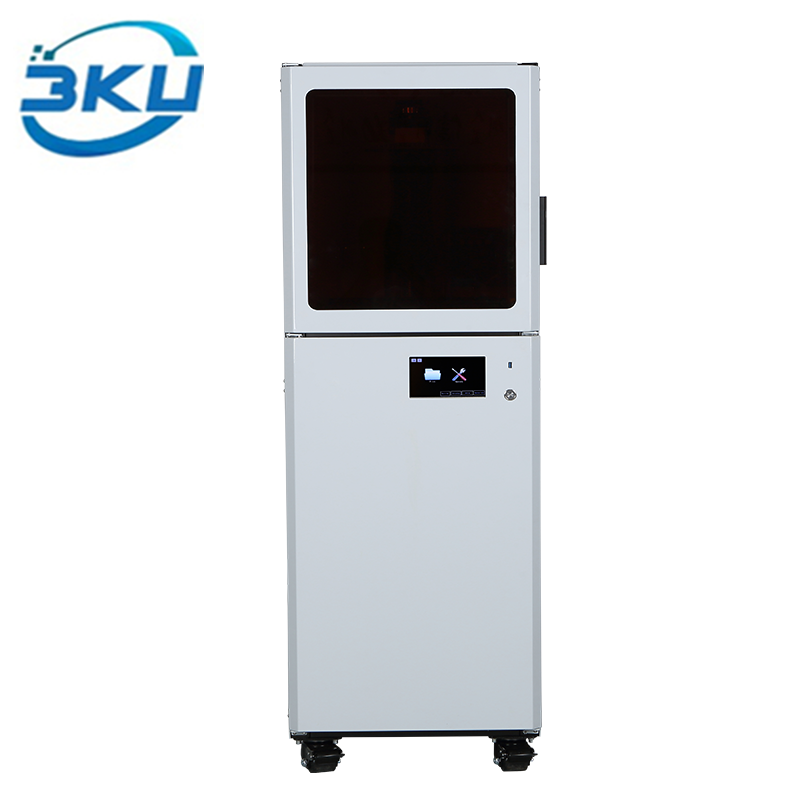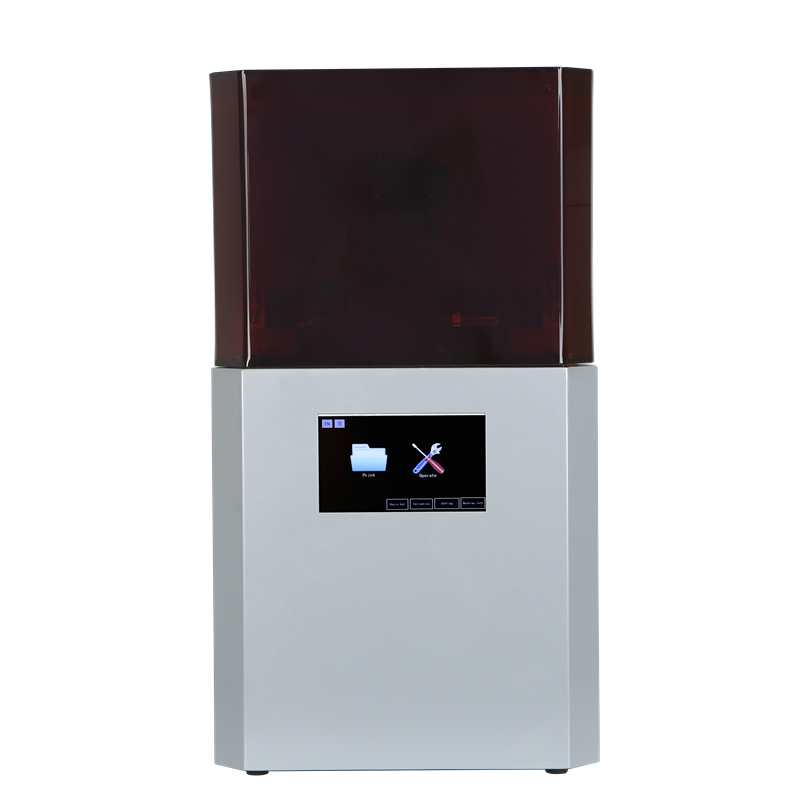
3D printing ceramic materials have revolutionized manufacturing, particularly in sectors like dental, jewelry, and precise molding applications. As a B2B buyer, understanding the nuances of these materials is crucial for making informed purchasing decisions. This article will guide you through the selection process, key specifications, supplier options, application compatibility, and installation guidance for 3D printing ceramic materials. By addressing common concerns such as material performance, customization, and supplier reliability, this content empowers purchasing managers, engineers, and other professionals to navigate their 3D printing projects successfully.
Selecting the right ceramic 3D printer materials is essential for ensuring that your final products meet performance and aesthetic requirements. Key considerations include the desired mechanical properties, thermal stability, and the specific application of the printed object. For instance, dental applications may require biocompatible materials that can withstand oral conditions, while jewelry may prioritize aesthetic qualities like finish and translucency.
When evaluating materials, consider the following factors:
Mechanical Properties: Assess tensile strength, flexural strength, and hardness to ensure the material can withstand intended use.
Thermal Stability: Determine the material's ability to resist deformation at high temperatures, which is critical for applications involving heat exposure.
Aesthetic Qualities: Look for materials that provide the color and finish you desire, as these can significantly impact the product's marketability.
By aligning your material choice with these criteria, you can enhance the functionality and appeal of your 3D-printed products.
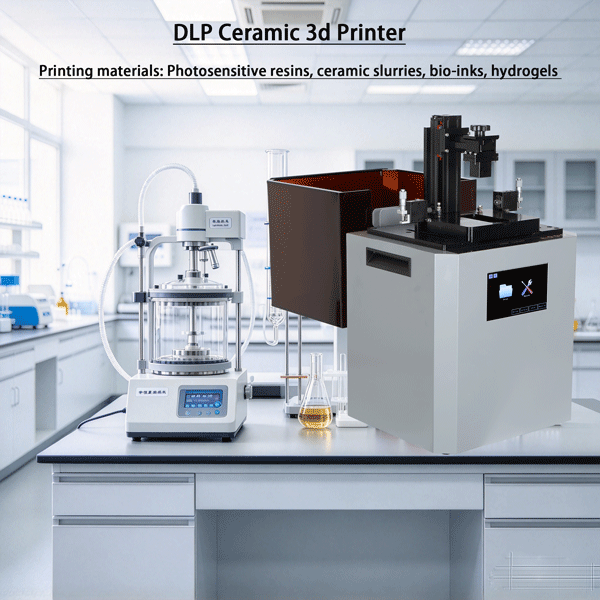
Understanding the key specifications for 3D printing ceramic materials is vital for ensuring compatibility with your printing technology and the intended application. Important specifications include:
Particle Size and Distribution: Affects the flowability and packing density of the material during the printing process. Finer particles can lead to smoother finishes but may require careful handling to avoid clumping.
Viscosity: This specification is crucial for materials used in DLP (Digital Light Processing) printers, as it determines how well the resin flows and cures under light exposure.
Curing Time: Different materials will have varying curing times, which can impact production efficiency. Understanding these times will help you plan your production schedules more effectively.
Shrinkage Rate: During the drying and sintering processes, ceramics may shrink. Knowing the expected shrinkage rate helps in designing parts that will meet dimensional accuracy after printing.
By paying attention to these specifications, you can ensure that the selected materials will perform as expected in your specific applications.
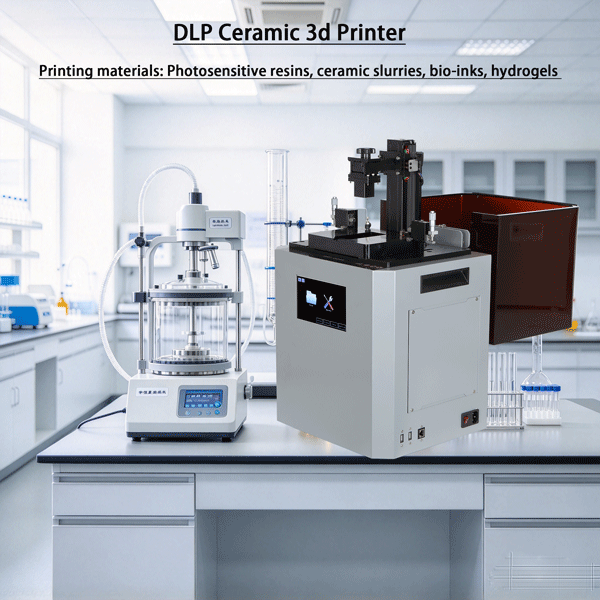
Finding a reliable supplier for ceramic 3D printing service is critical for maintaining quality and consistency in your production runs. When evaluating suppliers, consider the following:
Manufacturing Capabilities: Look for suppliers with advanced manufacturing processes, including high-precision milling, mixing, and sintering capabilities. This ensures that the materials are produced with the necessary quality and consistency.
Customization Options: A good supplier should offer customization for both materials and formulations. This can include tailoring the material properties to suit specific applications, which is particularly important in niche markets like dentistry or high-end jewelry.
Technical Support: Ensure that the supplier provides comprehensive technical support, including guidance on material selection and printing parameters. This support can be crucial for troubleshooting issues that may arise during the printing process.
Quality Assurance: Verify that the supplier follows rigorous quality control processes. This may include regular testing of materials for consistency and performance, which is essential for maintaining production standards.
By carefully evaluating potential suppliers against these criteria, you can build a strong partnership that enhances your production capabilities.
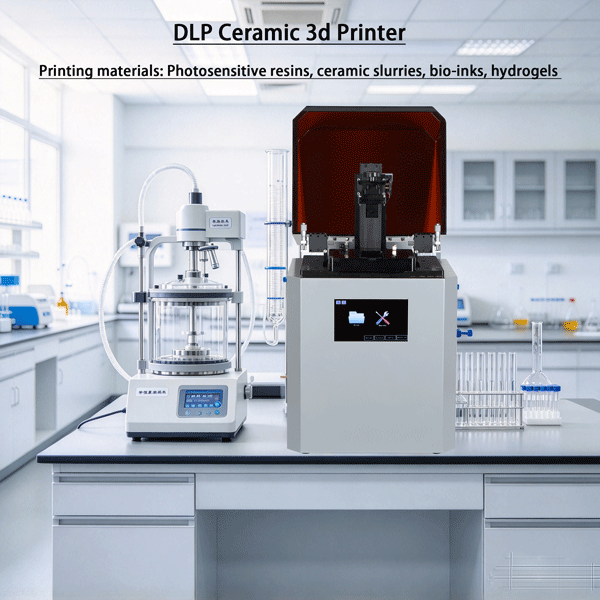
Different applications require distinct properties from 3D printing ceramic materials. Here’s a breakdown of some common applications and the materials best suited for each:
Dental Applications: Biocompatible ceramics like zirconia or alumina are often preferred due to their strength, aesthetic qualities, and compatibility with the human body. These materials can withstand the harsh conditions of the oral environment.
Jewelry Production: For jewelry, materials that allow for fine detail and smooth finishes, such as porcelain or specially formulated resins, are ideal. The aesthetic appeal is crucial, so selecting materials that can be polished or glazed is essential.
Precision Molding: In precision molding, materials with high dimensional stability and low shrinkage rates are preferred. This ensures that the final product meets tight tolerances required in industries like aerospace and automotive.
Understanding the unique requirements of each application will guide you in selecting the most suitable 3D printing ceramic materials for your projects.
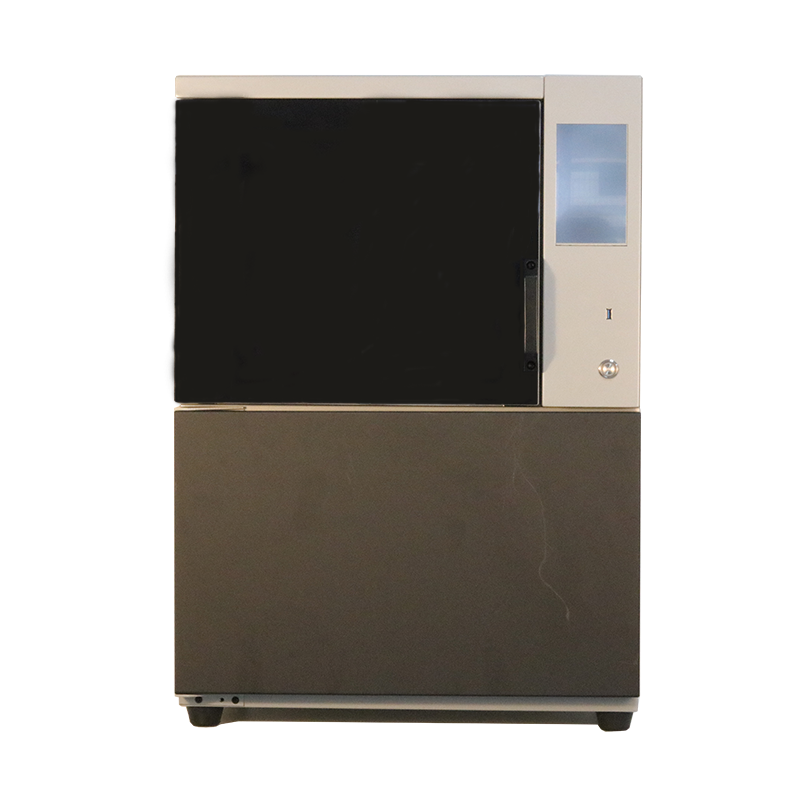
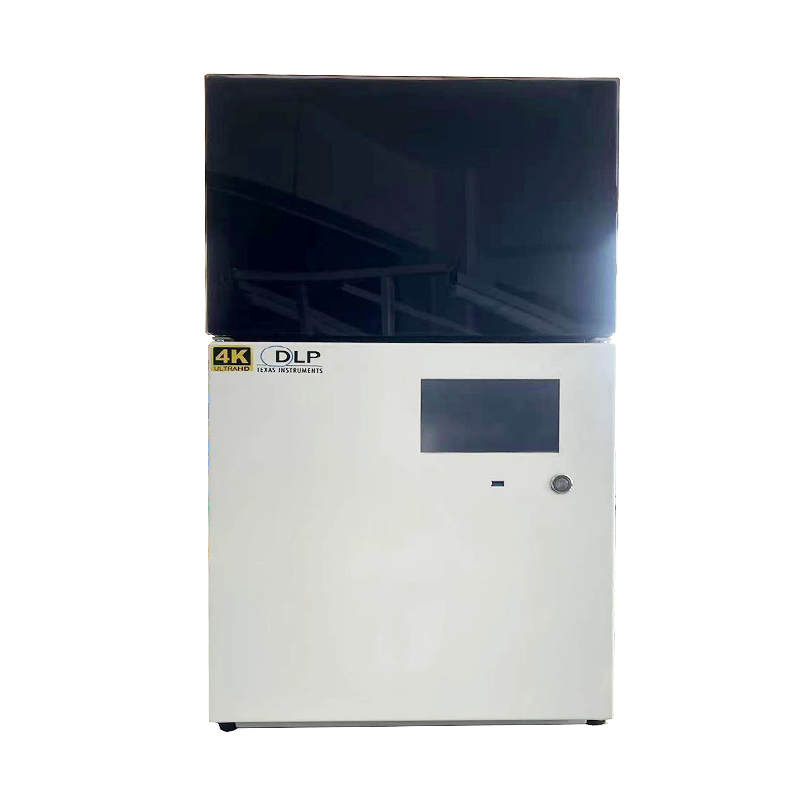
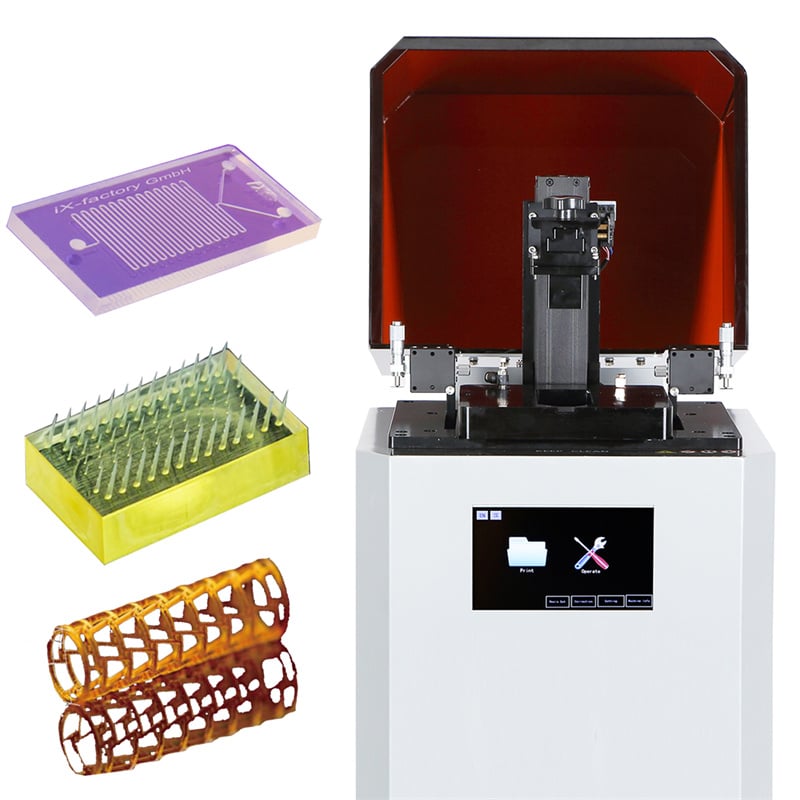
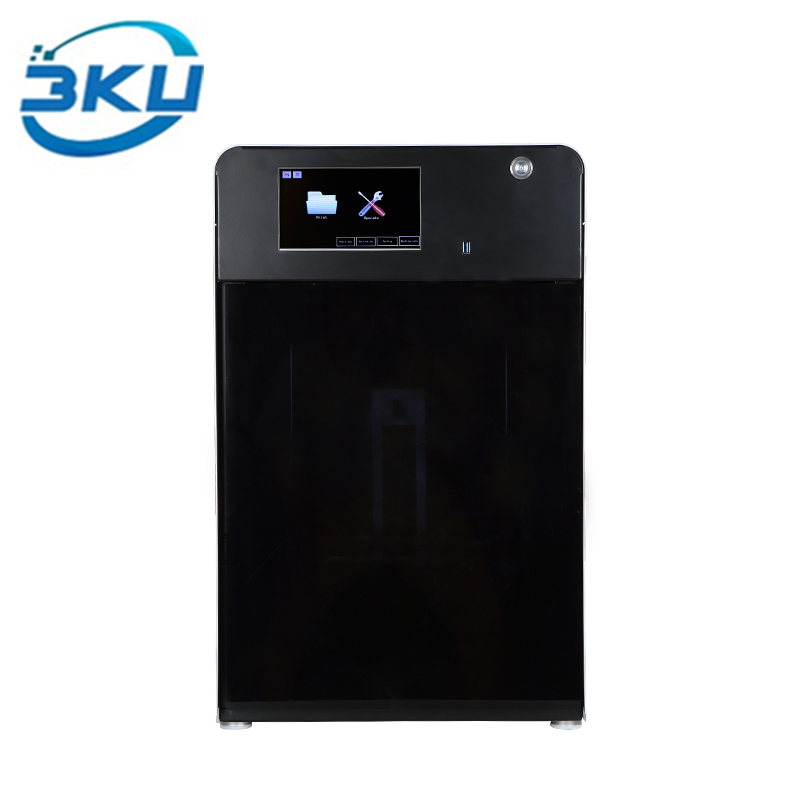
Our printers, which are based on a unique layout, design and structure, but more importantly our excellent team of researchers and engineers, are utilized in numerous industries such as Dental casts and crowns 3d printing jewelry, Garage Kits and Precise Moldings and so on. We are able to provide free samples. You can offer us STL files and we print them using our printers to demonstrate how it operates and what the results look before you make a purchase.
3d pottery printer is established in the year 2014. Within just a few years of developing and marketing, our brand 3KU is known well by 3d printer lovers and users. We offer a wide range of technical support that includes printing technology, post-processing, casting techniques, and a lifetime warranties. We provide highly skilled support and technology. We we can resolve printing and casting issues in various areas.
Our printers have been employed in many industries including jewelry, Temples Dentals, Ceramics and more. Our Alumina 3d printing are ideal. We provide a variety of custom services, such as packaging design and software, branding, packaging and many more. We provide our clients the best priced 3d printers that are of good quality, practical utility and high-efficiency.
The founder of our company has been working on 3D printers since 2012, starting with FDM, DLP, SLA. He is convinced that "3d technology will lead another industrial revolution". We strive to provide more 3d print ceramic and technical support to 3d printer enthusiasts who believe in us strongly! We have the best priced tower packaging. We provide considerate support and quickly respond to market needs.
Copyright © Shenzhen 3KU Technology and Science Co., LTD. All Rights Reserved Privacy Policy Blog
 EN
 AR
 BG
 HR
 CS
 DA
 NL
 FI
 FR
 DE
 EL
 HI
 IT
 JA
 KO
 NO
 PL
 PT
 RO
 RU
 ES
 SV
 TL
 IW
 ID
 SR
 SK
 SL
 VI
 ET
 HU
 TH
 TR
 FA
 MS
 GA
 CY
 BE
 IS
 MY