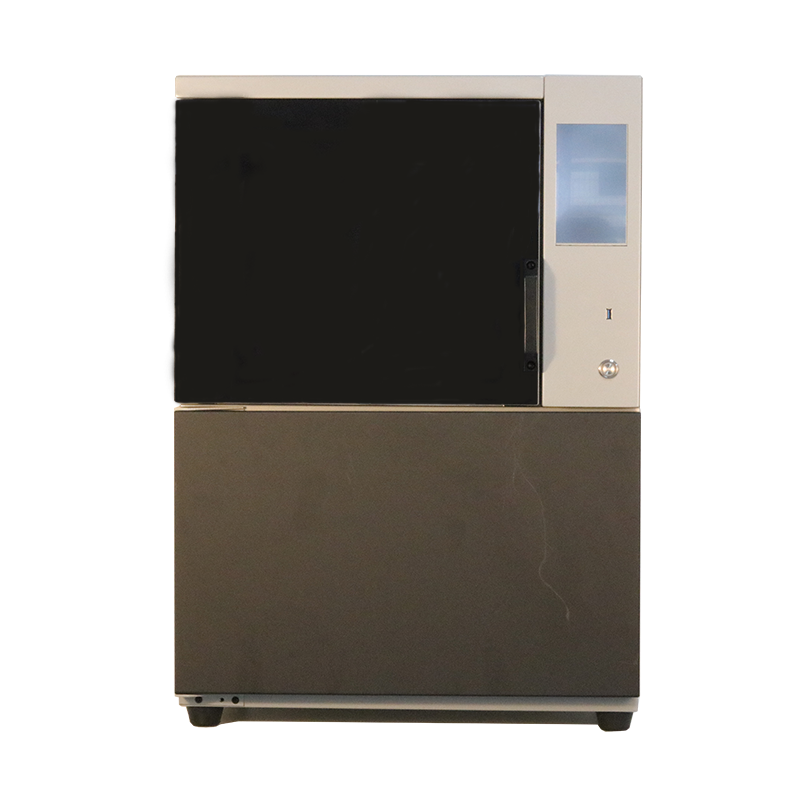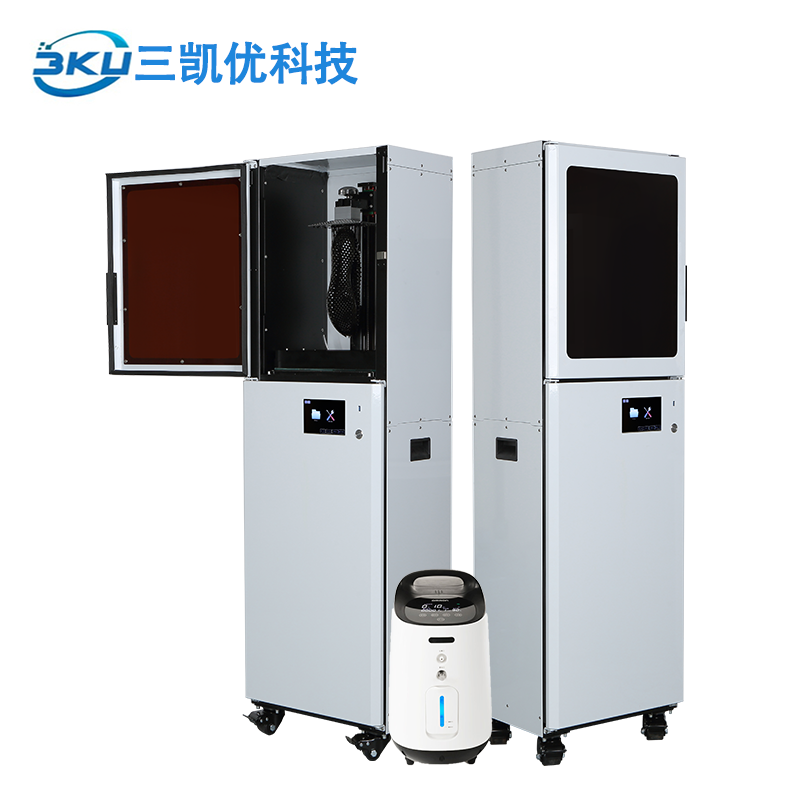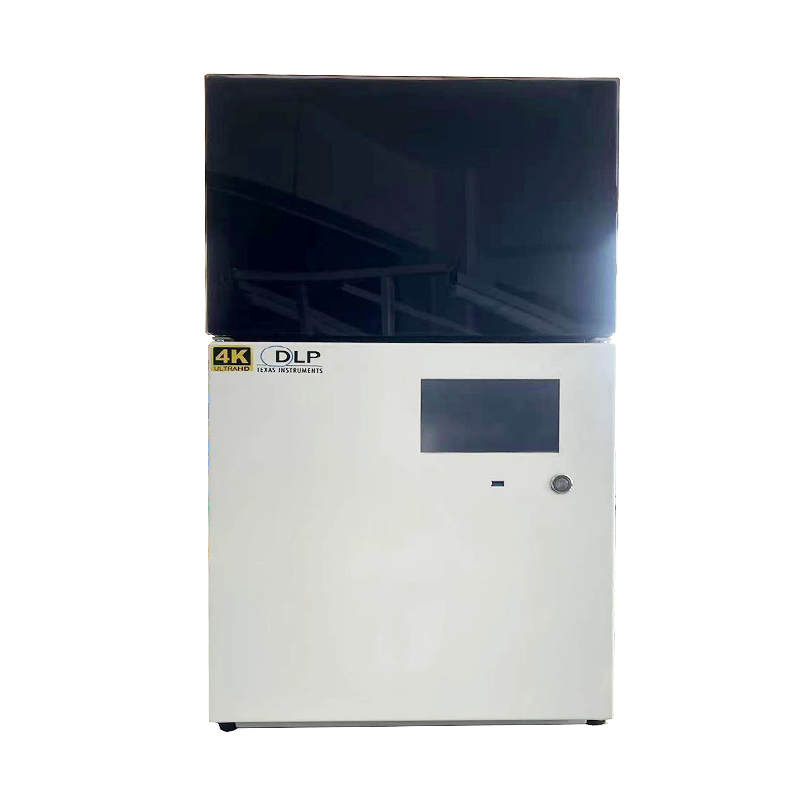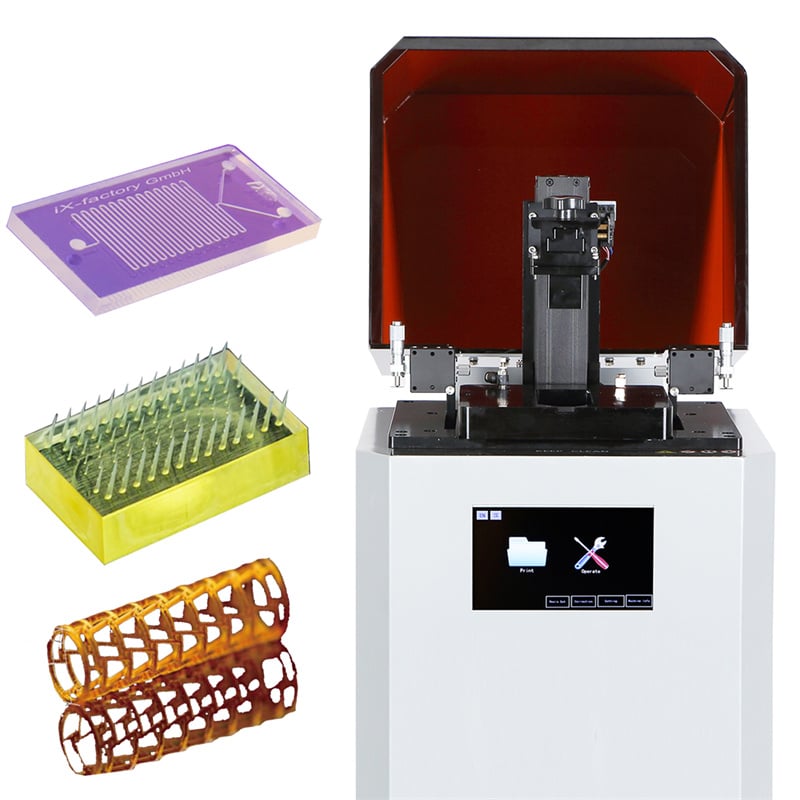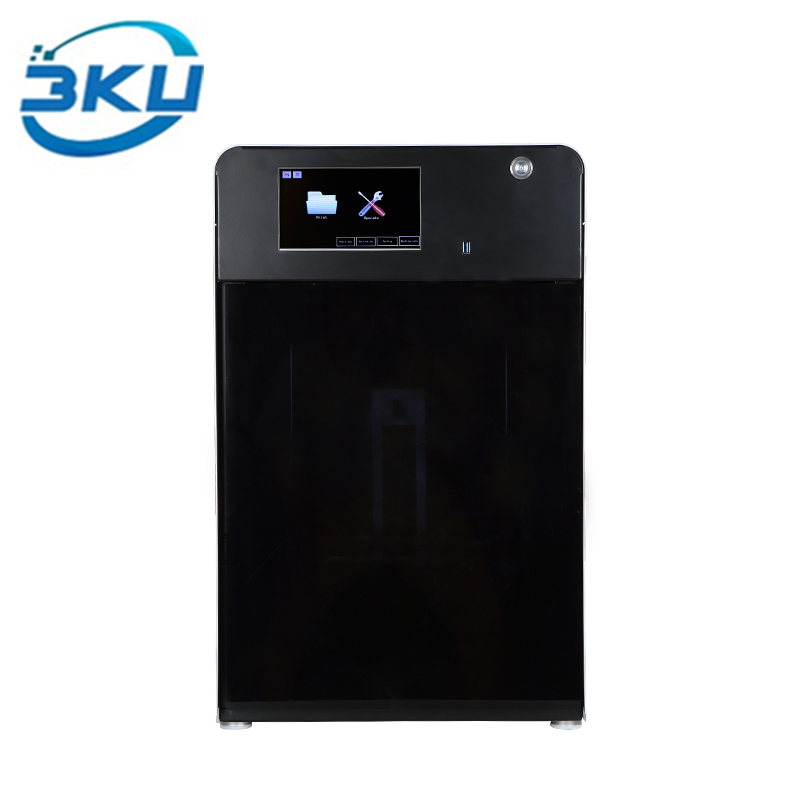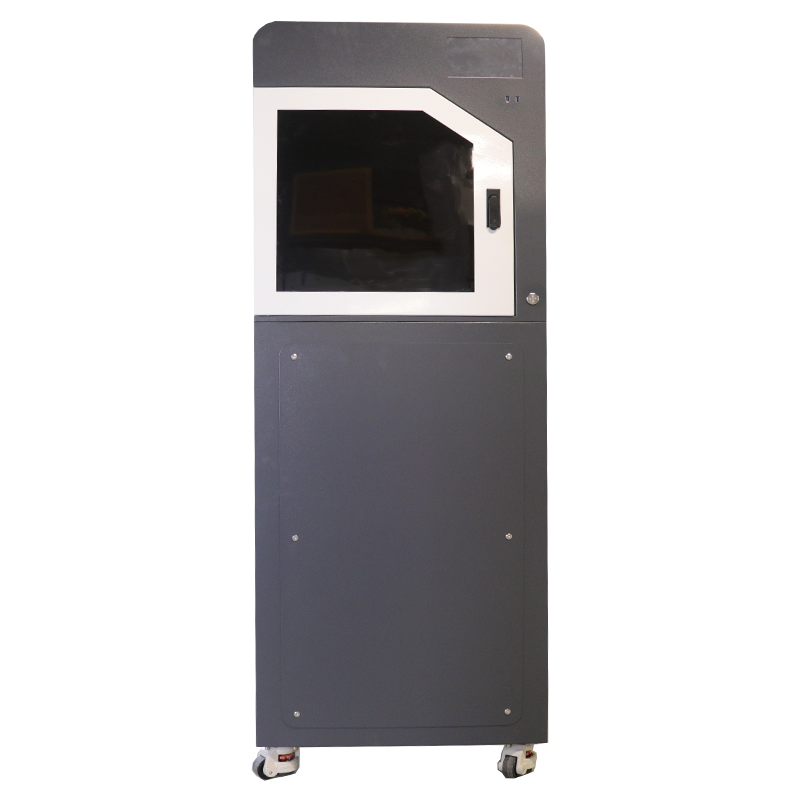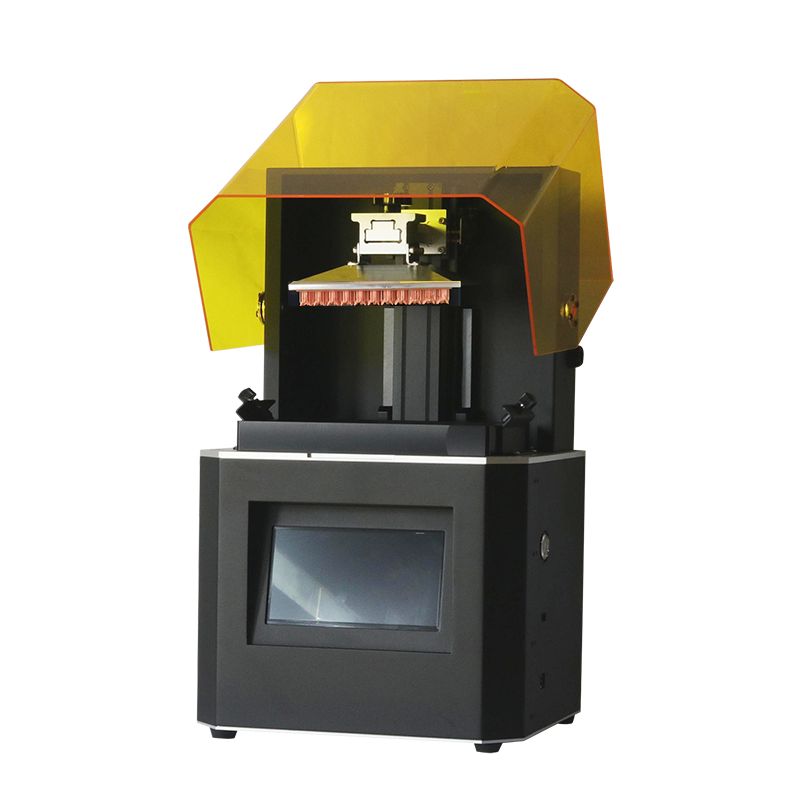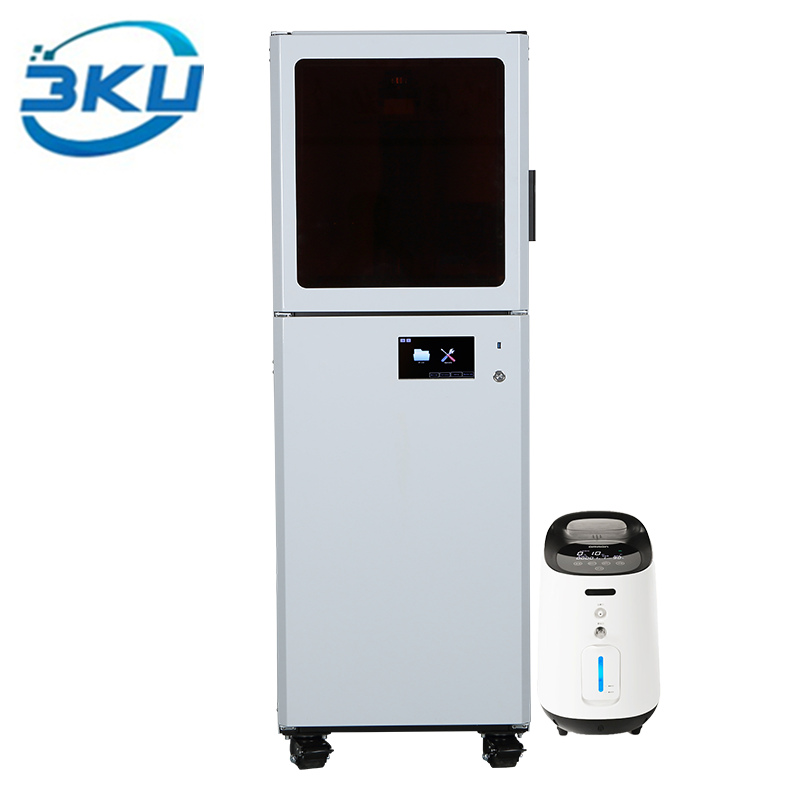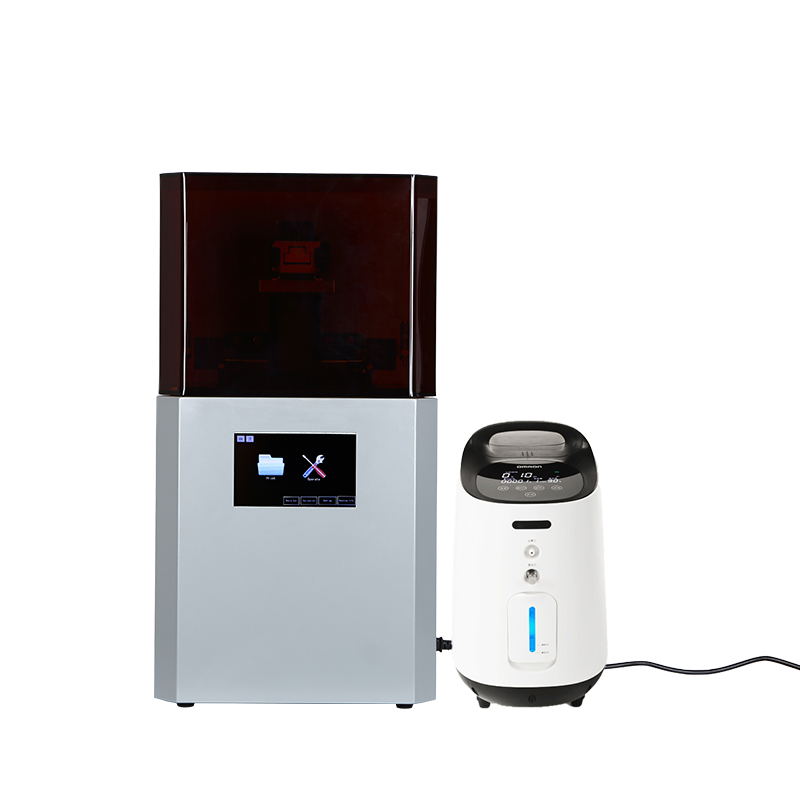
High precision 3D printers are essential tools in various industries, offering unmatched accuracy and detail in manufacturing. Buyers seeking to procure these printers often have specific concerns regarding specifications, quality, application suitability, and support services. This article will address the key considerations for B2B buyers, helping them make informed purchasing decisions when selecting high precise 3d printer.
When evaluating high precision 3D printers, several critical specifications should be prioritized. These include build volume, layer resolution, printing speed, and compatible materials.
Build Volume: This refers to the maximum dimensions of an object that can be printed. A larger build volume allows greater flexibility in the size of the parts produced, which is particularly beneficial for industries requiring large components, like automotive or aerospace.
Layer Resolution: Measured in microns, this specification indicates how thin each layer of material is during the printing process. Higher resolutions (lower micron values) yield finer detail and smoother surfaces, making them ideal for applications such as dental and jewelry manufacturing.
Printing Speed: This impacts how quickly a printer can produce a part. Faster printers can significantly reduce lead times, which is essential for businesses needing rapid prototyping or just-in-time manufacturing.
Compatible Materials: The range of materials a printer can handle affects its versatility. High precision printers should be compatible with various materials, including resins for DLP and SLA printers, and thermoplastics for FDM printers. Understanding material properties is vital, as different applications may require specific material characteristics.
Technical Parameters: Consider features such as nozzle diameter, filament diameter, and the heating mechanism, which can influence the overall performance of the printer.
Understanding these specifications enables buyers to select a printer that aligns with their production needs and application requirements.
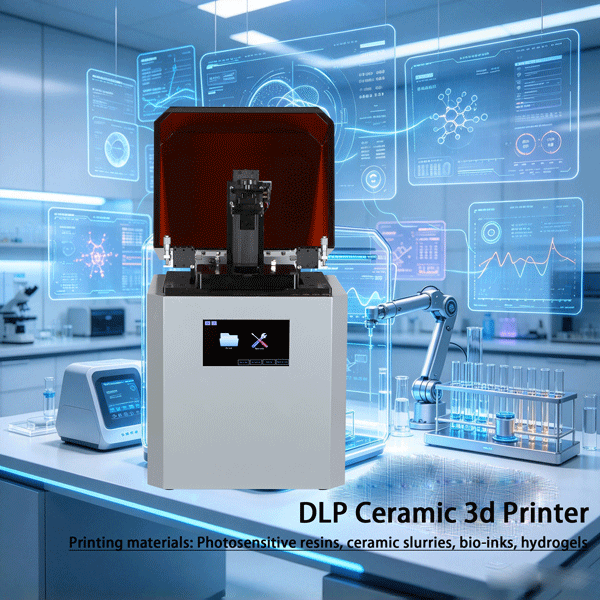
Quality assessment is crucial when purchasing high precision 3D printers in bulk. Buyers should consider the manufacturer's reputation, quality control processes, and after-sales support.
Manufacturer’s Reputation: Researching the manufacturer’s history and client feedback can provide insights into the reliability and performance of their printers. Look for most precise 3d printer manufacturers with a proven track record in the industry, such as Shenzhen 3KU Technology and Science Co., LTD, known for its focus on quality and customer satisfaction.
Quality Control Processes: Inquire about the manufacturer’s quality assurance practices. This includes details on pre-production testing, in-process inspections, and final product evaluations. A robust quality control system ensures that each printer meets the required specifications before leaving the factory.
After-Sales Support: Evaluate the level of support offered post-purchase. Reliable manufacturers provide lifetime technical support and guidance on printing technologies, which can be invaluable for operational efficiency and troubleshooting.
Sample Approval: Before finalizing a bulk order, it is advisable to request sample units. This allows buyers to test the printer’s capabilities and ensure it meets their specific requirements in real-world applications.
By focusing on these quality assessment criteria, buyers can mitigate risks associated with bulk purchases and ensure they are investing in reliable technology.
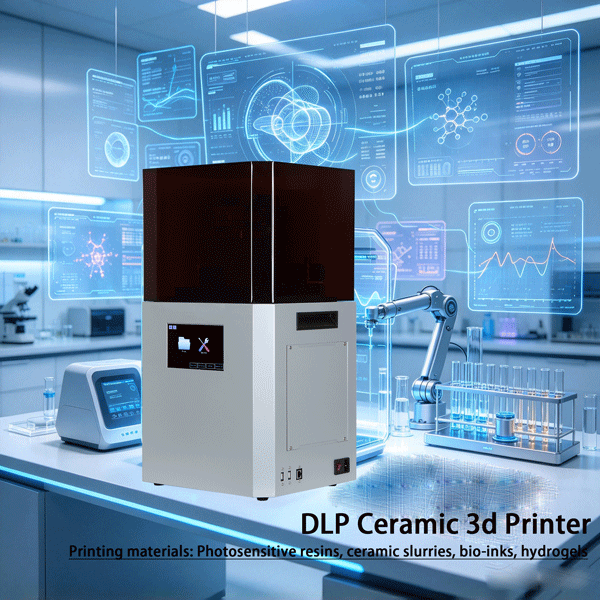
Even high precision 3D printers can face challenges during operation. Understanding common issues and their solutions can enhance the efficiency of production processes.
Clogged Nozzles: This is a frequent issue, often caused by using low-quality filament or incorrect printing temperatures. Regular maintenance, including cleaning the nozzle and using high-quality materials, can prevent clogs.
Layer Adhesion Problems: Inadequate adhesion between layers can lead to structural weaknesses. Adjusting print settings, such as temperature and speed, and ensuring proper bed leveling can improve layer bonding.
Warping: This occurs when printed parts deform due to temperature fluctuations. Utilizing heated print beds and proper enclosure can help minimize warping, ensuring parts retain their intended shapes.
Inconsistent Print Quality: Variability in print quality can arise from fluctuating material properties or printer settings. Regular calibration and using consistent, high-quality materials can help maintain output quality.
Identifying these common problems and implementing preventive measures can significantly enhance the reliability of high precision 3d printer accuracy.
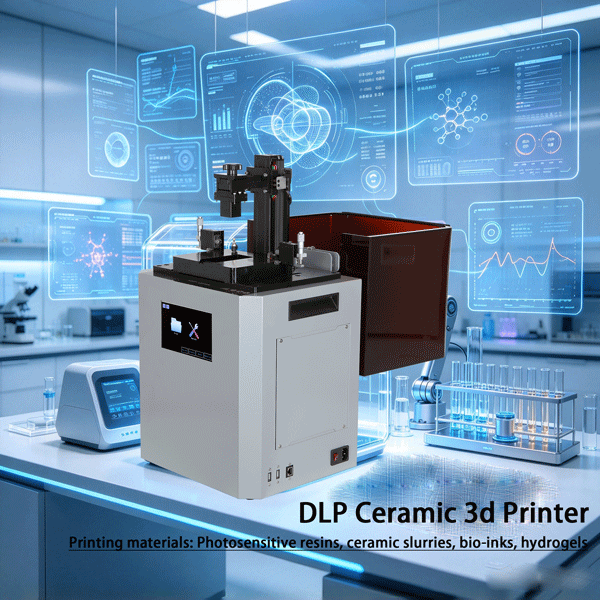
High precision 3D printers are utilized across diverse sectors due to their adaptability and production capabilities. Here are some key applications:
Dental: In dentistry, high precision 3D printers are used to create customized dental implants, crowns, and orthodontic devices. The ability to produce highly accurate models allows for better-fitting products, improving patient outcomes.
Jewelry: Jewelers leverage these printers to produce intricate designs that would be difficult or impossible to achieve through traditional methods. The precision allows for detailed craftsmanship, enabling rapid prototyping and customization.
Prototyping and Molding: Industries such as automotive and aerospace rely on high precision 3D printers for rapid prototyping. This enables engineers to test designs quickly and efficiently, reducing time-to-market for new products.
Medical Devices: The medical industry employs high precision 3D printing for creating customized prosthetics and implants. Tailoring devices to individual patient anatomy enhances comfort and functionality.
Understanding these applications helps buyers identify the most suitable printer for their specific industry needs.
Shenzhen 3KU Technology and Science Co., LTD is established in the year 2014. Within just a few years of developing and marketing, our brand 3KU is well-known by 3d printer fans and users. We offer a complete technical support, printing technology, after processing, casting methods and a 3d printing jewelry. We provide professional technology and customized services, solving casting and printing issues across different fields.
Our founder is working on 3D printers since 2012, starting from FDM, DLP, SLA. He believes in "3d technology will trigger another 3d pottery printer"! We do our best to offer more service and technical support for 3D printer lovers who support us strongly! We have the best priced tower packaging. We offer a friendly service and are able to react quickly to market trends.
Our 3d printing alumina have been utilized in a variety of industries, including Jewelry, Temples Dentals, Ceramics and more. Our custom services are ideal. The customized services include the appearance design, customized logo, software design, more functionality and the personalized packaging. We provide our customers with 3D printers at the most affordable prices, and with the highest quality, utility and efficiency.
Based on a unique design and structure, especially our outstanding research team, our printers can be found in various industries, including Dental cast and crown, Jewelry cast, 3d pottery printer, Precise Molding, ect. We offer free samples. We can print stl files on our printers and show you how they operate and the results before purchasing.
Copyright © Shenzhen 3KU Technology and Science Co., LTD. All Rights Reserved Privacy Policy Blog
 EN
 AR
 BG
 HR
 CS
 DA
 NL
 FI
 FR
 DE
 EL
 HI
 IT
 JA
 KO
 NO
 PL
 PT
 RO
 RU
 ES
 SV
 TL
 IW
 ID
 SR
 SK
 SL
 VI
 ET
 HU
 TH
 TR
 FA
 MS
 GA
 CY
 BE
 IS
 MY