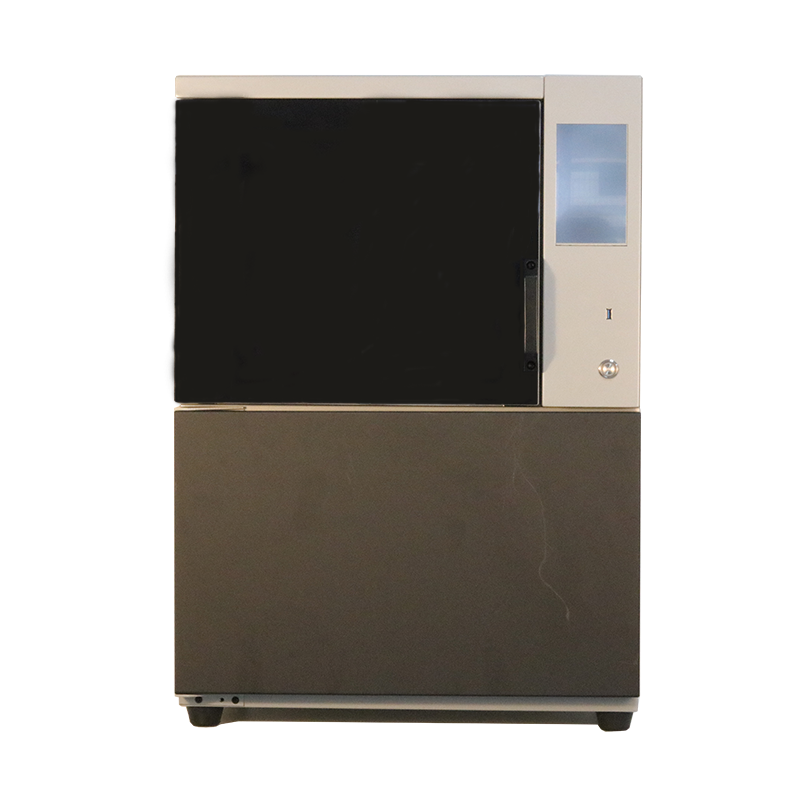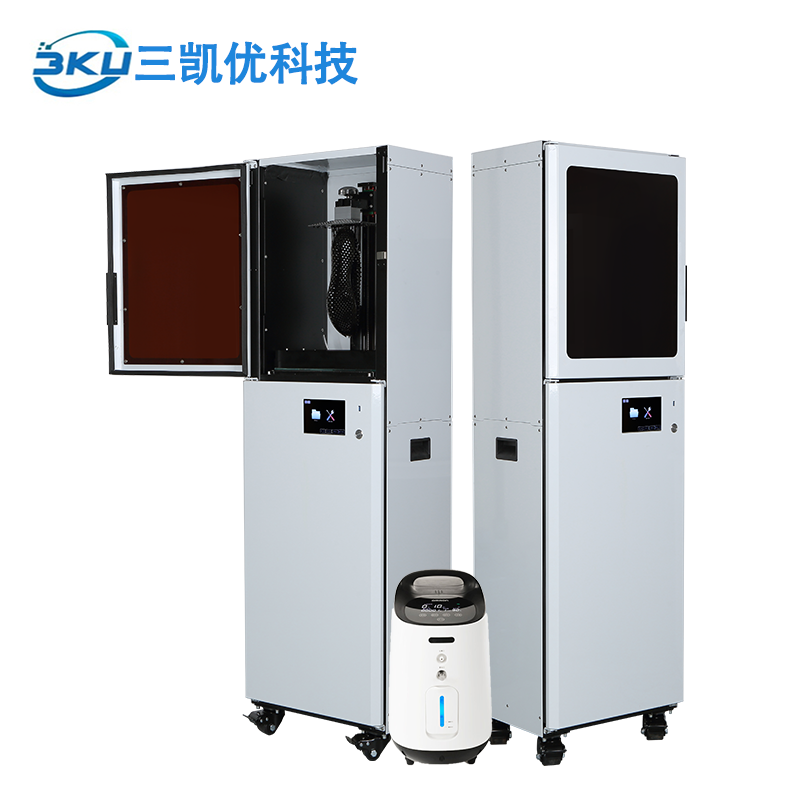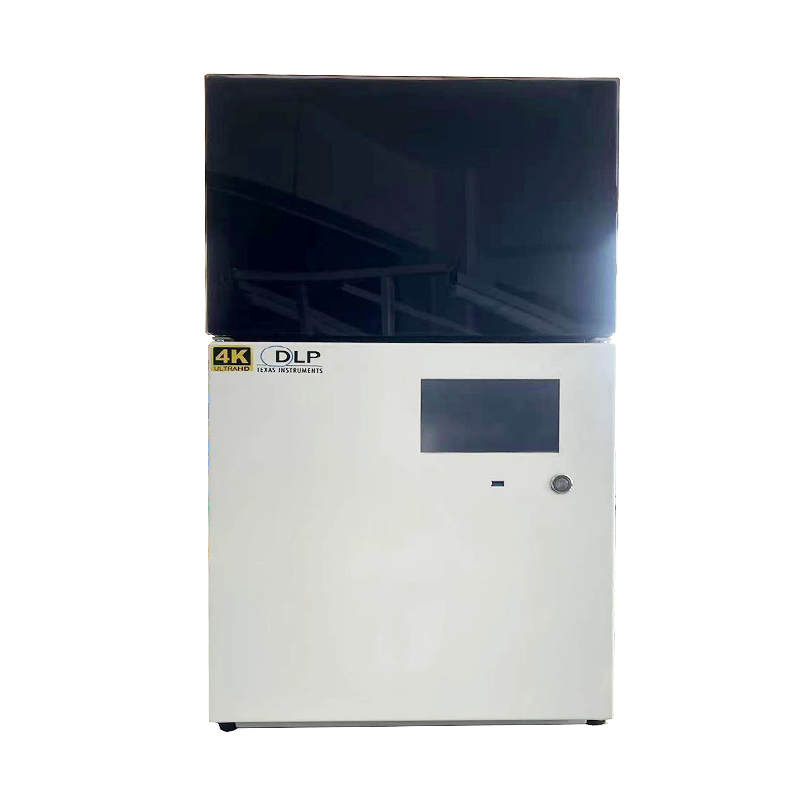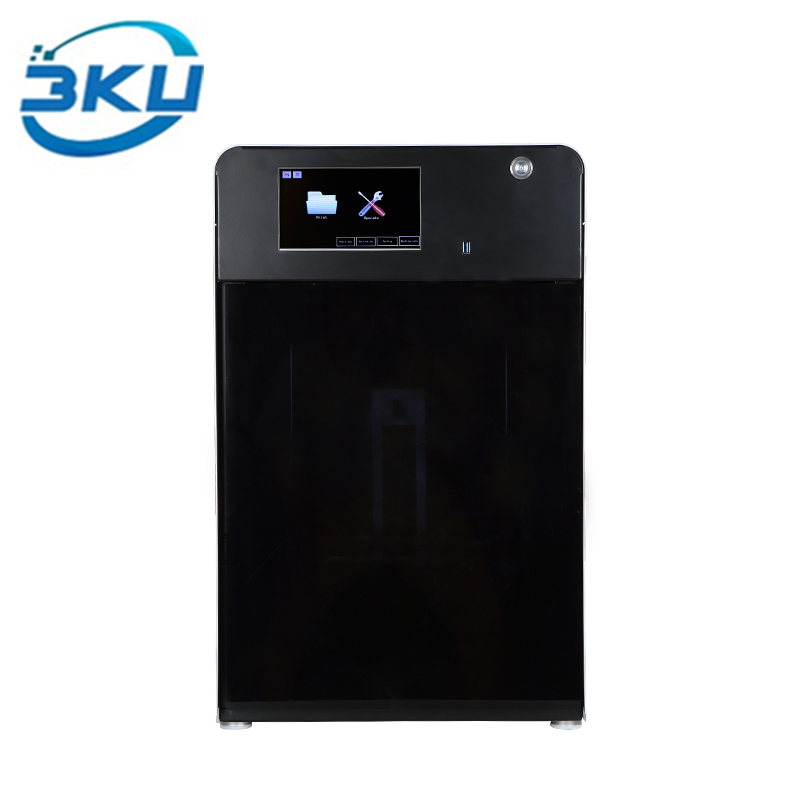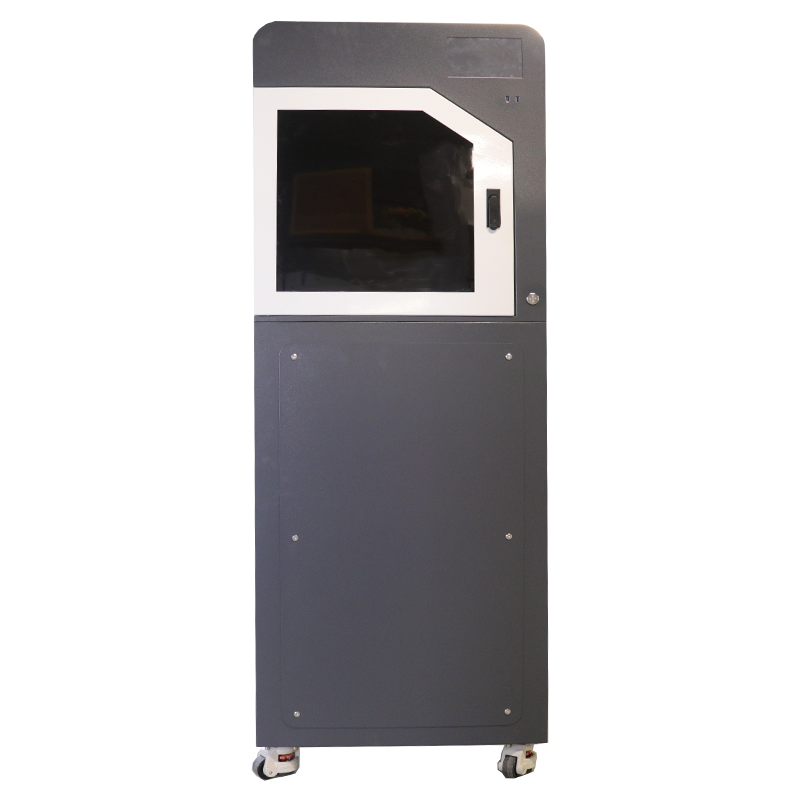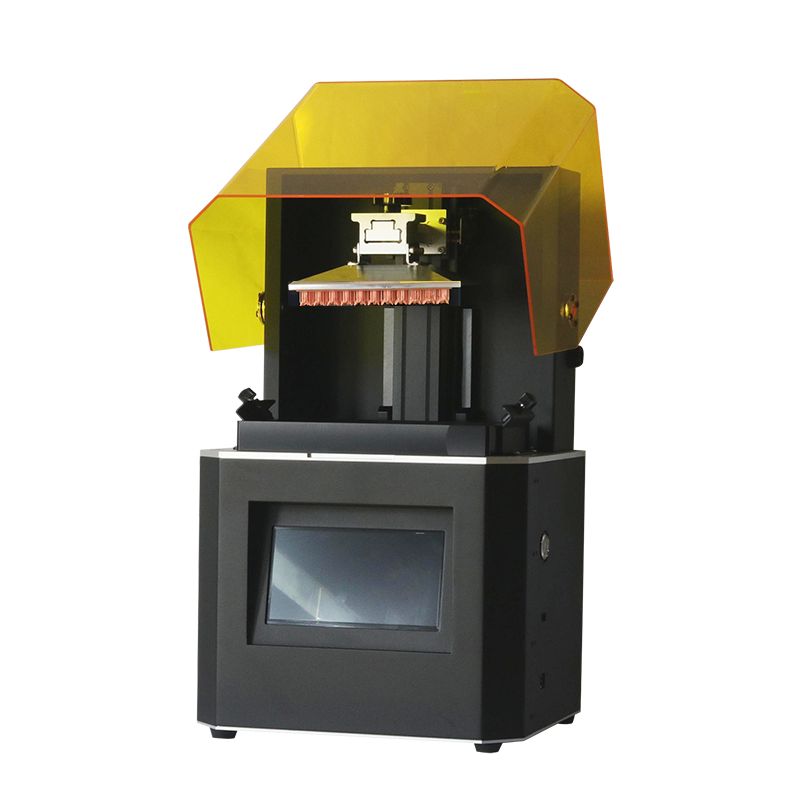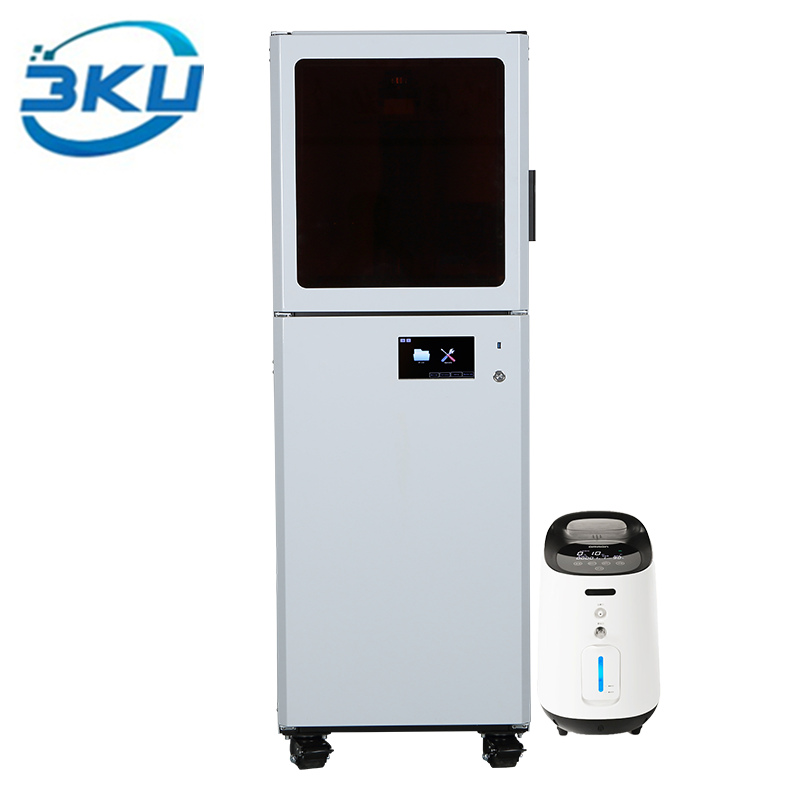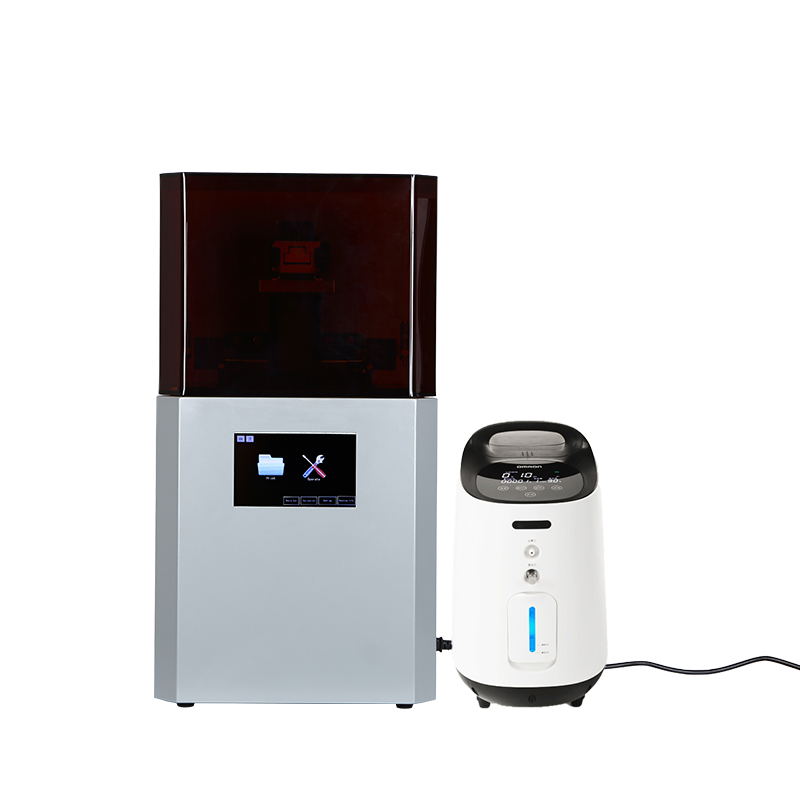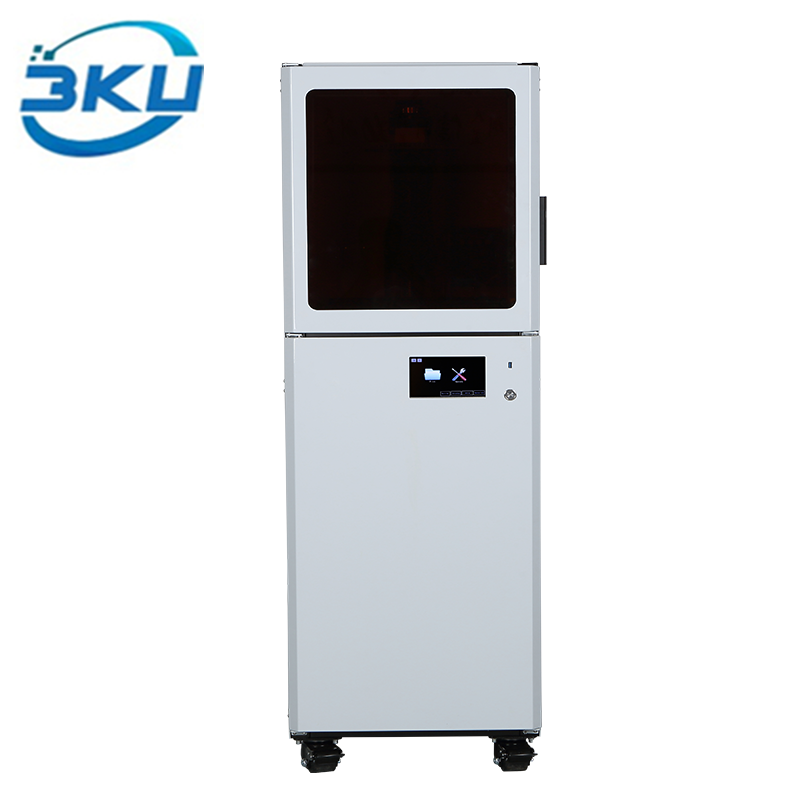
Digital light processing (DLP) 3D printers are advanced manufacturing machines that utilize digital light to cure liquid resin into solid objects. As businesses look to enhance their production capabilities, understanding the specifications, common issues, and overall cost considerations of DLP printers becomes essential. This article will address key buyer concerns such as product specifications, troubleshooting common problems, and installation guidance, equipping purchasing managers and engineers with the knowledge needed to make informed decisions.
When evaluating digital light processing 3D printers, several key specifications should be assessed to ensure they meet your application needs. Resolution: DLP printers typically offer high-resolution outputs, measured in microns. A lower microns value translates to finer detail in the printed object. For applications such as jewelry and dental models, a resolution of 20–50 microns is often ideal. Build Volume: The build volume indicates the maximum size of objects the printer can produce. Depending on your projects, assess whether the printer’s build volume aligns with the dimensions of the items you intend to manufacture. Print Speed: DLP technology is renowned for its speed, as it cures entire layers simultaneously rather than line by line. Evaluate the printer’s layer curing time and the overall throughput to determine its efficiency. Material Compatibility: Different DLP printers support various resin types, which may include standard, flexible, or high-temperature resins. Understanding material compatibility is crucial for achieving desired properties in the final product. Software Features: Advanced slicing software can enhance print quality and efficiency. Look for features such as automatic supports generation and advanced print settings that can streamline your workflow. By carefully considering these specifications, buyers can select a DLP printer that fits their unique requirements and application scenarios.
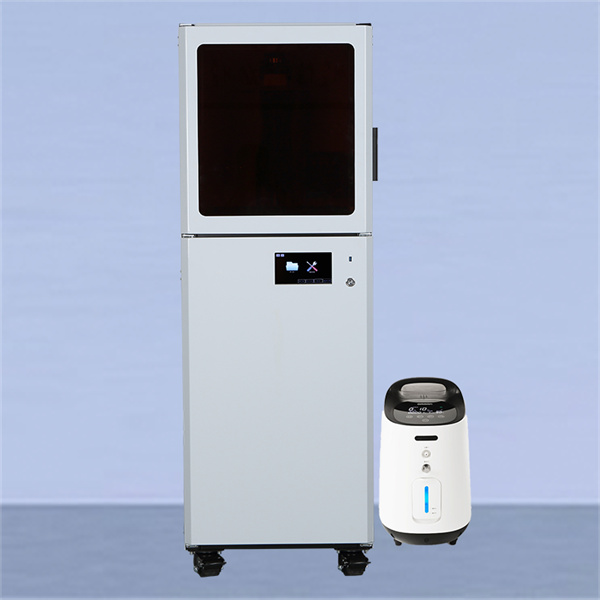
While printer DLP are efficient, users may encounter several common issues. Understanding these problems and their solutions can minimize downtime and enhance productivity. Layer Adhesion Issues: If layers are not adhering properly, this can lead to weak prints. This problem can often be resolved by adjusting the exposure time. Experimenting with longer exposure times for the initial layers can improve adhesion. Resin Curing Problems: Inconsistent curing can result from improper resin mixing or expired resin. Ensure that resin is mixed thoroughly before use and check expiration dates. Additionally, regular maintenance of the light source can prevent curing inconsistencies. Print Failures: Failed prints can occur due to incorrect orientation or support structures. Ensure that models are correctly oriented and adequately supported in the slicing software to avoid failures during printing. Surface Finish Issues: Prints may have visible layer lines or rough surfaces. This can be mitigated by selecting the right layer height and fine-tuning the print resolution settings. Addressing these common problems effectively will enhance the reliability and output quality of your DLP 3D printer.
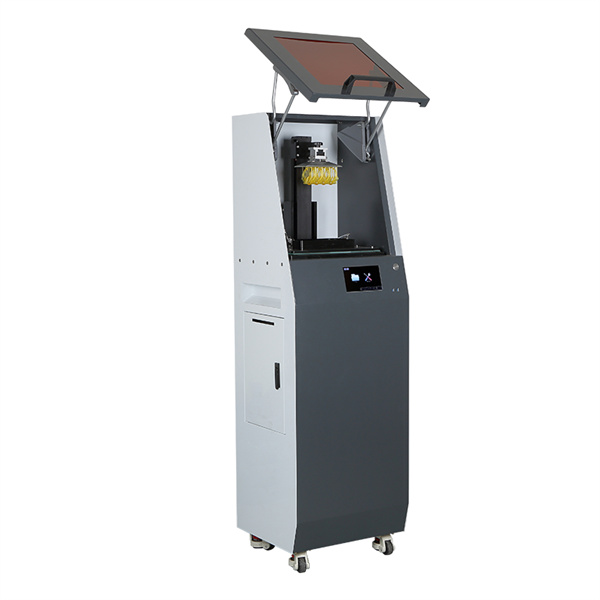
The cost of a DLP printer is influenced by several factors that buyers must consider to ensure a wise investment. Initial Purchase Price: The upfront cost of a DLP printer can vary significantly based on features, build volume, and brand reputation. Budgeting for the right model that meets your production needs is critical. Material Costs: Consider the recurring costs of resin materials, which can vary based on type and quality. For specialized applications like dental or jewelry printing, high-quality resins may be necessary, impacting overall costs. Maintenance and Support: Ongoing maintenance and potential repairs should be factored into total cost considerations. Evaluate warranties and the availability of technical support, which can provide cost savings in the long run. Operational Efficiency: A more expensive printer with higher speed and better resolution may reduce production time and waste, leading to cost savings over time. Assess how the printer will fit into your existing workflows. Customization Costs: If you require specific customizations, such as software integration or modifications, be sure to factor these costs into your overall budget. By understanding these cost factors, buyers can make informed decisions that align with their financial and operational goals.
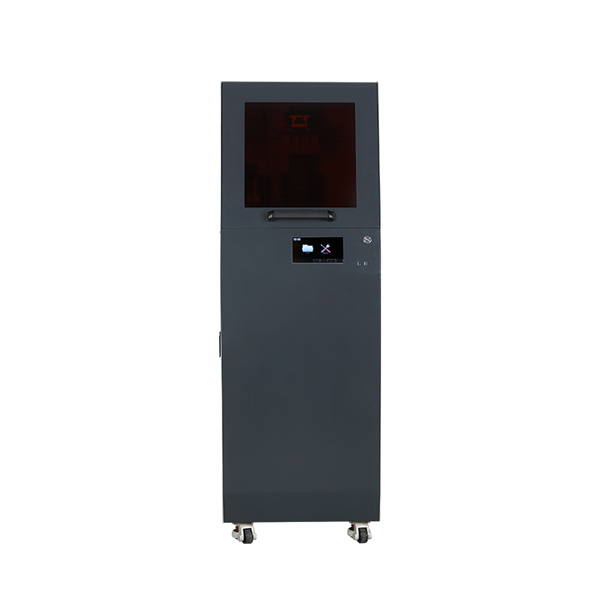
Proper installation of a DLP 3D printer is crucial for optimal performance. Here are key steps and considerations for a successful setup: Location: Choose an appropriate location with stable temperature and humidity levels. DLP printer should ideally be placed in a controlled environment to avoid material issues. Electrical Requirements: Ensure that electrical specifications match the printer's requirements, including voltage and amperage. Overloading circuits can lead to equipment failure. Leveling the Build Plate: Proper leveling of the build plate is essential to ensure accurate prints. Follow the manufacturer’s instructions for leveling, as this affects layer adhesion and print quality. Software Installation: Install the printer’s software according to the manufacturer’s guidelines. Familiarize yourself with the software interface, including settings for print resolution, layer height, and support generation. Initial Calibration: Run test prints to calibrate the printer. Adjust settings based on initial results to fine-tune the machine for your specific applications. Following these installation guidelines can enhance the printer's performance and longevity, ensuring a smooth operational experience.
Shenzhen 3KU Technology and Science Co. LTD was founded in 2014. Within a Ceramic 3d printer of months, 3KU has become a well-known brand among 3d printer users and fans. We provide a full array of technical support, including printing technologies, post-processing, casting methods, and life-long warranty. We provide professional technology and a customized service to solve the printing and casting issues in various areas.
Our printers have been employed in a variety of industries, including jewelry, Temples Dentals, Ceramics and more. Our customized services are ideal. The services that we customize include the outlook design, the Dlp 3d printer, the software design, more function and personalized packaging. We provide our customers with 3D printers at the lowest prices, and with the highest quality, functionality and efficacy.
Alumina 3d printing founder of our company has been working on 3D printers since 2012, beginning with FDM, DLP, SLA. He believes that "3d technology will lead another industrial revolution"! We try our best to provide better service and technical assistance to 3D printer lovers, who we support and are steadfastly in our support! We provide the most competitive tower packaging. We offer a friendly service and can react quickly to market shifts.
Based on a unique design and structure, especially our outstanding research team, our printers can be found in various industries, including Dental cast and crown, Jewelry cast, 3d pottery printer, Precise Molding, ect. We offer free samples. We can print stl files on our printers and show you how they operate and the results before purchasing.
Copyright © Shenzhen 3KU Technology and Science Co., LTD. All Rights Reserved Privacy Policy Blog
 EN
 AR
 BG
 HR
 CS
 DA
 NL
 FI
 FR
 DE
 EL
 HI
 IT
 JA
 KO
 NO
 PL
 PT
 RO
 RU
 ES
 SV
 TL
 IW
 ID
 SR
 SK
 SL
 VI
 ET
 HU
 TH
 TR
 FA
 MS
 GA
 CY
 BE
 IS
 MY