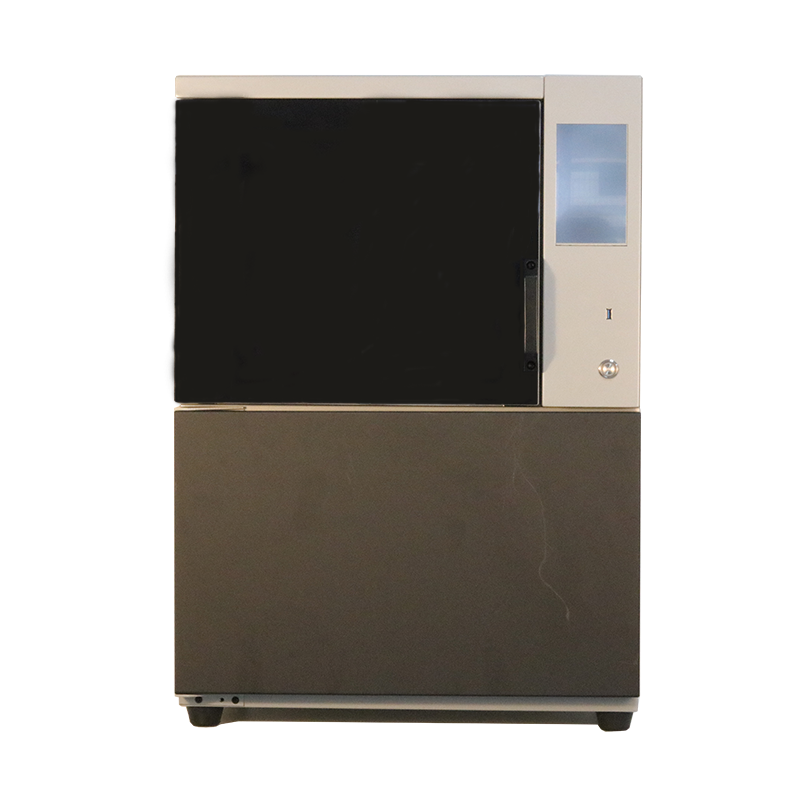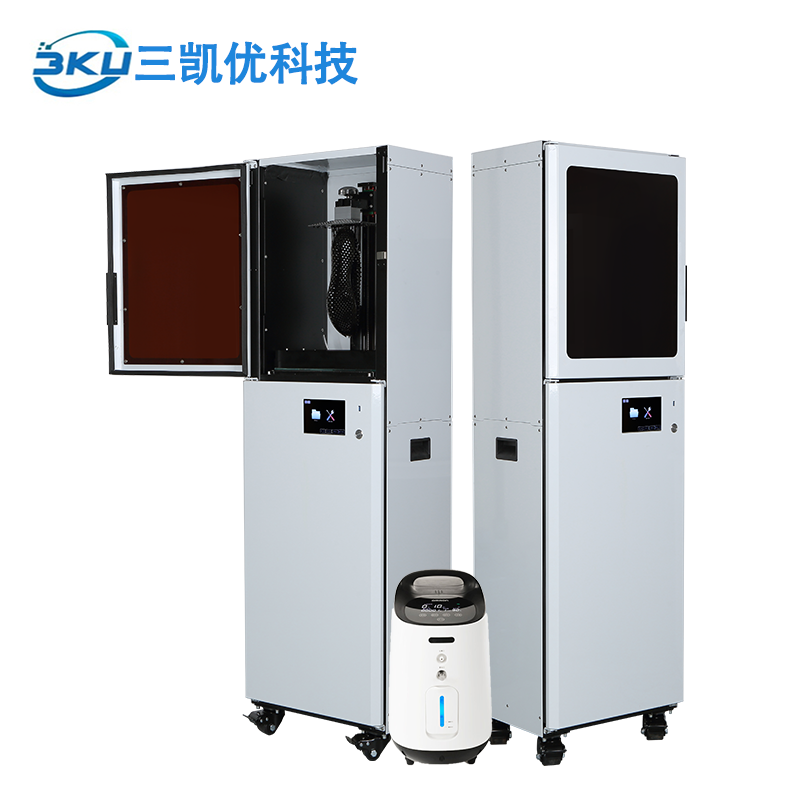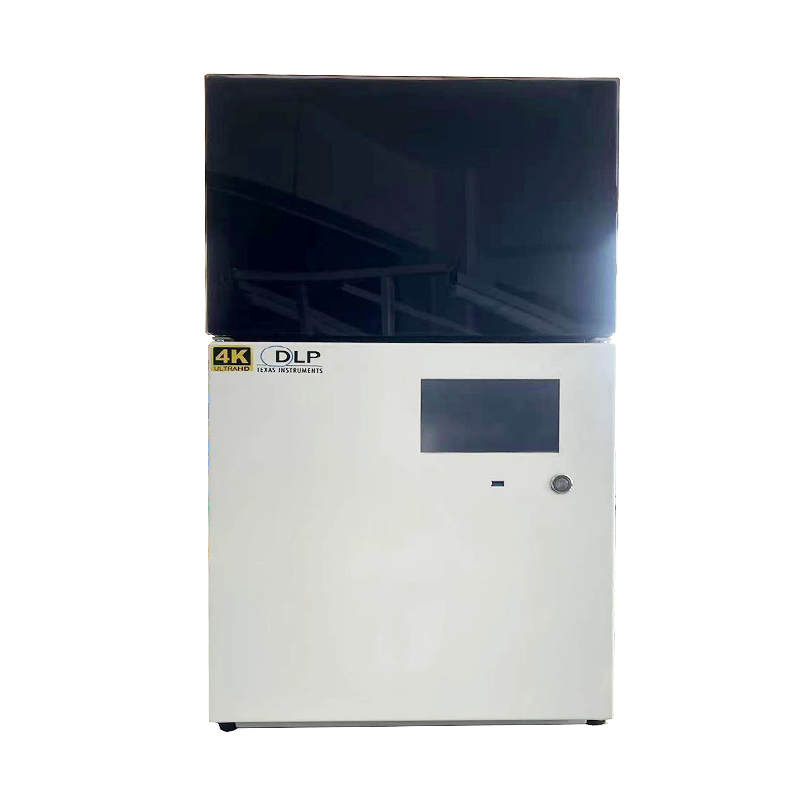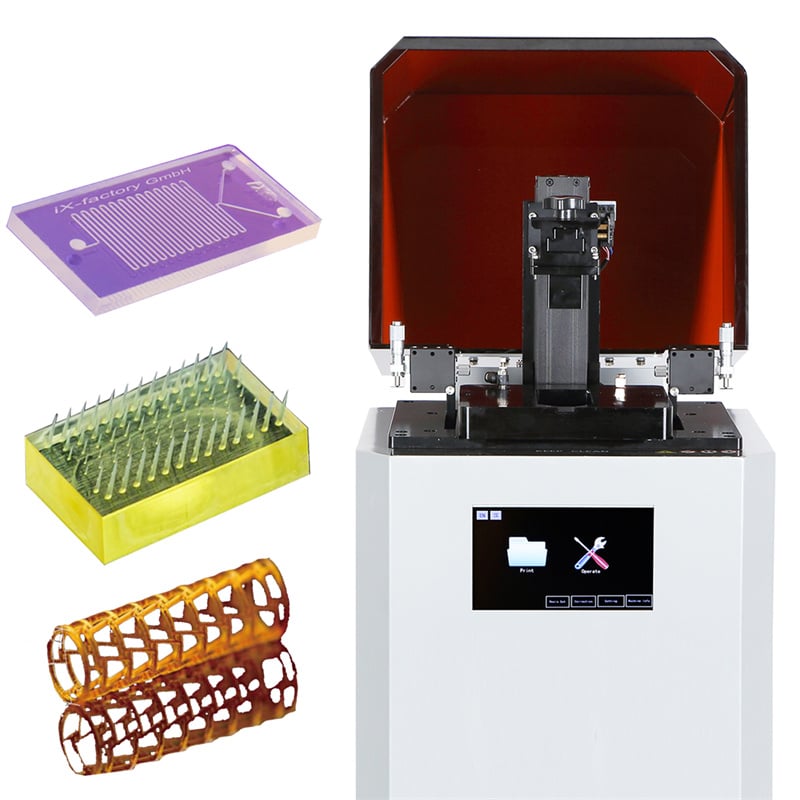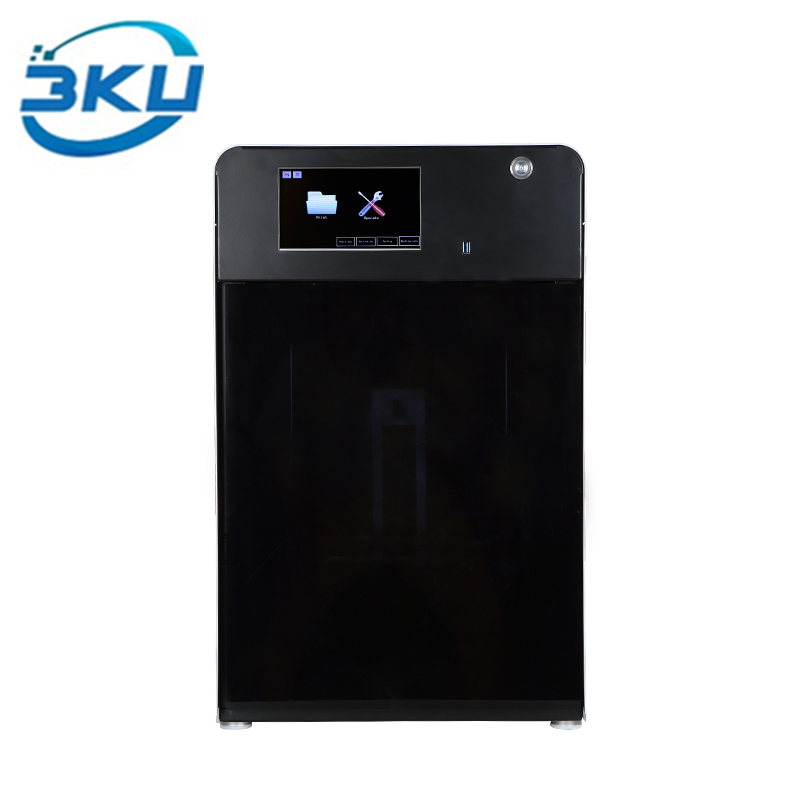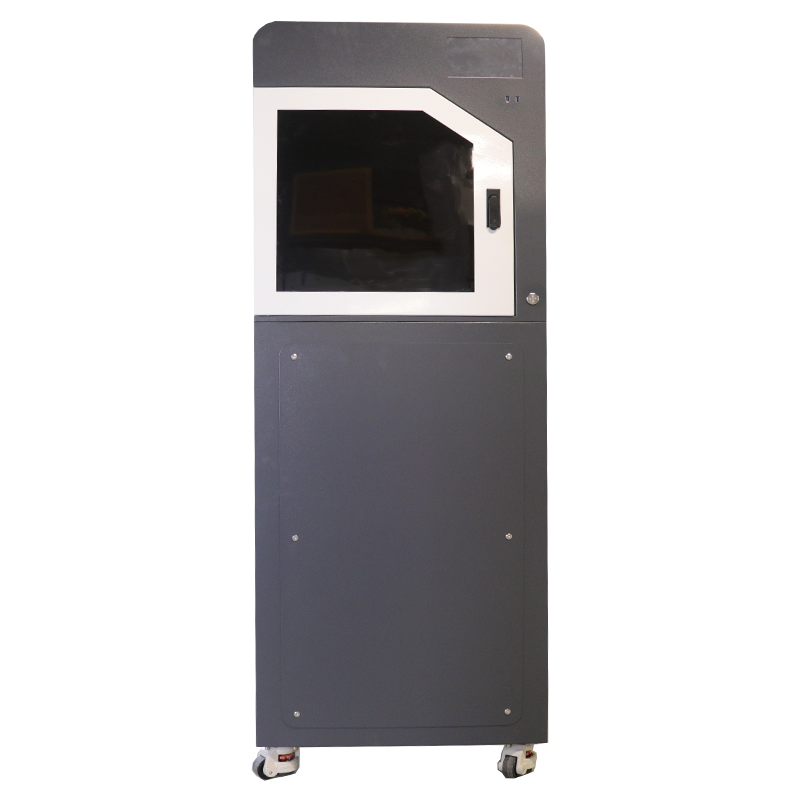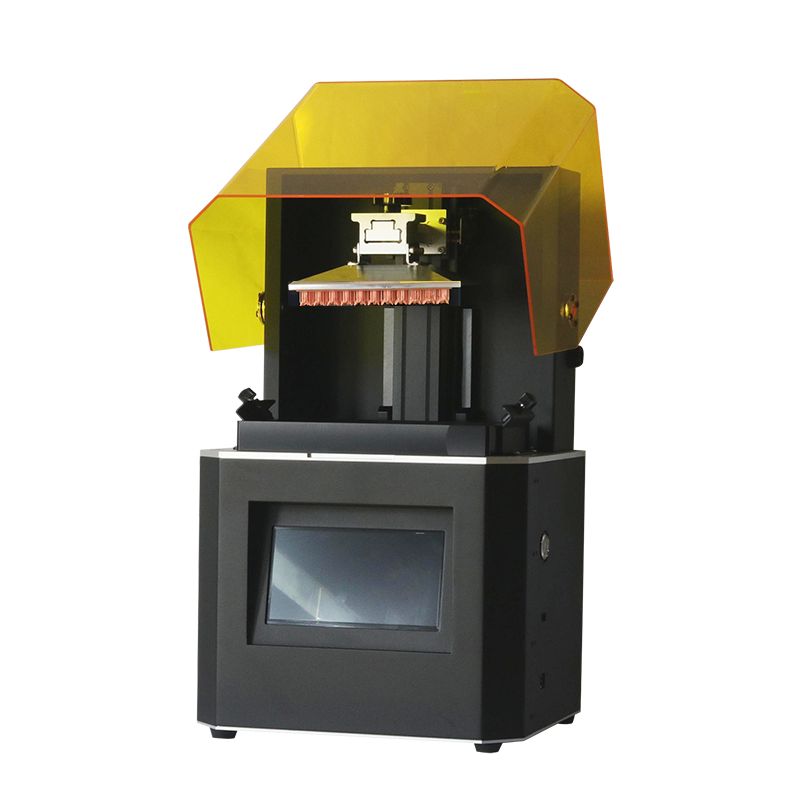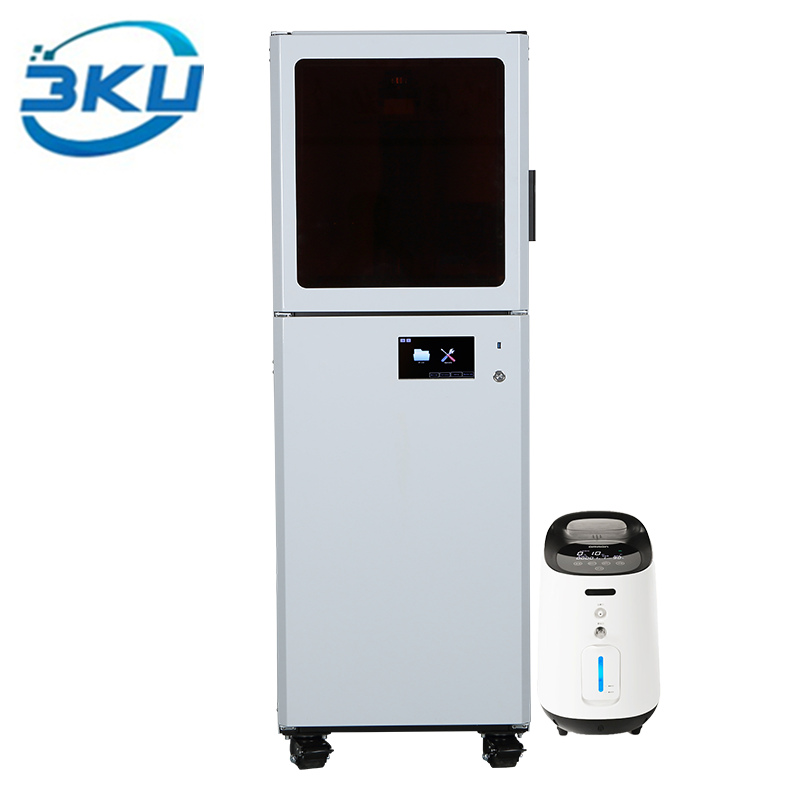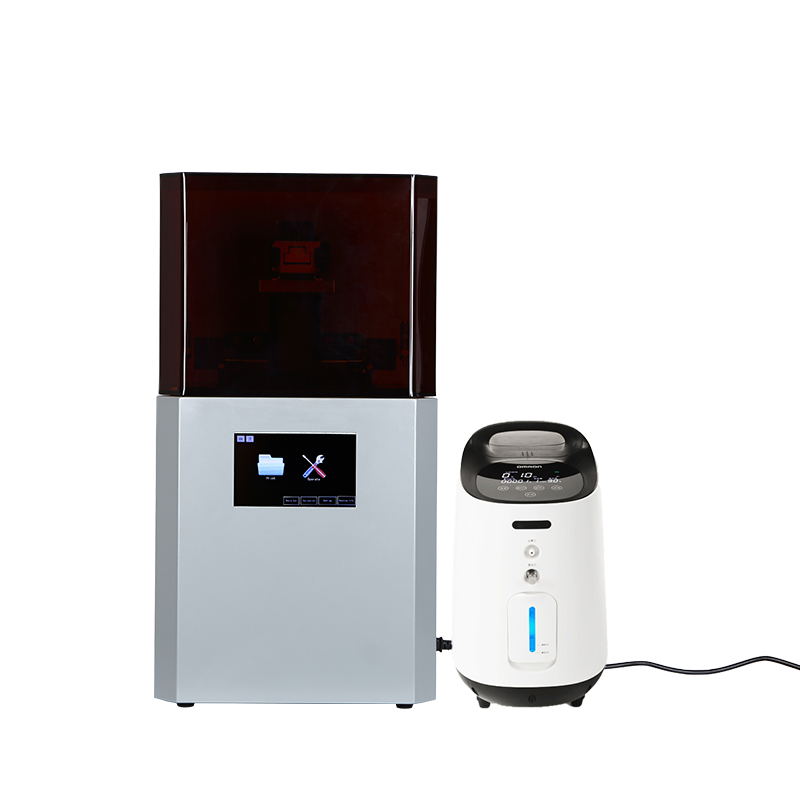
Choosing the right 3D printer ceramic for specific applications can be a complex task, especially for B2B buyers in the manufacturing and industrial sectors. With various printing technologies available, including FDM, DLP, and SLA, understanding how each option aligns with your project requirements is crucial. This article will guide you through selecting the right ceramic 3d printer, key specifications to consider, common challenges and solutions, installation tips for optimal performance, and the differences between FDM, DLP, and SLA technologies.
Selecting the appropriate 3D printer for ceramic applications involves evaluating several factors. First, consider the specific use case—whether for dental, jewelry, or precise molding. Each application may have different requirements in terms of precision, strength, and aesthetic finish.
Next, assess the material compatibility with the printer's technology. Ceramic materials can vary significantly in terms of properties and processing needs, impacting the choice of printer. It's essential to confirm that the printer can handle the specific ceramic formulations you intend to use.
Finally, consider customization options that may be necessary for your projects, such as software capabilities or printer functionalities. A manufacturer like Shenzhen 3KU Technology and Science Co., LTD can provide tailored solutions that align with your operational needs.
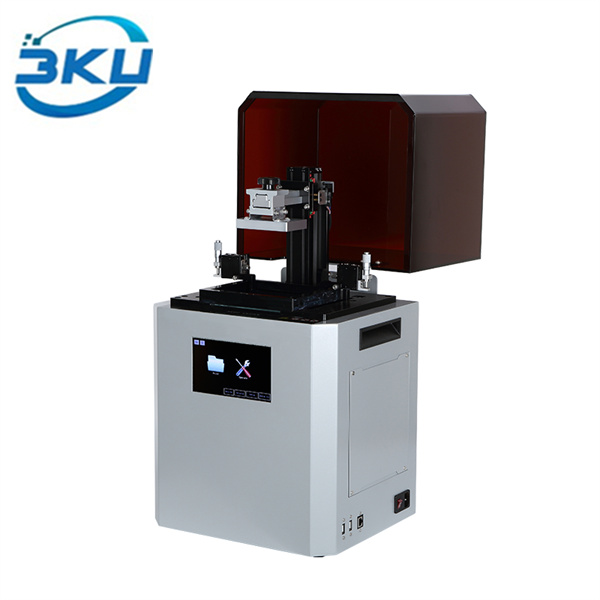
When evaluating 3D printers for ceramic applications, several key specifications should be prioritized:
Build Volume: The dimensions of the printer's build area determine the maximum size of the objects you can produce. Ensure the build volume meets your project requirements.
Layer Resolution: This specification indicates the thickness of each layer the printer can produce. A smaller layer height typically results in higher detail but may increase printing time.
Material Compatibility: Confirm that the printer can work with the specific types of ceramic materials you plan to use, including clay bodies, porcelain, or other ceramic composites.
Print Speed: Depending on your production timeline, the speed at which the printer can produce parts may be a crucial factor. Balance the speed with the quality of the output.
Software Features: Look for user-friendly software that allows for easy customization and control over the printing process, including temperature settings and material flow rates.
By focusing on these specifications, buyers can ensure that the chosen 3D printer will meet their production needs effectively.
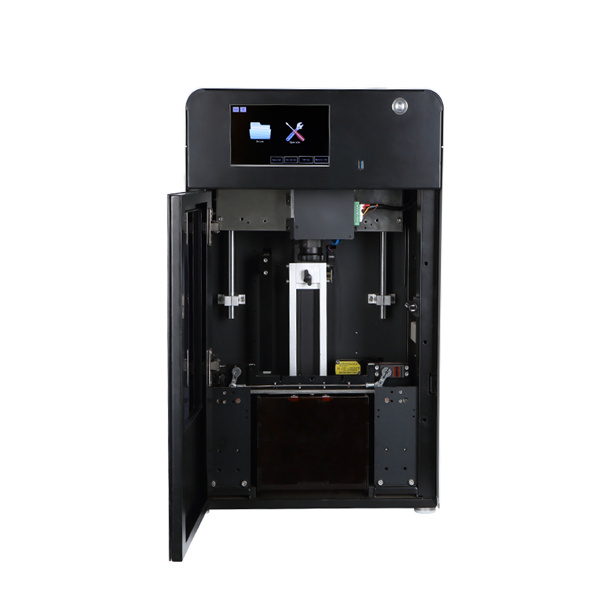
While shenzhen 3KU 3D printing offers many advantages, buyers should be aware of common issues that can arise during the printing process. These include:
Clogged Nozzles: This can occur due to improper material flow or contamination. Regular maintenance and cleaning of the printer can help prevent this issue.
Warping and Cracking: Ceramic materials may experience warping or cracking during the cooling phase. Implementing controlled cooling processes and ensuring proper bed adhesion can mitigate this issue.
Inconsistent Layer Bonding: Variability in material flow or temperature settings can lead to poor layer adhesion. Buyers should ensure that the dental 3d printer settings are optimized for the specific ceramic material being used.
Addressing these challenges proactively can help maintain efficiency and quality in production.
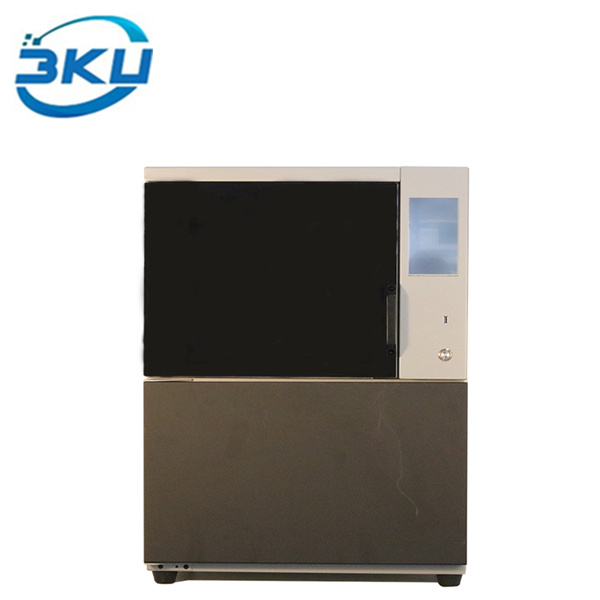
Proper installation is critical to maximizing the performance of your shenzhen 3KU 3D ceramic printer. Here are some essential steps to consider:
Site Preparation: Ensure that the installation site is clean, well-ventilated, and has a stable power supply. Adequate space for maintenance and operation is also essential.
Calibration: After installation, calibrate the printer according to the manufacturer's guidelines. This includes leveling the print bed and adjusting the nozzle height to ensure accurate prints.
Material Handling: Proper storage and handling of ceramic materials are vital. Ensure materials are kept in a dry environment to prevent moisture absorption, which can affect print quality.
Training: If available, take advantage of training sessions provided by the manufacturer. Familiarity with the printer's features and capabilities can significantly enhance operational efficiency.
By following these installation guidelines, buyers can set their 3D ceramic printers up for success.
The founder of our company has been working on 3D printers since 2012, starting with FDM, DLP, SLA. He is convinced that "3d technology will lead another industrial revolution". We strive to provide more Dlp printer and technical support to 3d printer enthusiasts who believe in us strongly! We have the best priced tower packaging. We provide considerate support and quickly respond to market needs.
Shenzhen 3KU Technology and Science Co. LTD was founded in 2014. In just a few years of promoting and advancing our brand, 3KU is well-known to 3d printer fans and users. We offer a wide variety of technical assistance, which includes printing technology, post-processing, 3d printing and jewelry, and lifetime warranty. We offer highly professional service and technology. We can solve printing and casting problems across various fields.
Our printers are applied across a range of industries, such as Ceramic 3d printer, Temples, Dentals, Ceramics, etc.. We offer a wide range of customized services. We provide a broad range of customized services, including the design of the packaging along with the software, branding, packaging and many other functions. We provide our customers with 3D printers for the cheapest prices with high quality, functionality and efficacy.
Based on a unique design and structure, especially our outstanding research team, our printers can be found in various industries, including Dental cast and crown, Jewelry cast, 3d pottery printer, Precise Molding, ect. We offer free samples. We can print stl files on our printers and show you how they operate and the results before purchasing.
Copyright © Shenzhen 3KU Technology and Science Co., LTD. All Rights Reserved Privacy Policy Blog
 EN
 AR
 BG
 HR
 CS
 DA
 NL
 FI
 FR
 DE
 EL
 HI
 IT
 JA
 KO
 NO
 PL
 PT
 RO
 RU
 ES
 SV
 TL
 IW
 ID
 SR
 SK
 SL
 VI
 ET
 HU
 TH
 TR
 FA
 MS
 GA
 CY
 BE
 IS
 MY