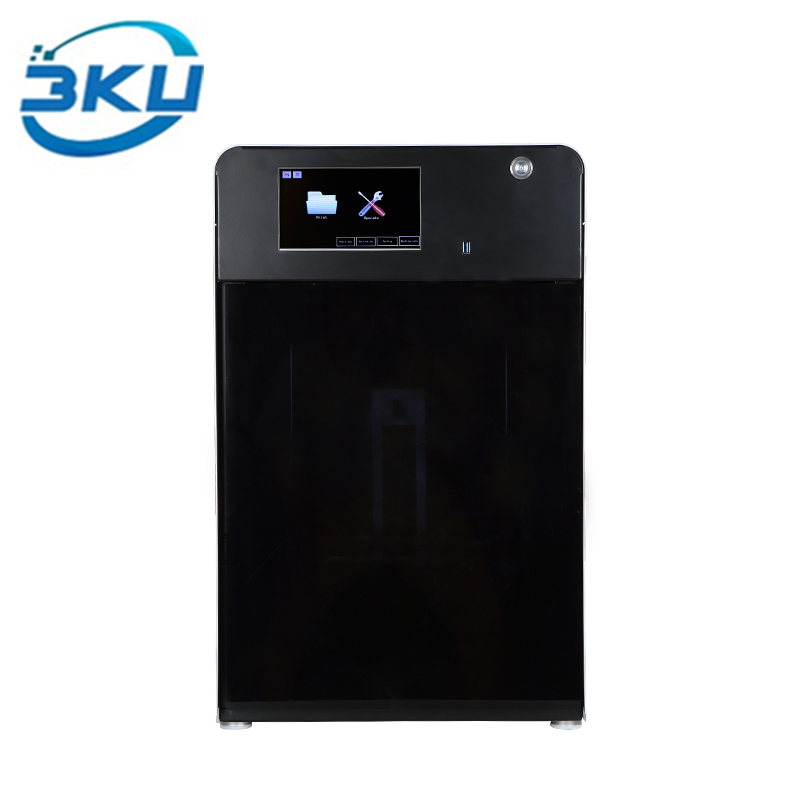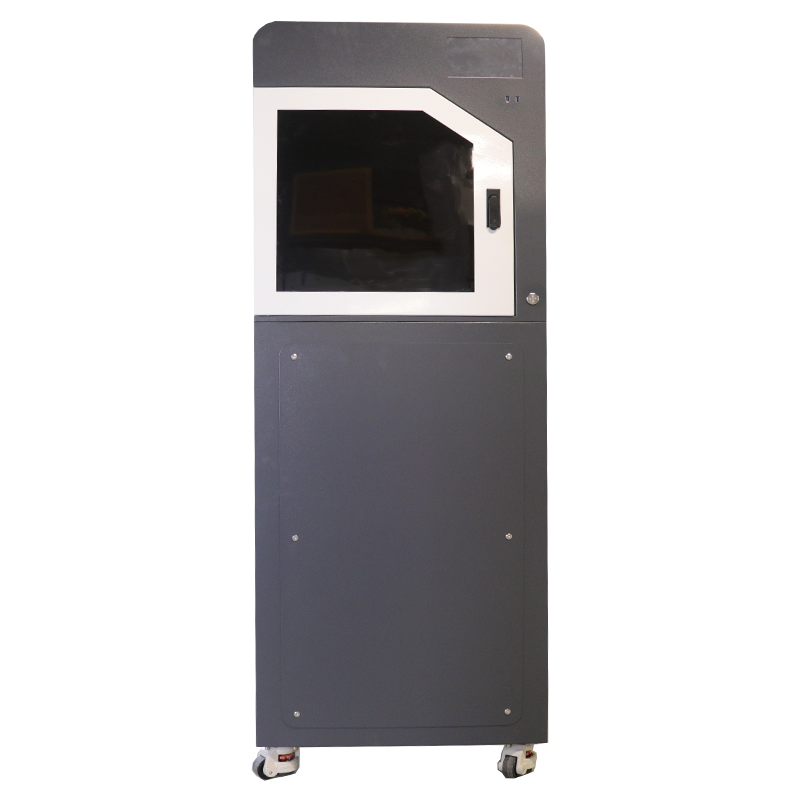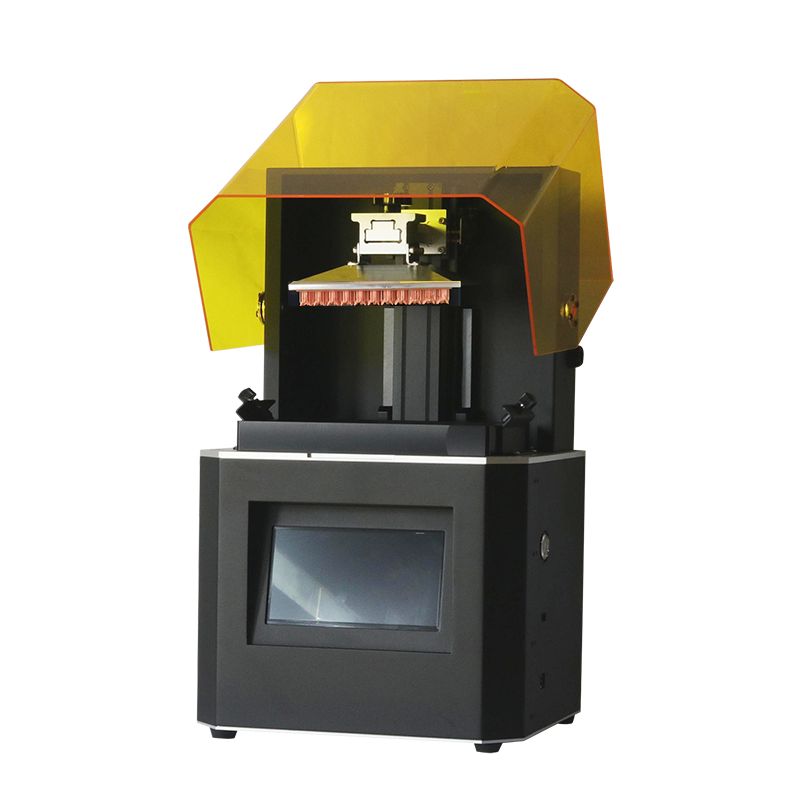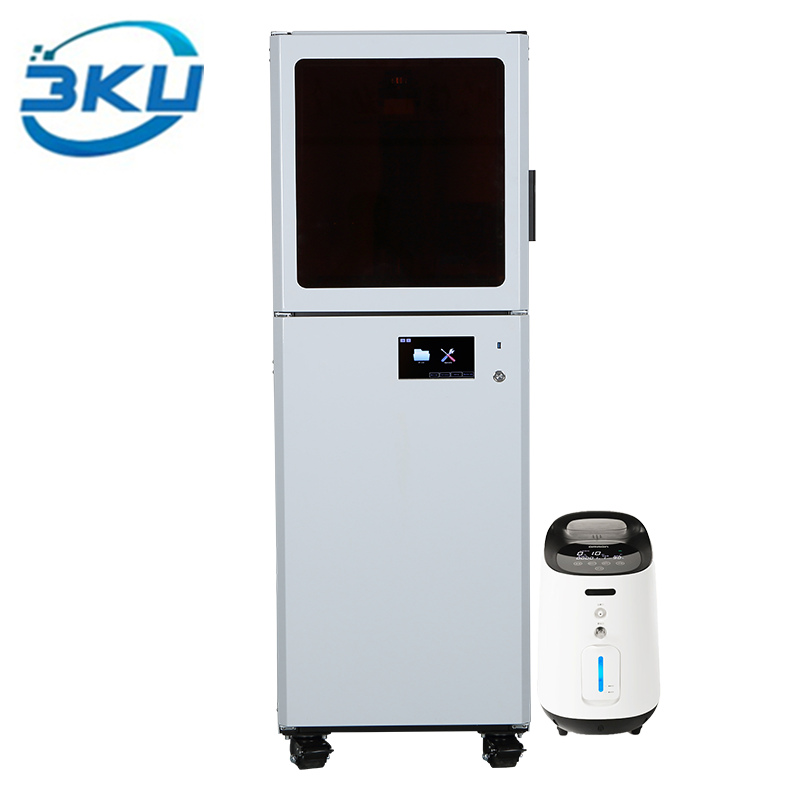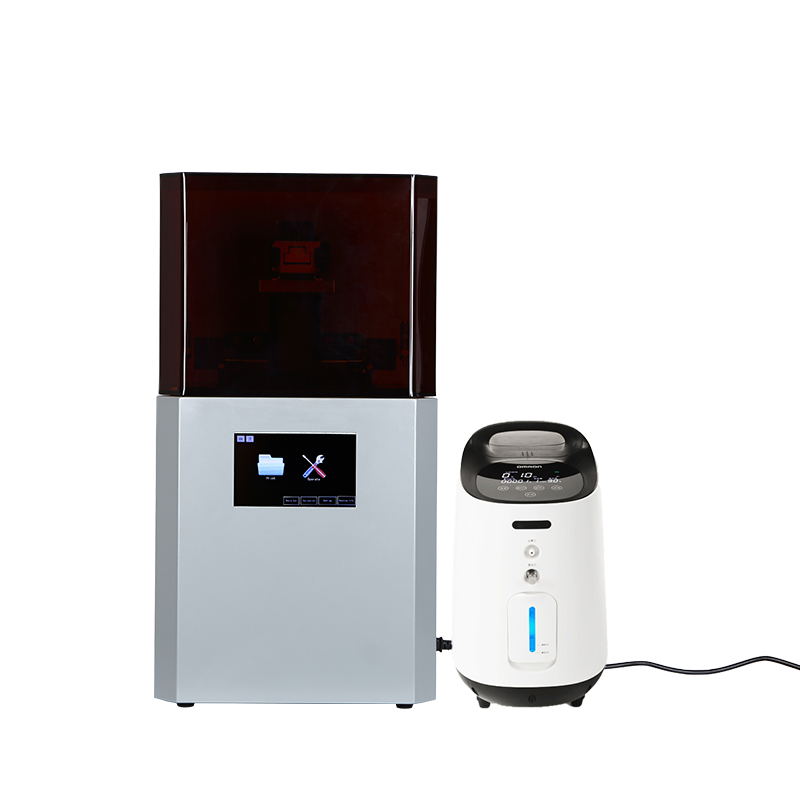
3D printing technology has revolutionized how products are designed and manufactured, particularly in the footwear industry. The ability to 3D print a shoe allows for unprecedented levels of customization, efficiency, and innovation. B2B buyers, including purchasing managers and product developers, often seek detailed information on material options, production capabilities, and potential challenges associated with precision 3d printing footwear. This article will provide insights into key specifications to consider, solutions for distributors, common issues encountered in the process, sourcing reliable suppliers, and the advantages of different materials for 3D printed shoes.
When evaluating the specifications for 3D printed shoes, several factors must be taken into account to ensure optimal performance and suitability for the intended application. Key specifications include:
Material Type: The choice of material directly impacts the durability, comfort, and performance of the shoe. Common materials used in 3D printing footwear include thermoplastic polyurethane (TPU), which offers flexibility and resilience, and nylon, known for its strength and lightweight properties.
Print Resolution: This refers to the layer height and the precision of the precise 3d printer. Higher resolution generally results in smoother surfaces and more intricate designs, which can be crucial for aesthetic appeal and comfort.
Fit and Sizing: Customization in sizing can greatly enhance user comfort. It is essential to ensure that the 3D printing process accommodates variations in foot shapes and sizes, which may require detailed fitting measurements.
Structural Integrity: Evaluating the strength of the shoe is critical, especially for performance applications. Buyers should consider testing the printed samples for load-bearing capabilities and wear resistance under actual use conditions.
Production Speed and Capacity: The ability to produce shoes quickly and in various sizes affects lead times and inventory management. Understanding the production capabilities of the 3D printer is vital for meeting demand.
By focusing on these specifications, buyers can make informed decisions that align with their product development goals.
Distributors looking to expand their product offerings with 3D printed shoes can benefit from various solutions tailored to their needs. Key solutions include:
Customization Services: Offering personalized designs or modifications can attract a wider customer base. This includes options for different colors, patterns, and functionalities tailored to specific markets, such as sports or fashion.
Technical Support: Providing access to technical guidance on the 3D printing process can enhance the distributor’s credibility. This support includes recommendations on material selection, troubleshooting common printing issues, and operational training.
Sample Production: Distributors should consider offering samples of 3D printed shoes to clients. This allows potential buyers to assess the quality, fit, and aesthetics before committing to bulk orders.
Marketing Materials: Equipping distributors with comprehensive marketing materials that highlight the benefits of most precise 3d printer footwear can help them effectively communicate the value proposition to end-users.
By implementing these solutions, distributors can improve customer satisfaction and drive sales in the competitive footwear market.
Despite the advantages of 3D printing, several challenges can arise during the production of shoes. Awareness of these common problems and their solutions can help streamline the process:
Inconsistent Print Quality: Variability in print quality can result from machine calibration issues or material inconsistencies. Regular maintenance and calibration of the 3D printer are essential. Additionally, using high-quality, consistent materials can mitigate this problem.
Delamination: This occurs when layers of the printed material do not adhere properly, often due to insufficient temperature settings or subpar material. Ensuring that the printer settings are optimized for the selected material and conducting proper pre-print checks can help prevent delamination.
Design Limitations: Certain designs may not translate well into 3D printing due to overhangs or unsupported structures. Working with experienced designers who understand the constraints of 3D printing can help create designs that are both innovative and manufacturable.
Post-Processing Requirements: Many 3D printed shoes require post-processing, such as sanding or sealing, to achieve the desired finish. Establishing a clear workflow that includes post-processing steps can enhance the final product quality.
By proactively addressing these common issues, manufacturers can improve the efficiency of their shoe production processes.
Finding reliable suppliers for 3D printed shoes is crucial for ensuring consistent quality and timely delivery. Here are some tips for sourcing suppliers:
Industry Networks: Engage with industry associations and attend trade shows dedicated to 3D printing and footwear. These events provide opportunities to meet potential suppliers and evaluate their products firsthand.
Supplier Directories: Utilize online directories and platforms that specialize in 3D printing manufacturers. Look for suppliers with a proven track record in the footwear industry and positive customer reviews.
Certifications and Standards: Verify any certifications that suppliers may hold, such as ISO standards, which can indicate a commitment to quality and reliability. This is particularly important in industries where durability and safety are paramount.
Request Samples: Before entering into a business relationship, request samples of the supplier’s 3D printed shoes. This allows buyers to assess the quality, fit, and performance of the product.
By following these steps, buyers can ensure they partner with reputable suppliers who meet their quality and production requirements.
Since 2012, our founder has worked on 3d printers, all the way from FDM to 3d printing alumina, SLA. He is convinced that "3d technology is going to bring about another industrial revolution". We strive to provide more support for technical and service issues to those who love 3D Printers and strongly support us! We provide a friendly service and respond quickly to changes in the market.
Our 3d printing and jewelry have been utilized in a variety of industries, including Jewelry, Temples Dentals, Ceramics and more. Our custom services are ideal. The customized services include the appearance design, customized logo, software design, more functionality and the personalized packaging. We provide our customers with 3D printers at the most affordable prices, and with the highest quality, utility and efficiency.
Our printers, founded on an original layout, design and structure, but more importantly our outstanding team of researchers use in a 3d printing and jewelry of sectors like Dental castings and crowns Jewelry casts, Garage Kits, Precise Moldings, etc. You can request free samples. We can print STL files on our printers and show you how they function as well as the results before purchasing.
Shenzhen 3KU Technology and Science Co. LTD was 3d print ceramic in 2014. Within a few years of developing and marketing our brand, 3KU is known well by 3d printer users and fans. We provide complete technical support, printing technology, post processing, casting methods and lifetime warranty. We can provide highly professional technology and customizing services to help with casting and printing issues in various areas.
Copyright © Shenzhen 3KU Technology and Science Co., LTD. All Rights Reserved Privacy Policy Blog
 EN
 AR
 BG
 HR
 CS
 DA
 NL
 FI
 FR
 DE
 EL
 HI
 IT
 JA
 KO
 NO
 PL
 PT
 RO
 RU
 ES
 SV
 TL
 IW
 ID
 SR
 SK
 SL
 VI
 ET
 HU
 TH
 TR
 FA
 MS
 GA
 CY
 BE
 IS
 MY