
 EN
EN
 AR
AR
 BG
BG
 HR
HR
 CS
CS
 DA
DA
 NL
NL
 FI
FI
 FR
FR
 DE
DE
 EL
EL
 HI
HI
 IT
IT
 JA
JA
 KO
KO
 NO
NO
 PL
PL
 PT
PT
 RO
RO
 RU
RU
 ES
ES
 SV
SV
 TL
TL
 IW
IW
 ID
ID
 SR
SR
 SK
SK
 SL
SL
 VI
VI
 ET
ET
 HU
HU
 TH
TH
 TR
TR
 FA
FA
 MS
MS
 GA
GA
 CY
CY
 BE
BE
 IS
IS
 MY
MY

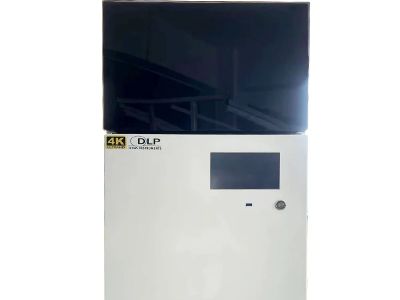
Zirconia 3D printing has emerged as a revolutionary technology in the dental industry, enabling the production of high-quality dental restorations with remarkable precision and efficiency. This article explores why zirconia 3D printing is increasingly favored for dental applications, addressing key concerns such as material properties, printer selection, cost considerations, specifications and common challenges in the workflow. By understanding these aspects, dental professionals can make informed decisions when integrating 3D printing technology into their practices.
Understanding Zirconia 3D Printing Applications in Dental Manufacturing
Zirconia is a ceramic material known for its excellent mechanical properties, biocompatibility, and aesthetic qualities, making it an ideal choice for various dental applications. In the context of 3D printing, zirconia can be used to manufacture crowns, bridges, implants, and other dental prosthetics. The primary advantage of zirconia in dental applications lies in its strength and durability. Compared to traditional materials, zirconia offers superior fracture resistance, which is crucial for long-lasting dental restorations. Moreover, its aesthetic appeal, similar to natural teeth, allows for highly aesthetic restorations that blend seamlessly with the surrounding dental structures. Additionally, the precision of 3d printing jewelry technology enables the production of complex geometries that are often challenging to achieve with conventional manufacturing methods. This capability not only enhances the overall fit and function of the restorations but also reduces the time required for manual adjustments during fitting.
How to Choose the Right Zirconia 3D Printer for Dental Use?
Selecting the appropriate zirconia 3D printer for dental applications involves several considerations. First, assess the printer's compatibility with zirconia materials. Not all 3D printers are designed to handle the unique properties of zirconia, so it is essential to verify that the printer can effectively process this material. Next, consider the printer's build volume and resolution. A larger build volume allows for the production of multiple dental parts in one print, which can optimize workflow efficiency. High resolution is critical for capturing intricate details, ensuring that restorations fit accurately in the patient’s mouth.
Another vital factor is the software used for design and printing. Advanced software can facilitate seamless integration with CAD systems, enabling precise modeling and adjustments before printing. Additionally, look for printers that offer comprehensive technical support and resources. Shenzhen 3KU Technology and Science Co., LTD, for example, provides lifetime technical support and printing technology guidance, ensuring that users can resolve issues as they arise.
Comparing Zirconia 3D Printing Costs for Dental Applications
Cost is a significant consideration for any dental practice looking to invest in 3D printing technology. The total cost of ownership for a zirconia 3D printer includes not only the initial purchase price but also operational expenses such as materials, maintenance, and training. When comparing costs, evaluate the price of zirconia materials as well. High-quality zirconia may come at a premium but can provide better performance and aesthetics, ultimately reducing the need for replacements or repairs. Furthermore, consider the speed of the 3d printing and jewelry process. Faster printers can produce more restorations in less time, which can lead to increased profitability for the practice. Another cost aspect to consider is the potential reduction in labor costs. With a streamlined workflow using 3D printing, dental technicians may spend less time on manual adjustments and fitting, allowing them to focus on higher-value tasks.
Key Specifications of Zirconia 3D Printers for Dental Professionals
When evaluating zirconia 3D printers, several key specifications should be considered:
Layer Thickness: The thickness of each layer impacts the final resolution of the printed objects. A thinner layer thickness can produce finer details but may increase printing time.
Print Speed: The speed at which the printer operates can significantly affect productivity. Faster print speeds can lead to quicker turnaround times for dental restorations.
Material Compatibility: Ensure that the printer is designed to work with various types of zirconia and can accommodate different formulations based on the specific dental application.
Post-Processing Requirements: Many 3d printing alumina prints require additional steps such as sintering. Understanding the post-processing needs and how they integrate with the printer is crucial.
Software Integration: Look for printers that offer robust software solutions that can handle complex designs and facilitate easy modification of 3D models.
These specifications are essential for ensuring that the chosen printer meets the unique demands of dental professionals, allowing for the production of high-quality, reliable restorations.
Common Problems with Zirconia 3D Printing in Dental Workflows
While zirconia 3D printing offers numerous advantages, there are common problems that dental practices may encounter. One notable challenge is the handling of zirconia powder and the printing environment. Zirconia is sensitive to moisture, and proper storage and handling are crucial to prevent contamination and ensure optimal printing results. Another issue can arise during the sintering process, where improper temperature control can lead to warping or cracking of the printed parts. Dental professionals should closely monitor the sintering process and ensure that the specifications for temperature and duration are strictly followed.
Additionally, achieving consistent print quality can be challenging, especially when scaling production. Variability in material properties or printer calibration can result in discrepancies in the fit and finish of the restorations. Regular maintenance, calibration checks, and using high-quality materials are essential for minimizing these risks. Lastly, communication between dental professionals and lab technicians is vital. Ensuring that design specifications are clear and understood can prevent miscommunication that might lead to errors in the printed restorations. By understanding these common challenges and proactively addressing them, dental practices can leverage zirconia 3D printing technology effectively, enhancing their service offerings and improving patient outcomes.
Table of Contents
- Understanding Zirconia 3D Printing Applications in Dental Manufacturing
- How to Choose the Right Zirconia 3D Printer for Dental Use?
- Comparing Zirconia 3D Printing Costs for Dental Applications
- Key Specifications of Zirconia 3D Printers for Dental Professionals
- Common Problems with Zirconia 3D Printing in Dental Workflows