
 EN
EN
 AR
AR
 BG
BG
 HR
HR
 CS
CS
 DA
DA
 NL
NL
 FI
FI
 FR
FR
 DE
DE
 EL
EL
 HI
HI
 IT
IT
 JA
JA
 KO
KO
 NO
NO
 PL
PL
 PT
PT
 RO
RO
 RU
RU
 ES
ES
 SV
SV
 TL
TL
 IW
IW
 ID
ID
 SR
SR
 SK
SK
 SL
SL
 VI
VI
 ET
ET
 HU
HU
 TH
TH
 TR
TR
 FA
FA
 MS
MS
 GA
GA
 CY
CY
 BE
BE
 IS
IS
 MY
MY

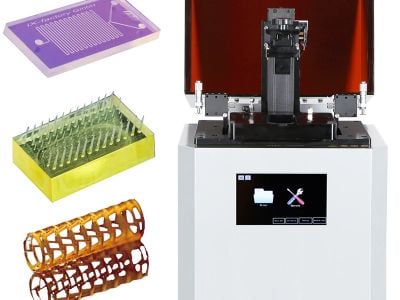
3D print ceramic technology has emerged as a transformative solution for small-batch production across various industries. This technology enables manufacturers to create intricate ceramic components with precision and efficiency, catering to niche markets that demand high-quality, customized products. B2B buyers often face concerns about material suitability, production capabilities, and quality assurance. This article will delve into how 3D print ceramic technology supports small-batch production, highlighting key applications, quality evaluation methods, installation guidance, and common challenges faced during the process.
How 3D Print Ceramic Technology Enhances Small-Batch Production?
3D printing technology, particularly in ceramics, streamlines the production of small batches by reducing lead times and minimizing waste. Traditional ceramic manufacturing methods often require extensive tooling and setup, making them less ideal for small runs. In contrast, 3D printing allows for rapid prototyping and iteration, enabling manufacturers to quickly adapt to changing design requirements or customer specifications. The ability to produce complex geometries is another significant advantage of 3d printing jewelry. Manufacturers can create intricate designs that might be impossible or prohibitively expensive with traditional methods. This capability is especially beneficial in sectors like dental and jewelry manufacturing, where customization and precision are paramount. Moreover, the technology supports a wide range of ceramic materials, enhancing versatility and application suitability. For buyers, understanding the production capabilities of 3D print ceramic technology is essential. Factors such as material selection, equipment compatibility, and the specific design requirements of the project should be carefully evaluated to ensure successful outcomes in small-batch production.
Key Applications of 3D Printed Ceramics in Manufacturing
The versatility of 3D printed ceramics opens doors to various applications across multiple industries. In the dental sector, for example, 3D printing is used to create custom dental implants, crowns, and bridges, which require high precision and biocompatibility. The ability to produce these components in small batches allows dental labs to respond quickly to patient needs and reduce inventory costs. In the jewelry industry, designers leverage 3D print ceramic technology to create bespoke pieces with intricate details that traditional casting methods struggle to achieve. This flexibility in design enables jewelers to cater to unique customer requests without the burden of large-scale production runs. Additionally, ceramic 3d printer ceramics find applications in precise molding processes, where custom molds can be created for short production runs of specialized parts. This is particularly relevant in industries like aerospace and automotive, where unique components often require limited production quantities. Understanding these applications can help buyers identify how 3D printed ceramics can meet their specific needs, ensuring they select the right technology and manufacturing partner for their projects.
Evaluating the Quality of 3D Printed Ceramic Products
Quality evaluation is critical in the procurement of 3D printed ceramic products. Buyers should consider several key factors to ensure they receive high-quality components. First, the material composition is crucial; different ceramic materials exhibit varying properties such as strength, thermal resistance, and chemical stability. Buyers must confirm that the selected material meets the specific performance requirements of its intended application. Next, dimensional accuracy is essential. Before proceeding with mass production, it is advisable to request sample parts for inspection. This step allows buyers to verify the fit and finish of the components, ensuring they align with design specifications. Dimensional checks can include tolerance evaluations, surface roughness measurements, and visual inspections for defects. Furthermore, buyers should inquire about the manufacturer’s quality control processes. Certifications related to quality management systems (such as ISO 9001) can provide assurance of consistent quality standards. Manufacturers should also be willing to provide data on their testing methods and results, which can help buyers assess the reliability of the products they are purchasing.
Installation Guidance for 3D Printed Ceramic Components
Proper installation of 3D printed ceramic components is vital to ensure optimal performance in their intended applications. Before installation, it is crucial to review the manufacturer's guidelines regarding handling and assembly. Given the brittle nature of ceramics, care should be taken to prevent damage during transport and installation. Buyers should also consider the compatibility of the ceramic components with existing systems or assemblies. For example, if the ceramic part is intended to interface with metal components, it is essential to ensure that the dimensions align correctly and that any required fittings or fasteners are readily available. Additionally, some ceramic components may require specific environmental conditions during installation. For example, temperature controls may be necessary if the ceramic will be subjected to high thermal loads. Buyers should confirm these requirements with the manufacturer to avoid installation errors that could compromise the product's integrity or performance.
Common Problems in 3D Printing Ceramics and Their Solutions
While 3D printing ceramic components offers numerous advantages, several challenges can arise during the process. One common issue is warping or cracking during the printing or cooling phases. This can occur due to rapid temperature changes or improper support structures. To mitigate this, manufacturers should optimize their printing parameters, including layer height, printing speed, and cooling rates. Another challenge is material consistency. Variations in raw material quality can lead to inconsistencies in the final product. Buyers should ensure that their suppliers source materials from reputable suppliers and conduct regular quality checks. Finally, post-processing requirements can pose difficulties. Many 3D printed ceramic parts require additional treatments, such as sintering or glazing, to achieve the desired mechanical properties and surface finish. Buyers should inquire about these post-processing steps and confirm that the manufacturer has the necessary capabilities to handle them effectively. By understanding these common issues and their solutions, buyers can better prepare for potential challenges, ensuring a smoother procurement and production process. 3d print ceramic technology offers a flexible and efficient solution for small-batch production, meeting the demands of various industries while allowing for customization and rapid prototyping. By considering the key applications, quality evaluation methods, installation guidance, and common challenges detailed, B2B buyers can make informed decisions when integrating 3D printed ceramics into their manufacturing processes.