
 EN
 AR
 BG
 HR
 CS
 DA
 NL
 FI
 FR
 DE
 EL
 HI
 IT
 JA
 KO
 NO
 PL
 PT
 RO
 RU
 ES
 SV
 TL
 IW
 ID
 SR
 SK
 SL
 VI
 ET
 HU
 TH
 TR
 FA
 MS
 GA
 CY
 BE
 IS
 MY

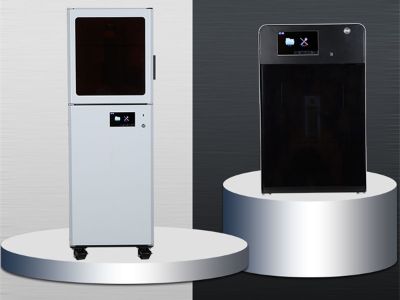
Top down DLP printing represents a significant advancement in 3D printing technology, particularly for applications involving ceramic materials. This method offers precise control over ceramic layer formation, which is crucial for industries like dental, jewelry, and precise molding. As a B2B buyer, understanding how top down DLP printing influences ceramic layer quality is essential for making informed purchasing decisions. We will explore the key aspects of top down dlp printing, focusing on its impact on ceramic layer quality, specifications, sourcing reliable suppliers, and ensuring consistent quality in printed ceramics.
How Top Down DLP Printing Enhances Ceramic Layer Quality Control?
Top down DLP (Digital Light Processing) printing employs a unique approach where the print head is positioned above the resin vat. This configuration allows for better control over the curing process of the ceramic layers. The key advantage lies in the ability to illuminate larger areas simultaneously, which results in faster print times and more uniform layer formation.
The precision of layer formation is critical in applications like dental prosthetics, where even minor discrepancies can lead to functional problems and patient dissatisfaction. Top down DLP printing minimizes common defects such as warping or improper layer adhesion, which can occur with traditional bottom-up methods. By ensuring that each layer is properly cured before the next one is added, manufacturers can achieve higher dimensional accuracy and surface finish quality.
Additionally, the ability to customize the light intensity and exposure time for different layers enables manufacturers to optimize the mechanical properties of the final product. This customization is particularly beneficial when working with various ceramic materials, each with unique curing requirements.
Key Specifications for Top Down DLP Printing in Ceramic Applications
When evaluating top down DLP printers for ceramic applications, several key specifications should be considered:
Resolution: The printer's resolution determines the level of detail achievable in the final product. A higher resolution allows for finer features and smoother surfaces, which is essential in industries like dental and jewelry.
Build Volume: Understanding the build volume is crucial for determining whether the dlp printer can meet your production needs. Larger build volumes allow for the creation of multiple parts in a single print run, enhancing efficiency.
Layer Thickness: The typical layer thickness for DLP printing can range from 25 to 100 microns. A thinner layer thickness can improve surface quality but may increase print time. Conversely, thicker layers may reduce detail but speed up production.
Material Compatibility: Ensure that the printer is compatible with the specific ceramic materials you plan to use. Different ceramics may require specific curing parameters to achieve optimal results.
Curing Time: The curing speed of the printer affects overall production times. Faster curing times can lead to increased throughput but may require careful calibration to avoid defects.
Evaluating these specifications will help ensure that the selected printer aligns with your production goals and quality standards.
Where to Source Reliable Suppliers for Top Down DLP Printers?
Finding a reliable supplier for top down DLP printers is crucial for ensuring consistent quality and support. Here are some strategies to identify trustworthy manufacturers:
Industry Recommendations: Leverage industry contacts and professional networks to get recommendations for reputable suppliers. Existing users can provide insights into their experiences with specific manufacturers.
Certifications and Compliance: Check whether the supplier has relevant industry certifications, which can indicate a commitment to quality standards. Certifications such as ISO 9001 can be beneficial.
Product Demonstrations: Request product demonstrations or samples to evaluate the printer's performance firsthand. Observing the machine in action can provide valuable insights into its capabilities and ease of use.
Customer Support: Consider the level of after-sales support offered by the supplier. Reliable technical support and warranty options can save time and resources in the long run.
Customization Capabilities: Suppliers that offer customization options can better cater to your specific needs, whether it's modifications to the printer or unique material formulations.
By following these strategies, you can identify suppliers that not only meet your technical requirements but also align with your business values.
Comparing Top Down DLP Printing Solutions for Ceramic Layering
When comparing different top down DLP printing solutions, it's essential to assess their features, pros, and cons. Here are some factors to consider:
Print Speed: Some printers may offer faster print speeds but at the cost of resolution. Assess your prioritization of speed vs. detail based on your application needs.
User Interface and Software: The ease of use of the printer’s software can significantly impact your operational efficiency. Look for models with intuitive interfaces that streamline the printing process.
Maintenance Requirements: Understand the maintenance needs of each printer. Regular maintenance is necessary to ensure consistent performance, and some models may require more frequent servicing than others.
Cost of Consumables: Evaluate the cost and availability of consumables, including resin and replacement parts. A lower initial investment may be offset by high ongoing costs, impacting your overall budget.
Customer Reviews: Research user reviews and case studies to gauge the reliability and performance of specific printer models in real-world applications.
By thoroughly comparing these aspects, you can select a solution that not only meets your technical specifications but also aligns with your operational goals.
How to Ensure Consistent Quality in Top Down DLP Printed Ceramics?
Maintaining consistent quality in top down DLP printed ceramics involves several critical practices:
Material Quality: Always use high-quality ceramic resins designed for DLP printing. Inadequate materials can lead to defects and inconsistencies in the final product.
Calibration and Maintenance: Regularly calibrate the printer dlp to ensure that the light intensity and exposure times are set correctly. This helps prevent issues like under-curing or over-curing.
Sample Approval: Before proceeding with mass production, request a sample of the printed ceramics to verify that they meet your specifications. Testing samples under actual conditions can reveal potential issues.
Quality Control Processes: Implement rigorous quality control measures throughout the printing process. This includes visual inspections, dimensional checks, and mechanical property testing.
Supplier Collaboration: Work closely with your printer supplier to address any challenges and ensure that you are utilizing the printer to its full potential. This partnership can help you navigate technical challenges and optimize production.
By adopting these practices, you can enhance the consistency and quality of your top down DLP printed ceramics, ultimately leading to higher customer satisfaction and reduced waste.
Table of Contents
- How Top Down DLP Printing Enhances Ceramic Layer Quality Control?
- Key Specifications for Top Down DLP Printing in Ceramic Applications
- Where to Source Reliable Suppliers for Top Down DLP Printers?
- Comparing Top Down DLP Printing Solutions for Ceramic Layering
- How to Ensure Consistent Quality in Top Down DLP Printed Ceramics?