
 EN
 AR
 BG
 HR
 CS
 DA
 NL
 FI
 FR
 DE
 EL
 HI
 IT
 JA
 KO
 NO
 PL
 PT
 RO
 RU
 ES
 SV
 TL
 IW
 ID
 SR
 SK
 SL
 VI
 ET
 HU
 TH
 TR
 FA
 MS
 GA
 CY
 BE
 IS
 MY

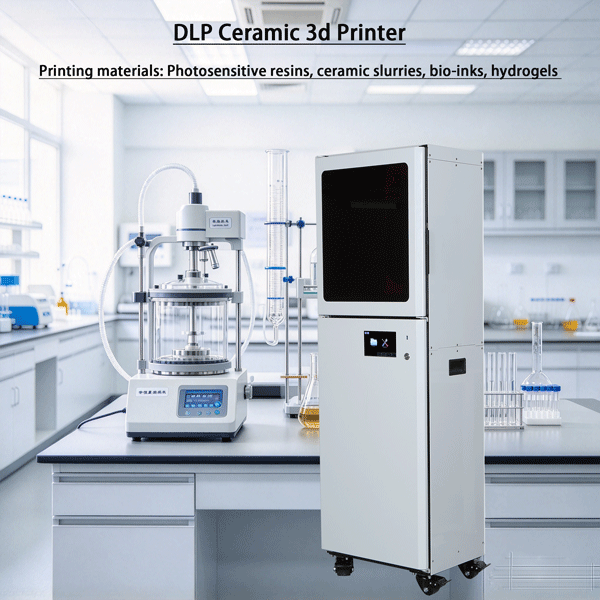
Ceramic 3D printers are specialized machines designed to produce high-quality ceramic components through additive manufacturing processes. For businesses focusing on ceramics, understanding what ceramic 3D printers need for stable production is critical. Key buyer concerns often include specifications, quality assurance, production consistency, and cost factors. This article will delve into essential specifications, quality evaluation methods, common printing challenges, cost considerations for bulk orders, and installation guidance to help you make informed purchasing decisions.
What Specifications Are Essential for Ceramic 3D Printers?
When evaluating ceramic 3D printers, several specifications are crucial for ensuring stable production. These include:
Print Resolution: Measured in microns, higher resolutions allow for finer detail in finished products. This is particularly important for applications in dental and jewelry industries, where precision is paramount.
Build Volume: The printer’s build volume determines the maximum size of the object that can be printed. For manufacturers focusing on larger components or multiple smaller items, selecting a printer with an adequate build volume is essential.
Layer Thickness: This affects the speed and quality of printing. Thinner layers can enhance detail but may increase print time, while thicker layers might reduce quality but improve speed.
Material Compatibility: Ensure the printer can handle the specific ceramic materials you intend to use, as different ceramics have unique properties and processing requirements.
Temperature Control: Ceramic 3D printing service often requires precise temperature management to ensure that the materials are processed correctly. Printers with advanced thermal controls can help prevent warping or cracking during the printing process.
Understanding these specifications enables buyers to select a ceramic 3D printer that meets their specific production needs and quality standards.
How to Evaluate the Quality of Ceramic 3D Printers for Wholesale?
Evaluating the quality of ceramic 3D printers involves several steps that can help ensure you make a sound investment:
Sample Testing: Before committing to a bulk order, request samples of printed parts. This allows you to assess print quality, accuracy, and surface finish firsthand.
Manufacturer Reputation: Research the manufacturer's history and customer feedback. A company with a track record of producing reliable 3D printers is usually a safer choice.
Certification and Standards: Verify if the printers meet industry standards and certifications relevant to your application. This can include safety certifications and compliance with specific manufacturing standards.
Technical Support and Warranty: Assess the level of customer support and warranty offered. A reliable support system can mitigate risks associated with equipment failure or operational challenges.
Cost of Ownership: Consider not just the initial purchase price but also the long-term costs of maintenance, materials, and potential upgrades.
By carefully evaluating these factors, you can ensure that you choose a ceramic 3D printer that aligns with your quality expectations and operational requirements.
Common Problems in Ceramic 3D Printing and Their Solutions
Ceramic 3D printing can present specific challenges that may affect production stability. Here are some common problems and potential solutions:
Cracking During Drying: Ceramic 3D printer can crack during the drying phase due to rapid moisture loss. To mitigate this, implement controlled drying conditions, such as gradual temperature increases and humidity control.
Inconsistent Layer Adhesion: Poor adhesion between layers can lead to structural weaknesses. This issue can often be resolved by optimizing print parameters, such as temperature and speed, or by adjusting the material formulation.
Warping: Warping can occur if the printed object cools unevenly. Using a heated build plate or enclosing the print chamber can help maintain a consistent temperature, reducing the risk of warping.
Material Feed Issues: Blockages in the feeding mechanism can halt production. Regular maintenance and cleaning of the feeding system can help prevent these interruptions.
Surface Quality Problems: If the surface finish is not satisfactory, consider adjusting the layer thickness or post-processing techniques such as sanding or glazing.
Being aware of these common issues and their solutions will help you maintain stable production and improve the quality of the final ceramic products.
Understanding the Cost Factors for Bulk Orders of 3D Printers
When planning to purchase ceramic 3D printers in bulk, several cost factors should be considered:
Initial Purchase Price: The upfront cost of the printers can vary significantly based on specifications and features. Compare different models to find the best fit for your budget.
Customization Costs: If you require specific modifications or customizations, factor in these additional expenses. Custom features may include software adaptations or special hardware configurations.
Shipping and Handling: Consider the logistics involved in shipping bulk orders. Shipping costs can be significant, especially for heavy machinery, so inquire about shipping options and costs from the manufacturer.
Training and Installation: Depending on the complexity of the printers, you may need to invest in training for your staff or professional installation services. This can add to the total cost but is essential for maximizing the printer’s capabilities.
Long-term Maintenance: Assess the ongoing maintenance costs, including replacement parts, consumables, and technical support agreements. These expenses can accumulate over time and impact your overall budget.
By understanding these cost factors, you can better prepare for a bulk purchase and ensure that your investment aligns with your financial capabilities.
Installation Guidance for Optimal Performance of Ceramic 3D Printers
Proper installation is critical to achieving optimal performance from your ceramic 3D printing machine. Here are some key considerations:
Site Preparation: Ensure that the installation site meets the printer’s environmental requirements, including temperature and humidity control. A stable environment helps maintain print quality and equipment longevity.
Calibration: After installation, take the time to calibrate the printer according to the manufacturer’s specifications. Proper calibration ensures that the printer operates efficiently and produces high-quality prints.
Software Setup: Install and configure the printing software according to your production needs. Familiarize your team with the software functionalities to maximize the printer’s capabilities.
Regular Maintenance Schedule: Establish a routine maintenance schedule to keep the printer in optimal condition. This includes cleaning, checking for wear and tear, and updating software as necessary.
Training: Provide adequate training for your staff to ensure they understand how to operate the printer safely and effectively. Knowledgeable operators can significantly reduce the likelihood of errors and production downtime.
By following these installation guidelines, you can enhance the performance and reliability of your ceramic 3D printers, ultimately contributing to a stable production environment.
Table of Contents
- What Specifications Are Essential for Ceramic 3D Printers?
- How to Evaluate the Quality of Ceramic 3D Printers for Wholesale?
- Common Problems in Ceramic 3D Printing and Their Solutions
- Understanding the Cost Factors for Bulk Orders of 3D Printers
- Installation Guidance for Optimal Performance of Ceramic 3D Printers