
 EN
EN
 AR
AR
 BG
BG
 HR
HR
 CS
CS
 DA
DA
 NL
NL
 FI
FI
 FR
FR
 DE
DE
 EL
EL
 HI
HI
 IT
IT
 JA
JA
 KO
KO
 NO
NO
 PL
PL
 PT
PT
 RO
RO
 RU
RU
 ES
ES
 SV
SV
 TL
TL
 IW
IW
 ID
ID
 SR
SR
 SK
SK
 SL
SL
 VI
VI
 ET
ET
 HU
HU
 TH
TH
 TR
TR
 FA
FA
 MS
MS
 GA
GA
 CY
CY
 BE
BE
 IS
IS
 MY
MY

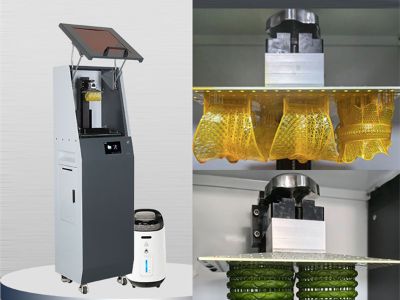
Understanding the properties of ceramic slurry is crucial for achieving optimal results in 3D printing applications. As a key component in additive manufacturing processes, the characteristics of ceramic slurries can significantly impact print quality, material strength, and final product performance. This article aims to help purchasing managers, engineers, and product managers understand what ceramic slurry properties affect dlp 3d printer results, guiding them in making informed decisions when sourcing and selecting these materials.
Understanding What Ceramic Slurry Properties Enhance 3D Printing Quality
Ceramic slurry properties that influence 3D printing outcomes include viscosity, particle size, solid content, and pH levels. Viscosity is vital as it affects the flowability of the slurry during the printing process. A slurry that is too thick may clog the 3d print ceramic nozzle, while a slurry that is too thin may not hold its shape during printing.
Particle size also plays a significant role; finer particles can lead to smoother surfaces and higher resolution prints but may require precise control of the printing parameters to avoid settling issues. Solid content is another critical factor, as it determines the density and mechanical strength of the printed object. A balance must be struck, as higher solid content can enhance strength but may also lead to increased viscosity, complicating the printing process. Lastly, pH levels can affect the stability and reactivity of the slurry, impacting the final product's properties. Understanding and optimizing these parameters can significantly enhance print quality and reliability.
How to Choose the Right Ceramic Slurry for Your 3D Printing Needs?
Choosing the right ceramic slurry involves considering the specific application requirements and the intended final properties of the printed object. Start by assessing the desired mechanical properties, such as strength and flexibility, which may dictate the type of ceramic materials used in the slurry. Additionally, evaluate the printing technology whether FDM, DLP, or SLA as different technologies have unique requirements for slurry viscosity and solid content.
It's also essential to consider the compatibility of the slurry with the chosen 3D printer. Manufacturers like Shenzhen 3KU Technology and Science Co., LTD offer various printers designed for specific applications, and understanding the technical specifications of both the precise 3d printer and the slurry can help avoid compatibility issues. Furthermore, buyers should request samples to conduct preliminary tests, ensuring that the slurry meets their specific print quality expectations before committing to a larger order.
Key Specifications for Evaluating Ceramic Slurry in 3D Printing
When evaluating ceramic slurries for 3D printing, several key specifications should be prioritized:
Viscosity: Measured in centipoise (cP), this indicates how easily the slurry flows. A viscosity of 500-1000 cP is often ideal for various applications, but this can vary based on the printer.
Solid Content: Expressed as a percentage, this defines the amount of ceramic material in the slurry. Typical solid contents range from 30% to 60%, depending on application needs.
Particle Size Distribution: Typically measured in microns, a narrow distribution can provide better packing density, leading to improved mechanical properties in the final print.
pH Level: The stability of the slurry can be affected by pH, with a neutral pH (around 7) generally preferred to avoid reactions that could alter the slurry properties.
Additives: Understanding any additives used in the slurry formulation, such as dispersants or binders, can help determine their impact on the printing process and final product functionality.
By comparing these specifications against the requirements of their project, buyers can identify the most suitable ceramic slurry for their specific 3D printing applications.
Sourcing Ceramic Slurry for Manufacturing
Sourcing ceramic slurry involves identifying reliable suppliers who can provide consistent quality and meet the specific requirements of your 3D printing applications. When evaluating potential suppliers, consider their manufacturing capabilities, including their expertise in producing ceramic materials and the technology used to ensure product consistency.
Buyers should also inquire about the supplier's quality control processes to ensure that the ceramic slurry meets the required specifications. Certifications related to quality management systems, such as ISO 9001, can indicate a supplier's commitment to maintaining high standards. Additionally, consider the lead times and minimum order quantities (MOQ) required by the supplier, as this can impact production schedules.
Establishing a clear communication channel with the supplier can facilitate better understanding of your needs, including any customization requests for the slurry formulation. This collaboration can enhance product performance and ensure that the slurry is tailored to your specific printing technology.
Common Problems with Ceramic Slurry and Effective Solutions
While working with ceramic slurries, buyers may encounter several common issues that can affect 3D printing results.
Sedimentation: Over time, ceramic particles may settle at the bottom of the slurry container. To combat this, regular agitation or mixing is necessary before use. Additionally, selecting a slurry with appropriate viscosity can reduce sedimentation rates.
Clogging: If the slurry is too viscous or contains large particles, it may clog the printer nozzle. To avoid this, ensure the particle size distribution is appropriate and consider using a thinner slurry or adjusting the printer settings to accommodate the viscosity.
Inconsistent Print Quality: Variations in solid content or improper mixing can lead to inconsistent prints. Implementing strict quality control measures and conducting routine checks on the slurry before production can mitigate these issues.
Surface Defects: If the slurry does not adhere well during printing, surface defects may occur. Adjusting the pH levels or incorporating binders can improve adhesion and reduce defects.
By understanding these common problems and their solutions, purchasing managers and engineers can enhance the efficiency of their 3D printing processes and improve the overall quality of their ceramic components.
Table of Contents
- Understanding What Ceramic Slurry Properties Enhance 3D Printing Quality
- How to Choose the Right Ceramic Slurry for Your 3D Printing Needs?
- Key Specifications for Evaluating Ceramic Slurry in 3D Printing
- Sourcing Ceramic Slurry for Manufacturing
- Common Problems with Ceramic Slurry and Effective Solutions