
 EN
EN
 AR
AR
 BG
BG
 HR
HR
 CS
CS
 DA
DA
 NL
NL
 FI
FI
 FR
FR
 DE
DE
 EL
EL
 HI
HI
 IT
IT
 JA
JA
 KO
KO
 NO
NO
 PL
PL
 PT
PT
 RO
RO
 RU
RU
 ES
ES
 SV
SV
 TL
TL
 IW
IW
 ID
ID
 SR
SR
 SK
SK
 SL
SL
 VI
VI
 ET
ET
 HU
HU
 TH
TH
 TR
TR
 FA
FA
 MS
MS
 GA
GA
 CY
CY
 BE
BE
 IS
IS
 MY
MY

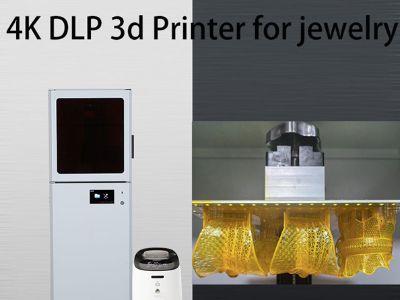
Top Down DLP 3D printers are increasingly utilized for ceramic printing due to their precision and efficiency in creating complex geometries. As a B2B buyer, you may have concerns regarding specifications, material compatibility, and production quality. This article will delve into the reasons why Top Down dlp resin 3d printer are preferred for ceramic applications, addressing key specifications, selection criteria, common issues, installation guidance, and wholesale options for bulk orders.
Key Specifications to Consider for DLP 3D Printers in Ceramics
When evaluating DLP 3D printers for ceramic printing, several key specifications are critical to ensure the quality and fidelity of the final product:
Resolution: The printer's resolution directly affects the detail in the printed ceramic parts. A higher resolution allows for finer details, which is essential in industries like dental and jewelry where precision is paramount.
Build Volume: Depending on the size of your ceramic parts, the printer’s build volume must accommodate your needs. Ensure the dimensions fit your maximum part size while allowing for any necessary support structures.
Layer Thickness: Thinner layers can enhance detail and surface finish but may increase print time. Conversely, thicker layers can speed up production but may sacrifice some detail. Finding the right balance is essential based on the application.
Material Compatibility: Not all DLP printers are designed for ceramic materials. Ensure the printer is optimized for the specific ceramic resin you plan to use, as this can greatly affect the print quality and durability.
Curing Time and Light Source: The type of light source (like LED vs. laser) and the curing time for the resin can influence the overall efficiency of the printing process. Faster curing times are generally preferred for higher throughput.
Understanding these specifications will help you select a dlp sla 3d printer that meets your ceramic printing needs, ensuring high-quality production with minimal issues.
How to Choose the Right Top Down DLP Printer for Your Needs?
Selecting the right Top Down DLP printer involves considering several factors:
Application Requirements: Determine the specific applications for your ceramic prints. For example, dental applications may require higher precision than general prototyping.
Customization Options: Evaluate the manufacturer’s ability to customize the printer’s software and hardware features to fit your operational needs. Customization can include alterations to the print head, build platform, or even user interface adjustments.
Technical Support: Ensure that the manufacturer, like Shenzhen 3KU Technology and Science Co., LTD, offers comprehensive technical support, including lifetime maintenance and technology guidance. This support can be invaluable, especially during the initial stages of integrating the printer into your workflow.
Budget and Cost of Ownership: Consider not only the initial purchase price but also ongoing costs, including material expenses, maintenance, and potential upgrades. Assessing the total cost of ownership will give you a clearer picture of the printer's value.
Reviews and Case Studies: Investigate customer reviews and case studies to understand how the dlp lcd 3d printers performs in real-world applications. Feedback from other users can provide insights into potential issues and advantages.
By carefully evaluating these factors, you can select a Top Down DLP printer that aligns with your operational goals and budgetary constraints.
Common Problems in Ceramic Printing and Their Solutions
Ceramic printing with DLP technology can present several challenges. Here are some common problems and their solutions:
Layer Adhesion Issues: Poor adhesion between layers can lead to weak prints. To address this, ensure that the curing time and light intensity settings are optimized for the ceramic material being used. Conducting test prints may help identify the best settings.
Warping and Cracking: Warping can occur due to uneven cooling or improper material properties. To mitigate this, maintain a controlled environment during and after printing. Additionally, selecting a ceramic resin with lower shrinkage rates can help.
Surface Defects: Surface imperfections may arise from improper print settings or contamination. Regularly clean the build platform and ensure that the resin is free of debris. Fine-tuning layer thickness and exposure times can also improve surface quality.
Post-Processing Challenges: Post-curing is crucial for achieving the final properties of the ceramic part. Ensure that proper post-processing techniques are followed, including the correct duration and intensity of UV light exposure.
By anticipating these issues and implementing effective solutions, you can improve the reliability and quality of your ceramic printing processes.
Installation Guidance for Top Down DLP Printers in Ceramic Projects
Installing a Top Down DLP printer requires careful consideration to ensure optimal performance:
Site Selection: Choose a location with minimal vibration and temperature fluctuations to maintain print quality. A stable, clean workspace will also reduce the risk of contamination.
Power Requirements: Ensure that the electrical supply meets the printer’s specifications. Inadequate power supply can lead to malfunctions or inconsistent performance.
Calibration: After installation, calibrate the printer according to the manufacturer's guidelines. This process may involve leveling the build platform and configuring the printer settings for the specific ceramic material being used.
Safety Considerations: Follow all safety protocols when handling ceramic materials and resins. Personal protective equipment (PPE) should be worn to minimize exposure to fumes and particulates.
Training and Familiarization: Provide thorough training for operators to familiarize them with the printer’s features and settings. This training can significantly reduce the likelihood of user error.
Following these installation guidelines will help ensure that your Top Down DLP printer operates efficiently and effectively in ceramic applications.
Wholesale Options for Bulk Orders of DLP 3D Printers
When considering bulk orders of DLP 3D printers, several factors should be taken into account:
Minimum Order Quantity (MOQ): Verify the manufacturer's MOQ for bulk purchases. Understanding this requirement will help you plan your procurement strategy.
Pricing Discounts: Many manufacturers offer tiered pricing based on order size. Request a detailed quotation that outlines potential discounts for larger orders, which can lead to significant cost savings.
Customization for Bulk Orders: Discuss any customization options for bulk orders, such as tailored software solutions or specific hardware configurations. Customization can enhance the printers' alignment with your operational needs.
Delivery and Lead Times: Inquire about lead times for bulk orders, as these can vary depending on production schedules and availability of materials. Establishing a timeline will help you manage your inventory effectively.
After-Sales Support: Ensure that the manufacturer provides adequate after-sales support for bulk orders, including maintenance and troubleshooting assistance. This support is critical for maintaining the printers' performance over time.
By understanding these factors, you can make informed decisions when sourcing DLP 3D printers for your ceramic printing projects, ensuring a smooth procurement process.
Table of Contents
- Key Specifications to Consider for DLP 3D Printers in Ceramics
- How to Choose the Right Top Down DLP Printer for Your Needs?
- Common Problems in Ceramic Printing and Their Solutions
- Installation Guidance for Top Down DLP Printers in Ceramic Projects
- Wholesale Options for Bulk Orders of DLP 3D Printers