
 EN
EN
 AR
AR
 BG
BG
 HR
HR
 CS
CS
 DA
DA
 NL
NL
 FI
FI
 FR
FR
 DE
DE
 EL
EL
 HI
HI
 IT
IT
 JA
JA
 KO
KO
 NO
NO
 PL
PL
 PT
PT
 RO
RO
 RU
RU
 ES
ES
 SV
SV
 TL
TL
 IW
IW
 ID
ID
 SR
SR
 SK
SK
 SL
SL
 VI
VI
 ET
ET
 HU
HU
 TH
TH
 TR
TR
 FA
FA
 MS
MS
 GA
GA
 CY
CY
 BE
BE
 IS
IS
 MY
MY

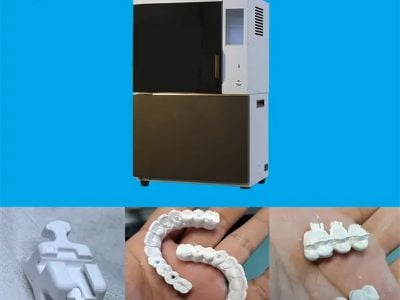
Understanding how flexible resin 3D printers process elastic components is crucial for B2B buyers in manufacturing, especially when it comes to applications requiring custom elasticity and durability. Buyers, such as purchasing managers and product designers, often seek guidance on material selection, printer specifications, and quality assurance to ensure they choose the right technology for their production needs. This article will clarify these topics, helping you make informed decisions about flexible resin 3d printing.
How to Choose Flexible Resin for 3D Printing Elastic Components?
Selecting the appropriate flexible resin is fundamental when 3D printing elastic components. Key considerations include the desired flexibility, tensile strength, and durability of the finished product. Resins are typically categorized by their Shore hardness, which measures flexibility. A lower Shore A value (e. g., 30A) indicates a softer, more elastic material, while higher values (e. g., 80A) yield stiffer products.
Moreover, the application of the component will dictate the resin's chemical resistance and thermal stability. For example, if the component will be exposed to solvents or high temperatures, ensure that the resin can withstand such conditions. Consulting with a manufacturer like Shenzhen 3KU Technology can provide insights into specific resins that meet these criteria, based on their extensive experience in flexible resin printing technology.
Key Specifications of Flexible Resin 3D Printers for Buyers
When evaluating flexible resin 3D printers, several specifications warrant attention. Key aspects include:
Layer Resolution: This affects the surface finish and detail of the printed components. Higher resolutions (measured in microns) lead to smoother surfaces but may increase print time.
Print Speed: Understanding the speed at which the printer can operate is vital for production timelines. Faster printers can significantly reduce lead times for large orders.
Build Volume: Ensure the printer's capacity meets your production needs. Larger components or multiple smaller parts may require a printer with an expansive build area.
Material Compatibility: Confirm that the printer can process the specific 3d print resin flexible you intend to use, as not all printers are compatible with every resin type.
These specifications are central to ensuring that your production process is efficient and that the printed components meet the required performance standards.
Quality Control in Manufacturing Elastic Components with 3D Printers
Quality control is critical in the 3D printing of elastic components to ensure they meet design specifications and functional requirements. Implementing a robust quality assurance process involves several key steps:
Pre-Production Samples: Before mass production, obtain a sample of the printed component to test for fit, flexibility, and surface finish. This step helps identify any potential issues early in the process.
In-Process Monitoring: Regular checks during the printing process can help detect inconsistencies, such as layer misalignment or material issues. Employing sensors and software for real-time monitoring can enhance quality.
Post-Production Testing: After printing, components should undergo testing to assess their mechanical properties, such as tensile strength and elongation at break. This ensures that the final product will perform as expected in its intended application.
By prioritizing quality control, manufacturers can reduce waste and improve customer satisfaction, leading to long-term relationships with buyers.
Where to Source Reliable Suppliers for Flexible Resin 3D Printing?
Finding reliable suppliers for flexible resin 3D printing requires thorough research and evaluation. Start by:
Assessing Manufacturer Capabilities: Look for suppliers with a strong track record in 3D printing technology, particularly those specializing in flexible materials. A manufacturer like Shenzhen 3KU Technology, known for its diverse application of 3D printing in industries such as dental and jewelry, may offer valuable insights and custom solutions.
Reviewing Certifications and Standards: Verify any industry certifications or quality management systems the supplier adheres to, as these can indicate the quality of their products and services.
Seeking Customer Testimonials: Feedback from previous clients can provide insight into the supplier's reliability and product quality. Consider reaching out to existing customers or reviewing case studies.
Requesting Sample Prints: Before committing to a supplier, request samples to evaluate the quality and suitability of their 3D printing capabilities and flexible resins.
These steps will help ensure you partner with a supplier that meets your production requirements and quality expectations.
Cost Factors to Consider When Purchasing Flexible Resin Printers
The cost of flexible resin printers involves several factors that buyers must consider to ensure a balanced investment. Key cost elements include:
Initial Purchase Price: Understand the base price of the printer, but also consider additional costs for accessories and software that may be necessary for optimal operation.
Material Costs: Flexible resins can vary significantly in price based on their formulation and properties. Buyers should assess the long-term material costs based on projected usage and component requirements.
Operational Costs: Evaluate the printer's energy consumption and maintenance needs, as these can impact overall operational expenses. Regular maintenance of printers can prevent costly downtime.
Warranty and Support: Consider the terms of warranty and the level of technical support provided by the manufacturer. Reliable support can save costs in the long run by minimizing production disruptions.
By analyzing these cost factors, buyers can make informed decisions that align with their budget and production goals.
understanding how flexible resin 3D printers process elastic components is essential for B2B buyers in the manufacturing sector. By focusing on material selection, printer specifications, quality control, supplier reliability, and cost factors, buyers can ensure that they make informed decisions that lead to successful production outcomes.
Table of Contents
- How to Choose Flexible Resin for 3D Printing Elastic Components?
- Key Specifications of Flexible Resin 3D Printers for Buyers
- Quality Control in Manufacturing Elastic Components with 3D Printers
- Where to Source Reliable Suppliers for Flexible Resin 3D Printing?
- Cost Factors to Consider When Purchasing Flexible Resin Printers