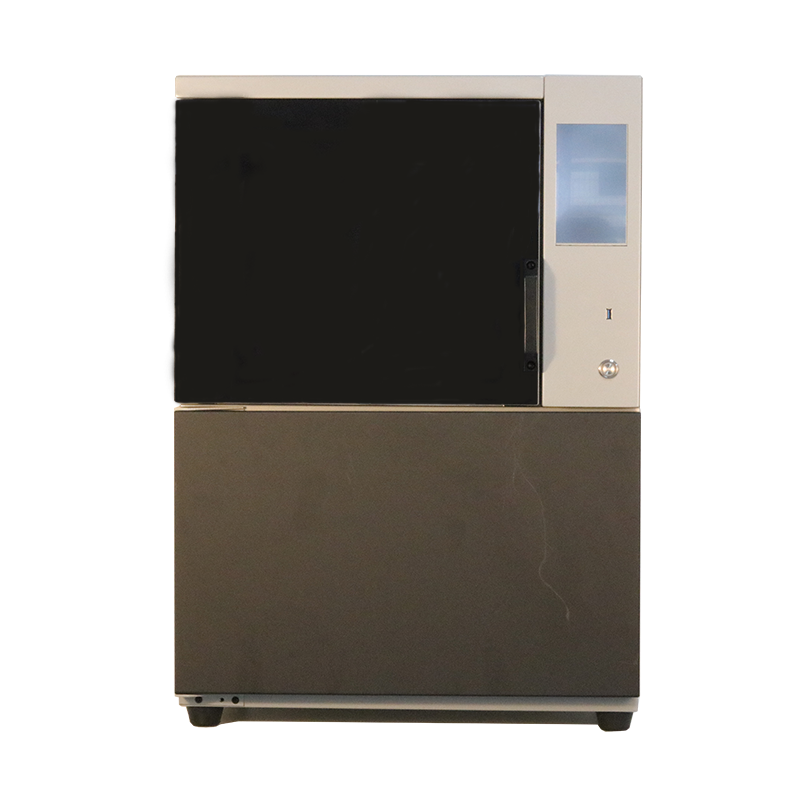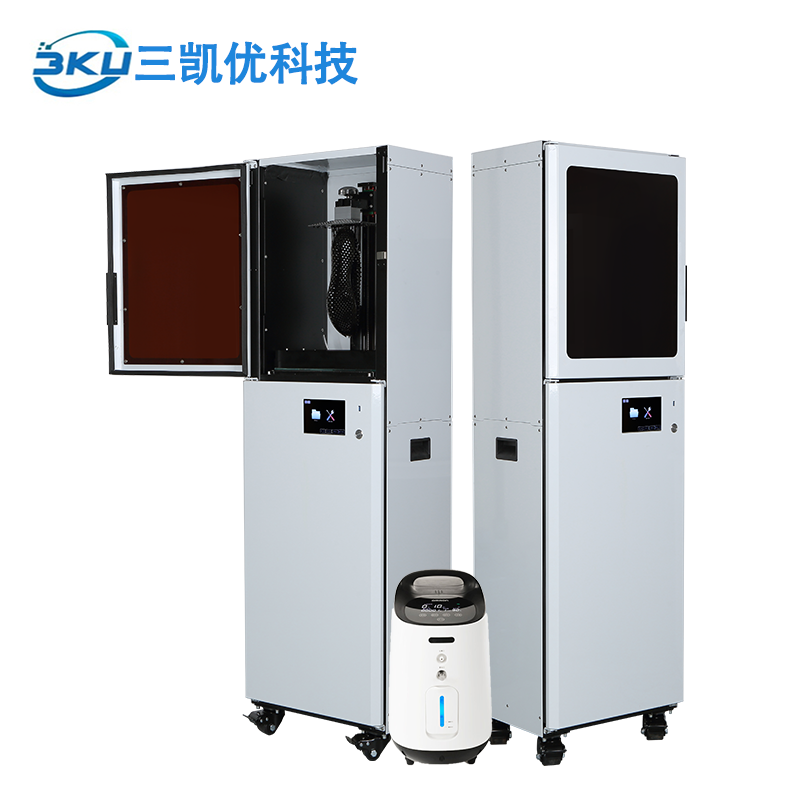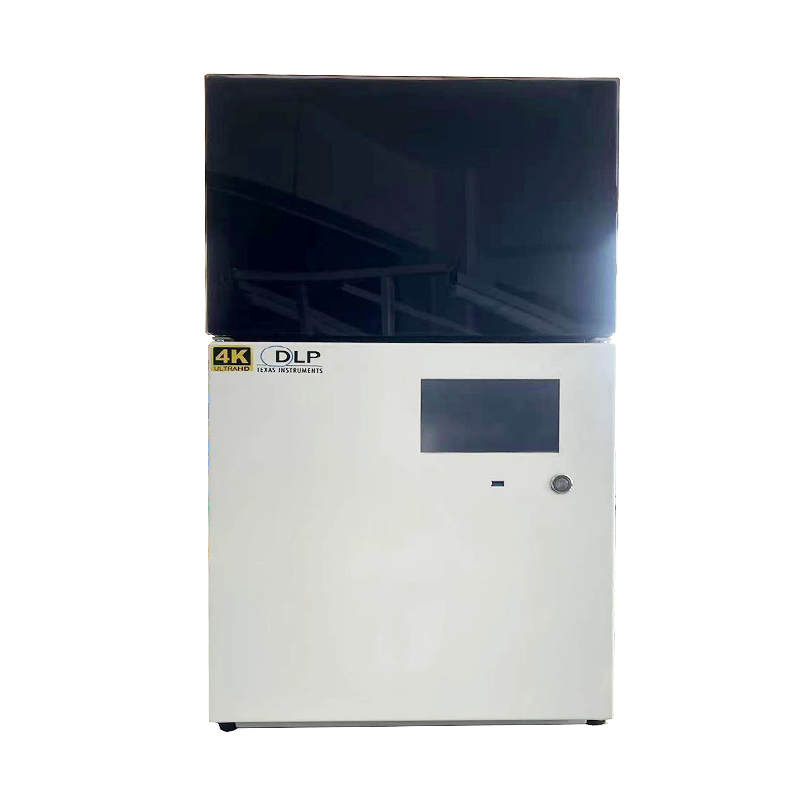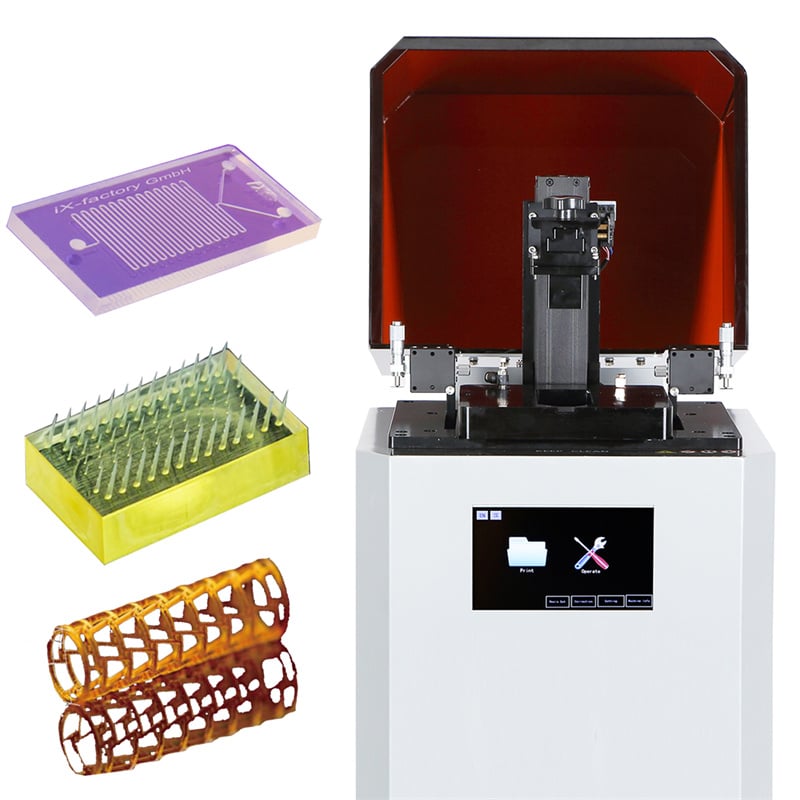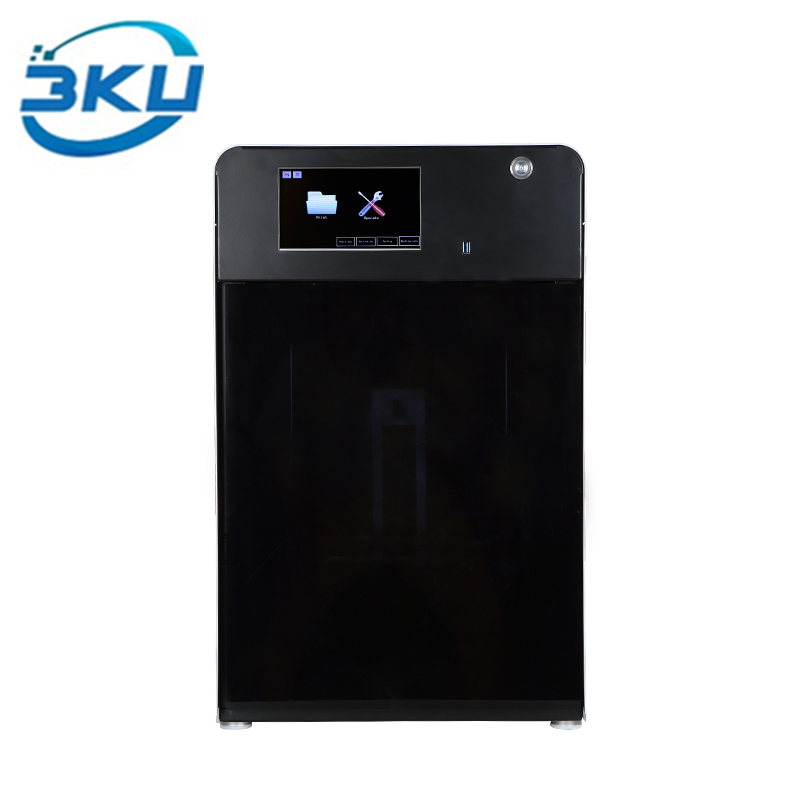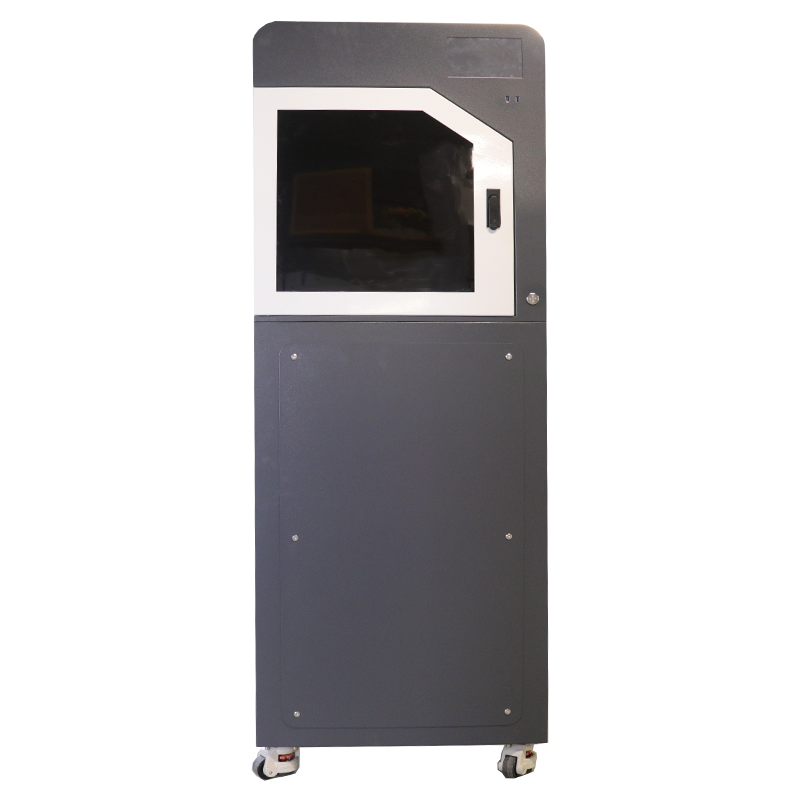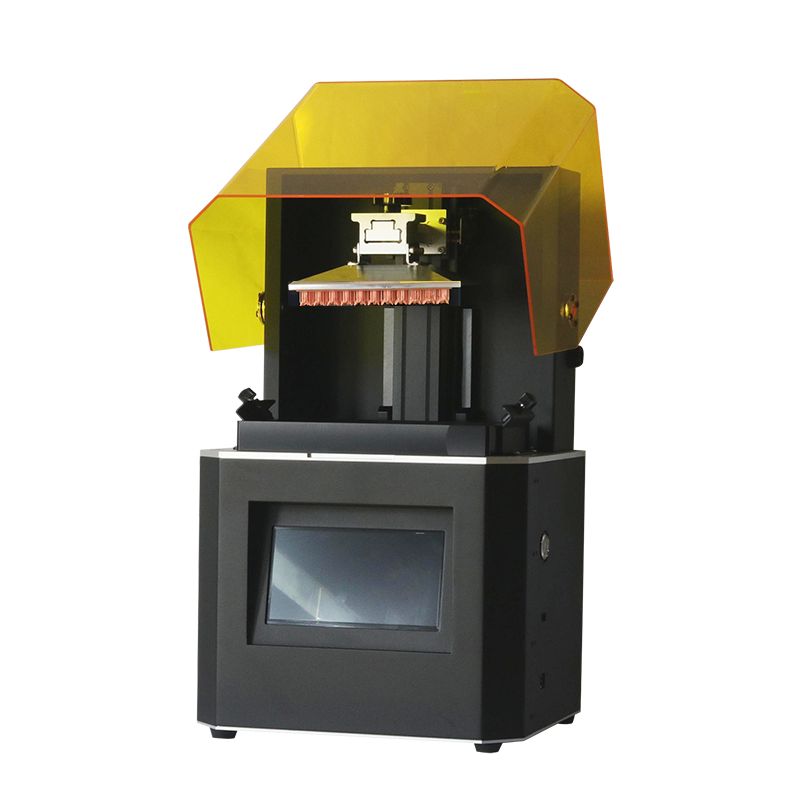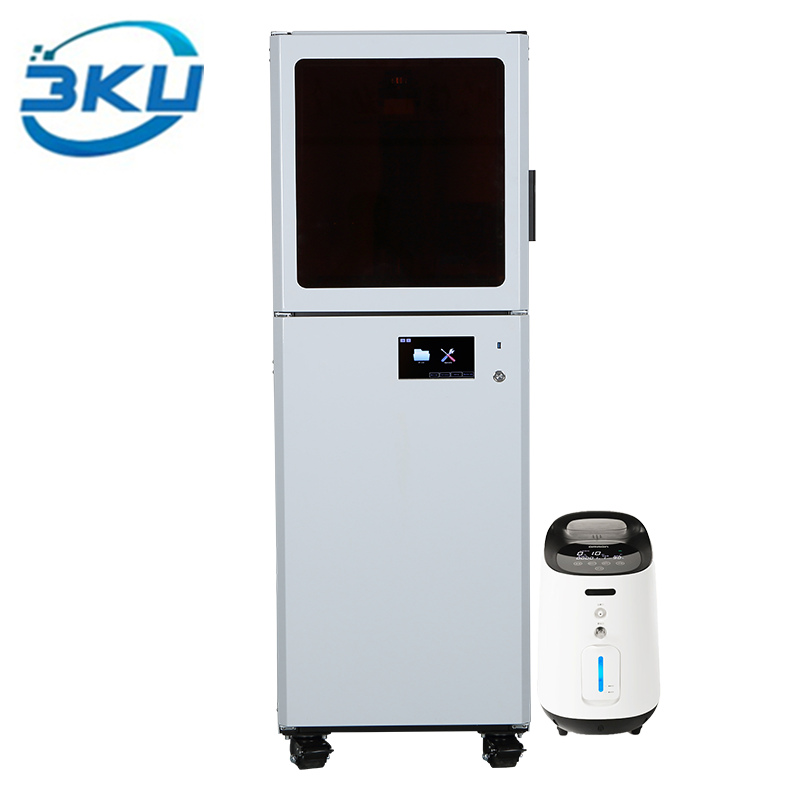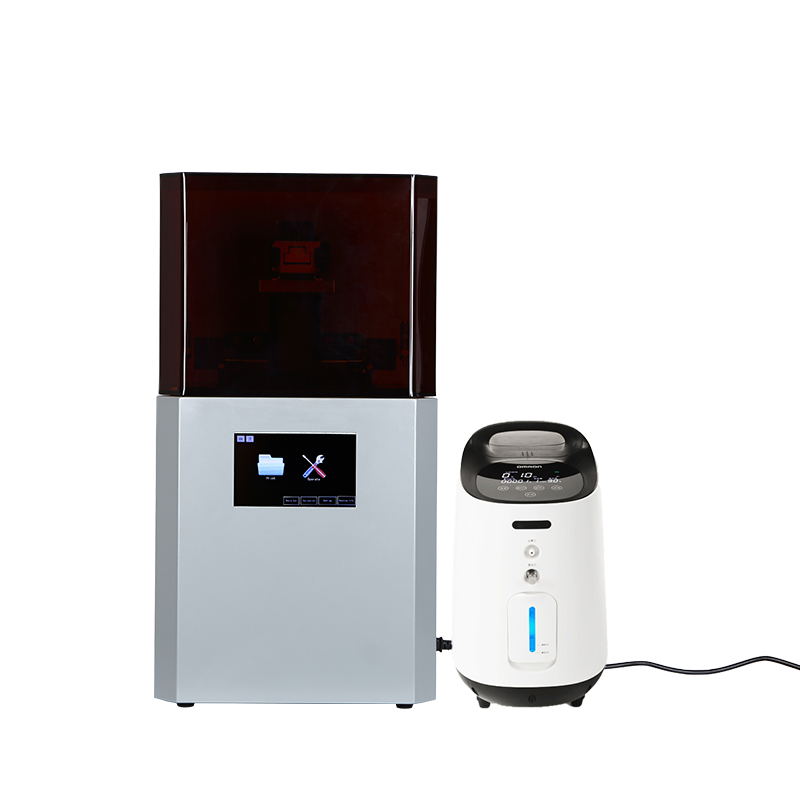
DLP projector 3D printers are an innovative solution in the realm of additive manufacturing, specifically designed to produce high-precision items across various industries. These dlp 3d printer utilize digital light processing technology to cure resin layer by layer, allowing for intricate designs and fine details that are critical in sectors such as dental, jewelry, and precise molding applications. For purchasing managers and engineers, understanding the key specifications, cost factors, applications, and common issues related to DLP projector 3D printers is crucial for making informed decisions. This article will delve into these aspects to equip B2B buyers with the knowledge needed for effective procurement.
When evaluating DLP projector 3D printers, several key specifications should be considered:
Resolution: The printer's resolution, typically measured in microns (µm), determines the level of detail that can be achieved. A lower micron rating generally indicates finer detail. Buyers should assess their application needs; for example, dental applications may require higher resolution than general prototyping.
Build Volume: This refers to the maximum dimensions of the objects that can be printed. It's essential to match the build volume to the expected part size, as limitations here can impact project timelines and costs.
Layer Thickness: This affects both the speed of the printing process and the surface finish of the final product. Thinner layers produce smoother finishes but can increase print time. Buyers should balance print quality against production speed based on their operational requirements.
Material Compatibility: DLP printers are typically compatible with various resin materials, including standard, flexible, and high-temperature resins. Understanding the specific material properties required for the intended application is vital, as it can influence durability, finish, and functionality.
Speed: The speed of a DLP projector 3D printer can vary significantly based on the technology used. Faster printing capabilities may be essential for high-volume production, whereas slower speeds might suffice for low-volume, high-detail applications.
Software Features: Advanced software capabilities, including slicing, model repair, and print monitoring, can enhance the user experience. Buyers should evaluate whether the software meets their operational needs and offers customization options.
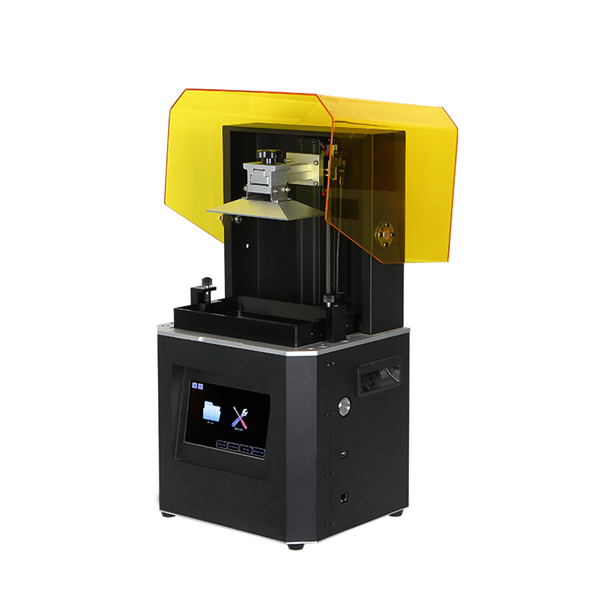
The total cost of acquiring a DLP projector 3D printer extends beyond the initial purchase price. Key cost factors include:
Printer Cost: This is the upfront investment in the printer itself. Prices can vary widely based on specifications and capabilities, so buyers should compare models that meet their needs.
Material Costs: The type and quantity of resin used in printing can significantly impact overall costs. High-performance or specialized resins may be more expensive but could be necessary for specific applications.
Operational Costs: These include electricity, maintenance, and consumables. Regular maintenance is vital for ensuring long-term performance and minimizing downtime, which can affect production schedules.
Customization and Software Licensing: If custom features or software capabilities are required, these may incur additional costs. Buyers should assess their need for custom solutions and factor in these expenses.
Training and Support: Depending on the complexity of the printer, training for staff may be required to operate the equipment effectively. Including potential training costs in the budget can prevent operational hiccups.
By understanding these cost components, purchasing managers can develop a more accurate total cost of ownership (TCO) for their DLP projector dlp projector 3d printer investment.
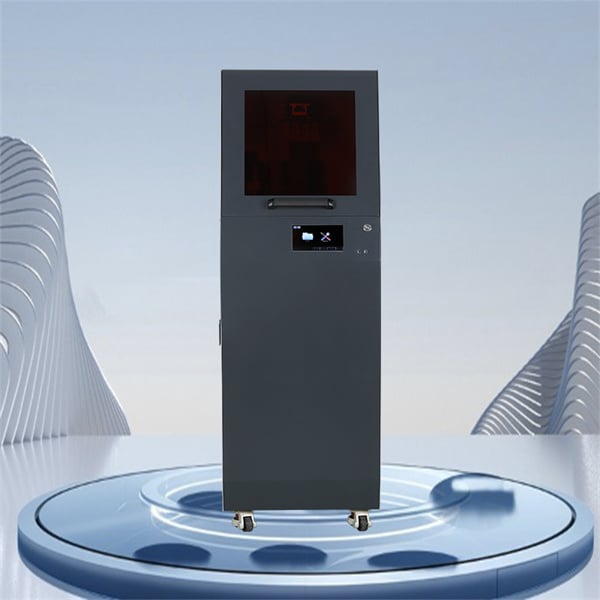
DLP projector 3D printers are utilized across multiple sectors due to their precision and versatility:
Dental Industry: These printers are ideal for creating dental models, crowns, and bridges. The high resolution allows for intricate designs that fit comfortably and function effectively in patients' mouths.
Jewelry Manufacturing: In jewelry, DLP printers are used for producing detailed prototypes and patterns for casting. The ability to create complex geometries with a smooth finish makes them preferable for high-end pieces.
Prototyping and Molding: DLP technology is widely adopted in prototyping for its speed and accuracy. Molds produced via DLP can be used for low-volume production runs, offering significant time and cost savings.
Engineering and Design: Engineers leverage DLP printers for rapid prototyping of components, allowing for accelerated product development cycles. The precision of the prints supports functional testing and validation.
Art and Decorative Items: Artists use DLP printers to create intricate sculptures and decorative items. The ability to print fine details expands creative possibilities beyond traditional manufacturing methods.
Each of these applications highlights the strengths of DLP projector 3D printers, making them valuable tools in various manufacturing processes.
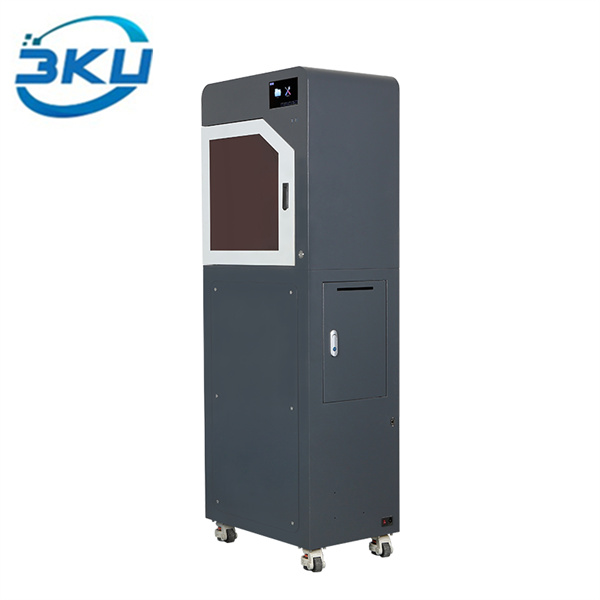
Despite their advantages, DLP projector 3D printers can encounter issues that may affect production quality. Here are some common problems and suggested solutions:
Resin Curing Issues: If prints are not curing properly, this could be due to incorrect exposure settings or the use of expired resin. To mitigate this, ensure the resin is fresh and adjust exposure times based on the manufacturer's recommendations.
Print Adhesion Problems: Poor adhesion to the build plate can result in failed prints. This can often be resolved by ensuring the build plate is clean and properly leveled. Regularly checking the leveling of the build plate before starting a print is a best practice.
Layer Separation: Incomplete curing between layers can lead to separation during the printing process. Adjusting the layer exposure time and ensuring the resin is correctly mixed can help improve layer adhesion.
Surface Finish Issues: If prints have a rough finish, this may be due to insufficient post-processing. Implementing thorough cleaning and curing processes after printing can enhance surface quality.
Software Glitches: Occasionally, software issues can cause printing errors. Keeping the software updated and ensuring compatibility with the 3d printer accuracy can prevent these problems.
By proactively addressing these common issues, operators can maintain production efficiency and quality.
Our printers, which are based on a unique layout, design and structure, but more importantly our excellent team of researchers and engineers, are utilized in numerous industries such as Dental casts and crowns Dlp 3d printer, Garage Kits and Precise Moldings and so on. We are able to provide free samples. You can offer us STL files and we print them using our printers to demonstrate how it operates and what the results look before you make a purchase.
The founder of our company has been working on 3D printers since 2012, starting with FDM, DLP, SLA. He is convinced that "3d technology will lead another industrial revolution". We strive to provide more 3d print ceramic and technical support to 3d printer enthusiasts who believe in us strongly! We have the best priced tower packaging. We provide considerate support and quickly respond to market needs.
Shenzhen 3KU Technology and Science Co. LTD was founded in 2014. Within a Alumina 3d printing of months, 3KU has become a well-known brand among 3d printer users and fans. We provide a full array of technical support, including printing technologies, post-processing, casting methods, and life-long warranty. We provide professional technology and a customized service to solve the printing and casting issues in various areas.
Dlp printer printers are used to various industries, including Jewelrys, Temples, Dentals, Ceramics, etc.. We have perfect customized services. The customized services include the look and feel, custom logos, software design, more functionality and the customized packaging. We provide our customers with the best 3D printers for their money that are of good quality, practical functionality and efficiency.
Copyright © Shenzhen 3KU Technology and Science Co., LTD. All Rights Reserved Privacy Policy Blog
 EN
 AR
 BG
 HR
 CS
 DA
 NL
 FI
 FR
 DE
 EL
 HI
 IT
 JA
 KO
 NO
 PL
 PT
 RO
 RU
 ES
 SV
 TL
 IW
 ID
 SR
 SK
 SL
 VI
 ET
 HU
 TH
 TR
 FA
 MS
 GA
 CY
 BE
 IS
 MY