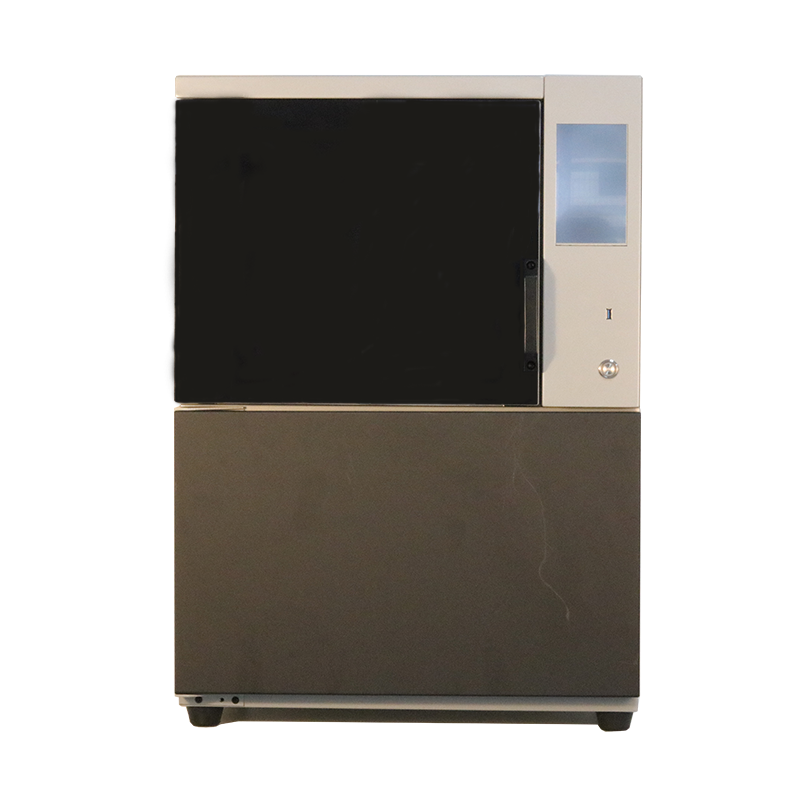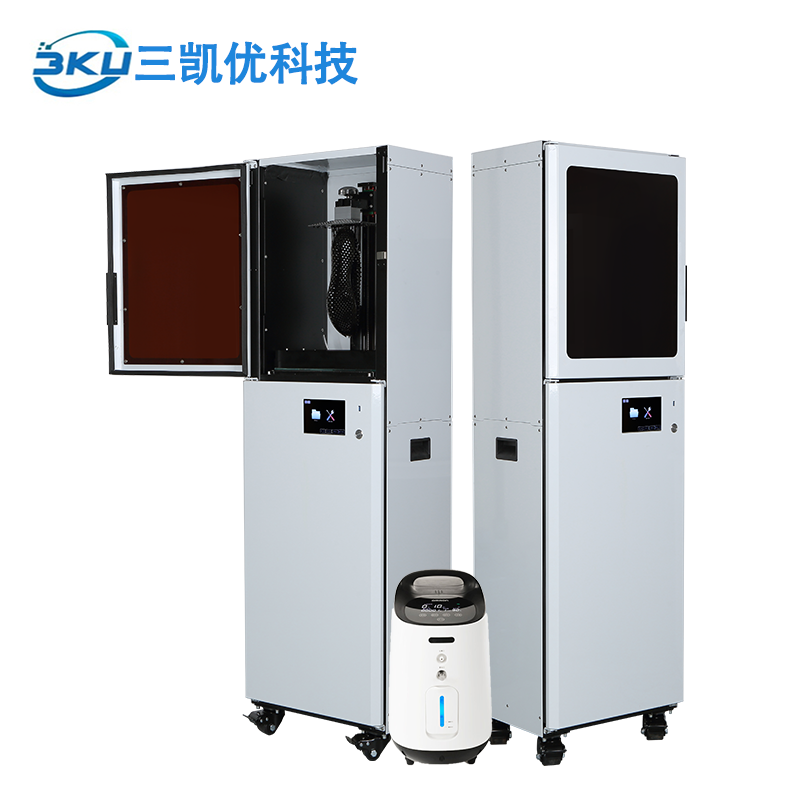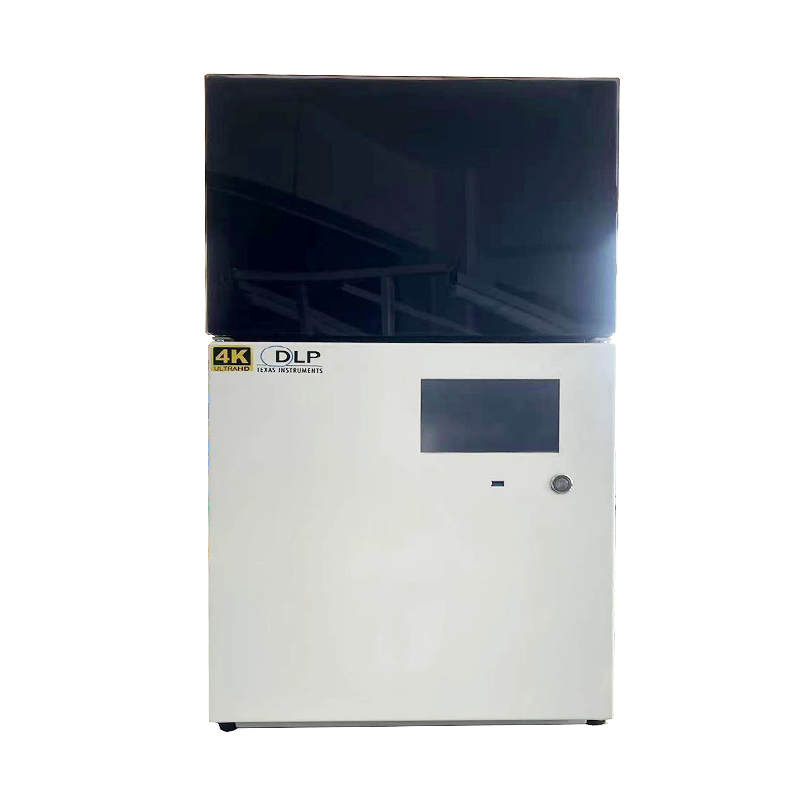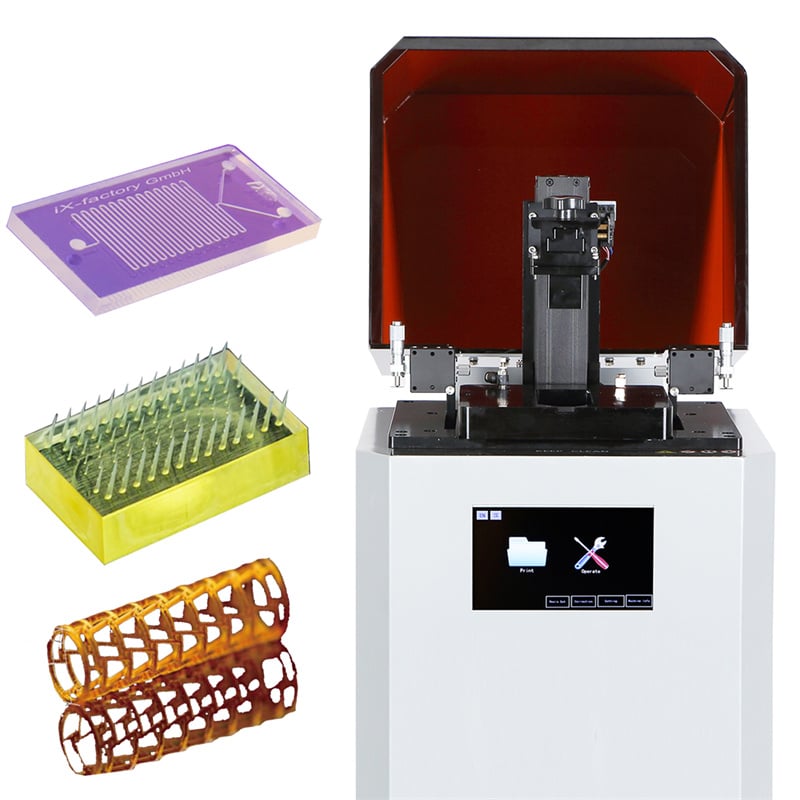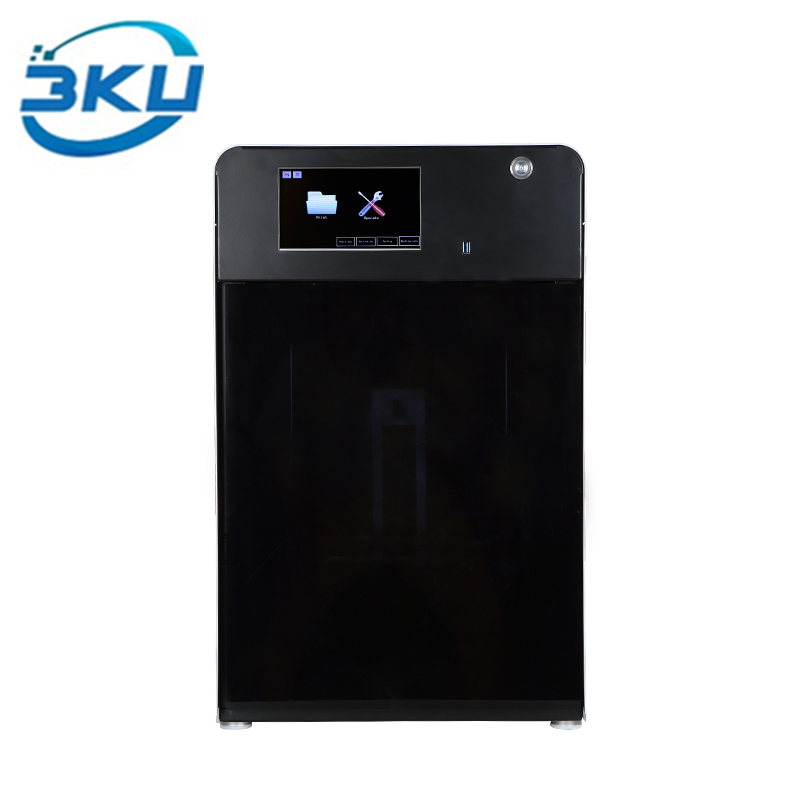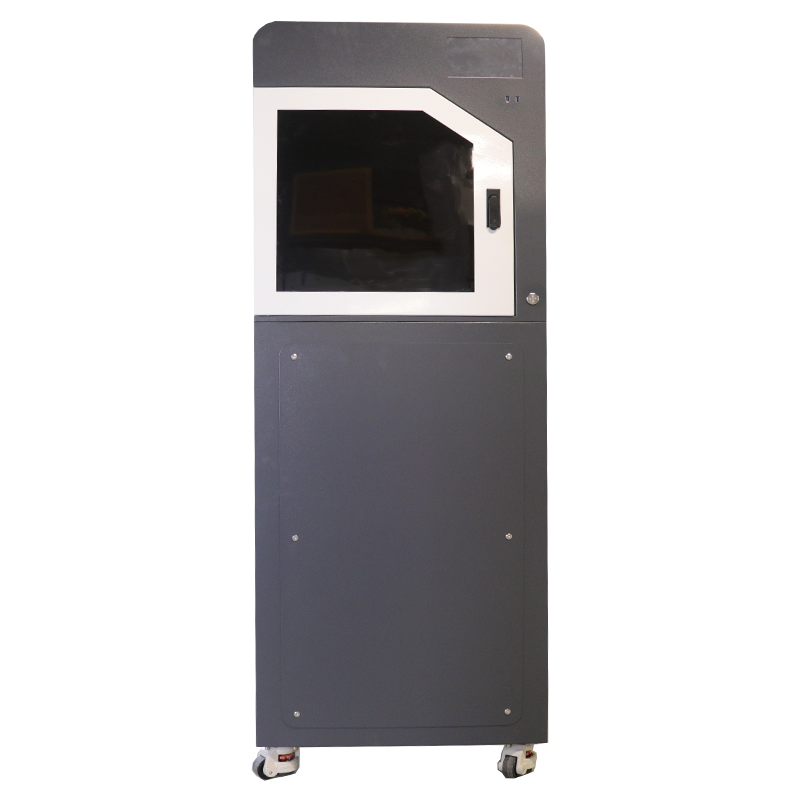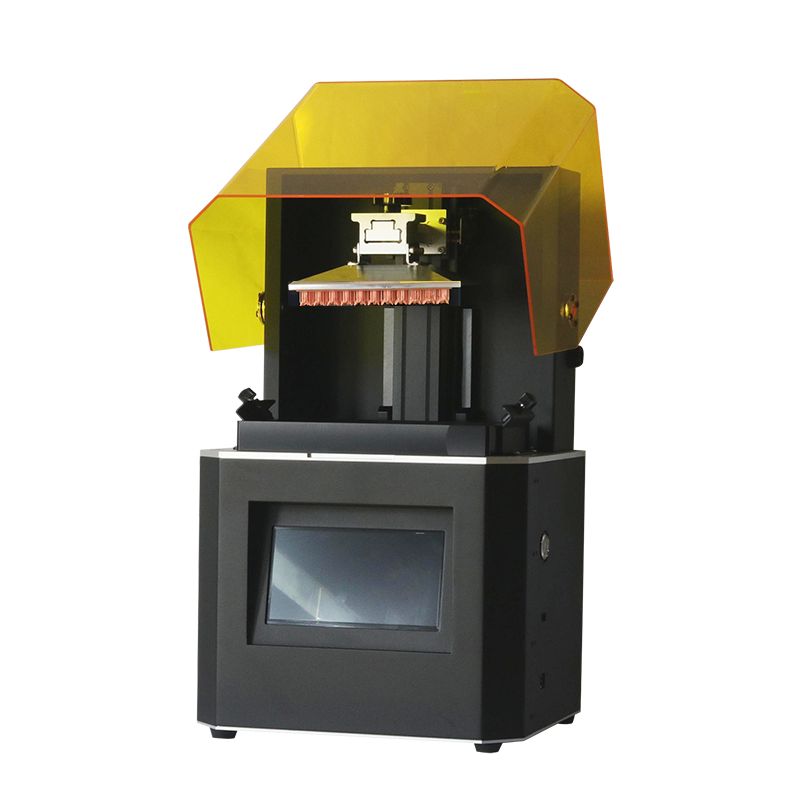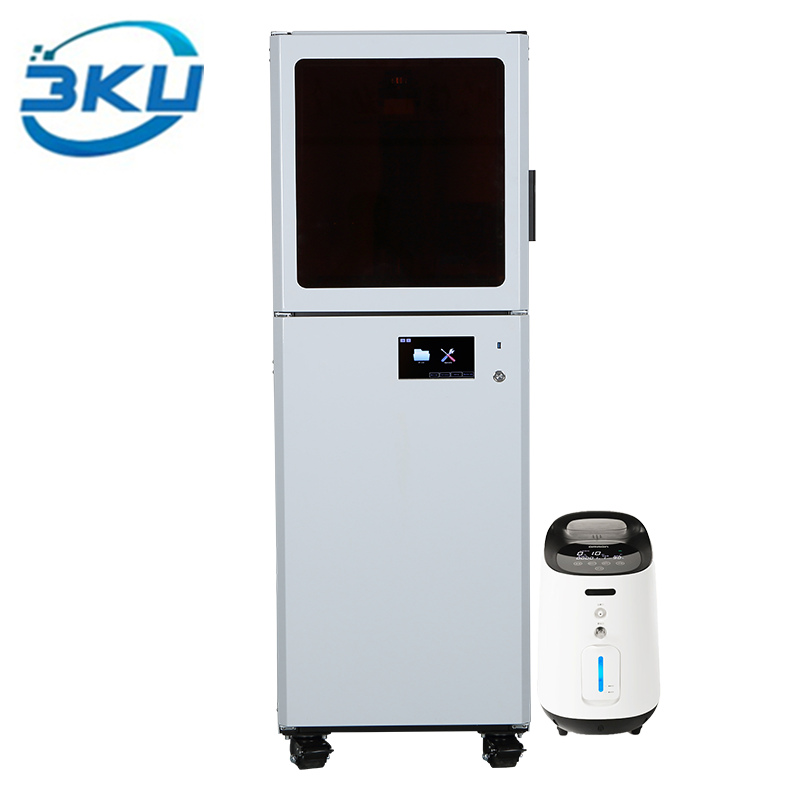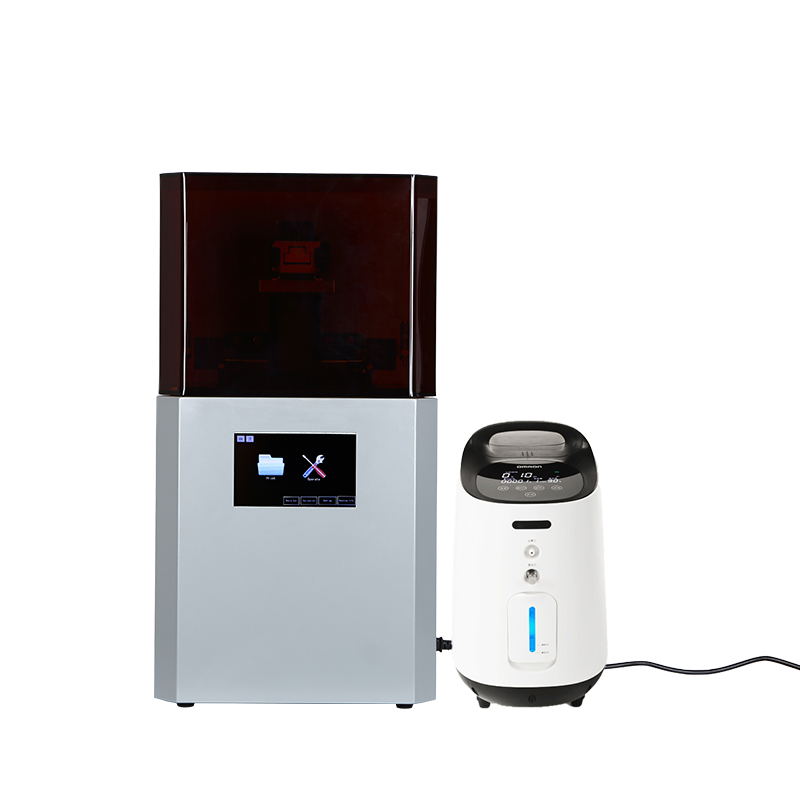
Top down DLP 3D printers represent an advanced solution in the realm of additive manufacturing, particularly for industries requiring precision and efficiency. Shenzhen 3KU digital light processing 3d printing utilize digital light processing (DLP) technology to create high-quality parts layer by layer, making them ideal for applications in dental, jewelry, and precise molding. Buyers often seek information on specifications, installation, bulk ordering, common issues, and reliable suppliers. This article will provide essential insights into these aspects, helping potential buyers make informed decisions.
When evaluating top down DLP 3D printers, understanding key specifications is crucial. These printers typically feature a high-resolution projector that cures liquid resin into solid structures. Key specifications to consider include:
Build Volume: This Shenzhen 3KU digital light processing 3d printer defines the maximum size of the object that can be printed. A larger build volume allows for bigger parts or multiple parts in a single print run, which can be crucial for production efficiency.
Layer Resolution: Measured in microns, this specification determines the thickness of each layer. A lower micron number means higher detail and smoother finishes, making it vital for applications like dental models or intricate jewelry designs.
Material Compatibility: Top down DLP printers are compatible with various photopolymers. Understanding the types of resins that can be used, including standard, flexible, and high-temperature variants, is important for meeting specific application requirements.
Print Speed: The speed at which a printer can complete a job affects overall productivity. Faster printers can lead to reduced lead times, which is a significant consideration for businesses seeking quick turnaround.
Software and Control: The software used to operate the printer should be user-friendly and capable of handling complex designs. Look for features of Shenzhen 3KU dlp projector 3d printer such as support generation, slicing capabilities, and compatibility with various CAD software.
Evaluating these specifications helps ensure that the chosen printer aligns with production goals and application needs.
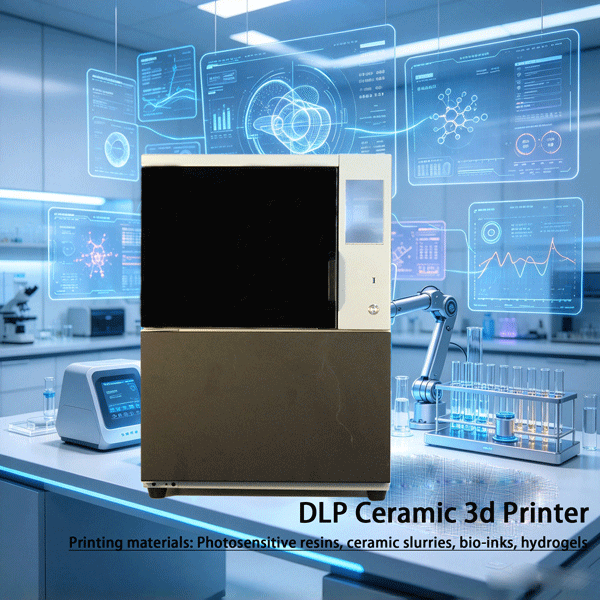
Proper installation of a top down DLP 3D printer is essential for optimal performance. Here are critical steps to consider:
Location Selection: Choose a well-ventilated area, away from direct sunlight and dust, to prevent contamination of the resin and ensure consistent print quality.
Surface Stability: Set the printer on a stable, level surface to avoid vibrations that can lead to misalignments during the printing process.
Electrical Requirements: Verify that the electrical setup meets the printer’s requirements, including voltage and outlet specifications. This is crucial to prevent operational issues or damage to the equipment.
Software Installation: Install the printer's software according to the manufacturer's guidelines. Ensure that all drivers and updates are current to facilitate smooth operation.
Calibration: After installation, calibrate the printer according to the manufacturer’s instructions. Calibration is vital for achieving accurate dimensions and optimal print quality.
Safety Precautions: Implement safety measures, including proper PPE for handling resin and ensuring that all staff are trained on operating procedures.
Following these guidelines will help ensure a successful installation and enhance the longevity of the equipment.
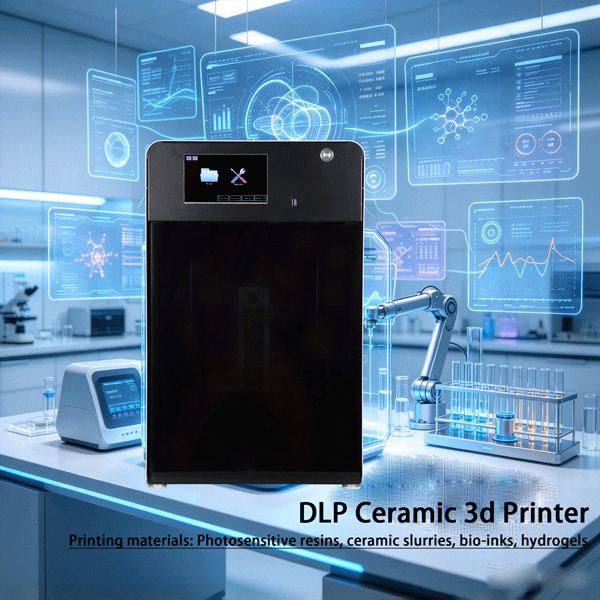
For businesses considering multiple units of top down DLP 3D printers, bulk ordering can offer significant advantages. Here are factors to consider:
Pricing Discounts: Many manufacturers offer tiered pricing structures, where the cost per unit decreases with larger orders. This can lead to substantial savings.
Customization Options: When ordering in bulk, companies may have the opportunity to customize printers according to specific requirements, whether it be unique software configurations or tailored hardware features.
Lead Time Considerations: Bulk orders might have a different lead time compared to single units. Discussing timelines with the manufacturer can help ensure that the printers arrive when needed for production.
Support Services: Establishing a bulk order can also facilitate enhanced support services, including training for staff on operating multiple units and technical support for setup and maintenance.
Quality Assurance: When ordering multiple units, it’s advisable to request a sample unit first. This allows you to evaluate performance and quality before committing to the entire order.
Engaging with manufacturers about bulk orders can unlock significant benefits while ensuring that the investment meets your operational needs.
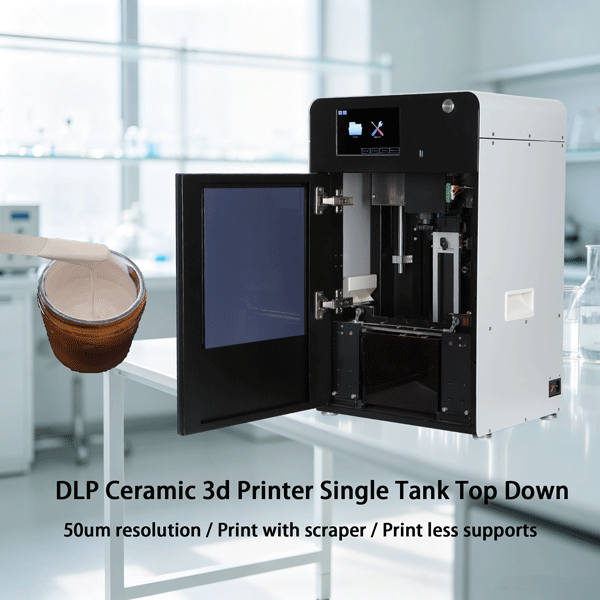
While top down DLP 3D printers are advanced, users may encounter some common issues. Here are typical problems and practical solutions:
Layer Adhesion Issues: Sometimes, layers may not bond properly, leading to weak structures. To address this, ensure that the correct exposure time is set for the resin being used. Additionally, regular maintenance of the printer, including cleaning the build platform, can enhance adhesion.
Resin Curing Problems: Inconsistent curing can occur due to variations in ambient temperature or humidity. Maintaining a stable environment and using resins suited for your specific climate can mitigate these issues.
Print Failures: Failed prints can result from improper calibration or software errors. Regularly calibrate the printer and verify that the slicing software settings are appropriate for the design being printed.
Surface Finish Issues: If prints have rough surfaces, consider adjusting the layer height or using a post-processing method such as sanding or polishing to achieve the desired finish.
Software Glitches: If the software crashes or experiences bugs, ensure that it is updated to the latest version. Having a robust technical support plan in place can help resolve software-related issues quickly.
By being aware of these common problems and their solutions, users can maintain high print quality and efficiency.
Our printers, which are based on a unique layout, design and structure, but more importantly our excellent team of researchers and engineers, are utilized in numerous industries such as Dental casts and crowns Dlp 3d printer, Garage Kits and Precise Moldings and so on. We are able to provide free samples. You can offer us STL files and we print them using our printers to demonstrate how it operates and what the results look before you make a purchase.
3d pottery printer is established in the year 2014. Within just a few years of developing and marketing, our brand 3KU is known well by 3d printer lovers and users. We offer a wide range of technical support that includes printing technology, post-processing, casting techniques, and a lifetime warranties. We provide highly skilled support and technology. We we can resolve printing and casting issues in various areas.
Since 3 d printer jewelry, our founder has worked with 3D printers all the way from FDM to DLP, SLA. He believes that "3d technology will create a new revolution in the industrial sector". We do our best to offer more support for technical and service issues to those who love 3D Printers and have a strong support for us! We offer a courteous service and swiftly respond to market needs.
Our printers are applied across a range of industries, such as 3d pottery printer, Temples, Dentals, Ceramics, etc.. We offer a wide range of customized services. We provide a broad range of customized services, including the design of the packaging along with the software, branding, packaging and many other functions. We provide our customers with 3D printers for the cheapest prices with high quality, functionality and efficacy.
Copyright © Shenzhen 3KU Technology and Science Co., LTD. All Rights Reserved Privacy Policy Blog
 EN
 AR
 BG
 HR
 CS
 DA
 NL
 FI
 FR
 DE
 EL
 HI
 IT
 JA
 KO
 NO
 PL
 PT
 RO
 RU
 ES
 SV
 TL
 IW
 ID
 SR
 SK
 SL
 VI
 ET
 HU
 TH
 TR
 FA
 MS
 GA
 CY
 BE
 IS
 MY