
 EN
 AR
 BG
 HR
 CS
 DA
 NL
 FI
 FR
 DE
 EL
 HI
 IT
 JA
 KO
 NO
 PL
 PT
 RO
 RU
 ES
 SV
 TL
 IW
 ID
 SR
 SK
 SL
 VI
 ET
 HU
 TH
 TR
 FA
 MS
 GA
 CY
 BE
 IS
 MY

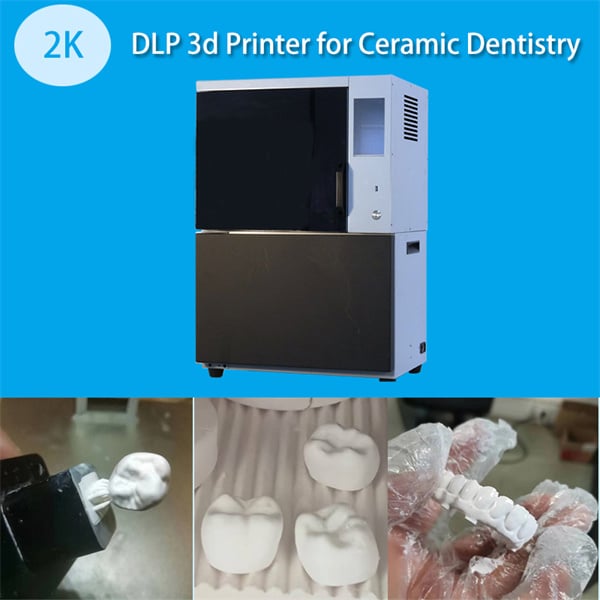
Understanding the role of layer thickness in ceramic 3D printing is crucial for achieving optimal results in various applications, including dental, jewelry, and precise molding. This article will explore how layer thickness affects the printing process, the quality of the final product, and the overall cost. By understanding these factors, purchasing managers, engineers, and product managers can make informed decisions when selecting 3D printers and optimizing their production processes.
How to Choose the Right Layer Thickness for Ceramic 3D Printing
Selecting the appropriate layer thickness for ceramic 3D printer involves balancing detail and efficiency. Layer thickness typically ranges from 0.05 mm to 0.5 mm, depending on the desired resolution and production speed. Thinner layers (0.05 mm - 0.1 mm) are ideal for applications requiring high levels of detail, such as intricate dental models or complex jewelry designs. However, they may increase printing time significantly.
Conversely, thicker layers (0.2 mm - 0.5 mm) can expedite the printing process but may compromise the final product's detail and surface finish. Buyers should consider the specific application and required tolerances when determining the layer thickness. For example, in precise molding applications, a thinner layer might be more appropriate to ensure dimensional accuracy. It is also essential to consult with the manufacturer to understand their specific printer capabilities and recommendations for layer thickness.
Comparing Layer Thickness Options for Optimal Printing Quality
Comparing different layer thickness options is key to achieving optimal printing quality in ceramic 3D printing. Each thickness option presents distinct advantages and challenges. Thinner layers produce smoother surfaces and finer details, which can be essential in high-precision industries. However, the increased number of layers can lead to longer print times and potential warping issues during the cooling phase.
In contrast, thicker layers can reduce print time and material usage but may result in visible layer lines or a rougher finish. This trade-off necessitates careful consideration of the end-use of the printed parts. For instance, dental applications might prioritize aesthetics and detail, while functional prototypes may focus more on speed and cost-effectiveness. Buyers should evaluate sample prints at various layer thicknesses to gauge the impact on quality and make data-driven decisions for their specific needs.
Where to Source Reliable Ceramic 3D Printers with Layer Thickness Control
Identifying reliable suppliers of ceramic 3D printers that offer precise control over layer thickness is crucial for achieving consistent quality. Look for manufacturers with a proven track record in the 3D printing industry, especially those specializing in ceramic applications. When evaluating potential suppliers, consider their customization capabilities, machine specifications, and after-sales support.
Shenzhen 3KU Technology and Science Co., LTD, for example, provides various 3D printing technologies, including FDM, DLP, and SLA, allowing for tailored solutions that meet specific production requirements. Ensure that the supplier offers lifetime technical support and guidance on printing technology, as this can significantly impact the successful implementation of ceramic 3D printing service in your operations. Additionally, inquire about their quality control processes to ensure that the machines maintain consistent performance over time.
Understanding the Cost Implications of Layer Thickness in 3D Printing
Layer thickness directly influences the cost of ceramic 3D printing, affecting both material usage and production time. Generally, thinner layers will lead to higher costs due to increased material requirements and longer print durations. This can also necessitate more post-processing work, such as sanding or polishing, to achieve the desired surface finish.
On the other hand, while thicker layers may reduce material costs and print time, they can sometimes lead to additional expenses if the final product requires extensive finishing or if the lower quality affects the product's usability. When preparing a request for quotation (RFQ), buyers should clearly specify their requirements regarding layer thickness alongside other specifications, such as material type and expected surface quality. This will help obtain accurate pricing and avoid unexpected costs later in the production process.
Applications of Layer Thickness in Ceramic 3D Printing for Different Industries
Layer thickness plays a vital role in various industries utilizing ceramic 3D printing machine. For the dental sector, where precision is paramount, thinner layers ensure that prosthetics and orthodontic devices are accurate and aesthetically pleasing. This level of detail can enhance patient satisfaction and reduce the need for adjustments.
In the jewelry industry, layer thickness affects both the visual appeal and structural integrity of pieces. Thinner layers can create intricate designs, while thicker layers may be more suitable for larger, more robust items. Similarly, in precise molding applications, layer thickness must align with the required tolerances to ensure that molds reproduce details accurately and withstand operational stresses.
Each industry has unique requirements, and understanding the implications of layer thickness can help manufacturers produce better products that meet market demands. Buyers should collaborate closely with their suppliers to determine the best approach for their specific applications, leveraging the expertise of manufacturers like Shenzhen 3KU Technology and Science Co., LTD to refine their choices further.
Table of Contents
- How to Choose the Right Layer Thickness for Ceramic 3D Printing
- Comparing Layer Thickness Options for Optimal Printing Quality
- Where to Source Reliable Ceramic 3D Printers with Layer Thickness Control
- Understanding the Cost Implications of Layer Thickness in 3D Printing
- Applications of Layer Thickness in Ceramic 3D Printing for Different Industries