
 EN
EN
 AR
AR
 BG
BG
 HR
HR
 CS
CS
 DA
DA
 NL
NL
 FI
FI
 FR
FR
 DE
DE
 EL
EL
 HI
HI
 IT
IT
 JA
JA
 KO
KO
 NO
NO
 PL
PL
 PT
PT
 RO
RO
 RU
RU
 ES
ES
 SV
SV
 TL
TL
 IW
IW
 ID
ID
 SR
SR
 SK
SK
 SL
SL
 VI
VI
 ET
ET
 HU
HU
 TH
TH
 TR
TR
 FA
FA
 MS
MS
 GA
GA
 CY
CY
 BE
BE
 IS
IS
 MY
MY

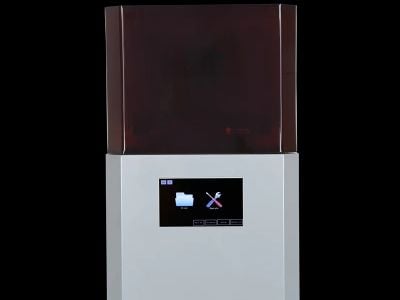
Industrial DLP 3D printers for ceramic production are revolutionizing manufacturing processes across various sectors, particularly in creating precision components. As a purchasing manager or engineer, understanding the critical features, installation requirements, pricing structures, and applications of these printers is essential for making informed decisions. This article will provide insights into what to look for when selecting a DLP 3D printer, how to successfully install one for ceramic production, the factors influencing pricing, its applications in the ceramic sector, and where to find reliable suppliers.
What to Look for in DLP 3D Printers?
When selecting an industrial DLP 3D printer for ceramic production, several key specifications should be considered to ensure it meets your production needs.
Resolution and Layer Thickness: The printer's resolution affects the detail and accuracy of the final product. Higher resolution provides finer details, which is crucial for applications requiring intricate designs. Layer thickness also plays a role; thinner layers can improve surface finish but may extend printing time.
Build Volume: Evaluate the build volume relative to your project requirements. A larger build volume allows for the production of larger parts or multiple smaller items in a single print run, which can optimize production efficiency.
Material Compatibility: Ensure that the printer is compatible with various ceramic 3d printer materials you plan to use. Different printers may handle specific ceramic formulations better, impacting the final product's strength and surface finish.
Software and Customization Options: Look for printers that offer user-friendly software and the ability to customize printing parameters. This flexibility can enhance production and accommodate unique project specifications.
Reliability and Support: Consider the manufacturer's reputation for reliability and the level of technical support they provide. A printer that is difficult to operate or troubleshoot can lead to costly downtime.
By focusing on these factors, you can select a DLP 3D printer that aligns with your production goals and delivers high-quality ceramic components.
Installation Guidance for Industrial DLP 3D Printers in Ceramics
Proper installation of an industrial DLP 3D printer is crucial for achieving optimal performance in ceramic production. Here are the key steps and considerations:
Site Preparation: Before installation, ensure that the workspace is clean, well-ventilated, and has adequate power supply and environmental controls. DLP printers may require specific temperature and humidity conditions to operate efficiently.
Assembly Instructions: Follow the manufacturer's assembly guide meticulously. Pay attention to the alignment of components such as the light source and build platform, as incorrect assembly can lead to printing inaccuracies.
Calibration: Once the printer is assembled, perform a calibration process. This often includes leveling the build platform and adjusting the focus of the light source. Proper calibration is essential for achieving the desired print quality.
Software Setup: Install the necessary software and ensure it is configured to work with your 3d print ceramic. Familiarize yourself with the software interface, as it will be used to set print parameters and manage the printing process.
Test Prints: Before starting production, conduct test prints to validate the setup. This step allows for adjustments to be made to optimize quality and performance.
Taking these steps will help ensure a smooth installation process and set the foundation for successful ceramic production.
Understanding Pricing for DLP 3D Printers
Pricing for industrial DLP 3D printers can vary significantly based on several factors. Understanding these can help you budget effectively:
Printer Specifications: High-resolution printers with larger build volumes and advanced features typically come at a higher price point. Assess your specific needs to determine the necessary specifications that justify the investment.
Material Costs: The cost of compatible ceramic materials can also influence the overall budget. Some printers may require proprietary materials that can be more expensive than standard options, so it’s essential to evaluate the long-term material costs.
Production Volume: Consider how the printer's efficiency will affect your production volume. A higher upfront cost may be justified if the printer significantly increases productivity and reduces per-unit costs over time.
Customization Needs: If you require custom modifications for specific applications, these may incur additional costs. Transparency with suppliers about your requirements can help in obtaining accurate quotations.
Maintenance and Support: Factor in the costs of ongoing maintenance, technical support, and potential software updates. A printer that is costly to maintain may lead to higher overall costs in the long run.
By understanding these pricing factors, you can make a more informed decision that aligns with your budget and production goals.
Applications of DLP 3D Printers in the Ceramic Manufacturing Sector
DLP 3D printers find numerous applications within the ceramic manufacturing sector, making them a versatile choice for various industries.
Dental Applications: In dentistry, DLP 3D printers are used to create precise dental models, crowns, and bridges. The high accuracy and fine detail capabilities of DLP technology ensure that dental restorations fit seamlessly.
Jewelry Design: Jewelry manufacturers leverage DLP printers to produce intricate designs and prototypes quickly. The ability to create detailed wax patterns for casting significantly speeds up the design process and reduces material waste.
Precise Molding: DLP technology is ideal for creating molds for ceramic printer components. The precision of DLP printers allows manufacturers to create molds that require minimal finishing, enhancing overall production efficiency.
Artistic Ceramics: Artists and designers utilize DLP printers to bring complex artistic visions to life. The flexibility of 3D printing allows for unique designs that traditional methods may not accommodate.
By understanding these applications, buyers can better assess how DLP 3D printing technology can meet their specific needs in the ceramic manufacturing sector.
Where to Find Reliable Wholesale Suppliers of DLP 3D Printers?
Finding a trustworthy supplier for industrial DLP 3D printers is essential for ensuring quality and support. Here are some tips for sourcing reliable suppliers:
Industry Referrals: Reach out to industry contacts or professional networks for recommendations. Companies that have previously purchased DLP printers can provide insights into their experiences with specific suppliers.
Online Research: Conduct thorough online research to identify reputable manufacturers. Look for suppliers with a strong track record in the industry, positive customer reviews, and comprehensive product offerings.
Trade Shows and Exhibitions: Attending industry trade shows allows buyers to interact directly with manufacturers and suppliers. This face-to-face interaction can provide valuable insights into product capabilities and after-sales support.
Customization Capabilities: When evaluating suppliers, inquire about their customization capabilities. A supplier that can tailor solutions to your specific needs is often more valuable than those offering standard products.
Technical Support and Warranty: Assess the level of technical support provided post-purchase. Suppliers that offer comprehensive warranties and lifetime technical support, like Shenzhen 3KU Technology and Science Co., LTD, can provide peace of mind in your investment.
By following these strategies, you can identify reliable wholesale suppliers for DLP 3D printers that align with your manufacturing needs.