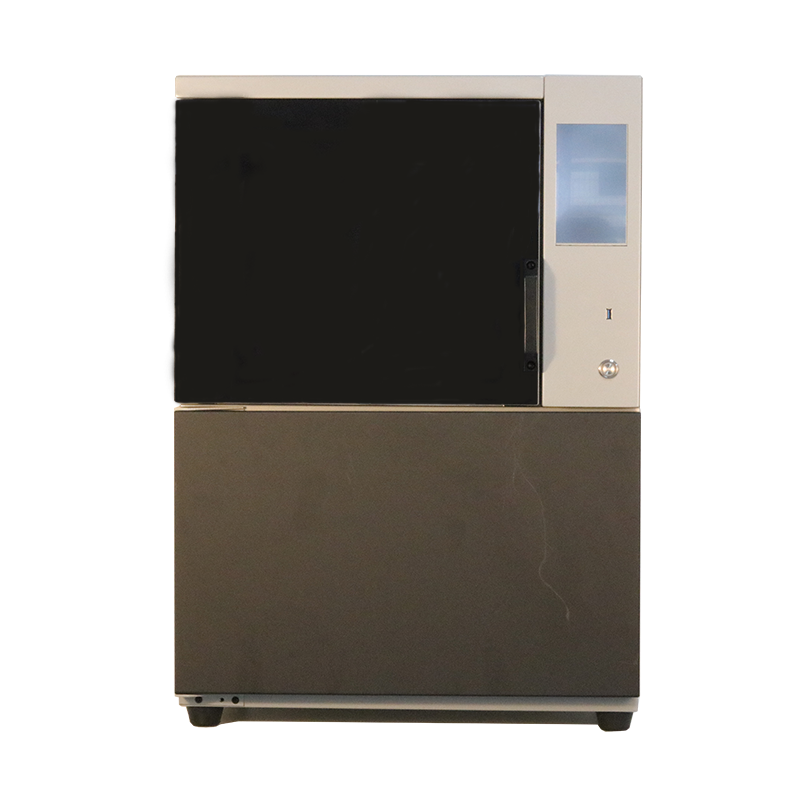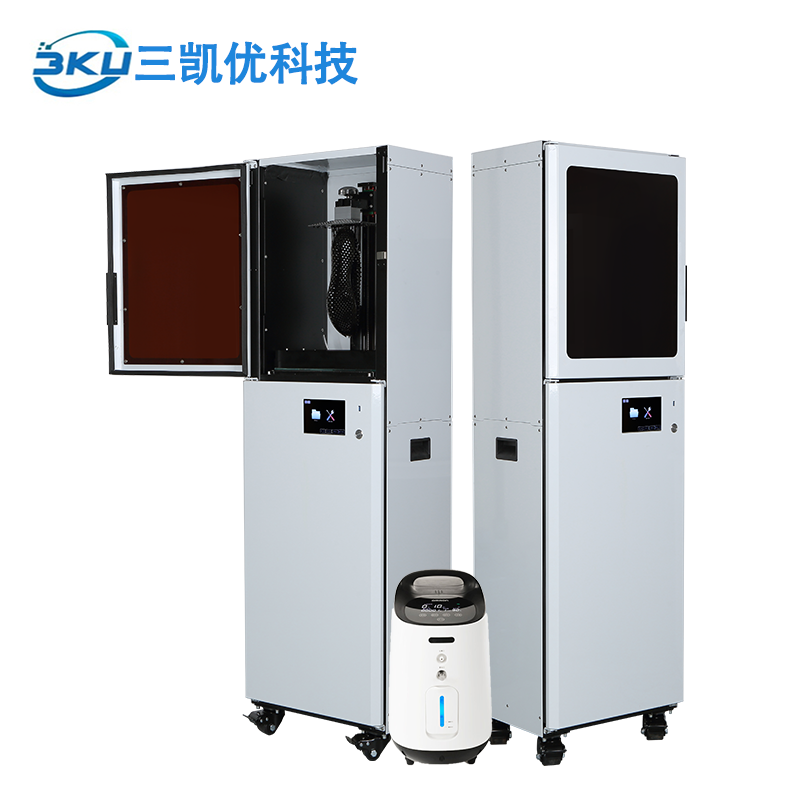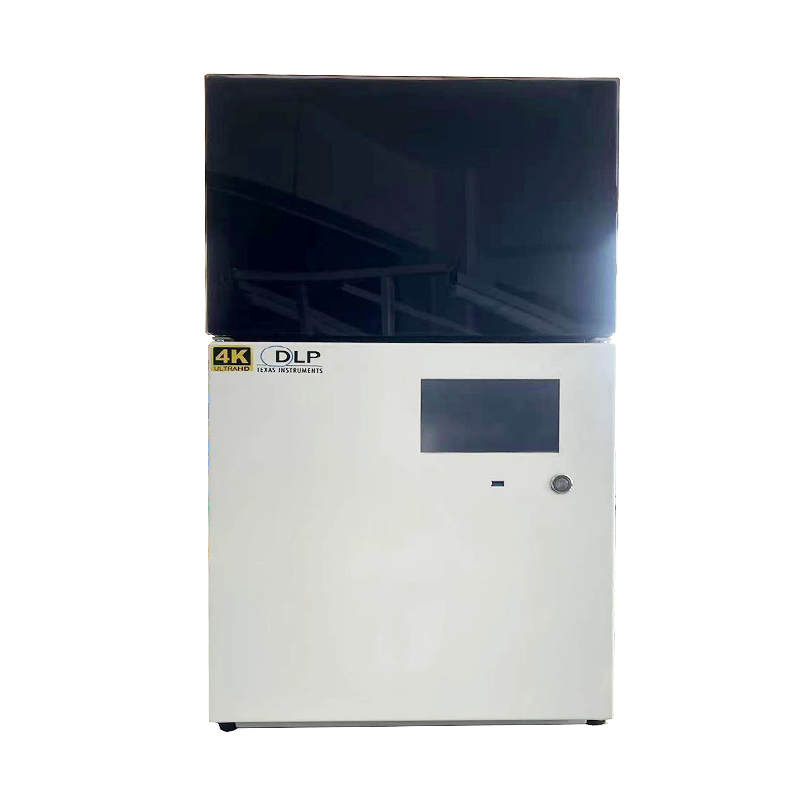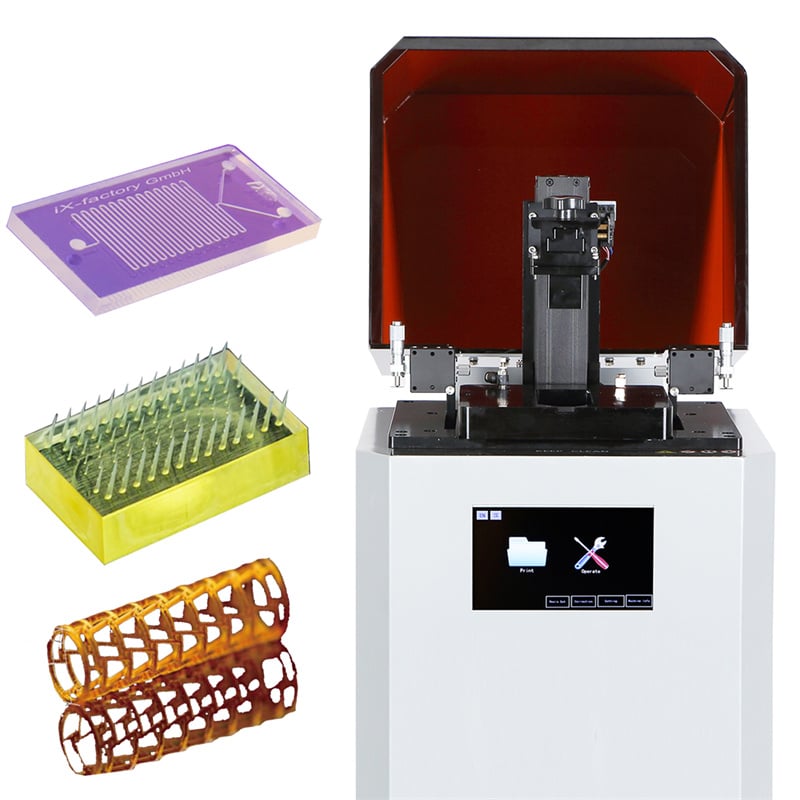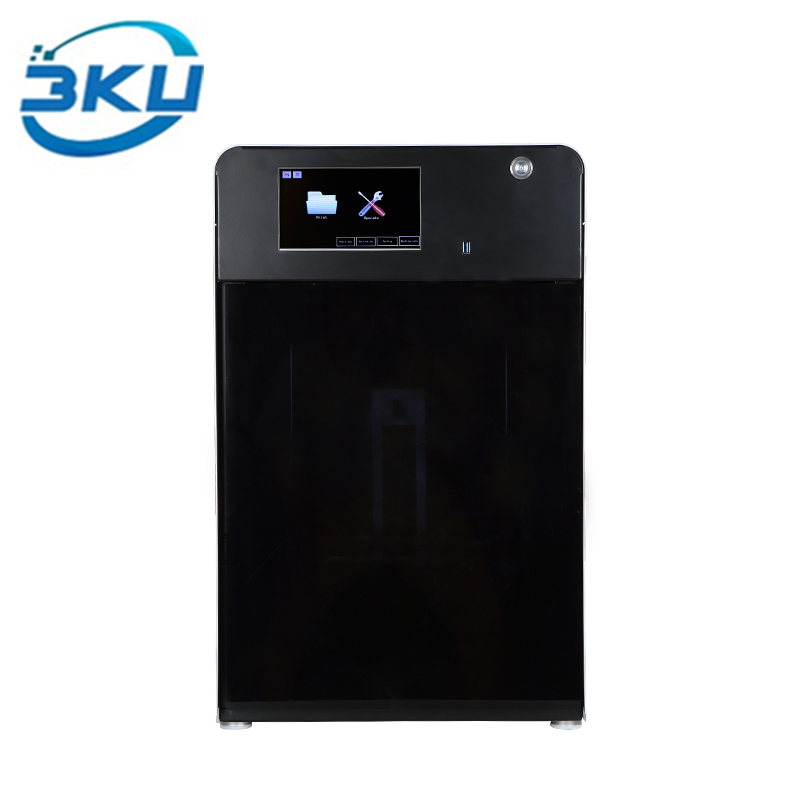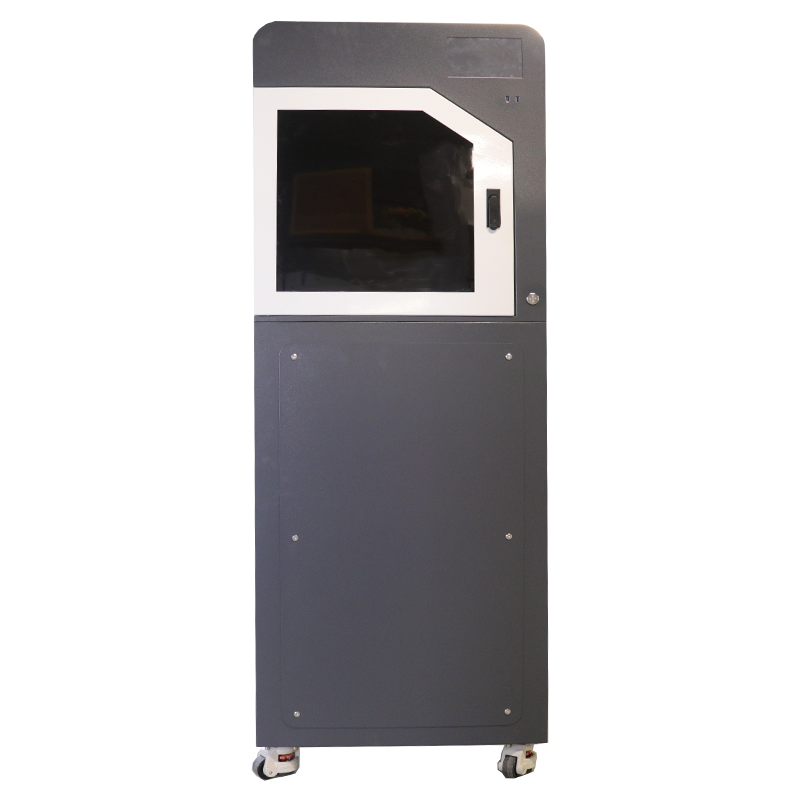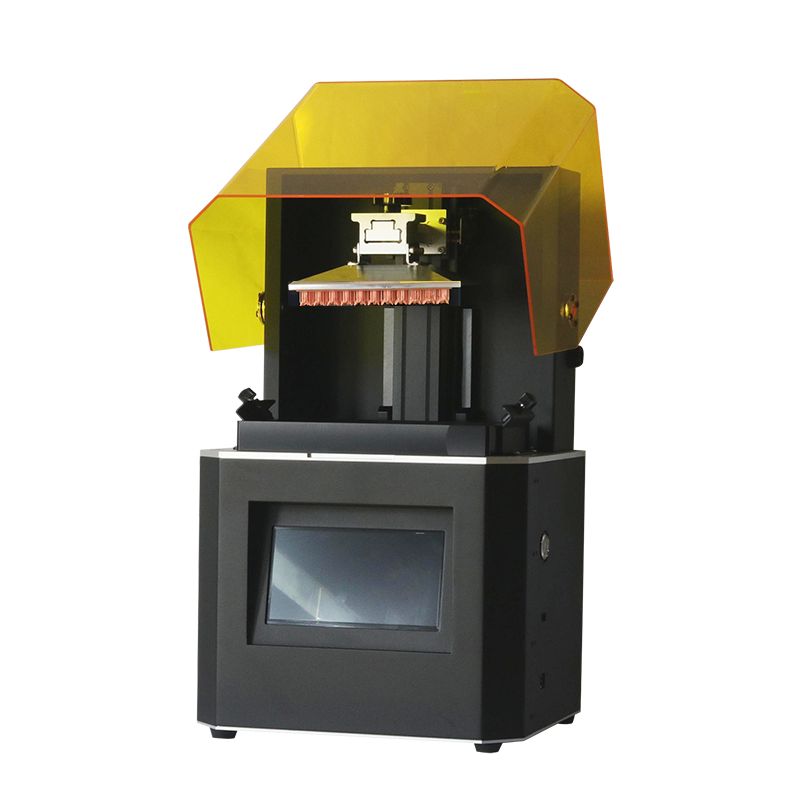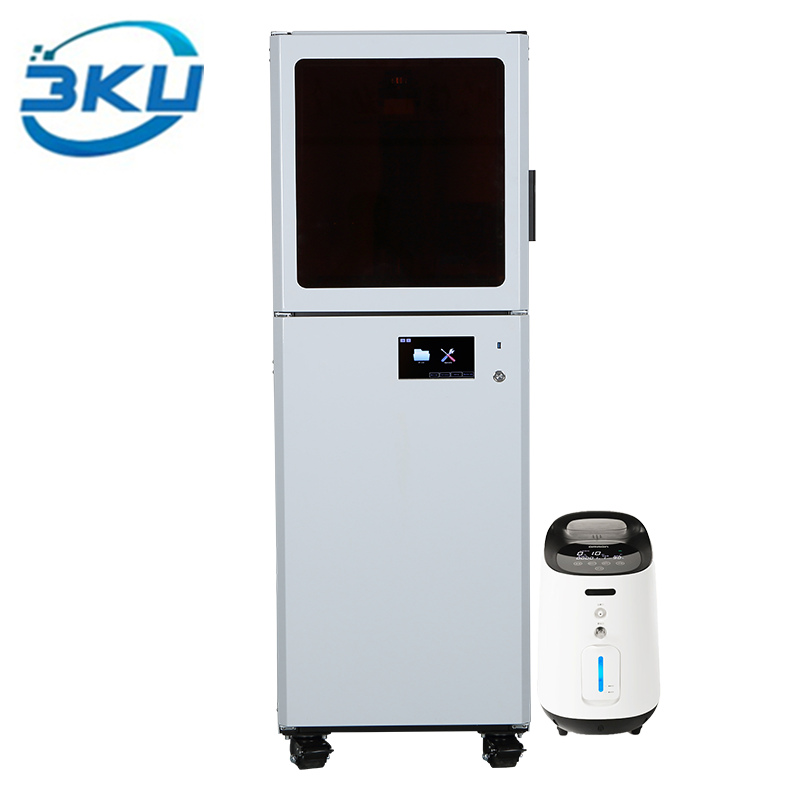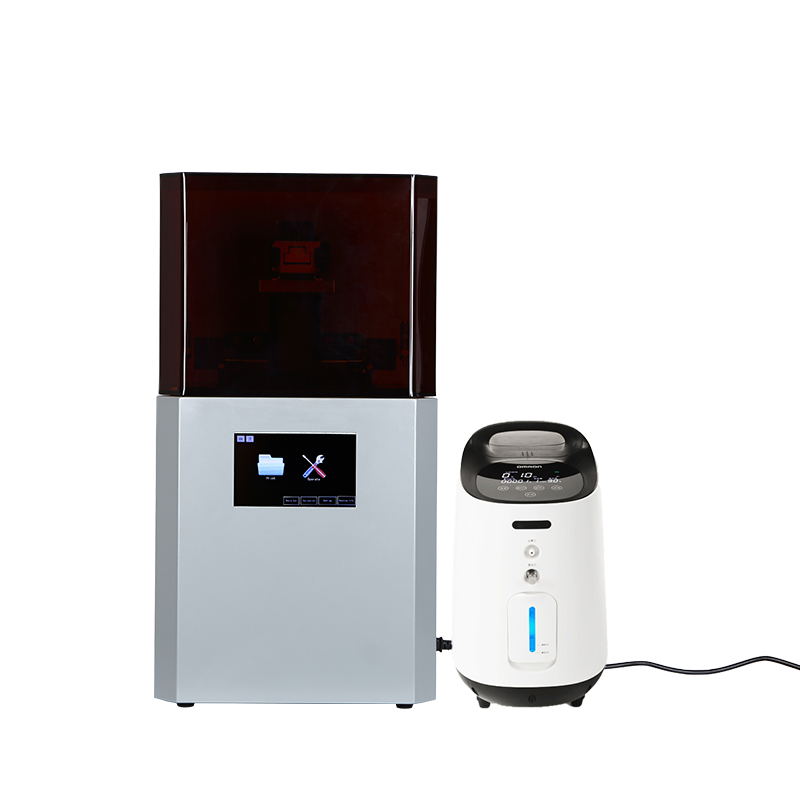
Selecting the right DLP resin printer is crucial for businesses looking to enhance their manufacturing processes, especially in sectors like dental, jewelry, and precise molding applications. Understanding the nuances of these printers, including their specifications, potential issues, and applications, can significantly influence purchasing decisions. This article aims to guide B2B buyers—such as purchasing managers, distributors, and engineers—through the essential aspects of shenzhen 3KU dlp resin printer, helping them make informed choices that align with their operational needs.
When evaluating DLP resin printers for wholesale procurement, buyers should consider several key factors. First, assess the printing resolution and speed, as these specifications directly affect the quality and efficiency of production. A higher resolution is essential for applications requiring intricate details, such as dental models and jewelry, while speed plays a critical role in meeting tight production deadlines.
Another important consideration is the printer’s build volume. Depending on the intended applications, ensure the printer can accommodate the size of the parts needed without compromising quality. Additionally, look into the compatibility of the printer with different resin types. Versatility in material selection allows businesses to adapt to changing customer demands and application requirements.
Customization options are also vital. Many manufacturers offer tailored solutions for software, functionality, and design, which can enhance operational efficiency and align with specific business needs. Finally, evaluate the level of technical support and warranty offered by the manufacturer, as ongoing support is crucial to minimize downtime and maintain production quality.
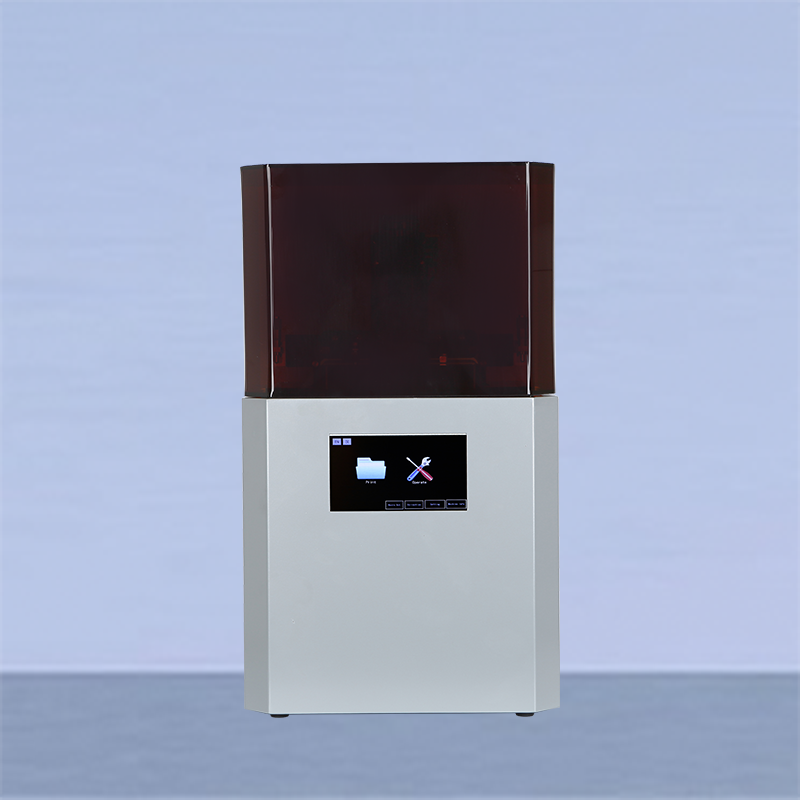
Understanding the key specifications of DLP resin printers is essential for importers and distributors to ensure they meet industry standards and customer expectations. The primary specifications include:
Layer Thickness: Typically ranging from 25 to 100 microns, layer thickness affects surface finish and detail. Thinner layers yield finer details but may increase print time.
Print Speed: Expressed in millimeters per hour, print speed indicates how fast the printer can produce parts. Faster printers can significantly enhance productivity, especially for high-volume applications.
Print Resolution: Measured in pixels per inch (PPI), this indicates the level of detail achievable. A higher resolution is essential for industries requiring precision, such as dental or jewelry manufacturing.
Material Compatibility: Different resins have varying properties, including flexibility, hardness, and temperature resistance. Ensure the printer can work with the specific resins required for your application.
Build Volume: This defines the maximum size of the parts that can be printed. Evaluate the dimensions based on typical product needs to prevent limitations in production.
Additionally, confirming the printer's compliance with relevant industry standards can enhance trust in the product's quality and reliability.
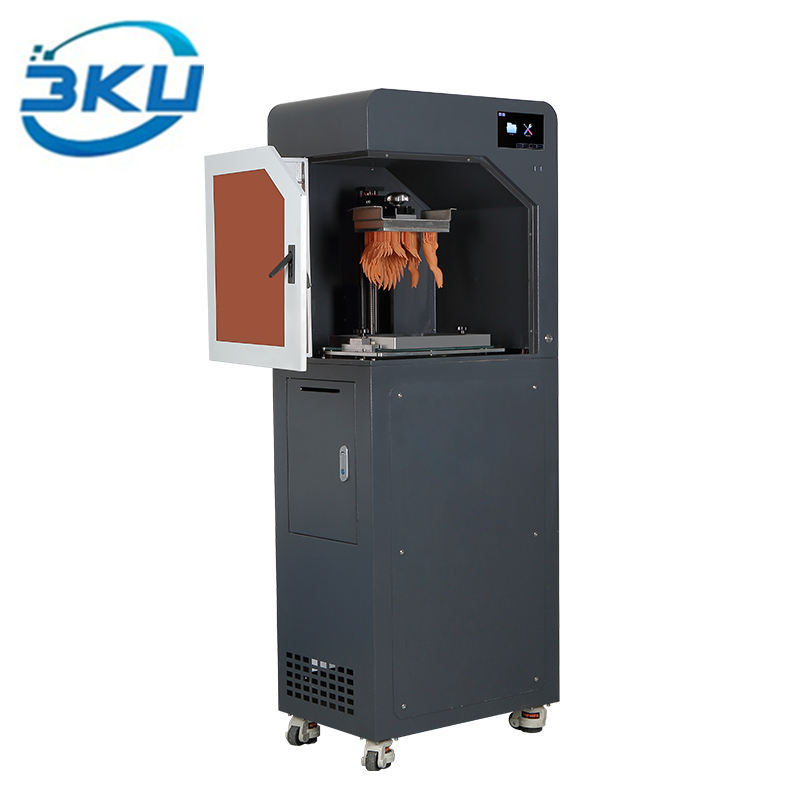
To ensure a smooth purchasing process for DLP resin printers, follow these essential steps:
Research and Identify Requirements: Determine the specific applications and requirements your business has, including print volume, material types, and desired print quality.
Request Samples: Before committing to a purchase, request samples to evaluate the printer's performance and the quality of the printed parts. This enables buyers to see firsthand how the shenzhen 3KU flexible resin 3d printer meets their expectations.
Evaluate Suppliers: Consider the manufacturer's reputation, customer service level, and technical support offerings. Reviews and testimonials from other buyers can provide insight into the supplier's reliability.
Discuss Customization Options: Engage with suppliers about customization capabilities. This can include software modifications, printer design alterations, or specific functionality enhancements to meet unique operational needs.
Confirm Pricing and Lead Times: Understand the pricing structure, including any minimum order quantities (MOQ), and clarify lead times for delivery. This information is crucial for planning production schedules.
By following these steps, buyers can make informed decisions that align with their operational goals.
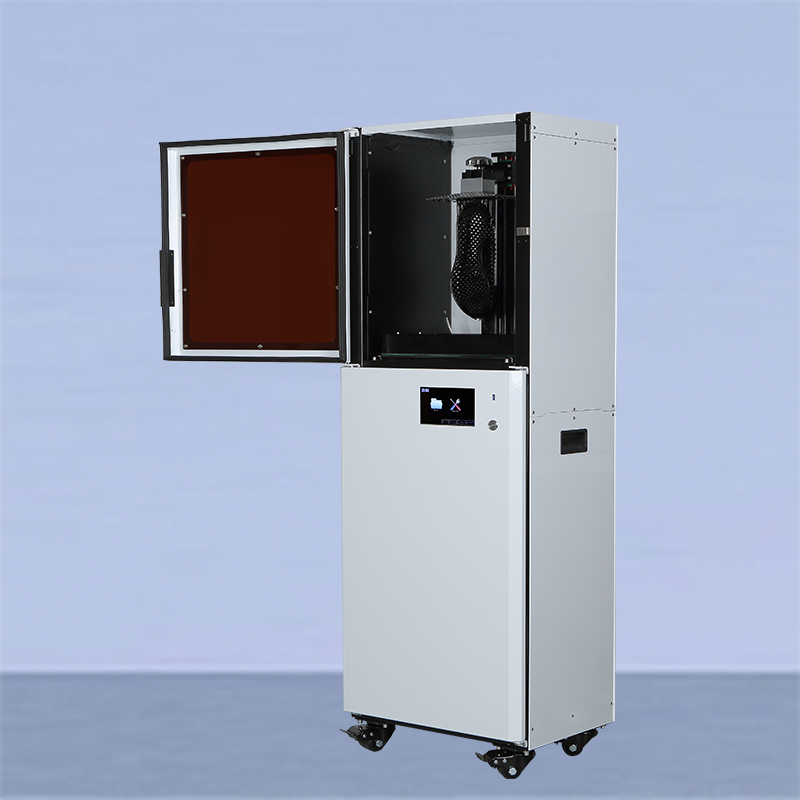
Despite their advantages, DLP resin printers can encounter several common issues that may affect production quality. Here are some typical problems and recommended solutions:
Layer Adhesion Issues: Poor adhesion between layers can lead to structural weaknesses in printed parts. To address this, ensure the printer is calibrated correctly and that the resin is mixed thoroughly. Implementing a proper curing process can also enhance layer bonding.
Print Failures: Failed prints can result from various factors, including incorrect settings or hardware malfunctions. Regular maintenance and calibration of the printer, along with monitoring environmental factors such as temperature and humidity, can minimize these failures.
Resin Curing Problems: Inconsistent curing can lead to defects in printed parts. It is essential to use high-quality resins and ensure that the printer's light source is functioning optimally. Regularly check the light's intensity and replace it as needed to maintain consistent performance.
Print Surface Quality: If parts have a rough surface finish, consider adjusting the layer thickness or print speed. Performing post-processing steps, such as sanding or polishing, can also improve the final appearance.
Understanding these common issues and their solutions can help buyers maintain efficient operations and minimize downtime.
Our printers are applied across a range of industries, such as 3d pottery printer, Temples, Dentals, Ceramics, etc.. We offer a wide range of customized services. We provide a broad range of customized services, including the design of the packaging along with the software, branding, packaging and many other functions. We provide our customers with 3D printers for the cheapest prices with high quality, functionality and efficacy.
Since 2012 our founder has been working with 3D printers from FDM to DLP, Dlp 3d printer. He believes that "3d technology is going to bring about another industrial revolution". We strive to provide more services and technical support for 3D printer lovers who support us in a big way! We have the lowest priced tower packaging. We offer a courteous service and swiftly respond to changes in the market.
Our printers, founded on an original layout, design and structure, but more importantly our outstanding team of researchers use in a 3d printing and jewelry of sectors like Dental castings and crowns Jewelry casts, Garage Kits, Precise Moldings, etc. You can request free samples. We can print STL files on our printers and show you how they function as well as the results before purchasing.
Shenzhen 3KU Technology and Science Co. LTD was established in 2014. Within a few years of marketing and development, our brand 3KU is well-known to 3d printer 3 d printer jewelry and users. We offer a complete technical support, printing technology, after casting processes, and a lifetime warranty. We provide professional technology and a customized service to help with casting and printing issues across different fields.
Copyright © Shenzhen 3KU Technology and Science Co., LTD. All Rights Reserved Privacy Policy Blog
 EN
 AR
 BG
 HR
 CS
 DA
 NL
 FI
 FR
 DE
 EL
 HI
 IT
 JA
 KO
 NO
 PL
 PT
 RO
 RU
 ES
 SV
 TL
 IW
 ID
 SR
 SK
 SL
 VI
 ET
 HU
 TH
 TR
 FA
 MS
 GA
 CY
 BE
 IS
 MY