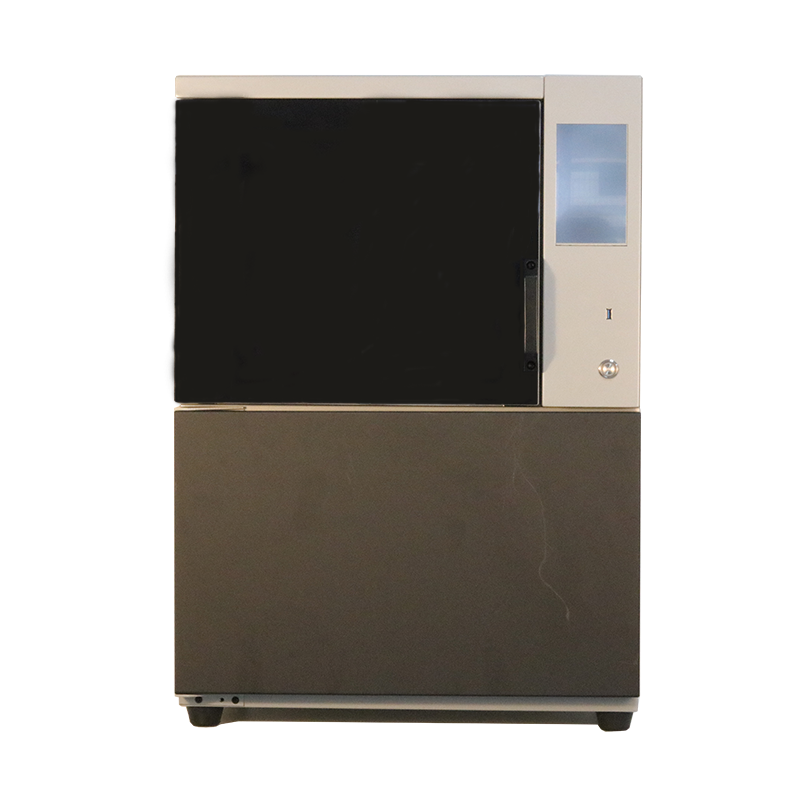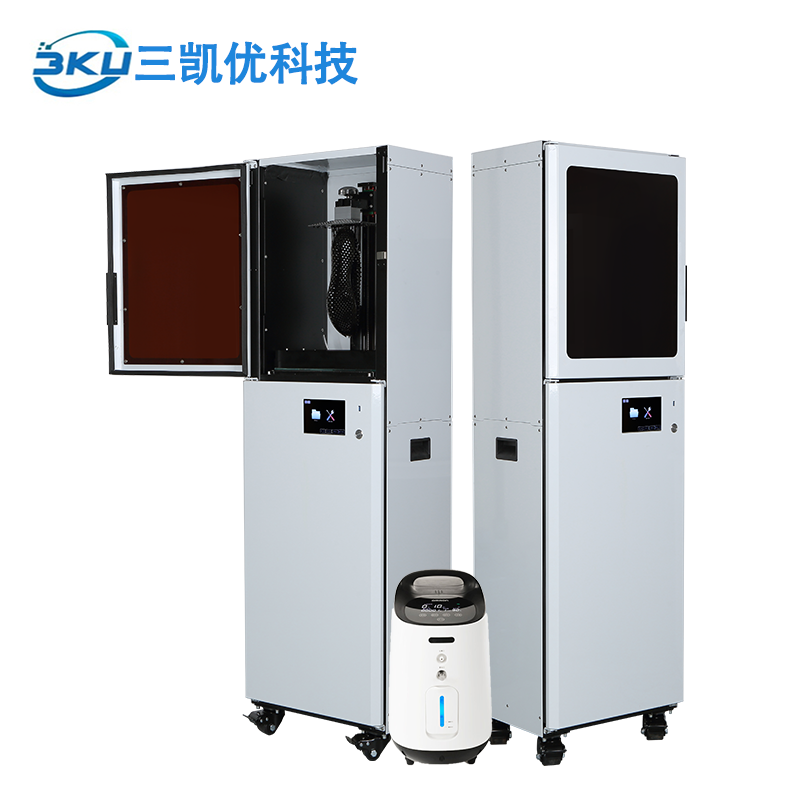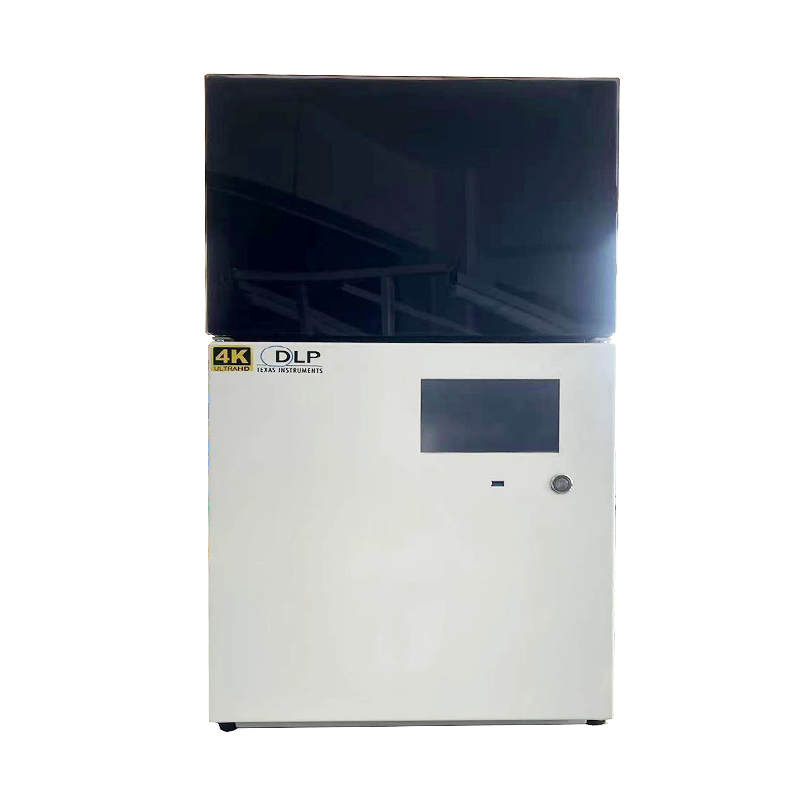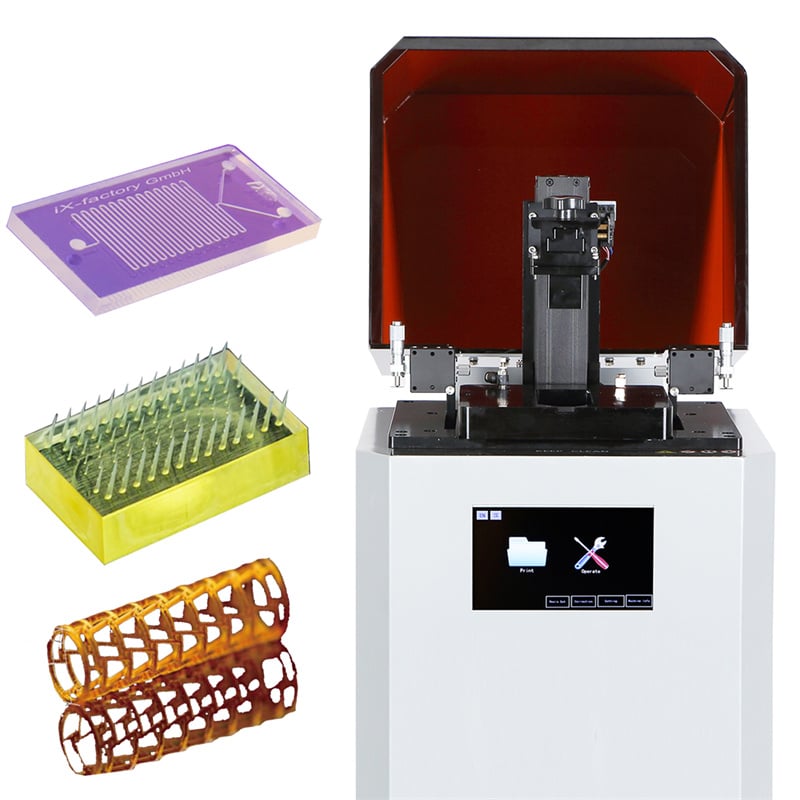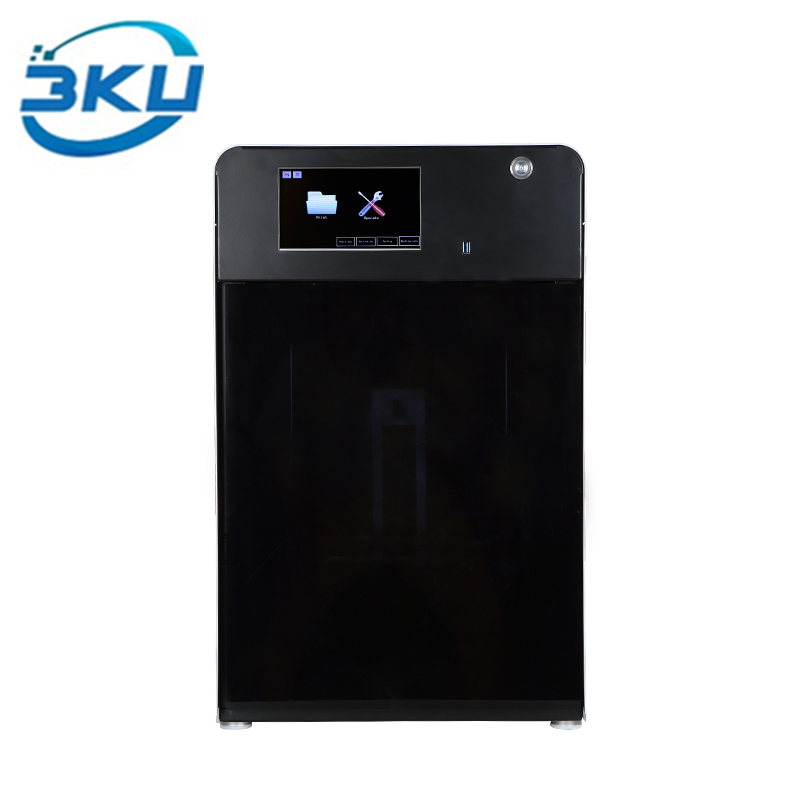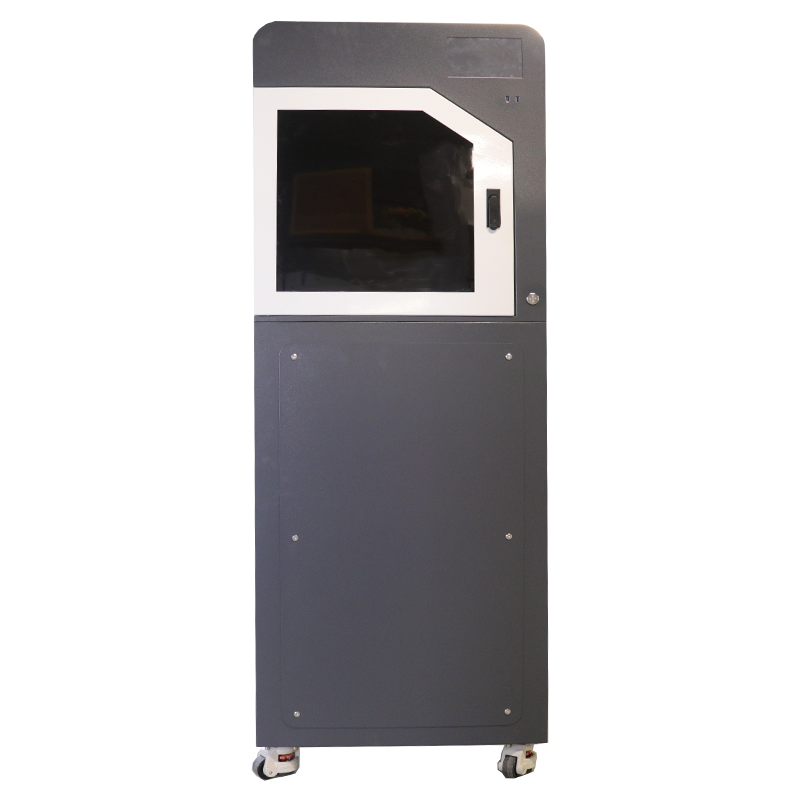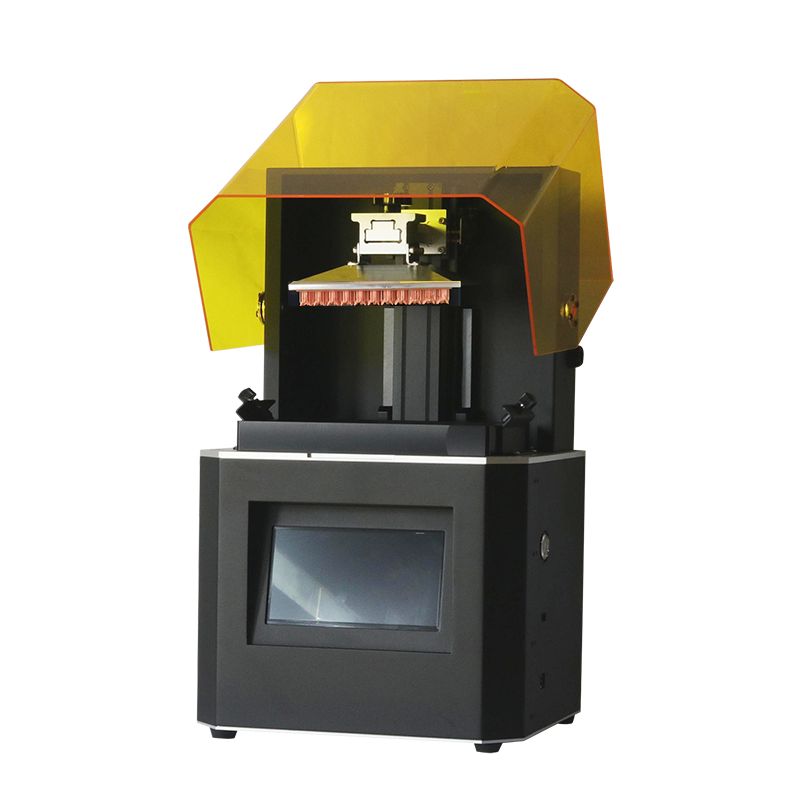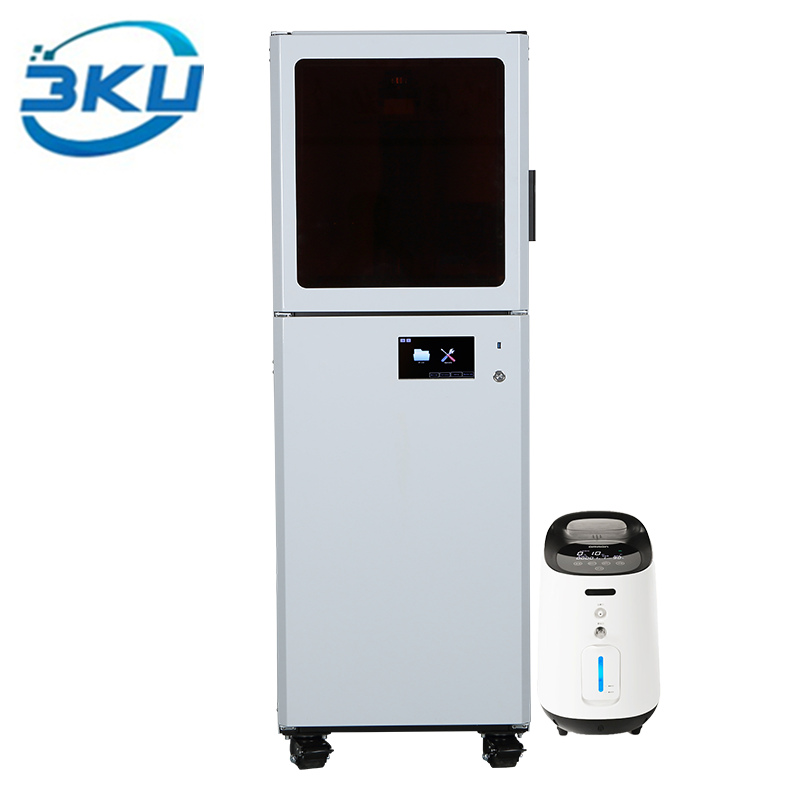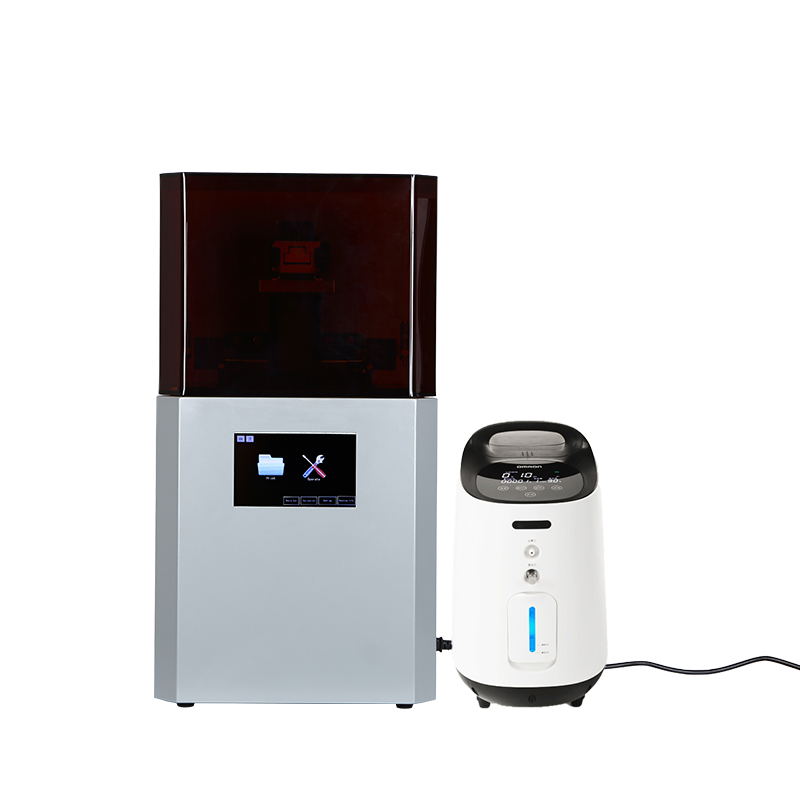
When considering the integration of 3D printing technology into your business, understanding the differences between SLA and DLP printers is essential. Both technologies offer unique advantages and applications, particularly in specialized fields such as dental, jewelry, and precise molding. This article will guide purchasing managers and industrial buyers through the critical factors to consider when selecting SLA and DLP printers, including specifications, cost factors, common issues, and expert evaluation tips, ensuring you make an informed decision for your manufacturing needs.
Choosing between SLA (Stereolithography) and DLP (Digital Light Processing) printers involves evaluating your specific application requirements and production needs. Both technologies utilize resin to create models layer by layer, but they differ in their processes and outcomes.
Application Suitability: Identify the primary applications for your 3D prints. SLA printers are known for producing high-resolution parts with intricate details, making them ideal for dental molds and jewelry designs. In contrast, DLP printers are faster due to their ability to cure an entire layer of resin at once, making them suitable for larger production runs.
Production Volume: Consider your production volume. DLP printers tend to offer faster print times and can handle larger batches due to their layer curing method. SLA printers may require more time for complex models but can handle intricate designs that demand precision.
Material Compatibility: Different resins are compatible with SLA and DLP printers. Evaluate the types of materials you need based on the end-product requirements, such as flexibility, temperature resistance, or biocompatibility, especially for medical applications.
Customization Needs: If your projects require customized solutions, ensure the printer can accommodate specific functionalities and designs. Shenzhen 3KU Technology offers comprehensive customization services that can help tailor printers to unique project requirements.
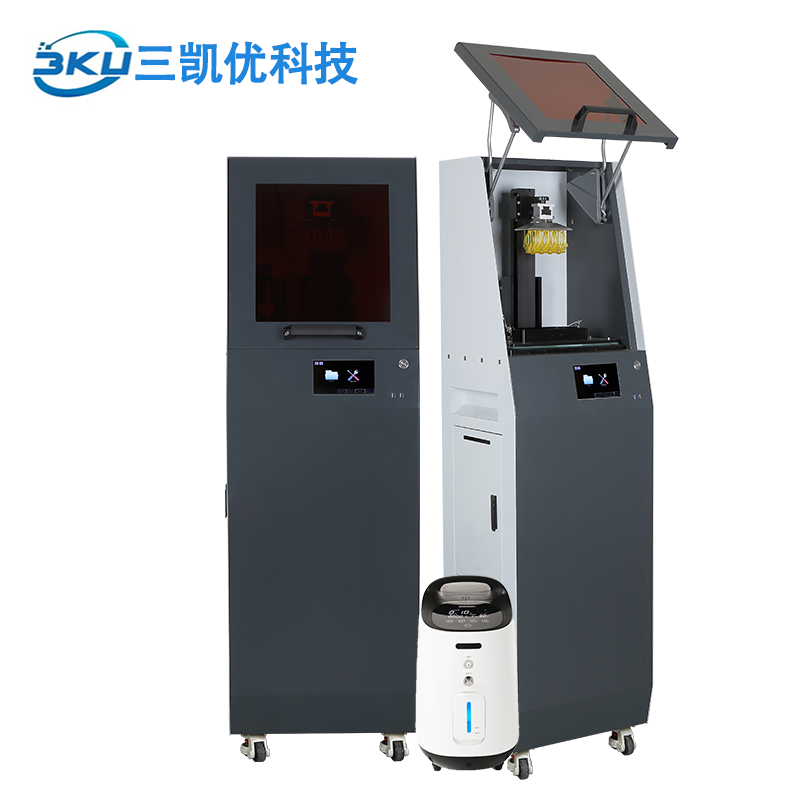
When evaluating SLA and DLP printers, several key specifications should guide your purchase decision:
Print Resolution: This is critical for achieving the detail required in high-precision applications. SLA printers typically offer resolutions as fine as 25 microns, while DLP printers may range from 30 to 50 microns. Higher resolution leads to finer details but can also increase print time.
Build Volume: Assess the maximum dimensions of the parts you intend to produce. SLA models may be limited in size, while DLP printers can often accommodate larger builds.
Layer Height: The thickness of each printed layer affects the overall finish and speed. A smaller layer height produces smoother surfaces but increases print time. Consider your balance between quality and efficiency.
Printing Speed: DLP printers generally outpace SLA printers due to their layer curing method. Understanding your timeline for production can affect your choice significantly.
Resin Types: Different resins have distinct properties (e. g., rigidity, elasticity, or transparency). Ensure the printer you choose can utilize the resin types appropriate for your applications.
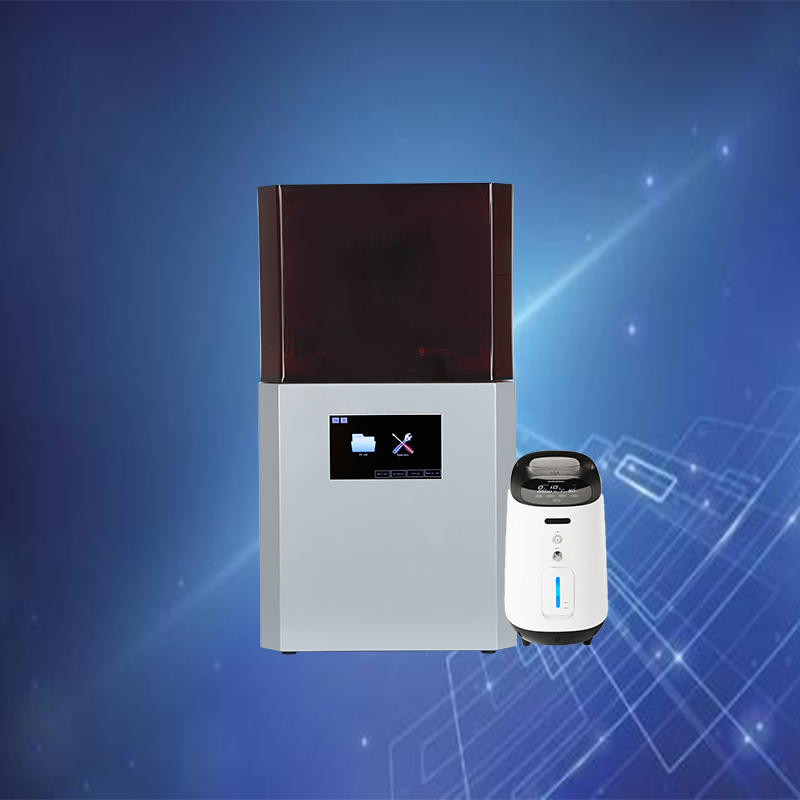
Pricing for SLA and DLP printers can vary widely based on several factors:
Initial Investment: The upfront cost of SLA printers tends to be lower than DLP systems, but the total cost of ownership must be evaluated over time, considering material costs and maintenance.
Material Costs: The price of resin varies significantly; DLP printers may utilize less expensive resins due to their efficiency. Consider the ongoing costs of resin, as well as any additional materials required for post-processing.
Customization and Features: Additional features, such as advanced software or specialized hardware for specific applications, can increase costs. When purchasing in bulk, negotiate for customization options that align with your production needs.
Maintenance and Support: Factor in the availability of technical support and maintenance services. Manufacturers like Shenzhen 3KU Technology provide lifetime technical support, which can be invaluable in minimizing downtime.
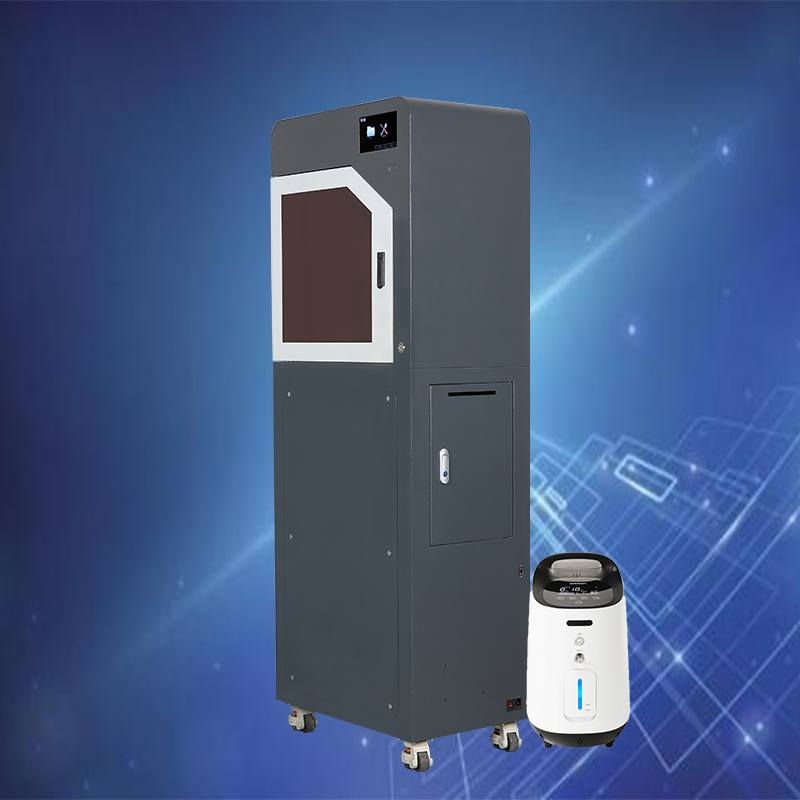
Understanding potential issues with SLA and DLP printers can save time and resources:
Print Failures: Common causes include improper calibration, incorrect settings, or material issues. Regularly check and calibrate your printer, and ensure you're using compatible resin.
Surface Quality: Layer lines and surface imperfections can occur. Adjusting printing parameters, such as layer height and speed, can improve finish quality.
Post-Processing Challenges: Both printing technologies require post-processing, including cleaning and curing. Ensure you have the right equipment and procedures in place to handle these steps efficiently.
Material Limitations: Some resins may not perform well under specific conditions. Always evaluate material suitability for your intended application before production begins.
Shenzhen 3KU Technology and Science Co. LTD was 3d print ceramic in 2014. Within a few years of developing and marketing our brand, 3KU is known well by 3d printer users and fans. We provide complete technical support, printing technology, post processing, casting methods and lifetime warranty. We can provide highly professional technology and customizing services to help with casting and printing issues in various areas.
Based on a unique design and structure, especially our outstanding research team, our printers can be found in various industries, including Dental cast and crown, Jewelry cast, Alumina 3d printing, Precise Molding, ect. We offer free samples. We can print stl files on our printers and show you how they operate and the results before purchasing.
The founder of our company has been working on 3D printers since 2012, starting with FDM, DLP, SLA. He is convinced that "3d technology will lead another industrial revolution". We strive to provide more Dlp printer and technical support to 3d printer enthusiasts who believe in us strongly! We have the best priced tower packaging. We provide considerate support and quickly respond to market needs.
Our printers have been employed in many industries including jewelry, Temples Dentals, Ceramics and more. Our Alumina 3d printing are ideal. We provide a variety of custom services, such as packaging design and software, branding, packaging and many more. We provide our clients the best priced 3d printers that are of good quality, practical utility and high-efficiency.
Copyright © Shenzhen 3KU Technology and Science Co., LTD. All Rights Reserved Privacy Policy Blog
 EN
 AR
 BG
 HR
 CS
 DA
 NL
 FI
 FR
 DE
 EL
 HI
 IT
 JA
 KO
 NO
 PL
 PT
 RO
 RU
 ES
 SV
 TL
 IW
 ID
 SR
 SK
 SL
 VI
 ET
 HU
 TH
 TR
 FA
 MS
 GA
 CY
 BE
 IS
 MY