
 EN
EN
 AR
AR
 BG
BG
 HR
HR
 CS
CS
 DA
DA
 NL
NL
 FI
FI
 FR
FR
 DE
DE
 EL
EL
 HI
HI
 IT
IT
 JA
JA
 KO
KO
 NO
NO
 PL
PL
 PT
PT
 RO
RO
 RU
RU
 ES
ES
 SV
SV
 TL
TL
 IW
IW
 ID
ID
 SR
SR
 SK
SK
 SL
SL
 VI
VI
 ET
ET
 HU
HU
 TH
TH
 TR
TR
 FA
FA
 MS
MS
 GA
GA
 CY
CY
 BE
BE
 IS
IS
 MY
MY

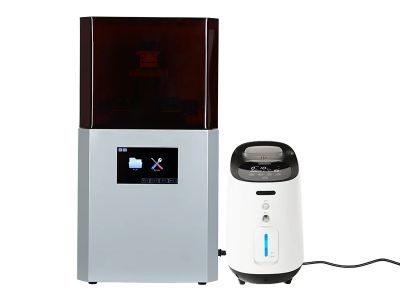
Selecting the right dental 3D printer for labs is crucial for achieving high-quality results in dental applications. With various options available on the market, buyers need to consider essential factors such as specifications, material compatibility, and supplier reliability. This article covers what to consider when selecting a dental 3D printer for labs, helping purchasing managers, engineers, and product managers make informed decisions.
What to Consider When Choosing a Dental 3D Printer for Labs?
When choosing a dental 3D printer, it’s essential to assess your specific needs and the capabilities of the printer. Key considerations include the printer's technology (FDM, DLP, SLA), build size, resolution, and material compatibility. Each technology offers different advantages, such as print speed, surface finish, and material choices. For instance, SLA ceramic 3d printer generally provide higher detail and are preferred for intricate dental models, while FDM printers may be suitable for less detailed applications. Another important factor is the manufacturer's customization options. Companies like Shenzhen 3KU Technology and Science Co., LTD provide tailored solutions for software, functionality, and design. Understanding your requirements for customization can help ensure that the printer aligns with your lab's workflow and output needs.
What to Look For?
When evaluating dental 3D printers, consider the following aspects:
Build Volume: Ensure the printer can accommodate the size of the dental models you intend to produce. A larger build volume may be necessary for printing multiple models simultaneously.
Resolution: Look for printers with high resolution, as this directly impacts the fidelity of dental models. Check the layer thickness and XY resolution specifications to understand the printer's capabilities.
Material Variety: Ensure that the printer supports a range of biocompatible materials suitable for dental applications. Materials such as dental resins for crowns, bridges, and aligners are crucial for achieving desired results.
User-Friendly Interface: A dlp 3d printer with an intuitive interface will streamline the printing process, making it easier for lab technicians to operate.
Technical Support: Reliable manufacturers should offer lifetime technical support and guidance on printing technology, which can be invaluable for troubleshooting and maintenance.
How to Evaluate the Quality of Dental 3D Printers?
Evaluating the quality of dental 3D printers involves several factors:
Print Samples: Request print samples from the manufacturer to assess the quality of finished products. Look for details such as surface smoothness, dimensional accuracy, and feature resolution.
User Reviews and Case Studies: Research reviews from other dental labs that have used the printer. Case studies can provide insights into the printer's performance in real-world applications.
Quality Control Processes: Understand the manufacturer's quality assurance measures. A robust quality control process ensures that every printer meets high production standards before it reaches the customer.
Certifications: Check if the digital light processing 3d printer complies with industry standards and certifications. This can indicate the reliability and safety of the device, especially when using materials intended for dental applications.
Warranty and Support: Evaluate the warranty terms and the level of customer service provided. A good warranty indicates the manufacturer's confidence in their product.
Where to Find Reliable Suppliers of Dental 3D Printers?
Finding reliable suppliers for dental 3D printers requires careful research. Start by exploring industry trade shows and exhibitions where manufacturers showcase their latest models. This allows you to interact with representatives, ask questions, and see the printers in action. Additionally, online platforms and industry-specific forums can provide insights into reputable suppliers. Look for companies with a strong presence in the dental industry and positive feedback from previous customers. Direct inquiries to manufacturers like Shenzhen 3KU Technology and Science Co., LTD can also lead to valuable information on product offerings and customization options. Finally, consider suppliers that provide a comprehensive support package, including installation, training, and ongoing technical assistance. This is crucial for ensuring that your lab can operate the printer effectively from day one.
Applications of Dental 3D Printers in Modern Dental Labs
Dental 3D printers are revolutionizing the way dental labs operate, offering a wide range of applications. These include:
Model Making: Accurate models of teeth and gums are essential for various dental procedures. 3D printers can produce highly detailed models that assist in planning treatments.
Custom Dental Appliances: Printers can create personalized dental appliances such as crowns, bridges, and dentures, which improve patient comfort and fit.
Surgical Guides: 3D printing allows for the creation of precise surgical guides that facilitate implant placements, enhancing the accuracy of dental surgeries.
Orthodontic Aligners: Dental 3D printers can produce clear aligners tailored to individual patient needs, streamlining the orthodontic treatment process.
Prototyping and Testing: Labs can use 3D printers to prototype new dental products or test materials, allowing for rapid iteration and innovation.
selecting the right dental 3D printer involves careful consideration of specifications, quality evaluation, and supplier reliability. By focusing on these areas, dental labs can enhance their operational efficiency and provide high-quality patient care.