
 EN
EN
 AR
AR
 BG
BG
 HR
HR
 CS
CS
 DA
DA
 NL
NL
 FI
FI
 FR
FR
 DE
DE
 EL
EL
 HI
HI
 IT
IT
 JA
JA
 KO
KO
 NO
NO
 PL
PL
 PT
PT
 RO
RO
 RU
RU
 ES
ES
 SV
SV
 TL
TL
 IW
IW
 ID
ID
 SR
SR
 SK
SK
 SL
SL
 VI
VI
 ET
ET
 HU
HU
 TH
TH
 TR
TR
 FA
FA
 MS
MS
 GA
GA
 CY
CY
 BE
BE
 IS
IS
 MY
MY

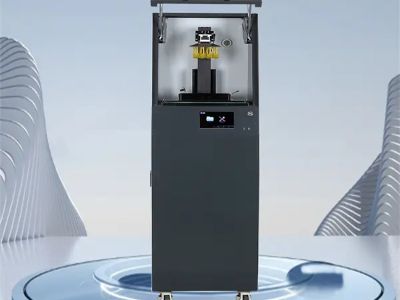
Ceramic DLP printing for complex industrial geometries is revolutionizing the way manufacturers create intricate parts and components. This advanced 3D printing technology allows for the precise fabrication of complex shapes that traditional methods struggle to achieve. As a B2B buyer, understanding the nuances of ceramic DLP printing is crucial, especially when considering applications in industries such as dental, jewelry, and precision molding. We will explore essential factors to consider when evaluating ceramic DLP printing options, the cost implications, and how to compare various solutions effectively.
Evaluating Ceramic DLP Printing Options
When assessing ceramic DLP printing options, buyers should focus on several key factors. First, consider the specifications of the printer, such as layer thickness, build volume, and the types of ceramic materials that can be used. Layer thickness impacts the resolution and surface finish of the printed part; finer layers provide higher detail but may increase printing time. The build volume determines the maximum size of the parts you can produce, which is critical for larger applications.
Another essential aspect is the printer's compatibility with various ceramic compositions. Different ceramics have unique properties that affect their performance in specific applications. For instance, if you require high strength and thermal resistance, you may need to select a printer that accommodates specialty ceramic materials. Finally, evaluate the manufacturer's customization capabilities to ensure that the printer can be tailored to meet your unique production needs.
Understanding the Cost Factors of Ceramic DLP Printing Technology
The cost of ceramic dlp printing technology can vary significantly based on several factors. First, the initial investment in the printer itself is often substantial, especially for high-end models designed for industrial applications. However, buyers should also consider operational costs, including the pricing of ceramic materials, maintenance, and energy consumption.
Additionally, the complexity of the geometries being printed can influence cost. Highly intricate designs may require more advanced software and longer print times, which can affect overall production costs. It's also wise to factor in the costs associated with post-processing, such as sintering, which is necessary to achieve the desired mechanical properties of the final product. As a general guideline, obtaining detailed quotations from multiple suppliers can help in understanding the true total cost of ownership for ceramic DLP printing solutions. 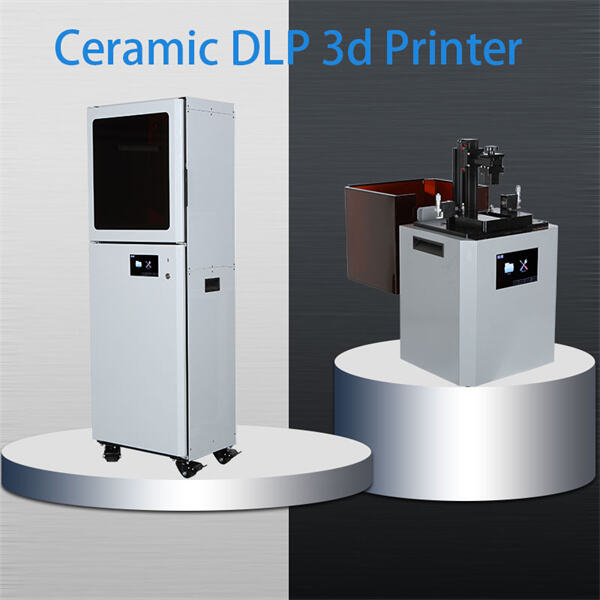
Comparing Ceramic DLP Printing Solutions for Industrial Projects
When comparing ceramic DLP printing solutions, focus on specific parameters relevant to your industrial project. Start by assessing the performance metrics, including print speed, accuracy, and surface finish quality. These factors will significantly affect the efficiency of your production process & the quality of the final parts.
It's also essential to consider the manufacturer's track record and support services. A reliable supplier will offer comprehensive technical support, including assistance with installation, troubleshooting, and ongoing maintenance. Furthermore, inquire about the availability of training programs for your staff to ensure they can operate the equipment effectively and maximize its capabilities.
Lastly, examine customer reviews and case studies from similar industries to gauge the real-world performance of the printing solution. This information can provide valuable insights into how well the printer meets the demands of complex industrial applications.
Trustworthy Sources for Ceramic DLP Printers
Finding a trustworthy supplier for ceramic DLP printers is crucial for ensuring that you receive high-quality equipment and support. Start by researching manufacturers with a proven track record in the 3D printing industry, particularly those specializing in ceramic applications. Look for companies that offer comprehensive product information, including technical specifications and detailed user manuals.
Additionally, consider suppliers who provide transparency in their manufacturing processes and quality control measures. Certifications related to quality management systems can further validate a manufacturer's credibility. Engaging with suppliers through industry trade shows, webinars, and technical forums can also help you establish relationships and gather first-hand feedback from other users.
Finally, don’t hesitate to request references or case studies that demonstrate the success of the equipment in real-world applications. A reputable supplier should be willing to share this information, providing you with added confidence in your purchasing decision.
Technical Installation Guidance for Ceramic DLP Printing Systems
Proper installation of ceramic dlp printing process systems is critical to maximizing performance & ensuring reliable operation. Manufacturers typically provide installation guidelines, which should be followed closely. This includes determining the right environmental conditions, such as temperature and humidity, which can influence print quality.
Before installation, it is advisable to conduct a thorough site assessment to ensure that all necessary utilities (e. g., electricity, ventilation) are available and that the work area is adequately prepared. Additionally, consider the layout of the printing system concerning workflow and access to maintenance points.
After installation, an initial calibration is often required to ensure the printer operates correctly. This may involve adjusting settings for layer thickness, exposure times, and material flow rates. Ongoing maintenance, including regular cleaning and software updates, will help maintain optimal performance and prolong the lifespan of the equipment.
In summary, ceramic DLP printing for complex industrial geometries presents a powerful solution for manufacturers seeking to innovate and improve their production capabilities. By carefully evaluating options, understanding cost factors, comparing solutions, sourcing trustworthy suppliers, and following proper installation guidance, buyers can make informed decisions that align with their specific needs.