
 EN
EN
 AR
AR
 BG
BG
 HR
HR
 CS
CS
 DA
DA
 NL
NL
 FI
FI
 FR
FR
 DE
DE
 EL
EL
 HI
HI
 IT
IT
 JA
JA
 KO
KO
 NO
NO
 PL
PL
 PT
PT
 RO
RO
 RU
RU
 ES
ES
 SV
SV
 TL
TL
 IW
IW
 ID
ID
 SR
SR
 SK
SK
 SL
SL
 VI
VI
 ET
ET
 HU
HU
 TH
TH
 TR
TR
 FA
FA
 MS
MS
 GA
GA
 CY
CY
 BE
BE
 IS
IS
 MY
MY

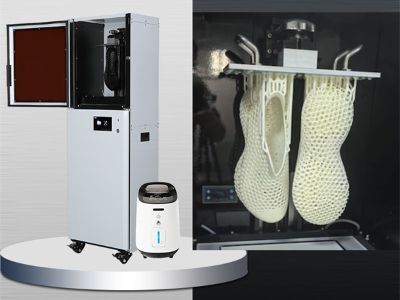
Top Down DLP 3D Printers for Ceramic Manufacturing are a specialized type of additive manufacturing technology designed to efficiently produce high-quality ceramic components. As a B2B buyer, you may have concerns about the compatibility of these printers with your production needs, the specifications that can affect output quality, and the reliability of suppliers. This article aims to provide detailed insights on choosing, evaluating, and utilizing Top Down DLP 3D Printers specifically for ceramic manufacturing, helping you make informed purchasing decisions
What to Consider When Choosing Top Down DLP 3D Printers for Ceramics
When selecting a Top Down DLP 3D Printer for ceramic manufacturing, consider several critical factors. First, assess the printer's build volume, which dictates the maximum size of components you can produce. Larger volumes are advantageous for bigger parts but may come with higher costs
Next, evaluate the printer's resolution and layer thickness. A higher resolution allows for finer details and smoother finishes, essential for applications like dental molds or intricate jewelry designs. Layer thickness affects the speed of production and the final surface quality; thinner layers yield better detail but increase print time
Material compatibility is also crucial. Ensure the printer supports the specific ceramic materials you plan to use, such as porcelain or stoneware, as each material may have varying requirements for curing and processing
Finally, consider the manufacturer’s support and warranty options. A reliable support system can be invaluable, especially during the initial setup and in case of technical issues
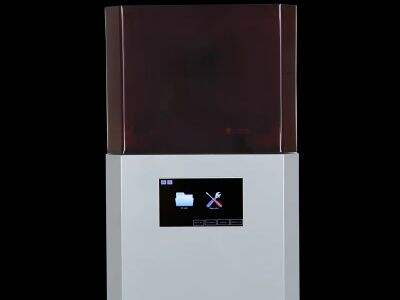
Key Specifications of Top Down DLP 3D Printers for Ceramic Production
Several key specifications should be reviewed when considering Top Down DLP 3D Printers for ceramic production
Light Source: The type of light source (LED vs. UV) can influence the curing speed and material compatibility. LED sources often provide faster curing times but may limit the range of materials that can be used effectively
Resolution: Look for printers with a high XY resolution (measured in microns), as this directly impacts the precision of the printed parts. High-resolution printers can produce complex geometries with tight tolerances
Build Speed: Measured in layers per hour, this specification indicates how quickly the printer can produce parts. Faster build speeds can significantly enhance productivity, especially in high-volume production environments
Post-Processing Requirements: Some printers may require more extensive post-processing, such as washing or additional curing. Understanding these requirements can help you gauge the overall efficiency of your workflow
Software Compatibility: The printer should come with user-friendly slicing software that can efficiently handle the specific needs of ceramic printing, including support structures and print orientation
By carefully reviewing these specifications, you can select a printer that aligns with your manufacturing goals
Finding Reliable Suppliers of DLP 3D Printers
When searching for reliable suppliers of Top Down DLP 3D Printers, consider their reputation in the industry. Look for manufacturers with experience specifically in ceramic printing. Supplier reviews, case studies, and testimonials can provide insight into their reliability and the quality of their equipment
Inquire about the supplier’s after-sales support, including technical assistance and parts availability. A supplier that offers comprehensive support can significantly reduce downtime in your production process
Additionally, verify if the supplier provides customization options for the printer, as this can be crucial for specific applications in ceramic manufacturing. Ensuring the supplier is willing to cater to your unique requirements can lead to better long-term collaboration
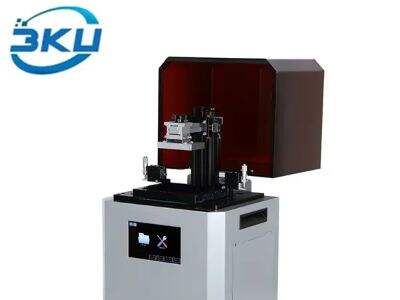
Where to Use Top Down DLP 3D Printers in Ceramic Manufacturing
Top Down DLP 3D Printers are versatile tools in the ceramic manufacturing process. They are particularly useful in applications such as dental prosthetics, jewelry design, and custom ceramics. In the dental industry, for instance, these printers allow for the rapid prototyping of crowns, bridges, and other intricate dental components with high precision
In jewelry manufacturing, the ability to create detailed patterns and designs can significantly enhance product offerings. The printers can efficiently produce molds for casting, which can save time and reduce material waste
Moreover, Top Down DLP 3D Printers can be employed in prototyping for ceramic products, allowing manufacturers to quickly iterate designs before full-scale production. This capability is essential in markets where design trends change rapidly, enabling manufacturers to stay competitive
Installation Guidance for Top Down DLP 3D Printers in Your Facility
Proper installation of Top Down DLP 3D Printers is vital to ensure optimal performance. Begin by assessing the space requirements, including power supply and ventilation considerations. Ensure that the installation area is clean and free from dust, which can affect print quality
Next, follow the manufacturer’s installation guidelines carefully. This often includes leveling the printer and calibrating the build platform to ensure accurate prints. Pay attention to the light source installation, as improper positioning can lead to uneven curing
Once installed, conduct a test print to verify the setup. This initial print can help identify any calibration issues or adjustments needed before full production begins
Finally, familiarize your team with the operation and maintenance of the printer. Understanding routine maintenance tasks, such as cleaning the resin tank and checking for software updates, can prolong the printer's lifespan and maintain quality output
By taking these steps, you can ensure a smooth integration of Top Down DLP 3D Printers into your ceramic manufacturing operations, enhancing productivity and product quality
Table of Contents
- What to Consider When Choosing Top Down DLP 3D Printers for Ceramics
- Key Specifications of Top Down DLP 3D Printers for Ceramic Production
- Finding Reliable Suppliers of DLP 3D Printers
- Where to Use Top Down DLP 3D Printers in Ceramic Manufacturing
- Installation Guidance for Top Down DLP 3D Printers in Your Facility