
Choosing the right 3D printing technology is crucial for any manufacturing project, especially when considering SLA (Stereolithography) and DLP (Digital Light Processing) printers. Both technologies offer unique advantages for different applications, but they also come with specific considerations that buyers must evaluate. This article will help purchasing managers, engineers, and product managers understand what to consider when selecting sla and dlp printers, focusing on specifications, cost factors, and applications to ensure optimal results for their projects.
When selecting between SLA and DLP printers, several key factors come into play. First, assess the specific requirements of your projects, including resolution, print speed, and material compatibility. The dlp sla printers excel in producing high-resolution prints with intricate details, making them ideal for applications in sectors like dental and jewelry manufacturing. DLP printers, on the other hand, often offer faster print speeds due to their ability to cure an entire layer of resin simultaneously, making them suitable for larger production runs.
Consider the volume of production as well. If the goal is to produce small batches with high detail, SLA may be the better choice. Conversely, for larger batches where speed is essential, DLP could be more appropriate. Additionally, think about the long-term maintenance and operational costs associated with each technology. SLA printers usually require more upkeep due to their more complex mechanics, while DLP printers can be more straightforward but might need more frequent material changes.
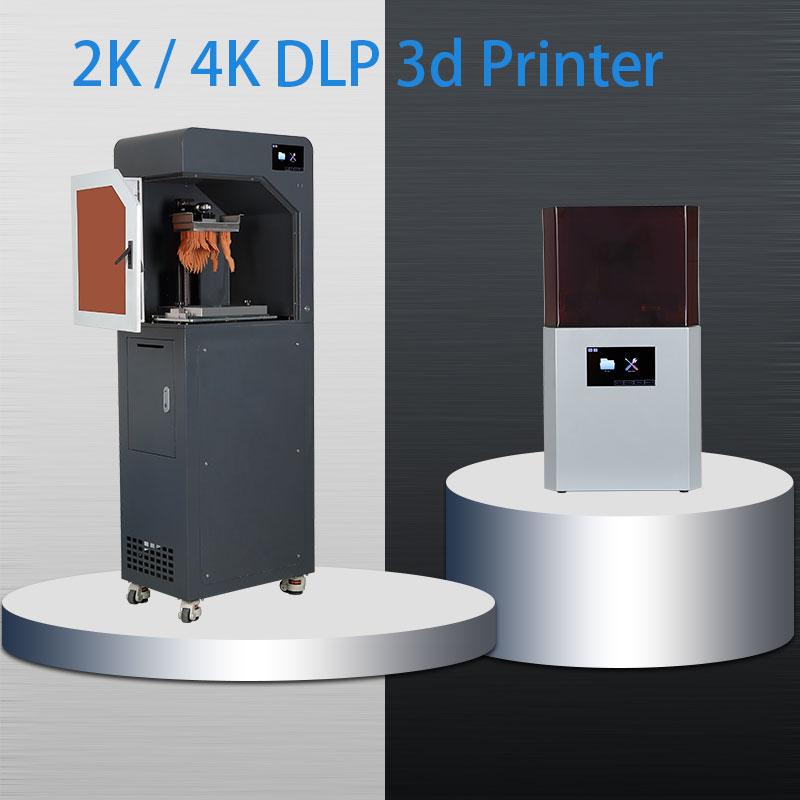
Understanding the specifications of SLA and DLP printers is vital for making an informed purchase. Here are some of the critical specifications to consider:
Resolution: SLA printers typically achieve finer resolutions (up to 25 microns) compared to DLP printers (around 50-100 microns). This can significantly impact the detail of the final product.
Build Volume: Evaluate the maximum build size of the printers. SLA printers usually have a smaller build volume compared to DLP printers, which can handle larger prints.
Layer Thickness: The ability to adjust layer thickness can influence the surface finish and speed of printing. SLA printers often provide more flexibility in layer height adjustments.
Material Compatibility: Different resin types can affect the durability and application of printed parts. Make sure the printer can use the materials relevant to your projects.
Print Speed: DLP printers generally offer faster print speeds due to their ability to cure entire layers at once, which may be crucial for high-volume production.
Buyers should also inquire about the printer's software capabilities, including features for slicing and optimizing print files, as well as the manufacturer’s support for different materials.
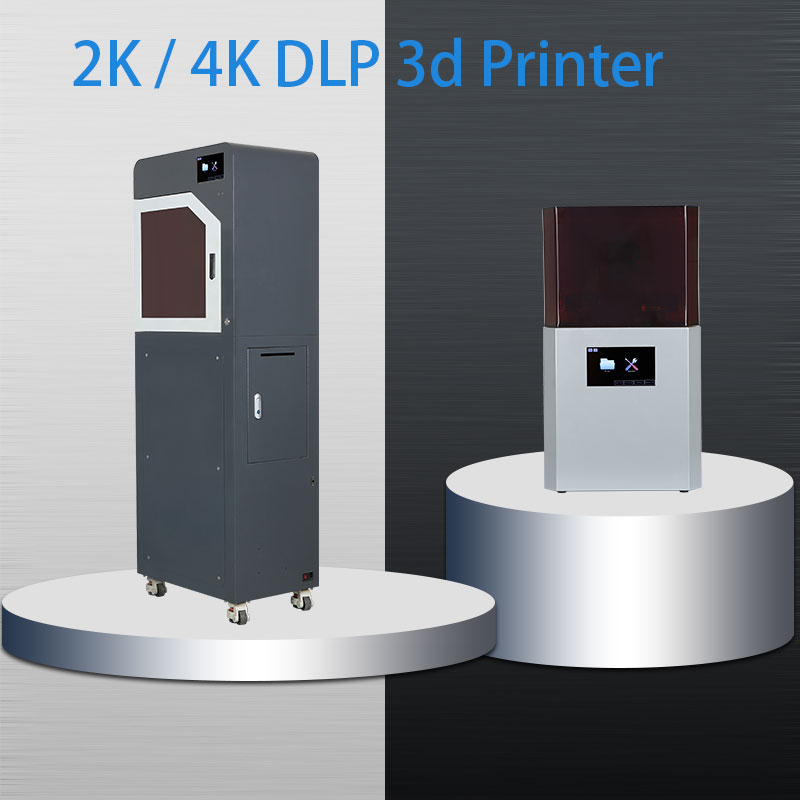
Both SLA and DLP technologies have unique strengths that cater to various printing requirements. SLA printers are renowned for their superior accuracy and surface finish, making them the preferred choice for applications requiring intricate details, such as in dental aligners or jewelry settings. However, they typically have slower print speeds, which can be a drawback for high-volume production.
On the other hand, DLP printers shine in scenarios where speed is critical. Their layer-by-layer curing process allows for quicker output, making them advantageous for industries that require rapid prototyping or production, such as automotive and consumer goods. However, the resolution may not match that of SLA when producing highly detailed prints.
Ultimately, the choice between SLA and DLP should be dictated by the specific needs of your projects, balancing detail, speed, and material requirements.
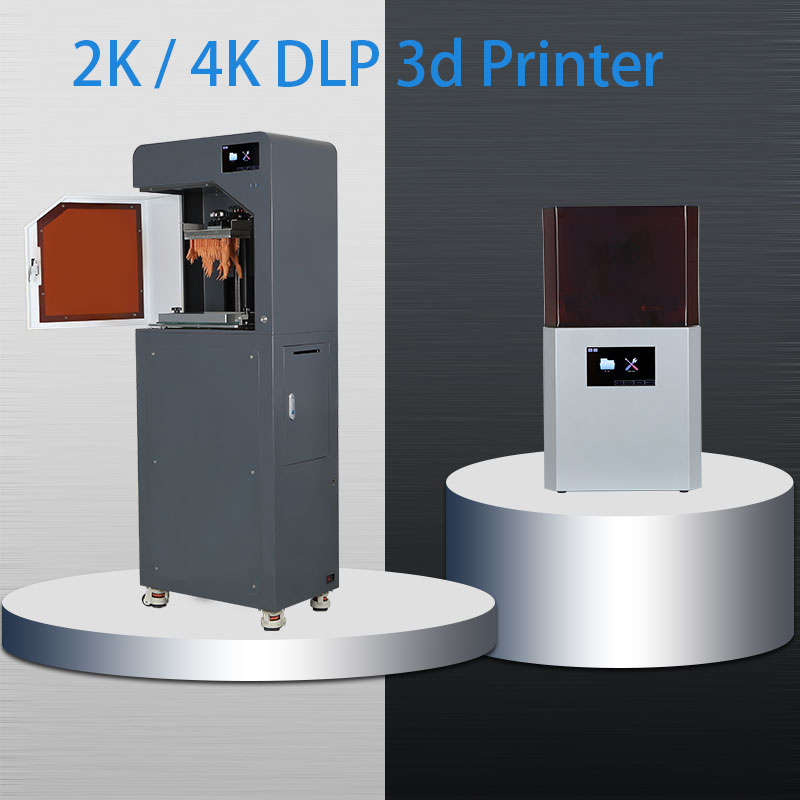
When sourcing SLA and DLP printers, it’s essential to consider several cost factors that may influence your overall budget.
Initial Purchase Price: SLA printers tend to have a higher upfront cost compared to dlp sla printer, which can be a significant factor for businesses operating under tight budget constraints.
Material Costs: Evaluate the ongoing costs of resin for both technologies. While SLA resins can be more expensive, DLP printers might require specific materials that could also carry a premium.
Maintenance and Repairs: Factor in potential maintenance costs. SLA printers may need more frequent servicing due to their complex mechanisms, while DLP printers might incur costs related to their light source longevity.
Operational Costs: Assess the efficiency and power consumption of each printer. DLP printers often offer better energy efficiency, which can lead to savings over time.
Customization Options: If your projects require specific customizations, consider how these will impact the price. Custom software or specialized materials may increase costs significantly.
By understanding these factors, buyers can make a more informed decision that aligns with their financial constraints and production goals.
Our founder is working on 3D printers since 2012, starting from FDM, DLP, SLA. He believes in "3d technology will trigger another 3d pottery printer"! We do our best to offer more service and technical support for 3D printer lovers who support us strongly! We have the best priced tower packaging. We offer a friendly service and are able to react quickly to market trends.
Shenzhen 3KU Technology and Science Co., LTD is established in the year 2014. Within just a few years of developing and marketing, our brand 3KU is well-known by 3d printer fans and users. We offer a complete technical support, printing technology, after processing, casting methods and a 3d printing jewelry. We provide professional technology and customized services, solving casting and printing issues across different fields.
Based on a unique design and structure, especially our outstanding research team, our printers can be found in various industries, including Dental cast and crown, Jewelry cast, 3d pottery printer, Precise Molding, ect. We offer free samples. We can print stl files on our printers and show you how they operate and the results before purchasing.
Our printers are applied across a range of industries, such as 3d pottery printer, Temples, Dentals, Ceramics, etc.. We offer a wide range of customized services. We provide a broad range of customized services, including the design of the packaging along with the software, branding, packaging and many other functions. We provide our customers with 3D printers for the cheapest prices with high quality, functionality and efficacy.
Copyright © Shenzhen 3KU Technology and Science Co., LTD. All Rights Reserved Privacy Policy Blog
 EN
 AR
 BG
 HR
 CS
 DA
 NL
 FI
 FR
 DE
 EL
 HI
 IT
 JA
 KO
 NO
 PL
 PT
 RO
 RU
 ES
 SV
 TL
 IW
 ID
 SR
 SK
 SL
 VI
 ET
 HU
 TH
 TR
 FA
 MS
 GA
 CY
 BE
 IS
 MY