
 EN
EN
 AR
AR
 BG
BG
 HR
HR
 CS
CS
 DA
DA
 NL
NL
 FI
FI
 FR
FR
 DE
DE
 EL
EL
 HI
HI
 IT
IT
 JA
JA
 KO
KO
 NO
NO
 PL
PL
 PT
PT
 RO
RO
 RU
RU
 ES
ES
 SV
SV
 TL
TL
 IW
IW
 ID
ID
 SR
SR
 SK
SK
 SL
SL
 VI
VI
 ET
ET
 HU
HU
 TH
TH
 TR
TR
 FA
FA
 MS
MS
 GA
GA
 CY
CY
 BE
BE
 IS
IS
 MY
MY

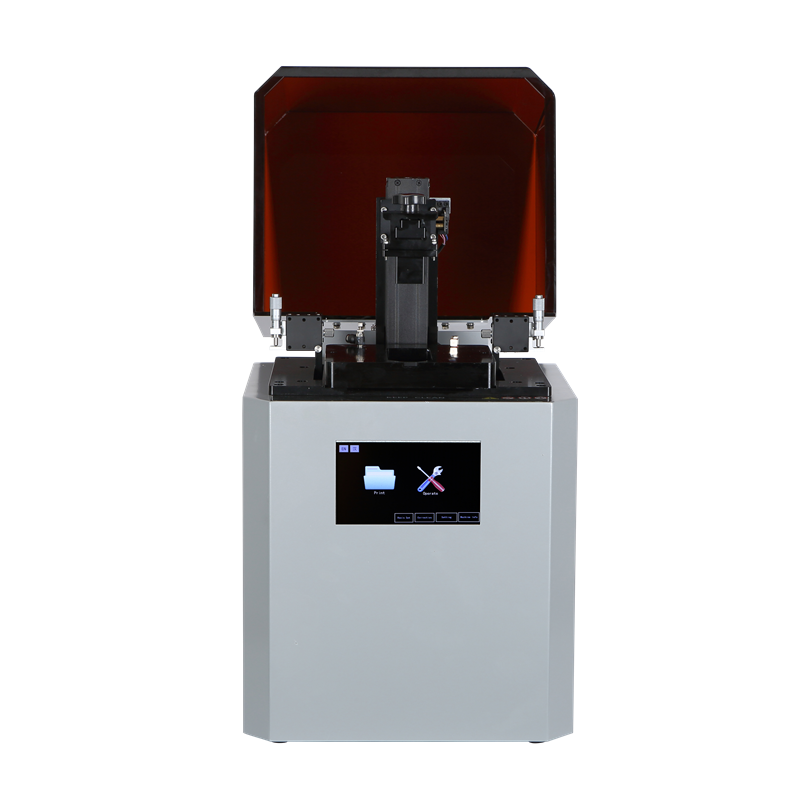
Understanding what defines resolution in ceramic DLP 3D printing is crucial for professionals in industries such as dental, jewelry, and precise molding applications. Resolution impacts the final product's detail and accuracy, which are significant factors for buyers concerned with quality and functionality. This article will break down the technical aspects of resolution in ceramic DLP 3D printing, guiding you through important specifications, selection criteria for printers, and how to evaluate suppliers effectively.
What Defines Resolution in Ceramic DLP 3D Printing for Buyers
Resolution in ceramic DLP 3D printer refers to the level of detail that can be achieved in the printed object. It is determined by several factors, including the pixel size of the projector, layer thickness, and the precision of the printing process. A higher resolution means finer details, which is particularly important in applications like dental models or intricate jewelry designs.
Buyers should be aware that while higher resolution can lead to superior quality, it often comes at the cost of longer printing times and potentially higher material consumption. Therefore, understanding the balance between resolution and production efficiency is key. This knowledge allows buyers to select the right printer that meets their specific application needs without compromising on quality or increasing costs unnecessarily.
How to Choose the Right DLP 3D Printer for Your Projects
Selecting a DLP 3D printer for ceramic applications involves evaluating several criteria beyond resolution. First, consider the size of the build platform, as this will determine the maximum dimensions of your printed objects. Next, look at the printer's layer resolution capabilities, which should align with your project's quality requirements.
Material compatibility is another critical factor. Ensure that the printer can process the specific ceramic materials you plan to use, as different materials may require different printing conditions and settings. Customization capabilities are also essential; a printer that can be tailored to meet your specific needs can enhance both the quality of the output and the efficiency of the printing process.
Finally, consider the manufacturer's technical support and warranty offerings. A reliable manufacturer, like Shenzhen 3KU Technology and Science Co., LTD, provides lifetime technical support, which is invaluable for troubleshooting and ongoing operation.
Key Specifications That Impact DLP 3D Printing Resolution
Several key specifications significantly influence the resolution of ceramic 3D printer:
Pixel Size: The smaller the pixel size, the finer the details that can be printed. A projector with a smaller pixel size can produce higher resolution images, which translates to better quality prints.
Layer Thickness: This refers to the height of each layer of material that is printed. Thinner layers generally allow for more detailed prints but may increase the overall printing time.
Print Speed: This is the rate at which the printer can produce layers. While faster printing speeds can enhance productivity, they may compromise resolution. Buyers should assess the trade-off between speed and quality based on their specific requirements.
Material Viscosity: The viscosity of the ceramic material used can also affect resolution. Higher viscosity materials may not flow as easily, potentially leading to less precise details.
Projector Resolution: The resolution of the DLP projector itself is crucial. A high-resolution projector can project finer details onto the build platform, resulting in a more accurate print.
Evaluating these specifications will equip buyers with the necessary insights to make informed decisions about their DLP 3D printer selection.
Evaluating Supplier Reliability for DLP 3D Printing Solutions
When selecting a supplier for ceramic 3D printing service solutions, reliability is paramount. Start by assessing the supplier's reputation in the industry. Look for feedback from previous clients and inquire about their experiences regarding product quality and after-sales support.
It's also essential to verify the supplier's manufacturing capabilities. A manufacturer like Shenzhen 3KU Technology and Science Co., LTD, known for its diverse offerings, including FDM, DLP, and SLA models, should demonstrate robust production processes and quality control measures. Requesting certifications and quality assurance processes can further help gauge a supplier's reliability.
Additionally, inquire about customization options. A capable supplier should offer flexibility in terms of design and functionality, ensuring that the printer can meet your specific application needs. Finally, consider their technical support and warranty policies. A supplier that provides comprehensive support is invaluable for ensuring smooth operations post-purchase.
Common Problems in DLP 3D Printing and Their Solutions
DLP 3D printing can present several common challenges that buyers should be prepared to address:
Print Failures: Often caused by improper calibration or material issues, print failures can be mitigated by ensuring that the printer is correctly set up and that the materials used are suitable for the specific printer model. Regular maintenance and calibration checks can also help prevent these issues.
Layer Adhesion Problems: Inadequate adhesion between layers can occur if printing conditions are not optimal. Buyers should monitor environmental conditions like temperature and humidity, as these can significantly affect adhesion.
Resolution Limitations: If prints do not meet the desired resolution, this may stem from a mismatch between the printer specifications and the material characteristics. It is essential to confirm that both the printer and material are compatible and to adjust settings accordingly.
Material Curing Issues: Over-curing or under-curing of ceramic materials can result in compromised strength or detail. Buyers should follow the manufacturer’s guidelines for curing times and conditions to ensure optimal results.
Understanding these potential problems and their solutions will help buyers minimize disruptions in their production processes and optimize their industrial DLP 3D printer operations.
By following the guidelines outlined, buyers can navigate the complexities of ceramic DLP 3D printing with confidence, ensuring they select the right equipment and materials for their projects while maximizing efficiency and quality.