
 EN
EN
 AR
AR
 BG
BG
 HR
HR
 CS
CS
 DA
DA
 NL
NL
 FI
FI
 FR
FR
 DE
DE
 EL
EL
 HI
HI
 IT
IT
 JA
JA
 KO
KO
 NO
NO
 PL
PL
 PT
PT
 RO
RO
 RU
RU
 ES
ES
 SV
SV
 TL
TL
 IW
IW
 ID
ID
 SR
SR
 SK
SK
 SL
SL
 VI
VI
 ET
ET
 HU
HU
 TH
TH
 TR
TR
 FA
FA
 MS
MS
 GA
GA
 CY
CY
 BE
BE
 IS
IS
 MY
MY

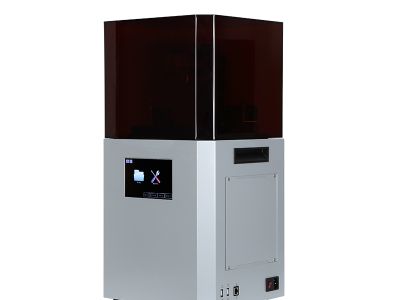
Zirconia printing systems for dental laboratories are specialized 3D printers designed to produce high-quality dental prosthetics, crowns, and bridges using zirconia materials. For B2B buyers, key concerns include ensuring precision, durability, and compatibility with existing workflows. This article will guide you through understanding zirconia 3d printing systems, their specifications, sourcing considerations, common problems, and cost factors helping you make informed purchasing decisions.
Understanding Zirconia Printing Systems for Dental Laboratories
Zirconia printing systems are integral to modern dental laboratories, enabling the production of strong, biocompatible prosthetics. These systems utilize advanced 3D printing technologies, such as DLP (Digital Light Processing) or SLA (Stereolithography), to achieve high levels of detail and surface finish. The primary advantage of zirconia is its superior strength and aesthetic qualities, making it an ideal material for dental applications.
For dental laboratories, the choice of a zirconia printer affects not only product quality but also operational efficiency. A reliable system can streamline workflows, reduce material waste, and enhance the overall output of dental appliances. When selecting a printer, consider how the technology aligns with your laboratory's specific needs, including the types of dental products you produce and your existing equipment.
Key Specifications for Zirconia Printers
When evaluating zirconia printing systems, several key specifications should be considered:
Layer Thickness: This specification affects the resolution of the printed parts. A thinner layer can achieve finer details but may increase printing time. Understanding your desired balance between speed and detail is crucial.
Print Speed: Measured in millimeters per hour, print speed is a vital factor for laboratories looking to maximize productivity. High-speed printers can significantly reduce turnaround times for dental products.
Build Volume: The maximum dimensions of the objects that can be printed will dictate the size of the dental prosthetics produced. Ensure that the zirconia printer build volume aligns with the typical sizes of your products.
Material Compatibility: Not all printers can effectively use zirconia. Confirm the specific types of zirconia materials that the printer can process to avoid compatibility issues.
Software Features: Advanced software can enhance the user experience, providing tools for design manipulation, print optimization, and troubleshooting.
Understanding these specifications helps ensure that the chosen zirconia printing system meets the operational demands of your dental laboratory.
Sourcing Zirconia Printers for Your Needs
Sourcing a zirconia printer requires careful consideration of several factors. Start by identifying your laboratory's specific requirements, including the types of products you manufacture and the volume of production.
Next, evaluate potential suppliers based on:
Customization Options: Some manufacturers offer customization services, allowing you to tailor the zirconia 3d printer software and hardware to meet your specific needs.
Technical Support: Look for suppliers that provide comprehensive technical support, including installation, training, and ongoing maintenance. This is crucial for minimizing downtime.
Quality Assurance: Verify the manufacturer's quality control processes and certifications. High-quality standards are essential for ensuring consistent output.
Reviews and References: Reach out to other dental laboratories that have purchased the same model to gather insights on performance and reliability.
By carefully assessing these factors, you can select a zirconia printing system that aligns with your operational needs and budget.
Common Problems with Zirconia Printers and Their Solutions
While zirconia printing systems offer many benefits, they may also encounter common issues. Here are a few potential problems and their solutions:
Print Failures: Inconsistent or failed prints can occur due to incorrect settings, such as layer thickness or exposure time. Always review these parameters before starting a print job.
Material Adhesion Issues: Poor adhesion to the build plate can lead to print failures. Ensure that the build plate is correctly calibrated, and consider using adhesion agents if necessary.
Surface Finish Quality: A rough surface finish may result from incorrect print settings or material quality. Regularly calibrate the printer and use high-quality zirconia materials to improve finish quality.
Software Compatibility: Issues may arise if the printer's software does not align with your design software. Ensure that the software is compatible with your existing systems or seek updates from the manufacturer.
By addressing these common problems proactively, you can enhance the reliability and performance of your zirconia printing system.
Cost Factors to Consider When Buying Zirconia Printing Systems
When purchasing zirconia printing systems, several cost factors must be evaluated to ensure a sound investment:
Initial Purchase Price: This includes the cost of the printer and any essential accessories. While lower-priced options may be tempting, consider the long-term implications on quality and support.
Operational Costs: Factor in the costs of materials, maintenance, and energy consumption. Some printers may be more efficient, leading to lower operational costs over time.
Customization Costs: If you require specific custom features, be prepared for additional costs. Assess whether these customizations will provide enough value to justify the expense.
Warranty and Support Costs: Understand the terms of warranties and the cost of extended support services. A robust support system can save significant costs related to downtime.
Potential Return on Investment (ROI): Analyze how the printer can improve your production capacity and quality. A higher upfront cost may be justified by increased efficiency and better product quality over time.
By considering these cost factors, you can make a more informed decision on which zirconia printing system will best serve your dental laboratory's needs.