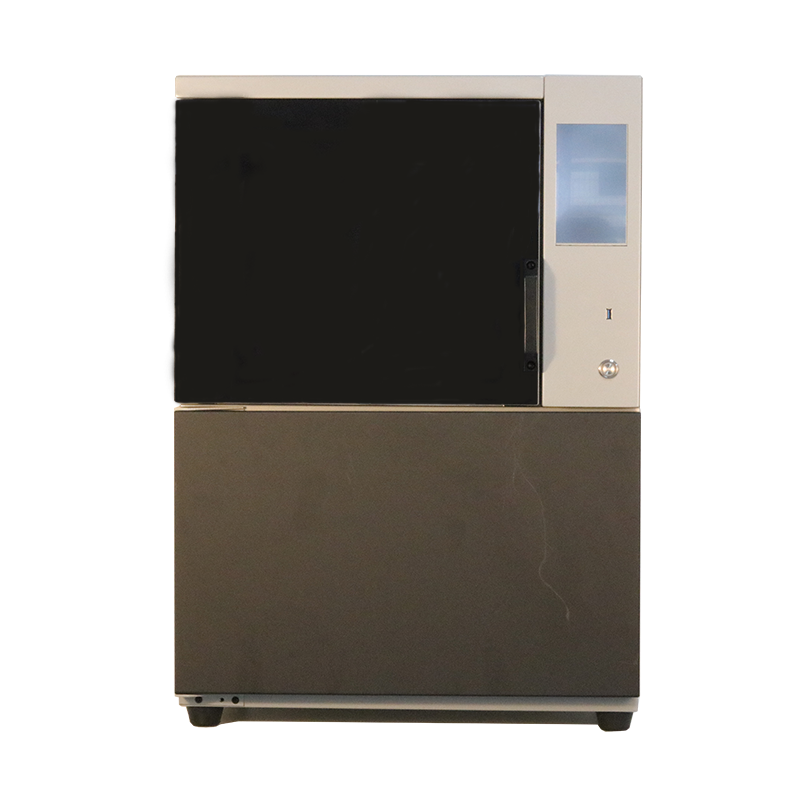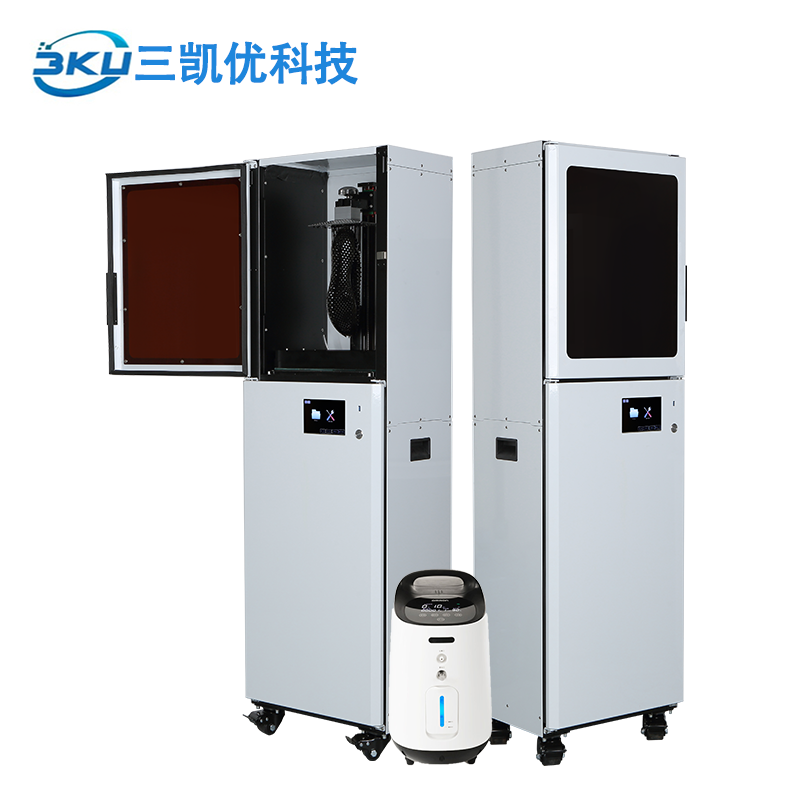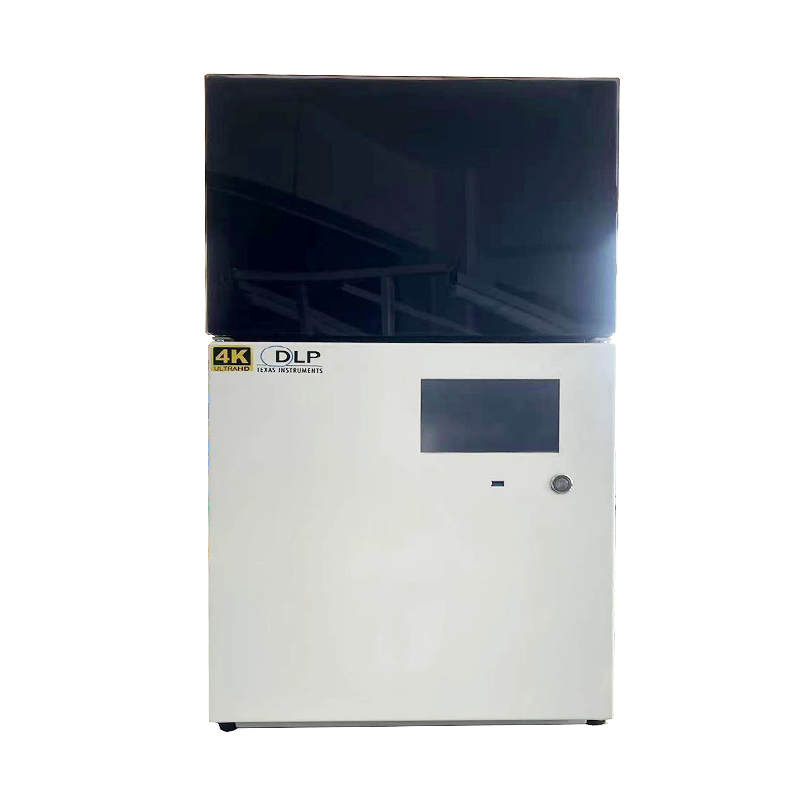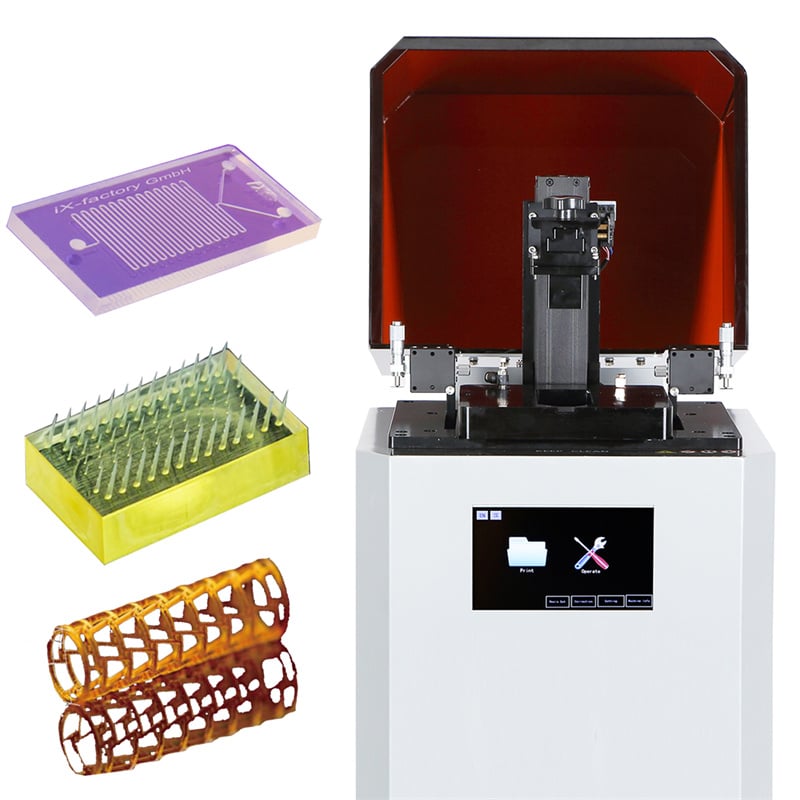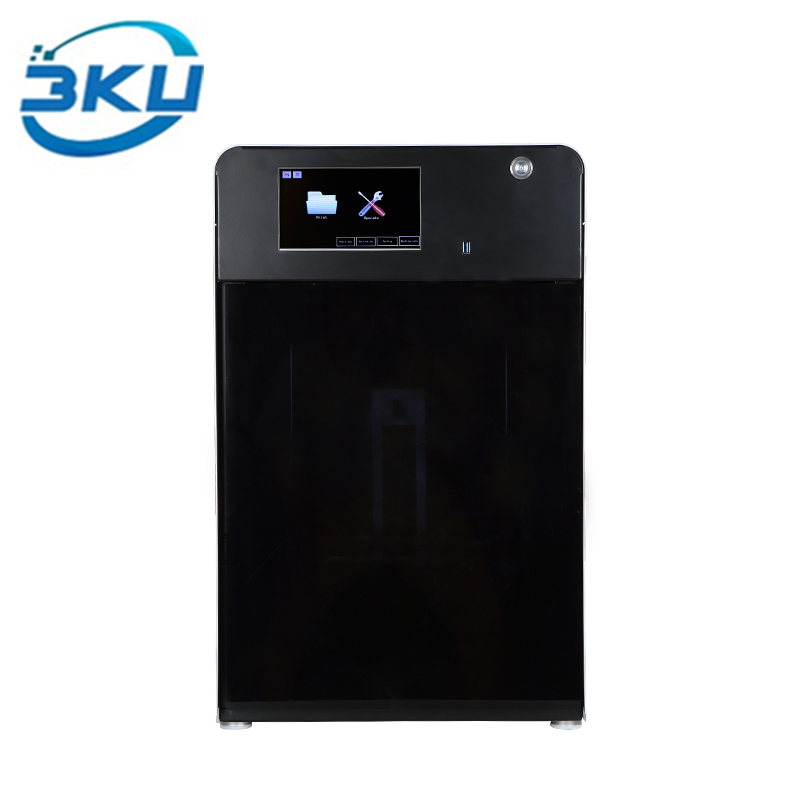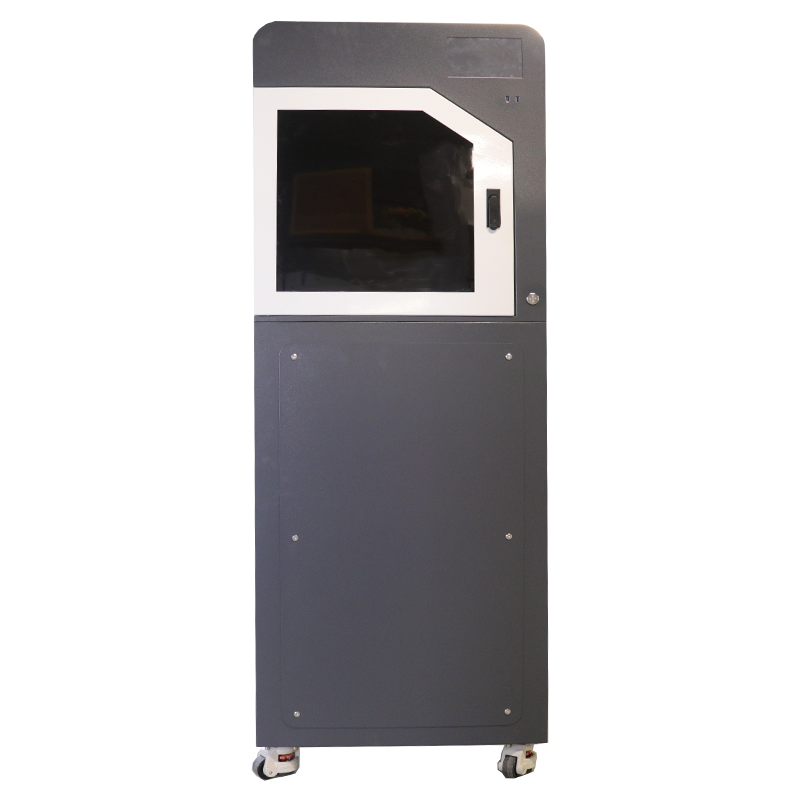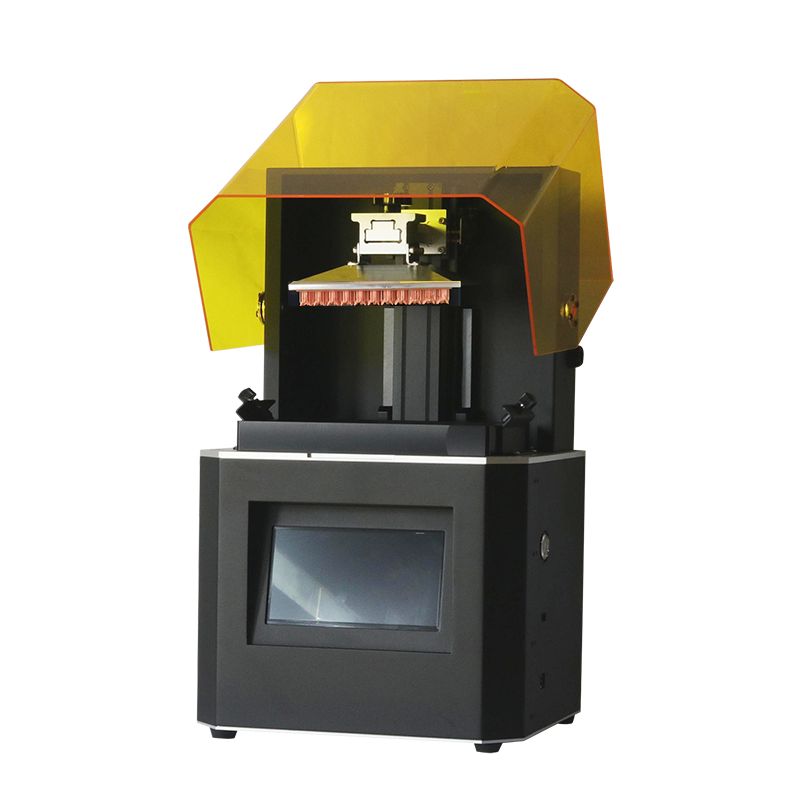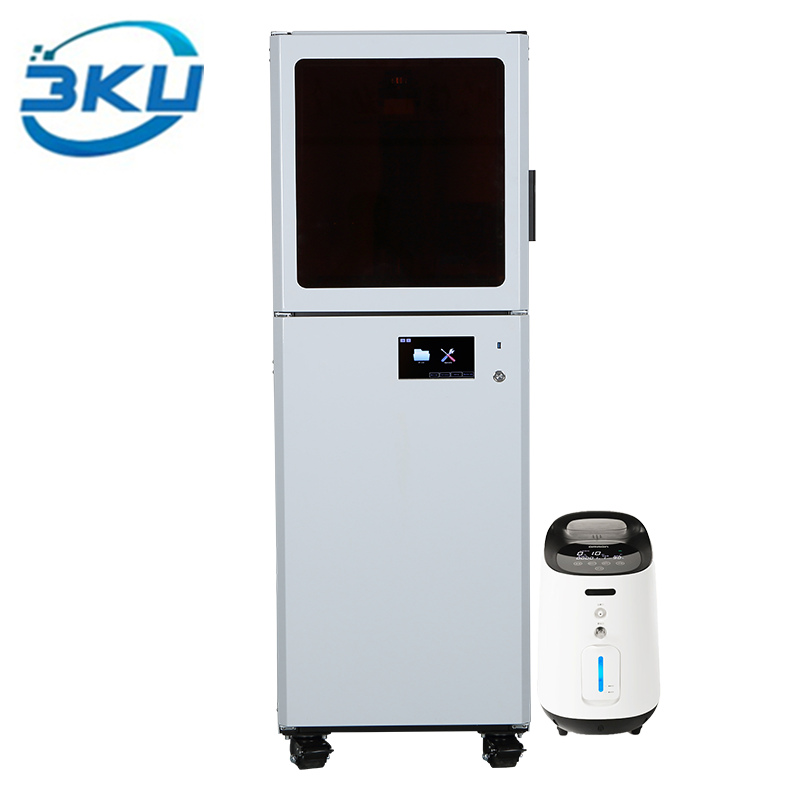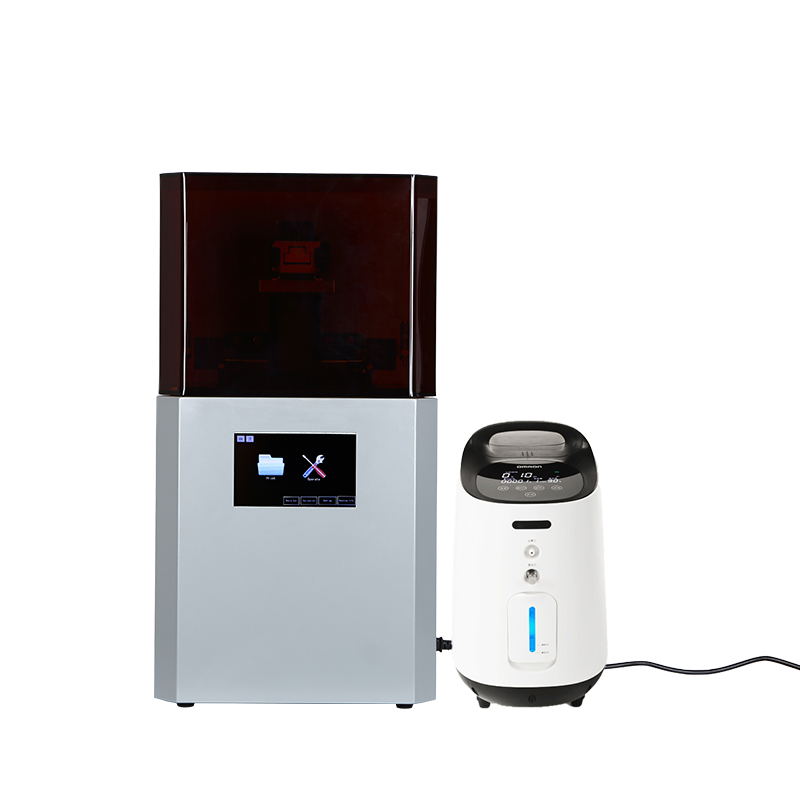
3D Digital Light Processing (DLP) printers have revolutionized manufacturing across various sectors, including dental, jewelry, and precise molding applications. As a professional manufacturer of 3D printers, Shenzhen 3KU Technology and Science Co., LTD understands the critical concerns of B2B buyers, such as product quality, customization options, and after-sales support. This article will guide purchasing managers and engineers on how to choose the right 3D DLP printer for their specific business needs while addressing essential factors like quality control and common operational challenges
Selecting the appropriate 3D DLP printing printer begins with understanding your specific application requirements. Consider the following critical factors
Application Suitability: Identify the primary use cases for the printer. For example, dental applications may require high precision and biocompatible materials, while jewelry might prioritize fine detail and surface finish. Determine the materials you plan to use, as DLP technology can accommodate various resin types
Print Resolution and Speed: The quality of the print is heavily influenced by its resolution, typically measured in microns. A lower micron value means higher detail, which is essential for intricate designs. Additionally, consider the printing speed, especially if you plan to scale production
Customization Options: Different businesses have unique branding and functional needs. Investigate whether the manufacturer offers customization in terms of printer design, software features, or additional functionalities, such as integrated post-processing solutions
Support and Maintenance: A reliable supplier should provide comprehensive technical support, including installation guidance, training, and troubleshooting assistance. Assess their after-sales service, as long-term support can significantly affect your operational efficiency
Budget Considerations: Understand all costs associated with the printer, including purchase price, maintenance, and material expenses. A lower initial investment might lead to higher long-term costs if the machine is inefficient or requires frequent repairs
By carefully evaluating these factors, businesses can make informed decisions that align with their specific operational requirements and budget constraints
When considering a 3D DLP printer, several specifications and operational aspects must be reviewed to ensure the chosen model meets your needs
Build Volume: The size of the build area directly affects the maximum size of the objects that can be printed. Ensure that the printer’s build volume aligns with the scale of your projects
Layer Thickness: This specification determines the fineness of the print detail. Thinner layers result in smoother finishes but may increase printing time. Balance your needs for detail and production speed
Material Compatibility: Verify the types of resins compatible with the printer. Some printers support a broader range of materials, which can be advantageous for businesses looking to diversify their product offerings
User Interface and Software: The ease of use of the printer’s software and interface will impact workflow efficiency. Look for intuitive software with features that streamline the printing process, from slicing models to managing print jobs
Energy Efficiency: Consider the energy consumption of the printer, particularly if you plan to operate multiple units. Energy-efficient models can reduce operational costs over time
These considerations are crucial for ensuring that the printer you select will perform optimally within your specific operational framework
Quality control is a vital aspect of the 3D printing process, particularly with DLP technology, where precision is critical. Here are key steps involved in ensuring product quality
Material Inspection: Before production, inspect the resin and other materials for consistency and quality. Variations in material properties can lead to defects in the final product
Printing Parameters: Establish and regularly review the settings for exposure time, layer thickness, and print speed. Adjust these parameters based on material type and desired print quality
Post-Processing Checks: After printing, conduct inspections to assess the dimensional accuracy and surface finish of the printed parts. This may include checking for warping, layer adhesion, or other defects that can arise during the curing process
Calibration and Maintenance: Regular calibration of the printer is essential for maintaining quality over time. Schedule routine maintenance to address wear and tear on components that could affect print quality
Sample Approval: Before mass production, always approve a sample print. This step allows you to verify that the printer is producing parts that meet your specifications, reducing the risk of costly errors during larger runs
By implementing a robust quality control process, businesses can ensure that their 3D DLP printers consistently produce high-quality outputs that meet customer expectations
To maximize the performance and lifespan of your 3D DLP projector 3d printer printer, consider the following best practices
Regular Maintenance: Establish a maintenance schedule that includes cleaning optical components, checking software updates, and lubricating moving parts. Regular attention to these areas can prevent issues that may arise from neglect
Operator Training: Ensure that all operators receive comprehensive training on the printer's functionalities and best practices. A well-trained team can significantly improve operational efficiency and reduce the likelihood of errors
Material Management: Store resins in a controlled environment to prevent degradation. Proper handling and storage can prolong material life and ensure consistent print quality
Documentation: Maintain detailed records of print settings, maintenance activities, and material usage. This documentation can provide valuable insights for troubleshooting and optimizing production processes
Feedback Loop: Establish a feedback mechanism to gather input from operators regarding print quality and operational challenges. Continuous improvement based on real-world insights can lead to enhanced productivity
By adhering to these best practices, businesses can improve their 3D printing operations, leading to better quality outputs and reduced downtime
Dlp printer printers are used to various industries, including Jewelrys, Temples, Dentals, Ceramics, etc.. We have perfect customized services. The customized services include the look and feel, custom logos, software design, more functionality and the customized packaging. We provide our customers with the best 3D printers for their money that are of good quality, practical functionality and efficiency.
Shenzhen 3KU Technology and Science Co. LTD was Dlp 3d printer in 2014. Within a few years of developing and marketing our brand, 3KU is known well by 3d printer users and fans. We provide complete technical support, printing technology, post processing, casting methods and lifetime warranty. We can provide highly professional technology and customizing services to help with casting and printing issues in various areas.
Our printers, based on a unique design, structure, and most importantly our highly skilled team of Ceramic 3d printer, are used in various industries like Dental Casts and crowns Jewelry casts, Garage Kits, Precise Moldings, and more. We support the provision of free tests. We are able to print stl files on our printers and show you how they function as well as the results before you purchase.
The founder of our company has been working on 3D printers since 2012, starting with FDM, DLP, SLA. He is convinced that "3d technology will lead another industrial revolution". We strive to provide more Dlp printer and technical support to 3d printer enthusiasts who believe in us strongly! We have the best priced tower packaging. We provide considerate support and quickly respond to market needs.
Copyright © Shenzhen 3KU Technology and Science Co., LTD. All Rights Reserved Privacy Policy Blog
 EN
 AR
 BG
 HR
 CS
 DA
 NL
 FI
 FR
 DE
 EL
 HI
 IT
 JA
 KO
 NO
 PL
 PT
 RO
 RU
 ES
 SV
 TL
 IW
 ID
 SR
 SK
 SL
 VI
 ET
 HU
 TH
 TR
 FA
 MS
 GA
 CY
 BE
 IS
 MY