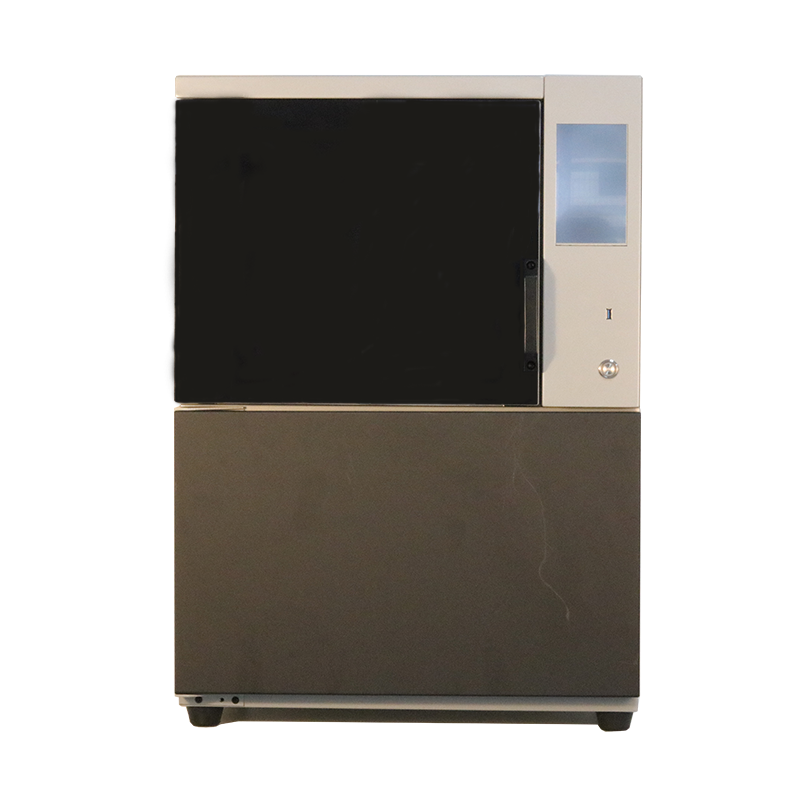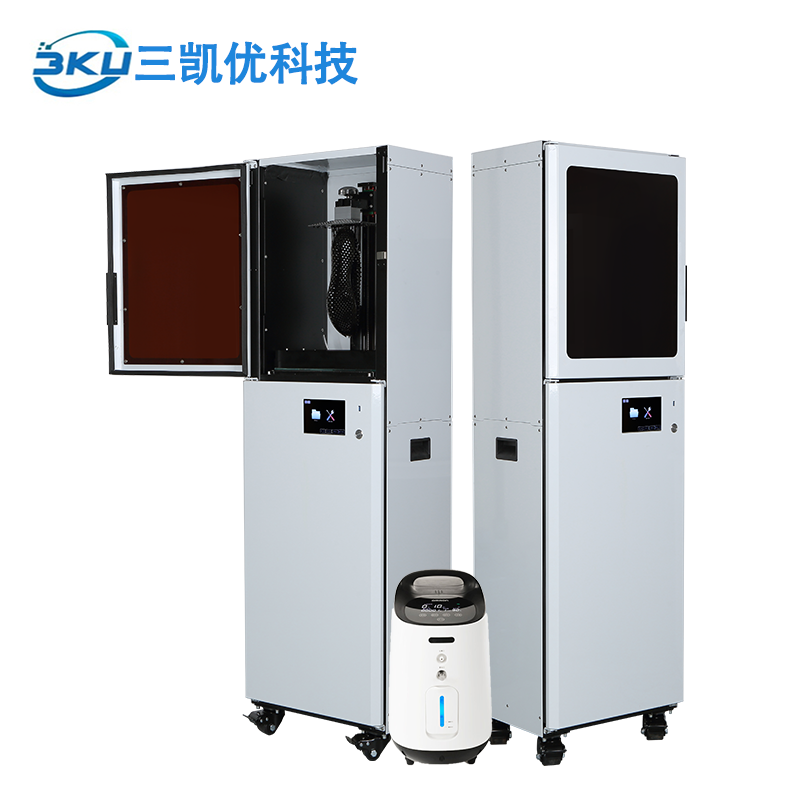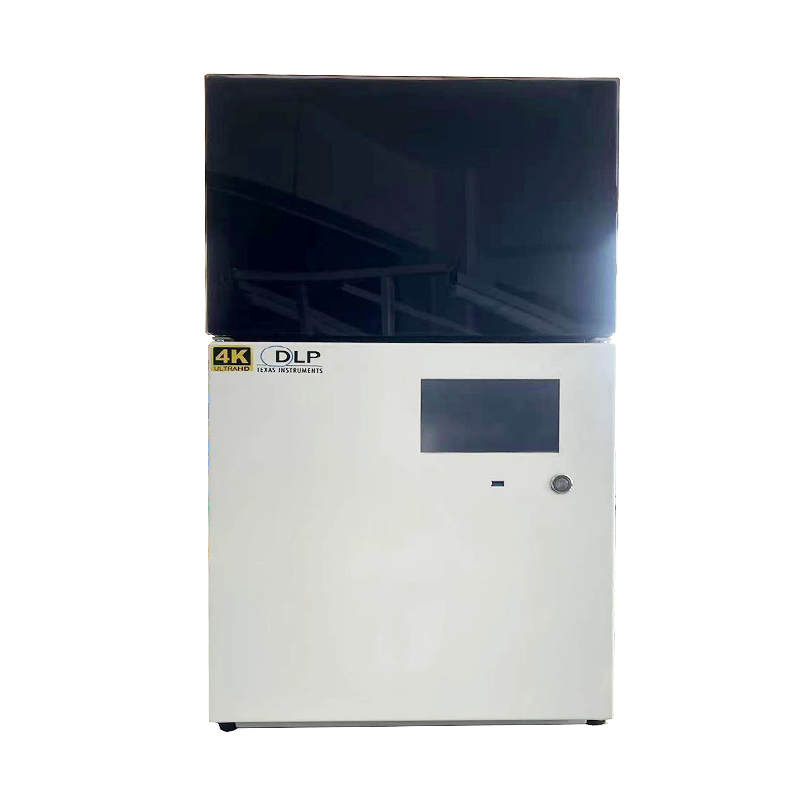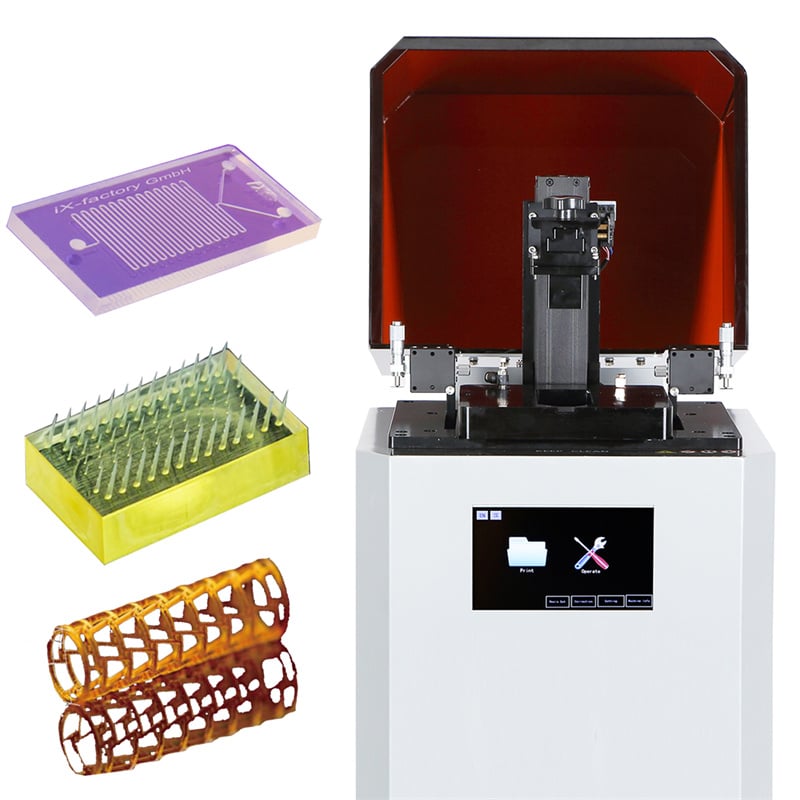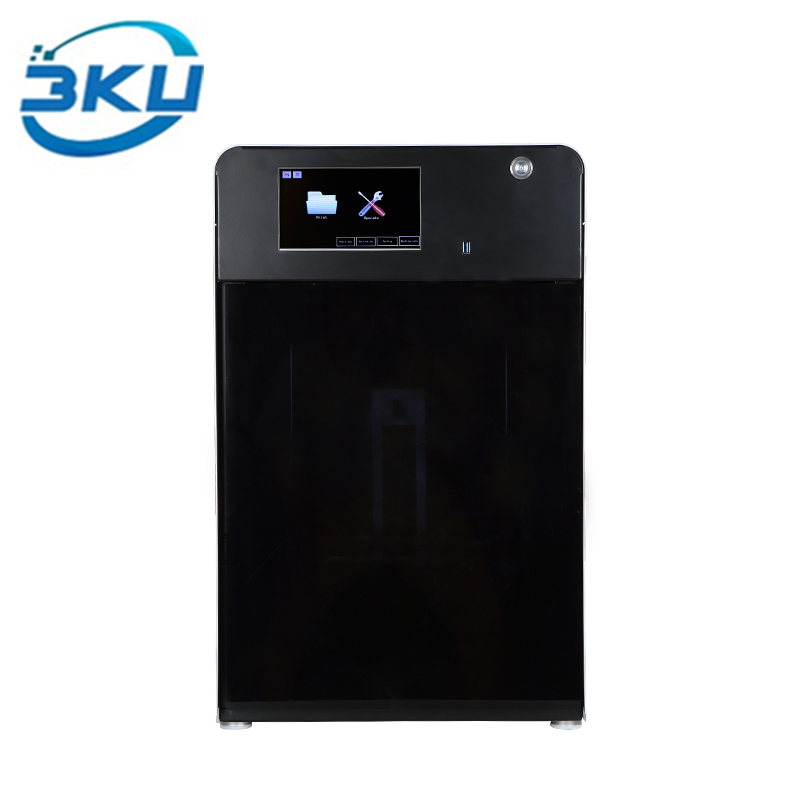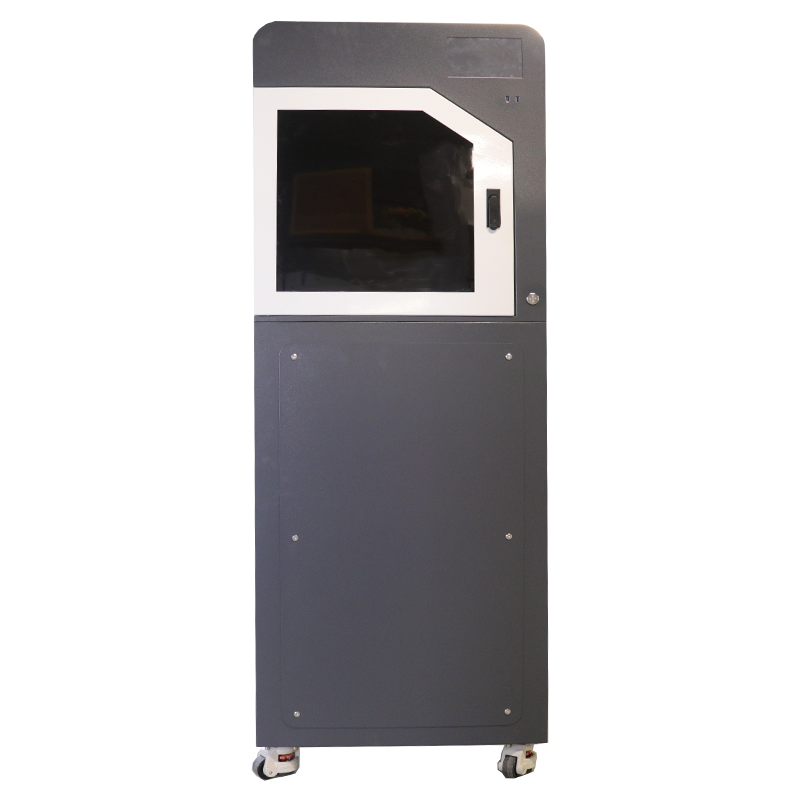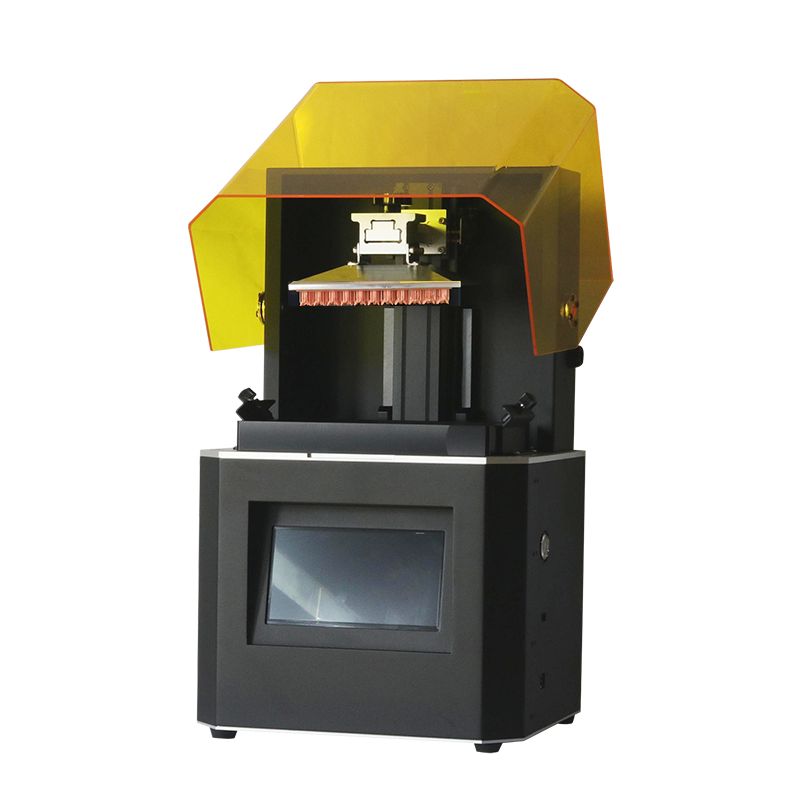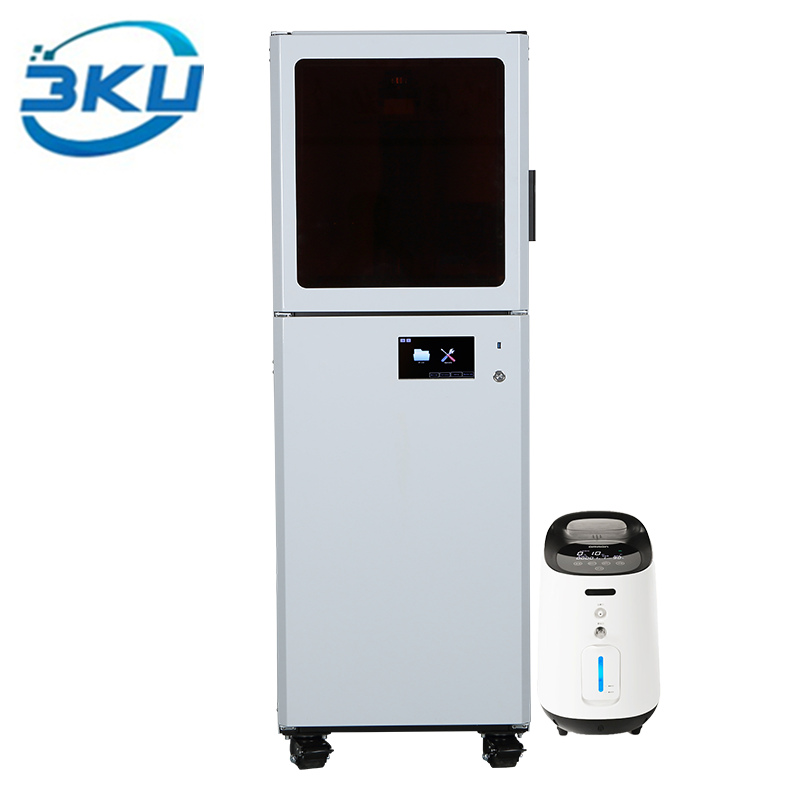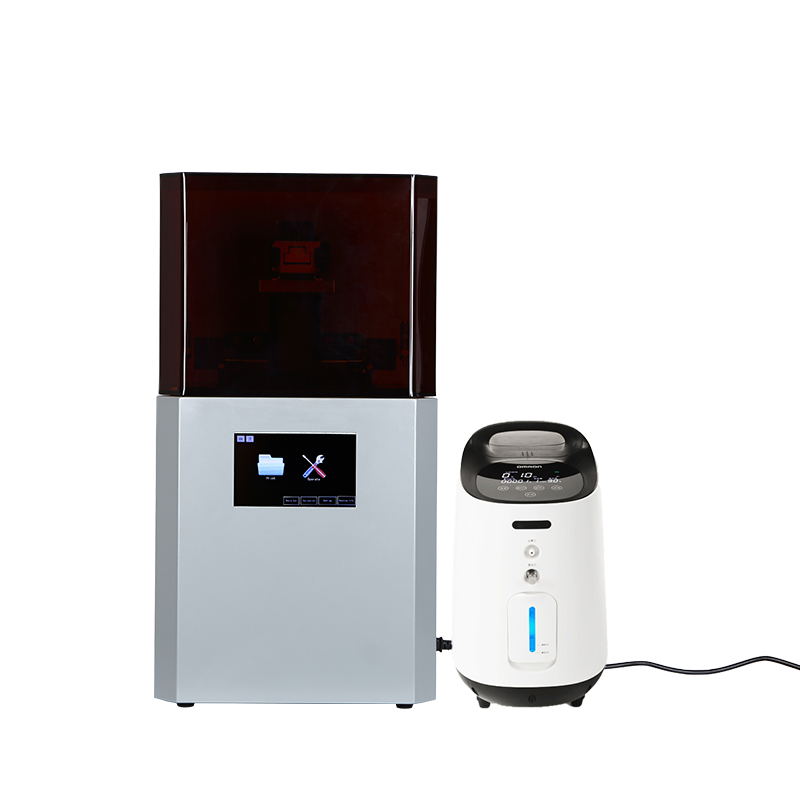
Resin DLP (Digital Light Processing) printing is an advanced technology used to create high-resolution 3D models by curing liquid resin with light. This method has gained considerable traction in industries such as dental, jewelry, and precision molding applications due to its speed and accuracy. For B2B buyers, understanding the specifications, quality evaluation, best practices, and supplier options is essential for making informed purchasing decisions. This article aims to provide practical insights into resin DLP printers and their applications, helping buyers navigate the complexities of selecting the right equipment for their business needs. Shenzhen 3KU, the brand of Shenzhen 3KU Technology and Science Co., Ltd., was established in 2014 and specializes in 3D printing technology and customization services for different applications
Shenzhen 3KU provides professional technical support and customization services for printing and casting requirements. Its 3D printers are designed for applications including dental casting and crowns, jewelry casting, garage kits, and precision molding. The company emphasizes product development through its research team and provides support covering printing technology, post-processing, and casting methods. It also offers technical support, considerate customer service, and a stated lifetime warranty. For B2B buyers evaluating DLP resin printers from Shenzhen 3KU, factors such as printing resolution, build volume, printing speed, resin compatibility, dimensional accuracy, machine structure, software compatibility, production capacity, post-processing requirements, maintenance needs, customization options, technical support, warranty coverage, and after-sales service can be considered to determine whether the equipment meets specific dental, jewelry, molding, or other precision 3D printing requirements.
When evaluating Resin DLP printers, several key specifications should be considered:
Print Resolution: This is typically measured in microns. A lower micron value indicates a higher resolution, which is essential for applications requiring fine details, such as dental models or intricate jewelry designs
Build Volume: The dimensions of the print area dictate the size of the objects that can be manufactured. Ensure the build volume meets your project requirements
Light Source: DLP printers utilize a digital light projector to cure resin. The type of light source—LED or traditional—can affect the curing time and the overall quality of the prints
Layer Thickness: This specification affects the speed and detail of the printing process. Common thickness options range from 25 to 100 microns. Choosing the right layer thickness is crucial for balancing print speed and resolution
Resin Compatibility: Not all printers support every type of resin DLP. Certain applications may require specialized materials with unique properties, such as biocompatibility for dental use or high durability for industrial applications
Understanding these specifications will help you align your equipment choice with your production requirements, ensuring optimal performance and quality.
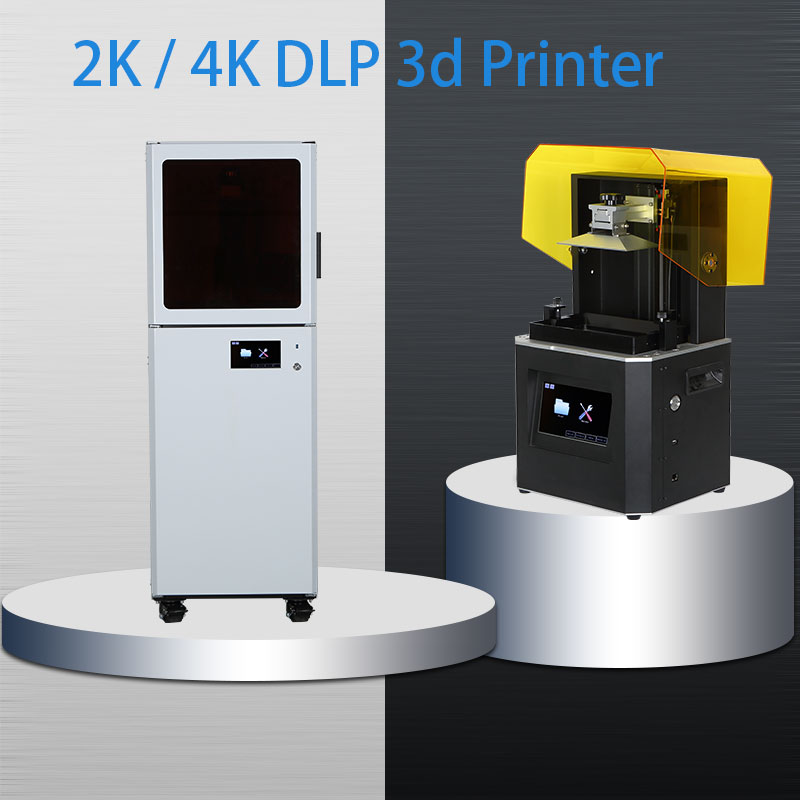
The choice of resin is pivotal in achieving desired print characteristics. Here are key factors to consider when evaluating the quality of a DLP resin printer:
Viscosity: High-quality resins should have a consistent viscosity that allows for smooth flow and curing. Variations in viscosity can lead to uneven prints and increased maintenance issues
Mechanical Properties: Assess the tensile strength, elongation, and hardness of the printed materials. These properties determine how well the printed parts will perform under stress and in various applications
Curing Speed: The speed at which the resin cures affects production efficiency. Fast-curing resins can significantly reduce printing time, making them preferable for high-volume applications
Storage Stability: Quality resins should have a long shelf life and remain stable over time. Check for any manufacturer recommendations regarding storage conditions to maintain resin integrity
Biocompatibility: For applications in the dental or medical fields, ensure the resin complies with relevant biocompatibility standards, as this is crucial for patient safety and regulatory compliance
By thoroughly evaluating these aspects, you can select resins that meet your specific application needs while ensuring quality and efficiency in your production processes.
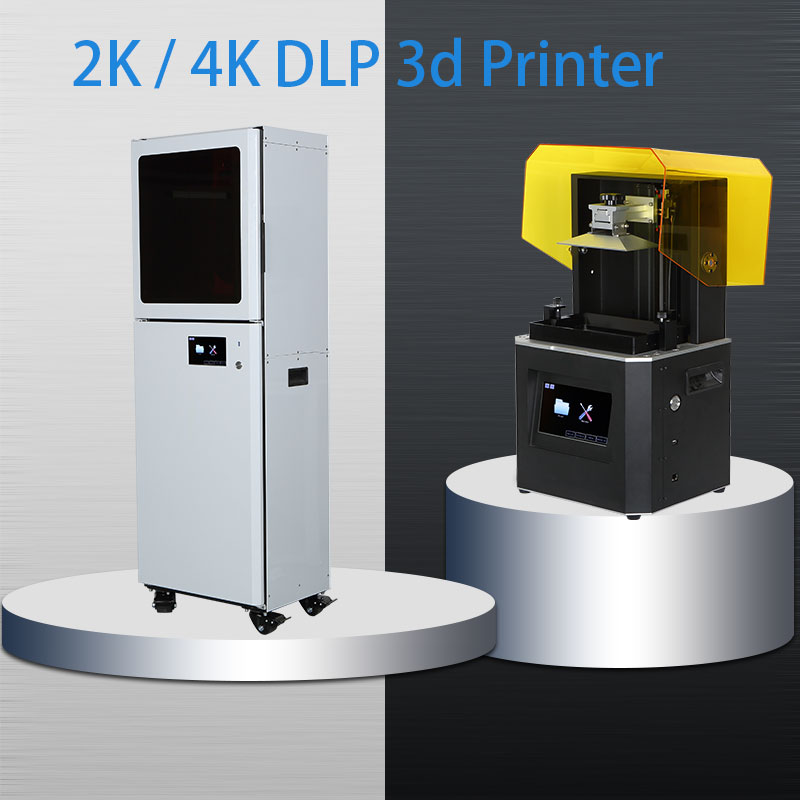
To maximize the efficiency and output quality of your Resin DLP printing operations, consider the following best practices:
Pre-Print Setup: Ensure the printer is calibrated correctly before starting production. This includes checking the light source alignment, ensuring the resin vat is clean and free of contaminants, and confirming that the build plate is leveled properly
Post-Processing: After printing, proper post-processing is vital. This includes washing the prints to remove excess resin and curing them under UV light to enhance their mechanical properties
Regular Maintenance: Conduct routine maintenance checks on your printer to avoid unexpected downtime. This includes cleaning the optics, replacing worn-out components, and ensuring the resin vat is in good condition
Sample Approval: Before committing to large production runs, always create and evaluate a sample print. This helps identify potential issues with design or material compatibility early on
Documenting Processes: Maintain detailed records of print settings, material batches, and any modifications made during production. This documentation can aid in troubleshooting and optimizing future runs
Implementing these best practices can help streamline your printing process, reduce waste, and improve overall product quality.
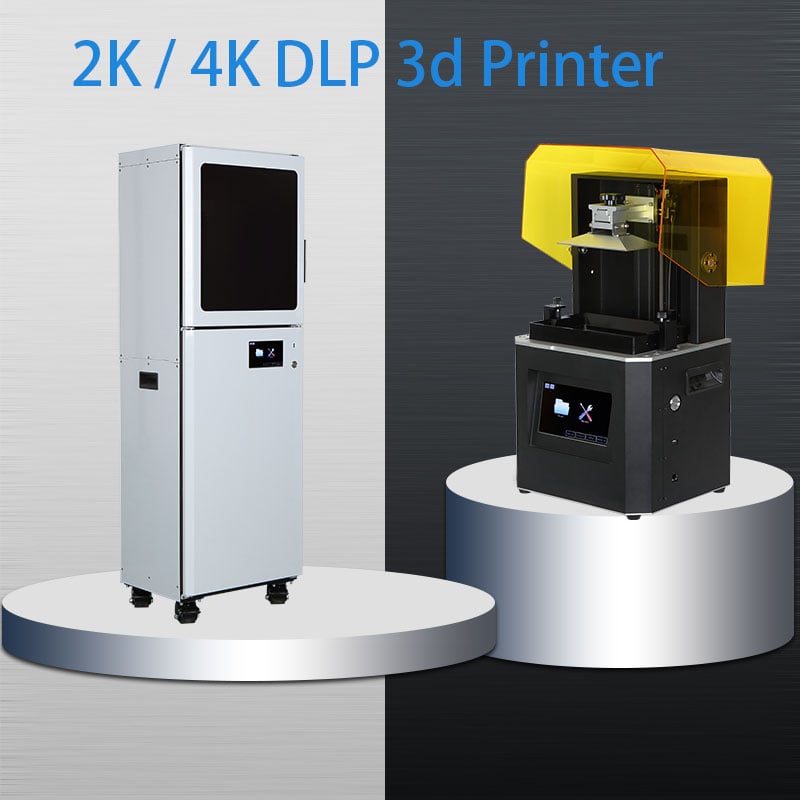
While Resin DLP printing is a powerful technology, it is not without challenges. Here are some common problems and practical solutions:
Layer Adhesion Issues: Poor layer adhesion can lead to weak prints. Ensure that the printer settings (such as exposure time) are optimized for the specific resin used. Additionally, check that the build plate is properly leveled
Surface Imperfections: If prints exhibit surface flaws, consider adjusting the print speed or increasing the curing time. Regularly clean the resin vat to eliminate any debris that may affect print quality
Print Failures: Failed prints can arise from several factors, including incorrect print orientation, inadequate support structures, or insufficient resin. Always analyze failed prints to identify the root cause and adjust settings accordingly
Resin Curing Issues: Inconsistent curing can result in uneven prints. Verify that the light source is functioning correctly and that the resin has not exceeded its shelf life
Odor and Ventilation: Some resins can emit strong odors during printing. Ensure proper ventilation in the printing area and consider using resins with lower odor emissions if this is a concern
By proactively addressing these common issues, you can maintain a high level of production reliability and print quality.
Shenzhen 3KU Technology and Science Co. LTD was founded in 2014. In just a few years of promoting and advancing our brand, 3KU is well-known to 3d printer fans and users. We offer a wide variety of technical assistance, which includes printing technology, post-processing, 3d printing and jewelry, and lifetime warranty. We offer highly professional service and technology. We can solve printing and casting problems across various fields.
Since 3 d printer jewelry, our founder has worked with 3D printers all the way from FDM to DLP, SLA. He believes that "3d technology will create a new revolution in the industrial sector". We do our best to offer more support for technical and service issues to those who love 3D Printers and have a strong support for us! We offer a courteous service and swiftly respond to market needs.
Our 3d printing alumina have been utilized in a variety of industries, including Jewelry, Temples Dentals, Ceramics and more. Our custom services are ideal. The customized services include the appearance design, customized logo, software design, more functionality and the personalized packaging. We provide our customers with 3D printers at the most affordable prices, and with the highest quality, utility and efficiency.
Our printers, based on a unique design, structure, and most importantly our highly skilled team of Ceramic 3d printer, are used in various industries like Dental Casts and crowns Jewelry casts, Garage Kits, Precise Moldings, and more. We support the provision of free tests. We are able to print stl files on our printers and show you how they function as well as the results before you purchase.
Copyright © Shenzhen 3KU Technology and Science Co., LTD. All Rights Reserved Privacy Policy Blog
 EN
 AR
 BG
 HR
 CS
 DA
 NL
 FI
 FR
 DE
 EL
 HI
 IT
 JA
 KO
 NO
 PL
 PT
 RO
 RU
 ES
 SV
 TL
 IW
 ID
 SR
 SK
 SL
 VI
 ET
 HU
 TH
 TR
 FA
 MS
 GA
 CY
 BE
 IS
 MY