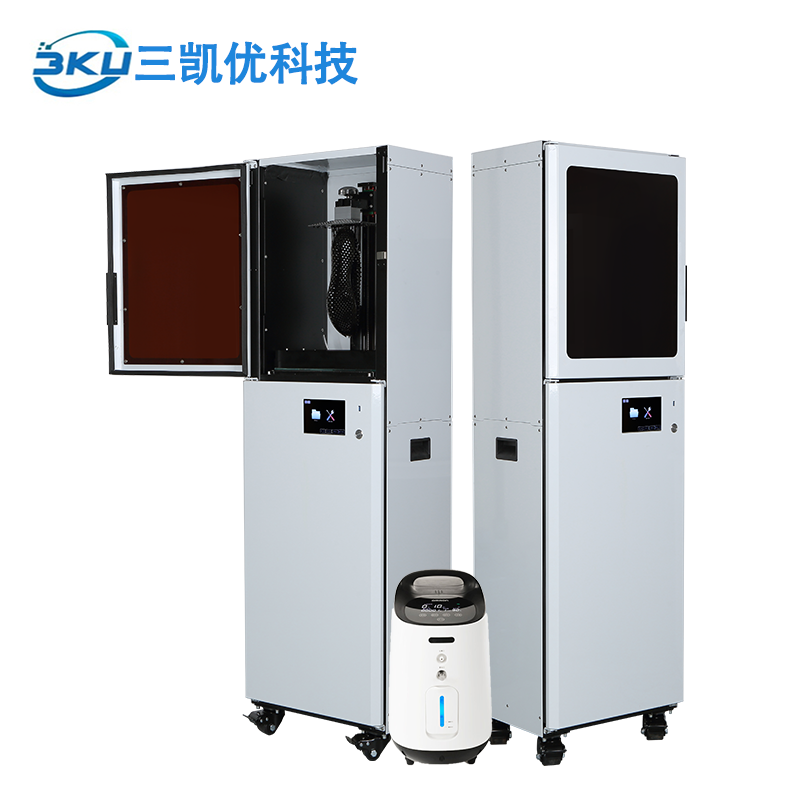
Digital light processing (DLP) 3D printing is a cutting-edge technology that has transformed how manufacturers approach rapid prototyping and production. This technology leverages light to cure resin into solid objects, providing high precision and speed. As a purchasing manager or engineer, understanding the intricacies of DLP 3D printing is crucial for making informed decisions that align with your project needs. This article will guide you through the applications of DLP 3D printing jewelry molds, factors to consider when selecting a printer, the importance of trust in your supplier, a step-by-step approach to the procurement process, and a comparison of various DLP solutions tailored for contractors and distributors.
Digital light processing 3D printing is widely utilized in industries that require intricate designs and high accuracy. Key applications include dental prosthetics, jewelry design, and precision molding. In dental applications, DLP technology provides the ability to create detailed dental models, crowns, and bridges quickly and accurately, significantly reducing the turnaround time compared to traditional methods.
For the jewelry industry, DLP 3D printing allows for the creation of complex designs that are often difficult to achieve through conventional casting methods. The fine details captured in the printed models help jewelers produce high-quality final products with minimal post-processing. In precision molding, DLP technology is favored for its ability to produce parts with tight tolerances and smooth surfaces, making it ideal for creating molds that require high fidelity.
As you explore DLP 3D printing dental models from shenzhen 3KU for your projects, consider how these capabilities align with your specific requirements. Understanding these applications will help you harness the full potential of DLP technology in your production processes.
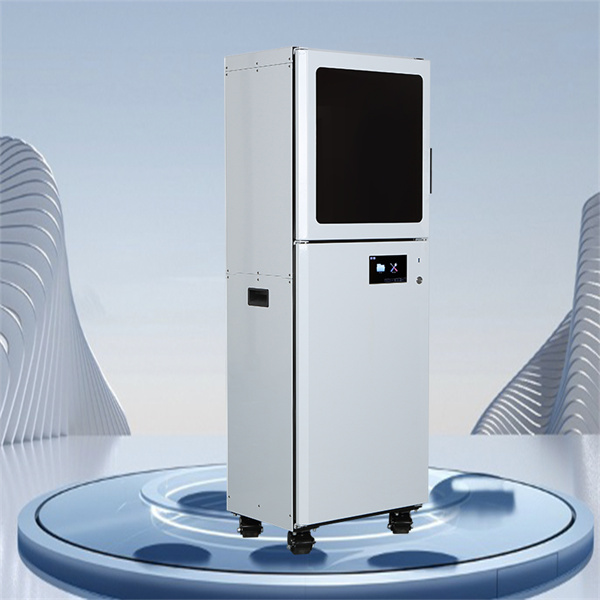
Selecting the right DLP 3D printer involves several considerations, including print resolution, build size, material compatibility, and customization options. Print resolution, measured in microns, directly impacts the detail and surface finish of your final products. A printer with a lower micron value will generally produce finer details, which is particularly important for industries like jewelry and dental prosthetics.
Build size is another critical factor. Ensure that the printer can accommodate the dimensions of the parts you intend to produce. If you plan to print larger items or multiple smaller items simultaneously, a larger build volume will be advantageous.
Material compatibility is essential as well, as different printers support various resin types, which can influence the final product's mechanical properties and appearance. For instance, some resins are designed for flexibility, while others are meant for rigidity. Evaluate your project requirements to determine the most suitable materials.
Finally, consider the level of customization you may need. Some manufacturers, like Shenzhen 3KU Technology and Science Co., offer extensive customization services, allowing you to tailor the printer's design and functionality to better fit your needs. Be sure to discuss these options with potential suppliers to find a printer that meets your specifications.
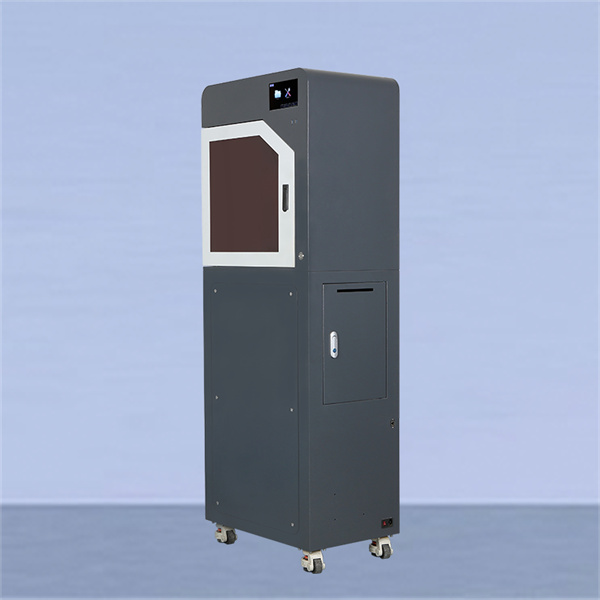
Trust is a critical component of the 3D printing procurement process. As you invest in DLP 3D printing technology, partnering with a reputable manufacturer can significantly influence your experience and outcomes. Factors that contribute to trust include the manufacturer's experience, quality control processes, and after-sales support.
A manufacturer with a solid track record in DLP technology will likely have refined their production processes and address common issues that arise during printing. Look for companies like shenzhen 3KU that provide comprehensive technical support, including lifetime assistance and guidance on printing technology. This ensures you have access to expert advice when facing challenges or needing to optimize your printing operations.
Additionally, verify the manufacturer's quality control processes. A robust quality assurance system minimizes defects and ensures that the printed parts meet your specifications consistently. Requesting sample prints can also provide a clearer picture of the manufacturer's capabilities and the quality you can expect.
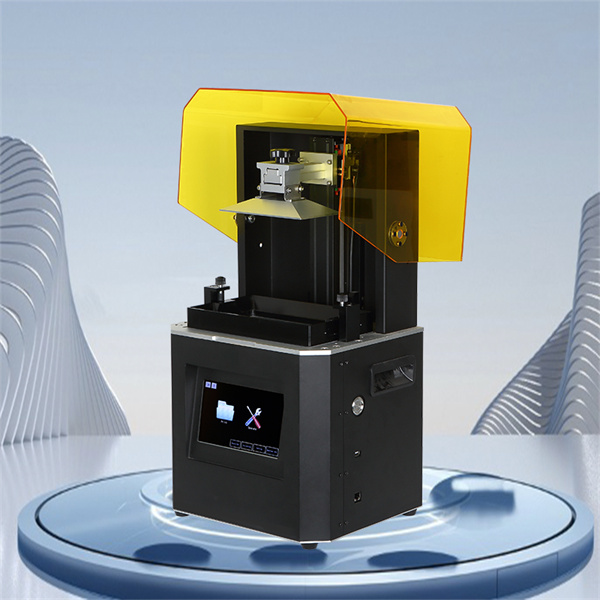
Navigating the purchasing process for DLP 3D printers can be streamlined by following a step-by-step approach. Start by defining your project requirements clearly. Outline the specifications, including dimensions, material types, and desired production volume. This clarity will facilitate more accurate quotations from suppliers.
Next, research potential manufacturers. Review their product offerings, customization capabilities, and customer feedback. Create a shortlist of companies that align with your needs. Engage with these manufacturers to discuss your requirements and request detailed quotations and lead times.
Once you receive the quotations, compare them based on price, specifications, and support services. Don’t hesitate to ask for clarification on any points that are unclear. Evaluate the total cost of ownership, considering not just the initial investment but also long-term operational costs, materials, and maintenance.
After narrowing down your options, request samples or demonstrations to assess the printer's performance and output quality. Testing under actual conditions will help confirm whether the printer meets your quality standards and application requirements. Finally, once you've made your decision, finalize the order, ensuring that all specifications are documented and agreed upon.
Our printers, which are based on a unique design, 3d print ceramic, and most importantly our outstanding team of researchers can be found in many industries like Dental Casts and crowns, Jewelry castings, Garage Kits, Precise moldings, and more. We offer free examples. You can send us stl files, and we print using our printers to show how it operates and what the results are before you purchase.
Our founder is working on 3d printers since 2012, from FDM, DLP, SLA. He believes that "3d printing and jewelry is going to be the catalyst for a new revolution in the industrial sector". We do our best to provide greater technical and service support for those who are 3D Printer fans and have a strong support for us! We provide a friendly service, and react quickly to the market.
Shenzhen 3KU Technology and Science Co. LTD was founded in 2014. Within a Alumina 3d printing of months, 3KU has become a well-known brand among 3d printer users and fans. We provide a full array of technical support, including printing technologies, post-processing, casting methods, and life-long warranty. We provide professional technology and a customized service to solve the printing and casting issues in various areas.
Our printers have been employed in many industries including jewelry, Temples Dentals, Ceramics and more. Our Alumina 3d printing are ideal. We provide a variety of custom services, such as packaging design and software, branding, packaging and many more. We provide our clients the best priced 3d printers that are of good quality, practical utility and high-efficiency.
Copyright © Shenzhen 3KU Technology and Science Co., LTD. All Rights Reserved Privacy Policy Blog
 EN
 AR
 BG
 HR
 CS
 DA
 NL
 FI
 FR
 DE
 EL
 HI
 IT
 JA
 KO
 NO
 PL
 PT
 RO
 RU
 ES
 SV
 TL
 IW
 ID
 SR
 SK
 SL
 VI
 ET
 HU
 TH
 TR
 FA
 MS
 GA
 CY
 BE
 IS
 MY