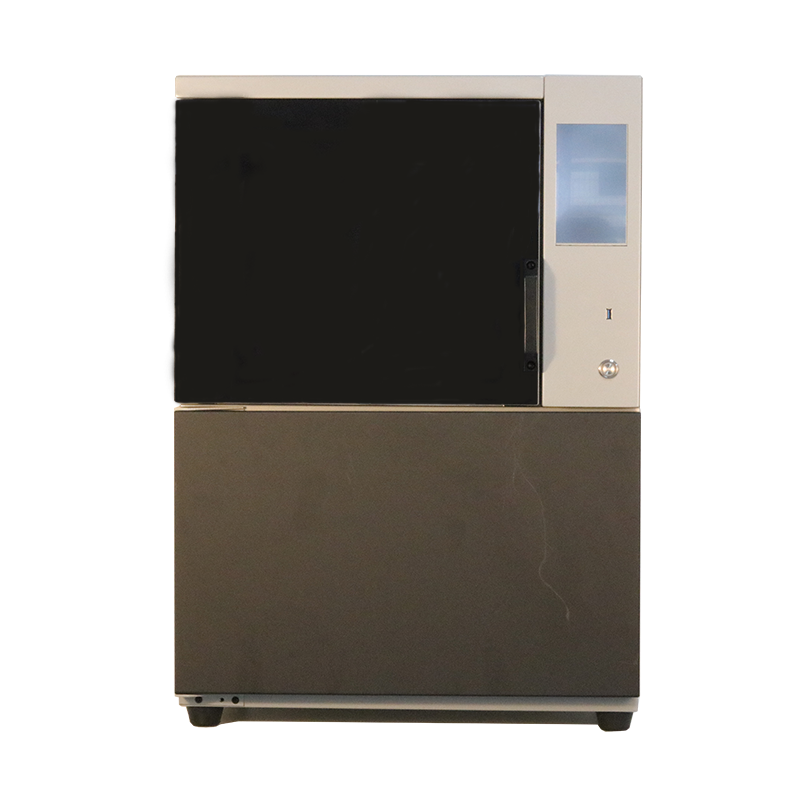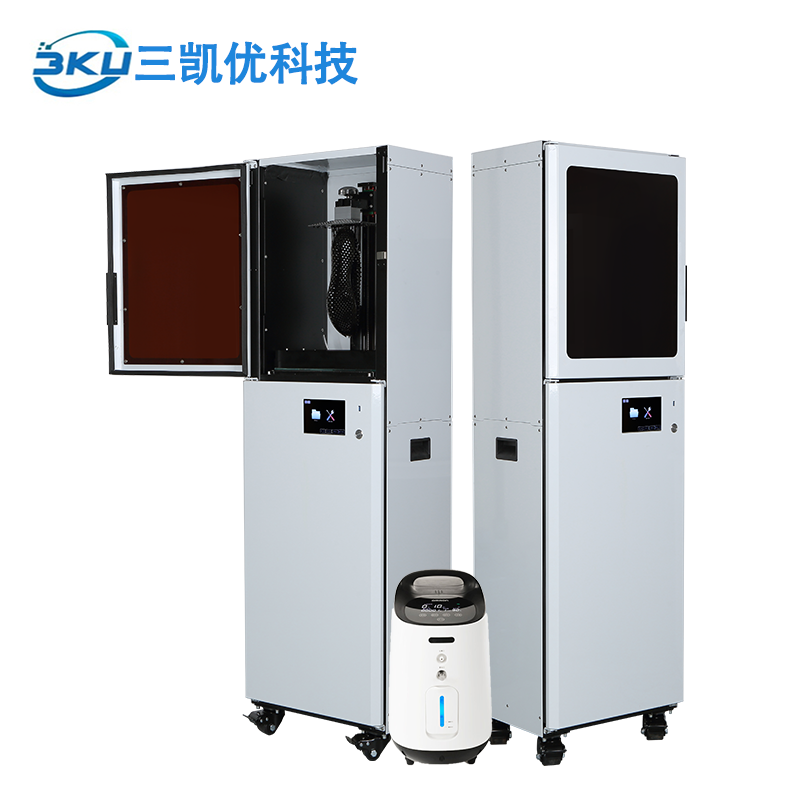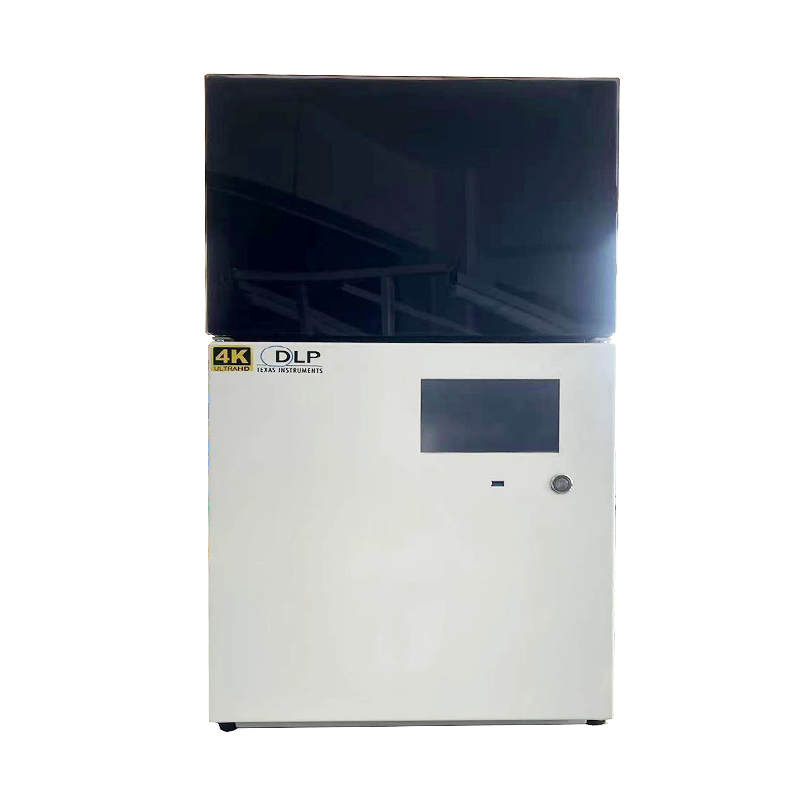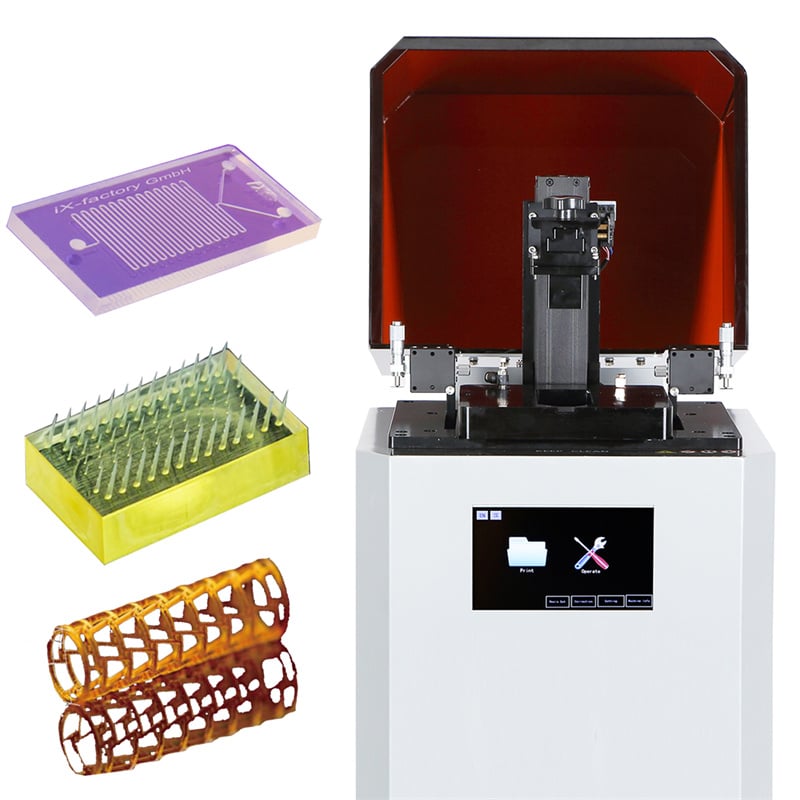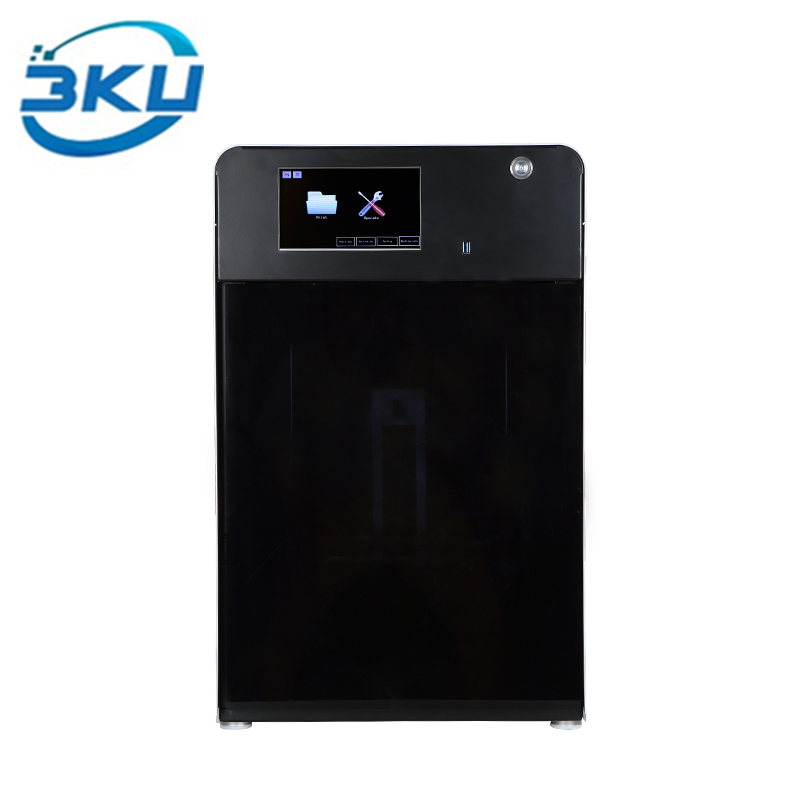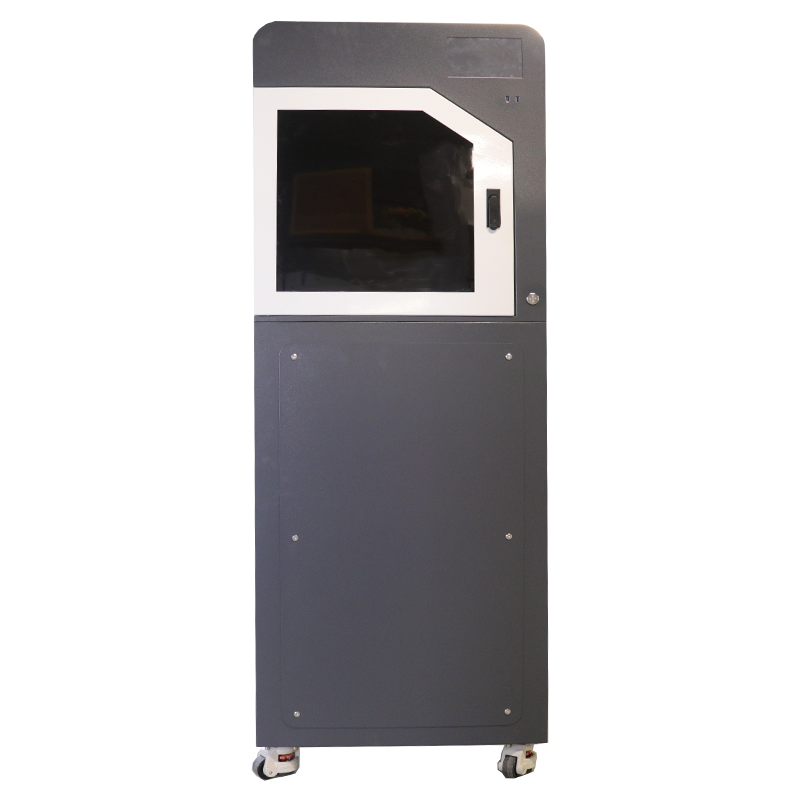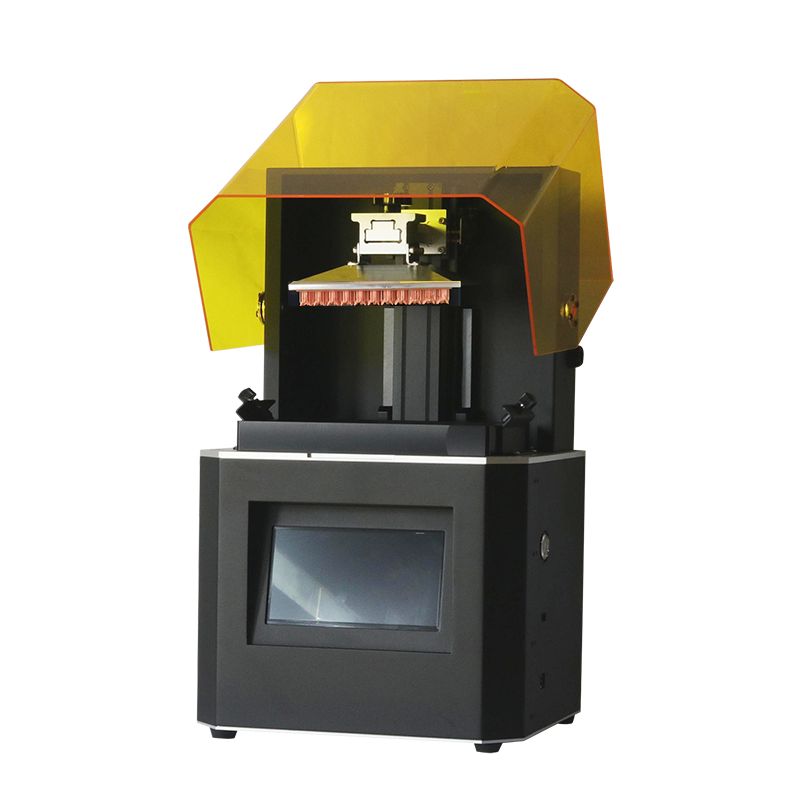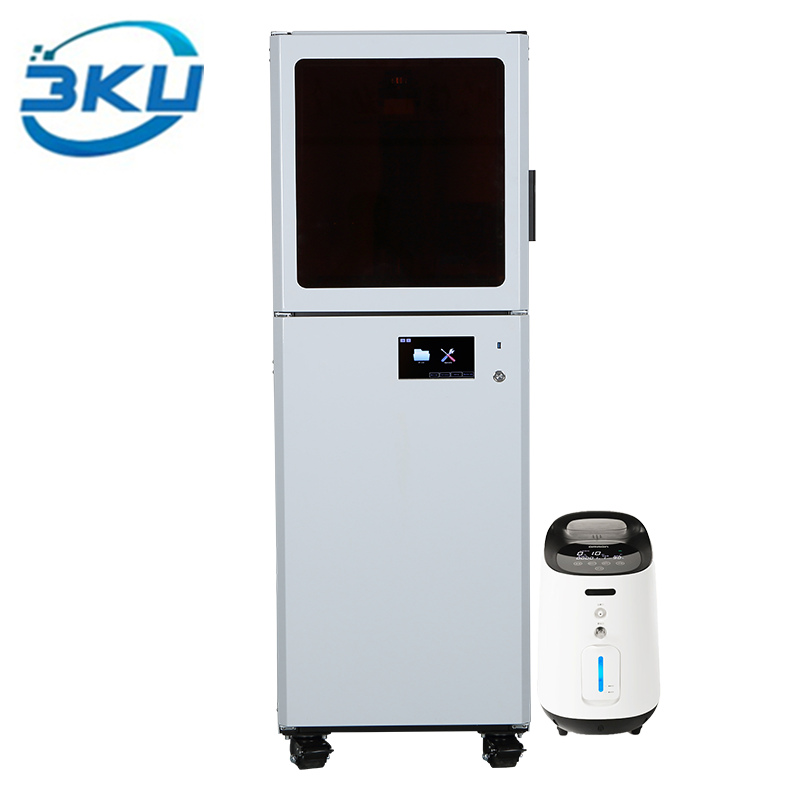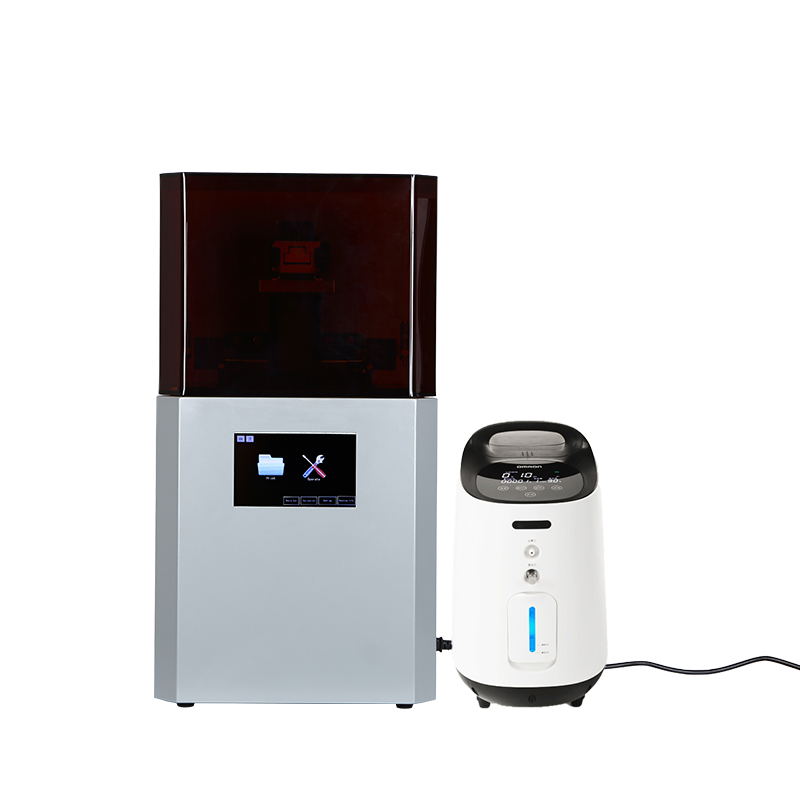
Dental model printers are specialized 3D printers designed to create precise dental models used in prosthetics, orthodontics, and other dental applications. As B2B buyers, purchasing managers, and dental professionals, your main concerns include accuracy, efficiency, and cost-effectiveness in selecting the right dental model printer for your practice or production facility. This article will guide you through key specifications, common installation issues, comparison techniques, quality control measures, and expert advice for wholesale buyers, ensuring you make an informed purchasing decision.
When evaluating dental model printers, focus on several key specifications that influence performance and suitability for your specific needs:
Print Resolution: Measured in microns (µm), print resolution determines the level of detail in the printed model. Higher resolutions provide finer details, which are essential for dental applications where precision is crucial. Verify that the printer's resolution aligns with the specific requirements of your dental projects.
Build Volume: The size of the build volume impacts the number of models you can print simultaneously. Consider your production needs—if you often produce multiple models, a larger build volume is advantageous.
Material Compatibility: Different printers utilize various materials, such as photopolymers for DLP and SLA printers or thermoplastics for FDM models. Ensure the printer you choose is compatible with the materials required for your treatments, as this directly affects the models' performance and durability.
Speed: The printing speed, often measured in mm/hour, affects productivity. For busy dental practices or labs, faster printing can lead to more efficient workflows. Compare the speeds of different models, but balance this against print quality.
Layer Thickness: This impacts the surface finish and detail of the final product. Thinner layers result in smoother finishes, which are often necessary for dental applications. Confirm that the printer can achieve the desired layer thickness for your specific applications.
Software Integration: Check if the printer's software allows for easy integration with design software commonly used in dental practices. This can streamline the workflow from design to printing.
Installing a dental model printer can come with challenges that may affect its operation. Here are some common issues and solutions:
Leveling the Build Platform: An improperly leveled build platform can lead to uneven prints. Ensure you follow the manufacturer's instructions for leveling the platform before starting your first print. Use a calibration tool if available.
Material Loading Problems: Difficulty in loading materials can lead to wasted time and materials. Familiarize yourself with the loading process and avoid overfilling the material reservoir, as this can lead to clogs. Regular maintenance of the material feed system is also crucial.
Software Compatibility Issues: Ensure that the printer's software is compatible with your existing systems. Regular updates may be necessary to avoid software conflicts. Consider reaching out to the manufacturer for technical support if you encounter persistent issues.
Temperature Control: Some printers require specific temperature settings for optimal performance. Monitor the temperature closely during operation, especially if you are in a location with fluctuating ambient temperatures.
By proactively addressing these installation issues, you can ensure a smoother setup process and minimize downtime.
When comparing dental model printers, consider the following steps to ensure you select the most suitable option for your business:
Identify Your Requirements: Clearly outline your specific printing needs, including the types of models you will produce, the volume of production, and any specific material requirements.
Create a Specification Checklist: Use the key specifications discussed earlier to create a checklist. This will help you objectively evaluate each model against your specific requirements.
Request Demonstrations or Samples: Whenever possible, request demonstrations or printed samples from potential suppliers. Assess the quality of these samples against your requirements to better understand the printer's capabilities.
Evaluate Supplier Support: Consider the level of technical support and after-sales service offered by the supplier. A manufacturer that provides lifetime technical support and guidance, like Shenzhen 3KU Technology and Science Co., LTD, can be invaluable for maintaining production efficiency.
Compare Pricing and Total Cost of Ownership: While initial purchase price is important, factor in ongoing costs such as materials, maintenance, and potential upgrades. The cheapest option may not always be the most cost-effective in the long run.
Check Reviews and References: Look for reviews from other dental professionals and buyers. Positive testimonials can provide insight into the printer's reliability and performance in real-world applications.
By following these steps, you can make a well-informed decision that aligns with your business needs.
Ensuring quality in the production of dental model printers involves several critical measures:
Material Testing: Each batch of printing material should undergo rigorous testing to confirm its suitability for dental applications. This includes evaluating its mechanical properties, biocompatibility, and curing characteristics.
Calibration and Maintenance Protocols: Regular calibration of printers is essential to maintain accuracy. Implement a scheduled maintenance program that includes cleaning, part replacement, and performance assessments.
Production Monitoring: During the manufacturing process, monitor key performance indicators (KPIs) such as print speed, failure rates, and material consumption. This data can help identify trends and areas for improvement.
Final Inspections: Before shipping, conduct comprehensive inspections of the finished printers. This should include functionality tests, visual inspections for defects, and checks against specified requirements.
User Feedback Integration: Collect feedback from users after they have used the printers in practical applications. This information can help refine future models and improve overall quality.
Implementing these quality control measures will not only enhance the reliability of your dental model printers but also build trust with your customers.
Since 2012 our founder has been working with 3D printers from FDM to DLP, Dlp 3d printer. He believes that "3d technology is going to bring about another industrial revolution". We strive to provide more services and technical support for 3D printer lovers who support us in a big way! We have the lowest priced tower packaging. We offer a courteous service and swiftly respond to changes in the market.
Our printers are applied across a range of industries, such as Ceramic 3d printer, Temples, Dentals, Ceramics, etc.. We offer a wide range of customized services. We provide a broad range of customized services, including the design of the packaging along with the software, branding, packaging and many other functions. We provide our customers with 3D printers for the cheapest prices with high quality, functionality and efficacy.
Based on a unique design and structure, especially our outstanding research team, our printers can be found in various industries, including Dental cast and crown, Jewelry cast, Alumina 3d printing, Precise Molding, ect. We offer free samples. We can print stl files on our printers and show you how they operate and the results before purchasing.
Shenzhen 3KU Technology and Science Co. LTD was founded in 2014. In just a few years of promoting and advancing our brand, 3KU is well-known to 3d printer fans and users. We offer a wide variety of technical assistance, which includes printing technology, post-processing, 3d printing and jewelry, and lifetime warranty. We offer highly professional service and technology. We can solve printing and casting problems across various fields.
Copyright © Shenzhen 3KU Technology and Science Co., LTD. All Rights Reserved Privacy Policy Blog
 EN
 AR
 BG
 HR
 CS
 DA
 NL
 FI
 FR
 DE
 EL
 HI
 IT
 JA
 KO
 NO
 PL
 PT
 RO
 RU
 ES
 SV
 TL
 IW
 ID
 SR
 SK
 SL
 VI
 ET
 HU
 TH
 TR
 FA
 MS
 GA
 CY
 BE
 IS
 MY