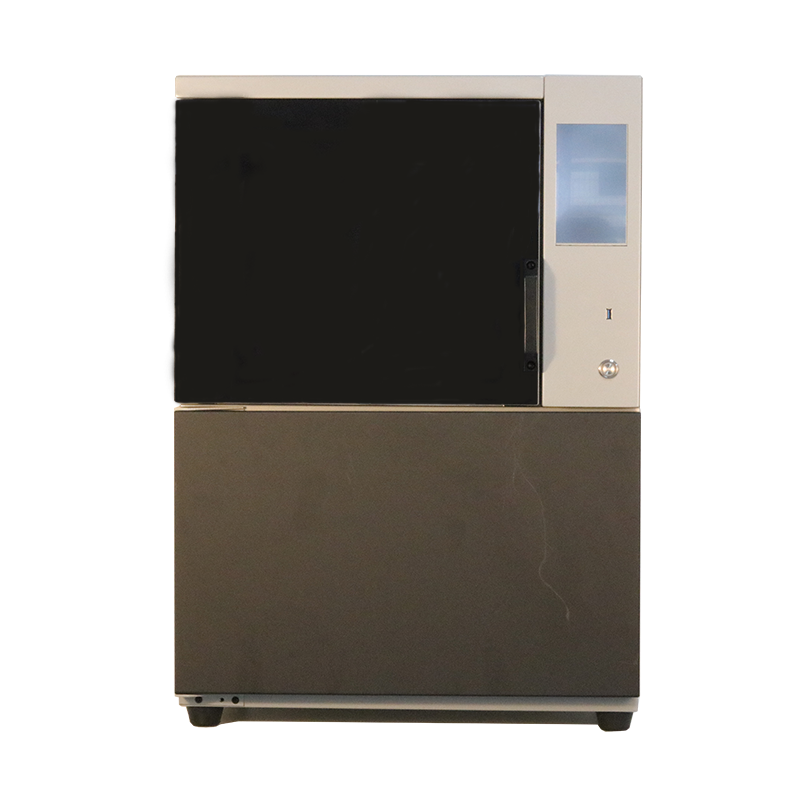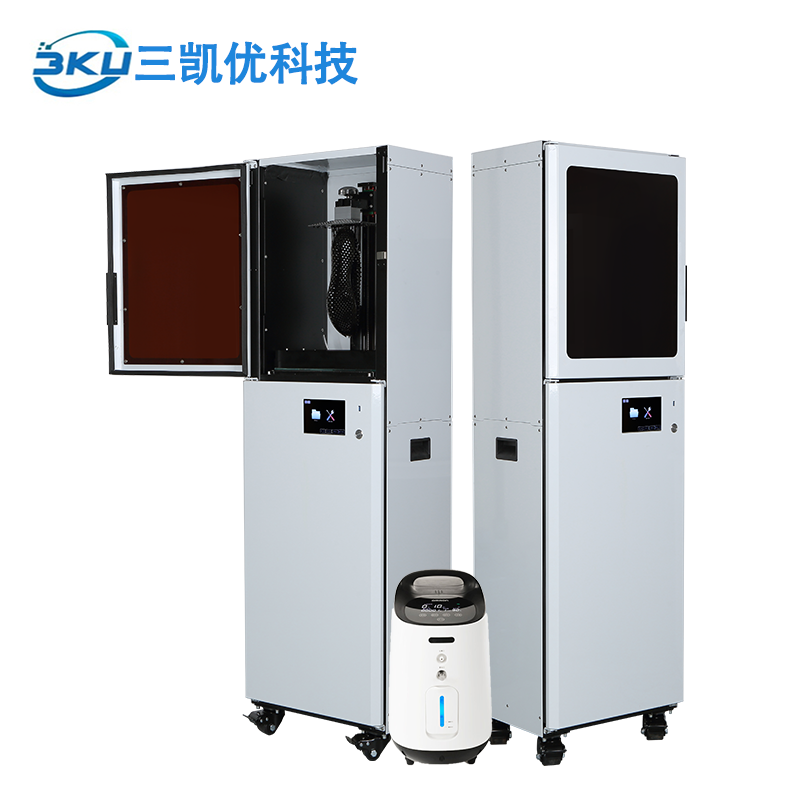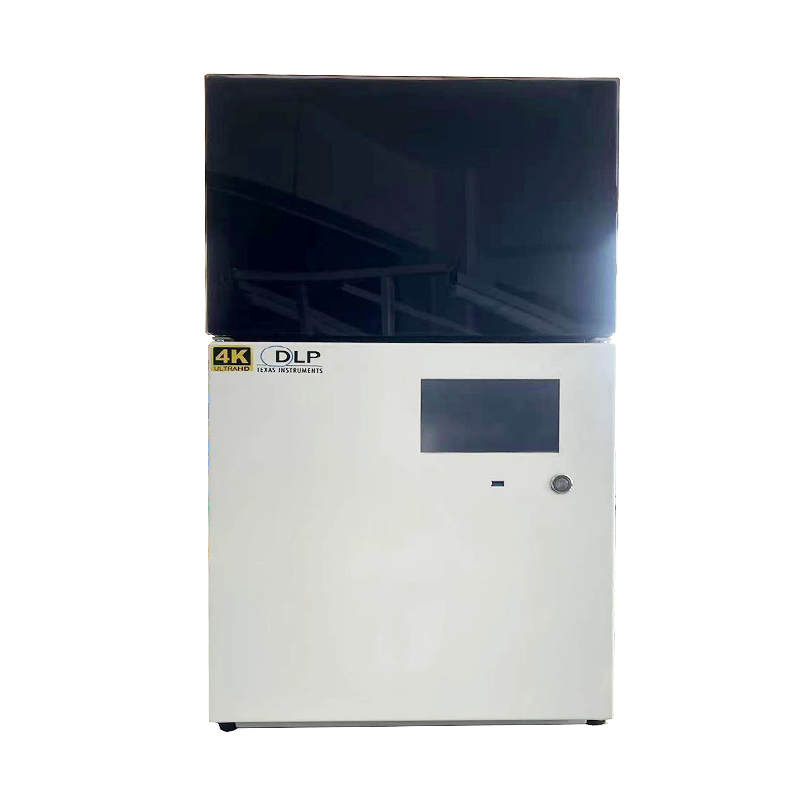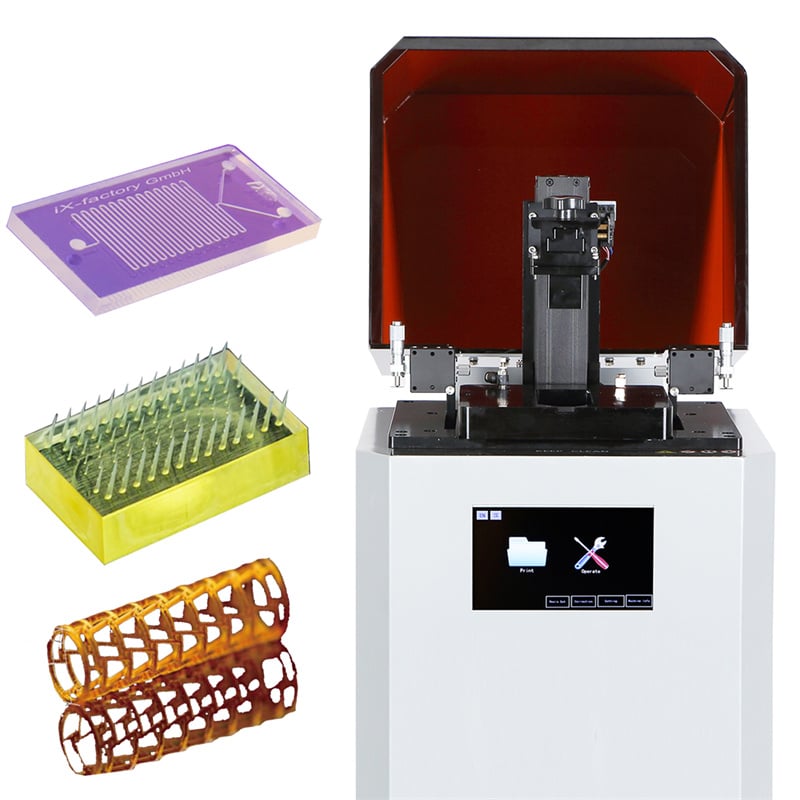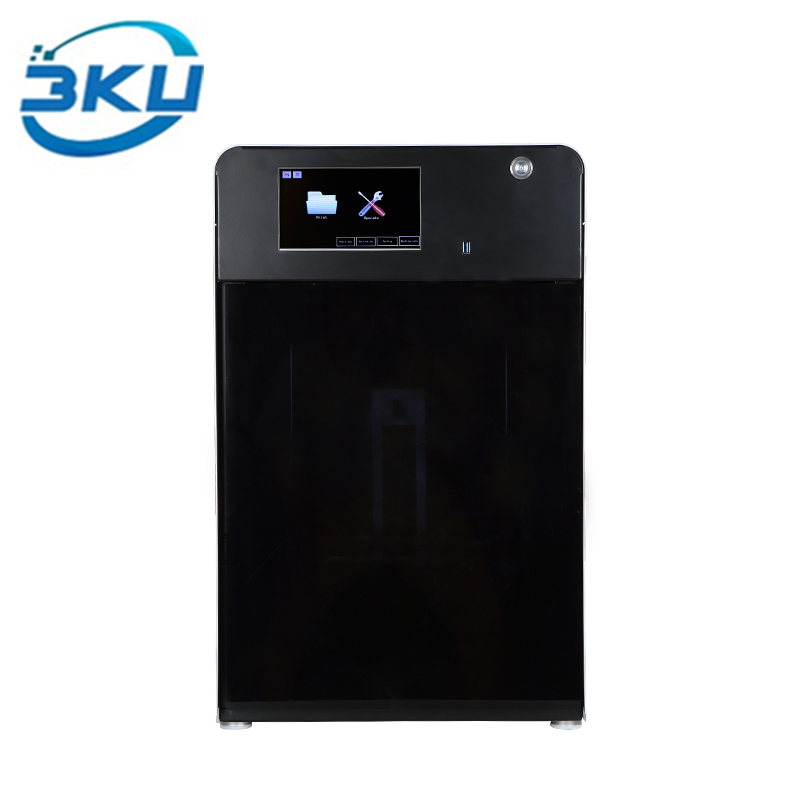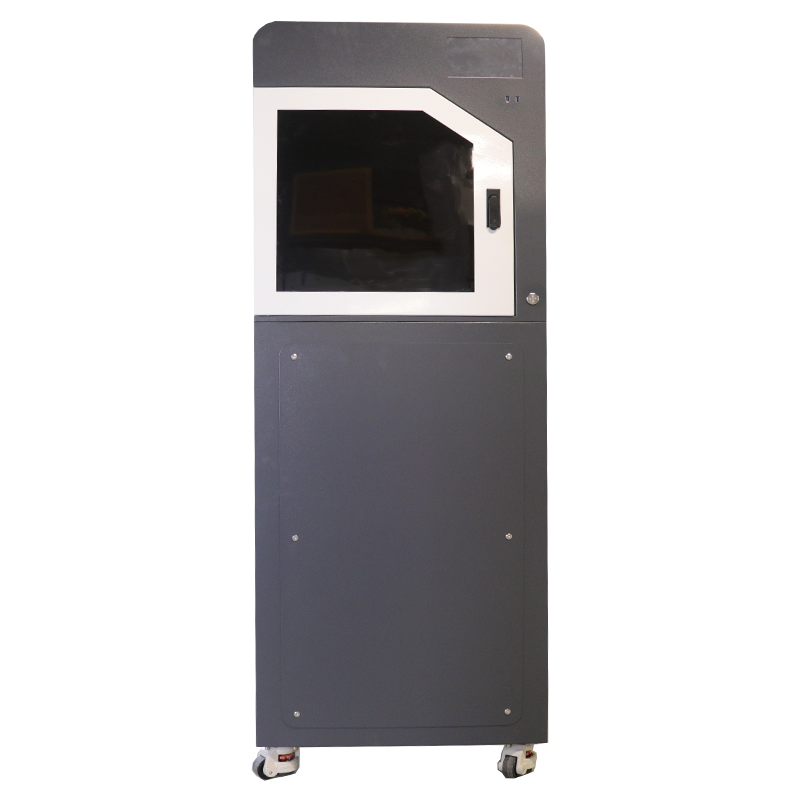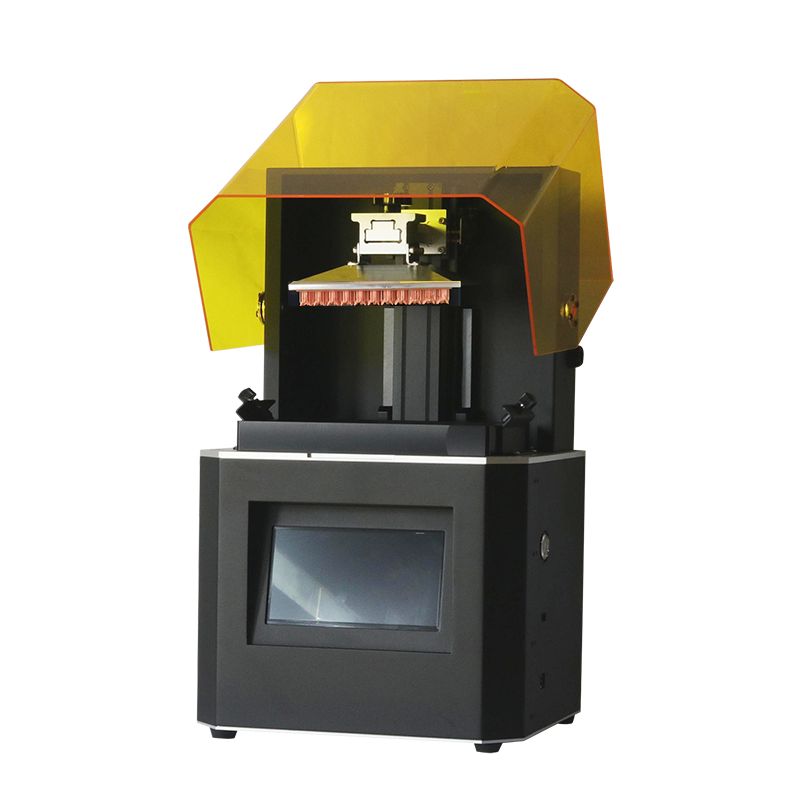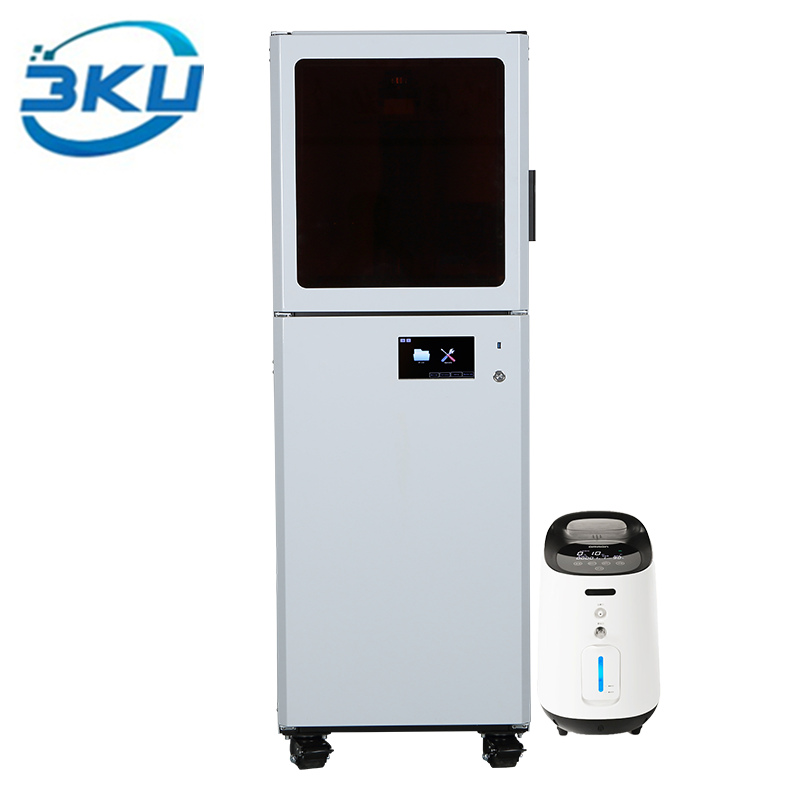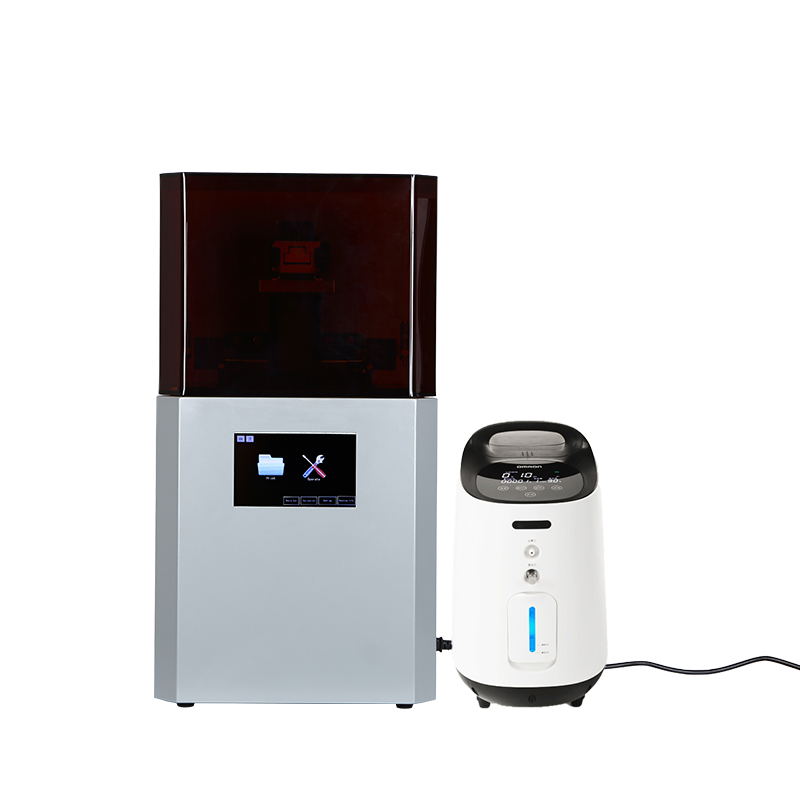
Alumina 3D printing is an innovative manufacturing technique that utilizes aluminum oxide (alumina) as a material to create high-performance components. Buyers in industries such as dental, jewelry, and precision molding often seek alumina 3D printing for its strength, durability, and excellent thermal resistance. This article will provide insights into key specifications, cost evaluations, installation guidance, applications across various industries, and how to compare different alumina 3D printing options, helping you make informed purchasing decisions.
When considering shenzhen 3KU alumina 3D printing, several specifications are crucial to ensuring product quality and suitability for your applications. Key specifications include:
Material Composition: The alumina used in alumina 3d printing should typically have a purity of 99.5% or higher. Higher purity levels contribute to better mechanical properties and thermal stability, which are essential for applications requiring high strength and resistance to thermal shock.
Print Resolution: The layer thickness can significantly affect the final product's quality. A thinner layer can provide higher detail and smoother finishes, making it ideal for intricate designs in jewelry or dental applications. Common layer thicknesses range from 50 to 200 microns.
Mechanical Properties: Understanding the tensile strength, flexural strength, and hardness of the final printed parts is essential. For alumina, a typical tensile strength is around 200 MPa, while flexural strength can exceed 300 MPa, making it suitable for demanding applications.
Surface Finish: The surface finish of the printed component plays a vital role in its performance. A smoother finish can enhance aesthetic appeal and functional performance, particularly in medical or dental applications where precision is critical.
Incorporating these specifications into your evaluation process helps ensure the selected alumina 3D printing product meets your operational needs.
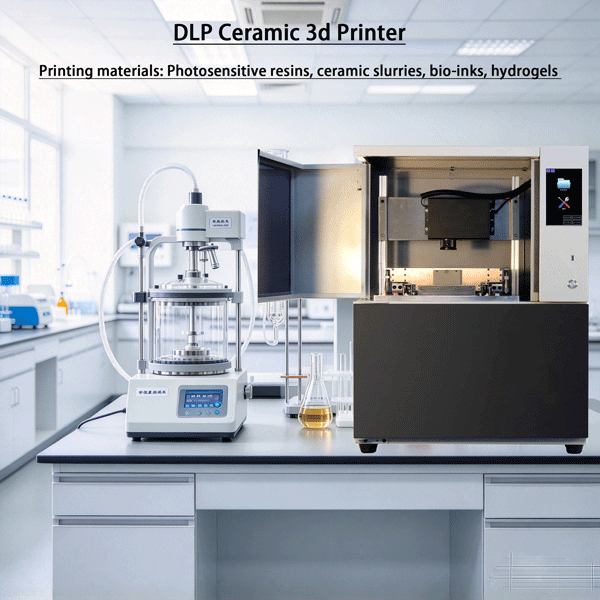
Cost evaluation for bulk orders in alumina 3D printing involves multiple factors. Here are key considerations to guide your assessment:
Material Costs: The price of alumina powder can fluctuate based on purity, source, and market demand. Ensure you account for these differences when calculating total costs.
Printer Setup: The initial setup costs of 3D printers, including calibration and adjustments, can vary. Manufacturers like Shenzhen 3KU Technology and Science Co., LTD offer customization that may affect pricing. Discuss these aspects with your supplier to understand how they impact your budget.
Production Volume: Higher production volumes often lead to cost savings due to economies of scale. Inquire about pricing tiers for different quantities to maximize your investment.
Post-Processing Costs: Consider any additional costs associated with post-processing techniques such as polishing, coating, or assembly. These processes can add significant value but should be factored into your overall pricing.
By carefully evaluating these cost factors, buyers can make more informed decisions regarding their bulk orders of alumina 3D printed products.
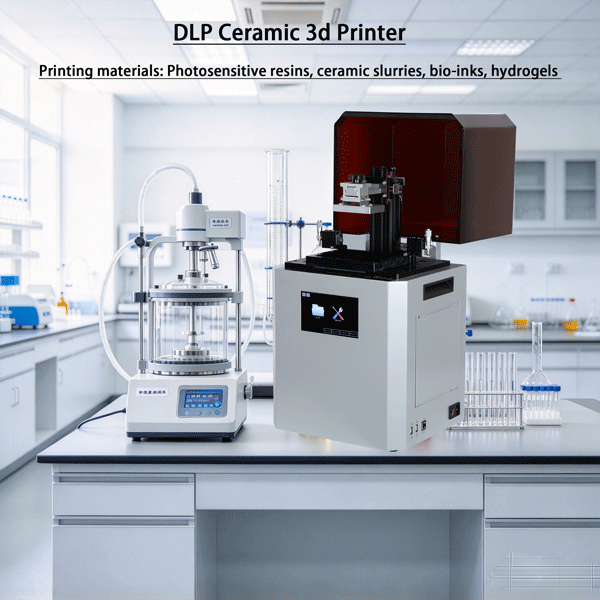
Proper installation of alumina 3D printing equipment is vital for achieving optimal performance. Here are essential steps to consider:
Site Preparation: Ensure your facility has the necessary infrastructure, including adequate space, power supply, and ventilation. Proper site conditions can prevent operational issues and enhance machine longevity.
Equipment Calibration: After installation, calibrate the printer according to the manufacturer's specifications. This step ensures accurate print dimensions and material flow, critical for maintaining product quality.
Software Configuration: Configure the associated software for optimal 3d printing alumina settings. This includes selecting appropriate print speeds, layer thickness, and temperature settings based on the material specifications.
Training: Invest in comprehensive training for operators to familiarize them with the equipment and processes. Proper training can significantly reduce the likelihood of errors and improve production efficiency.
Following these guidelines will help you achieve a successful installation and operation of your alumina 3D printing equipment.
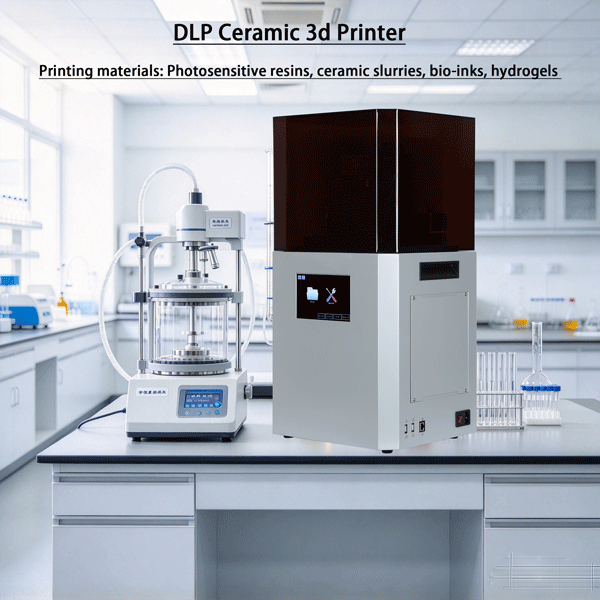
Alumina 3D printing has diverse applications across multiple industries due to its unique material properties. Key sectors include:
Dental Industry: In dental applications, alumina 3D printing is used to create crowns, bridges, and custom dental implants. Its biocompatibility and strength make it an ideal choice for long-lasting dental solutions.
Jewelry Manufacturing: Jewelers utilize alumina 3D printing for creating intricate designs and patterns in custom jewelry. The ability to produce detailed pieces with high precision enables unique and personalized jewelry options.
Aerospace and Automotive: In these industries, alumina parts can withstand high temperatures and stresses. Components such as turbine blades and heat shields benefit from alumina's thermal resistance and lightweight characteristics.
Electronics: Alumina's excellent insulating properties allow for its use in electronic components, such as substrates in circuit boards and insulators for high-voltage applications.
Understanding these applications can help buyers select the right alumina 3D printing solutions tailored to their industry needs.
Our printers, which are based on a unique design, 3d print ceramic, and most importantly our outstanding team of researchers can be found in many industries like Dental Casts and crowns, Jewelry castings, Garage Kits, Precise moldings, and more. We offer free examples. You can send us stl files, and we print using our printers to show how it operates and what the results are before you purchase.
Our printers are applied across a range of industries, such as Ceramic 3d printer, Temples, Dentals, Ceramics, etc.. We offer a wide range of customized services. We provide a broad range of customized services, including the design of the packaging along with the software, branding, packaging and many other functions. We provide our customers with 3D printers for the cheapest prices with high quality, functionality and efficacy.
Shenzhen 3KU Technology and Science Co. LTD was founded in 2014. Within a Ceramic 3d printer of months, 3KU has become a well-known brand among 3d printer users and fans. We provide a full array of technical support, including printing technologies, post-processing, casting methods, and life-long warranty. We provide professional technology and a customized service to solve the printing and casting issues in various areas.
The Ceramic 3d printer of our company is working on 3D printers since 2012, starting with FDM, DLP, SLA. He believes that "3d technology is going to lead another revolution in the industrial sector". We strive to offer more service and technical assistance to 3D printer enthusiasts who believe in us strongly! We have the best priced tower packaging. We provide courteous service, and we can respond quickly to market changes.
Copyright © Shenzhen 3KU Technology and Science Co., LTD. All Rights Reserved Privacy Policy Blog
 EN
 AR
 BG
 HR
 CS
 DA
 NL
 FI
 FR
 DE
 EL
 HI
 IT
 JA
 KO
 NO
 PL
 PT
 RO
 RU
 ES
 SV
 TL
 IW
 ID
 SR
 SK
 SL
 VI
 ET
 HU
 TH
 TR
 FA
 MS
 GA
 CY
 BE
 IS
 MY