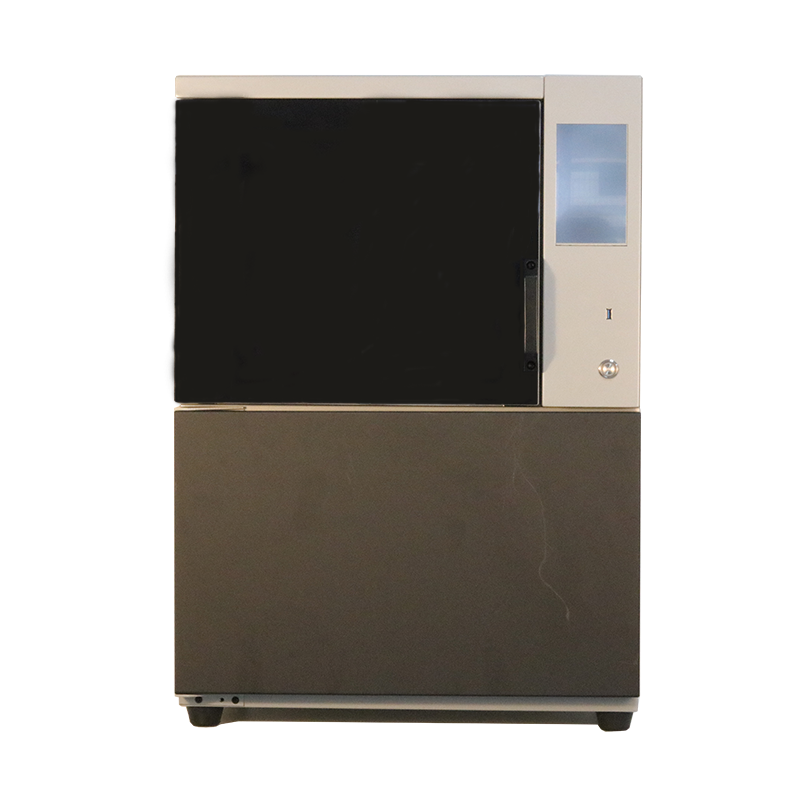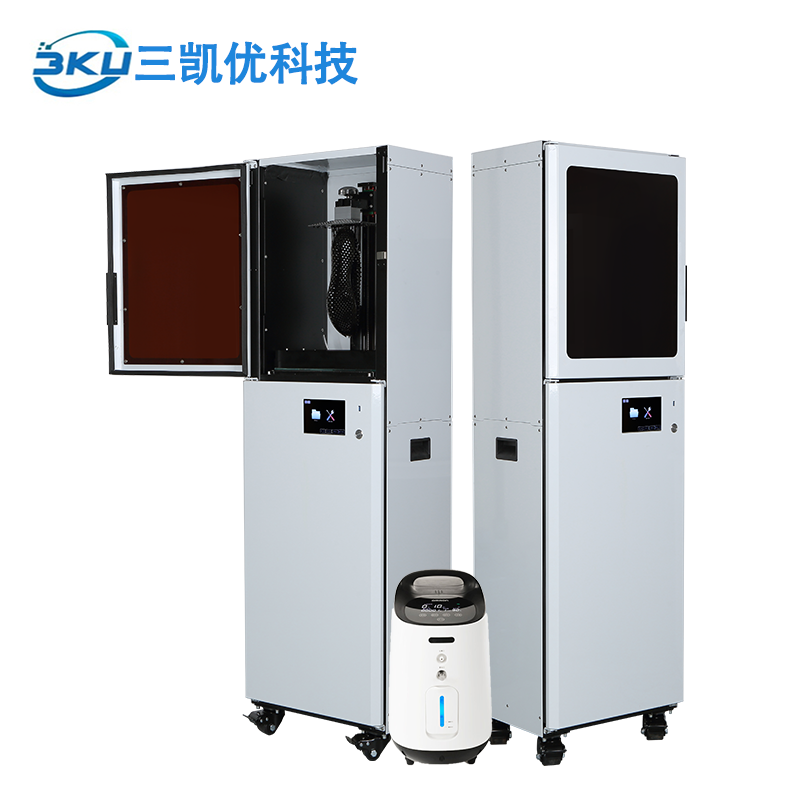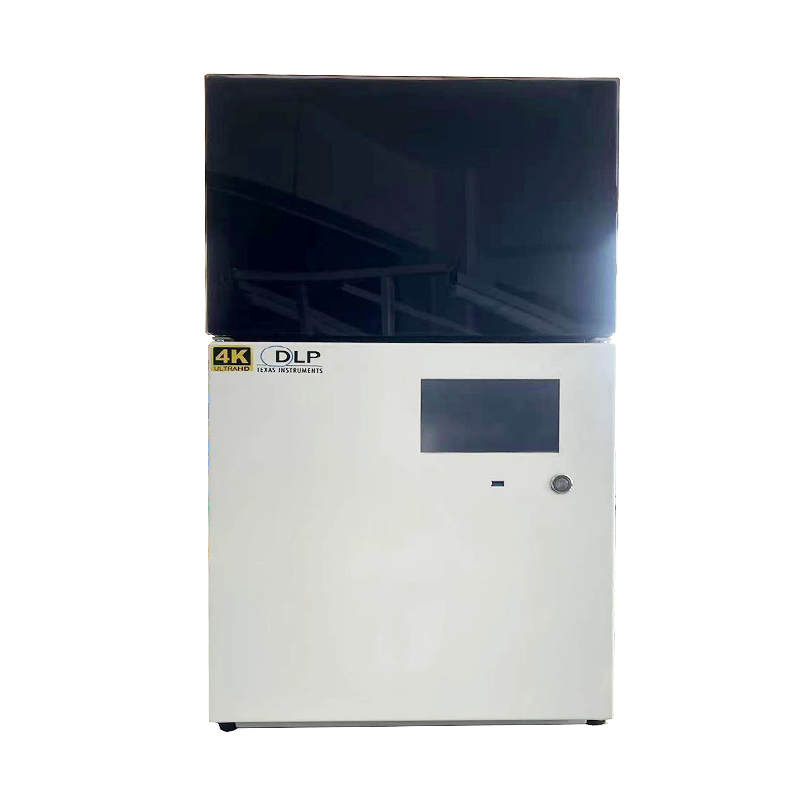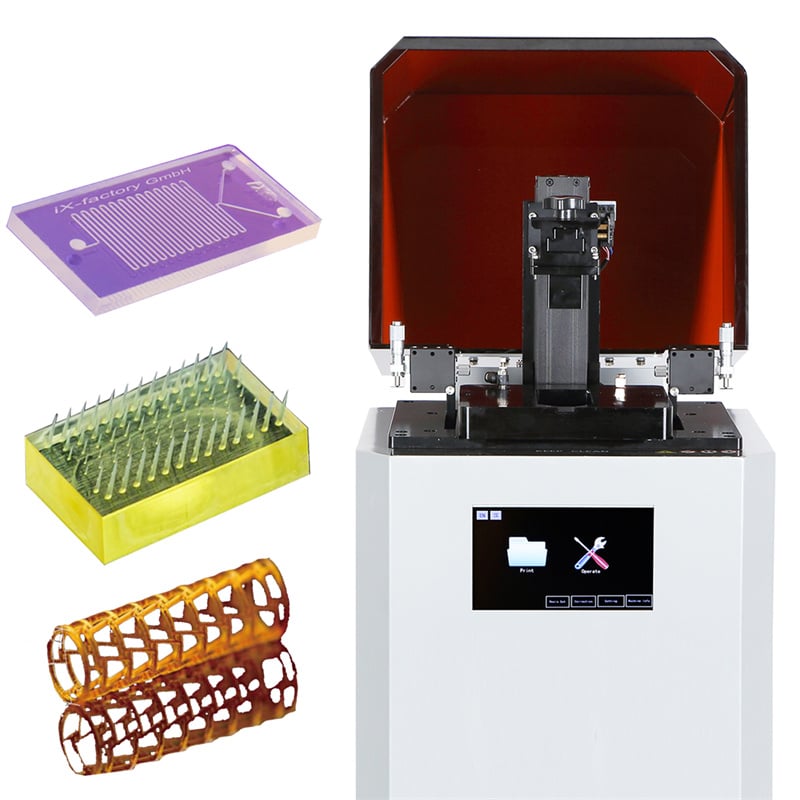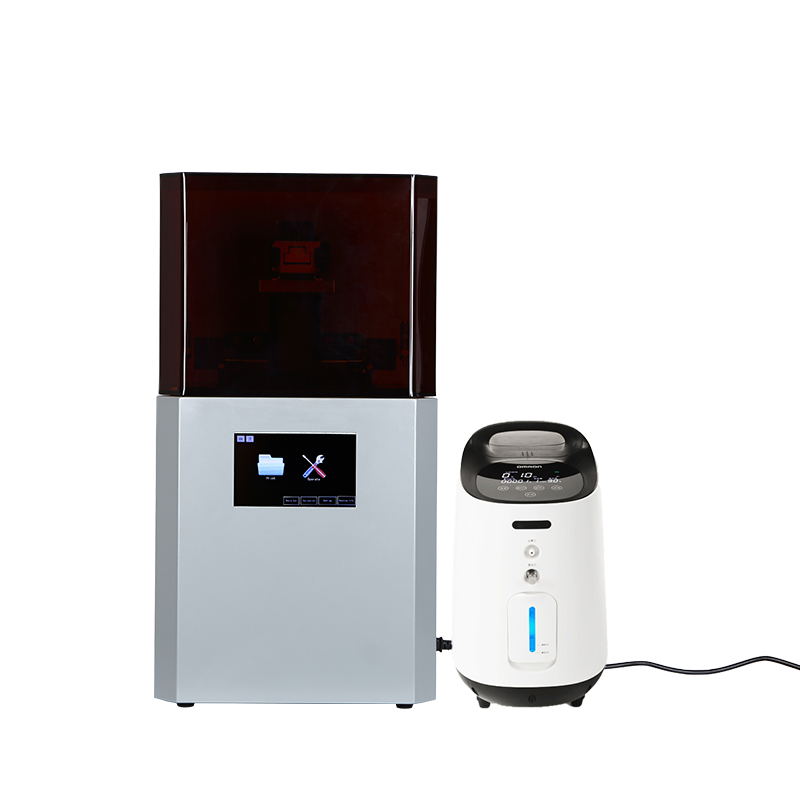
3D printing, particularly DLP technology, is revolutionizing the manufacturing landscape by offering precise, efficient, and customizable solutions for various industries, including dental, jewelry, and molding applications. As a purchasing manager or engineer, understanding the intricacies of DLP technology is essential for making informed decisions. This article will delve into the cost factors, project suitability, material advantages, and vital insights for importers and distributors, ensuring you are well-equipped to navigate the complexities of 3d printing jewelry.
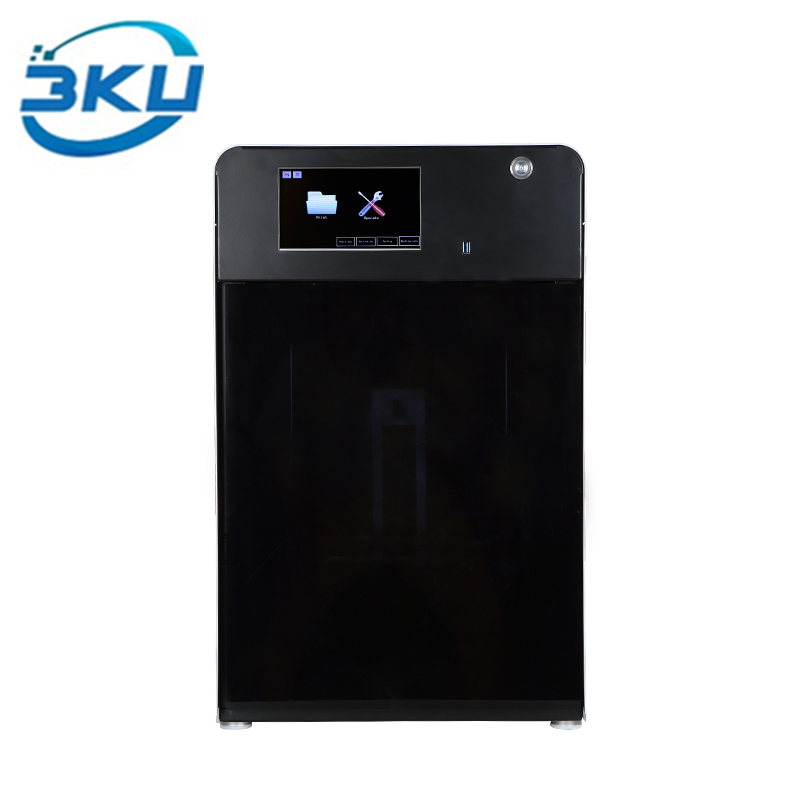
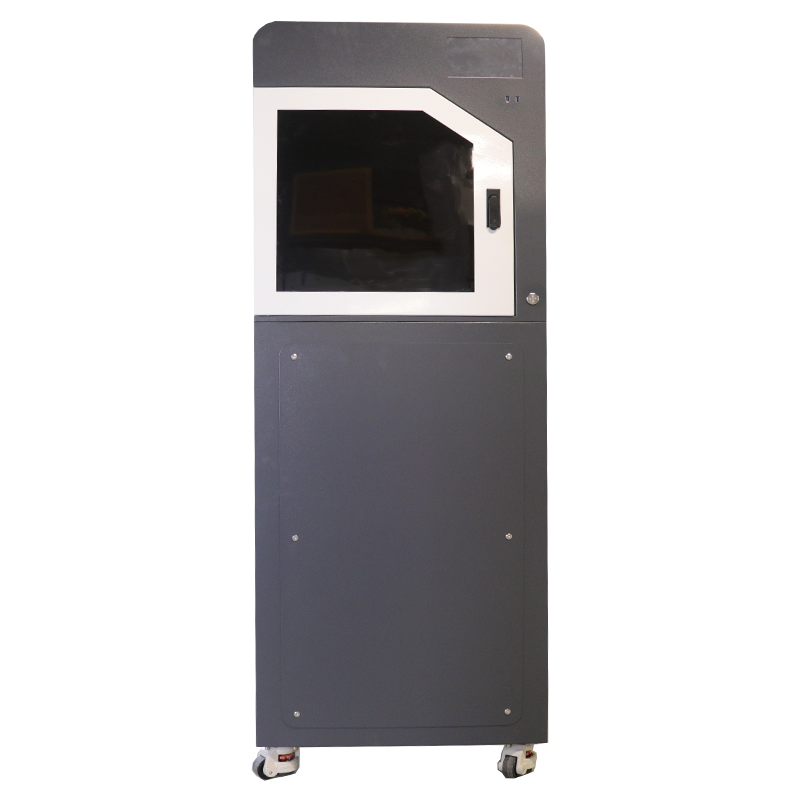
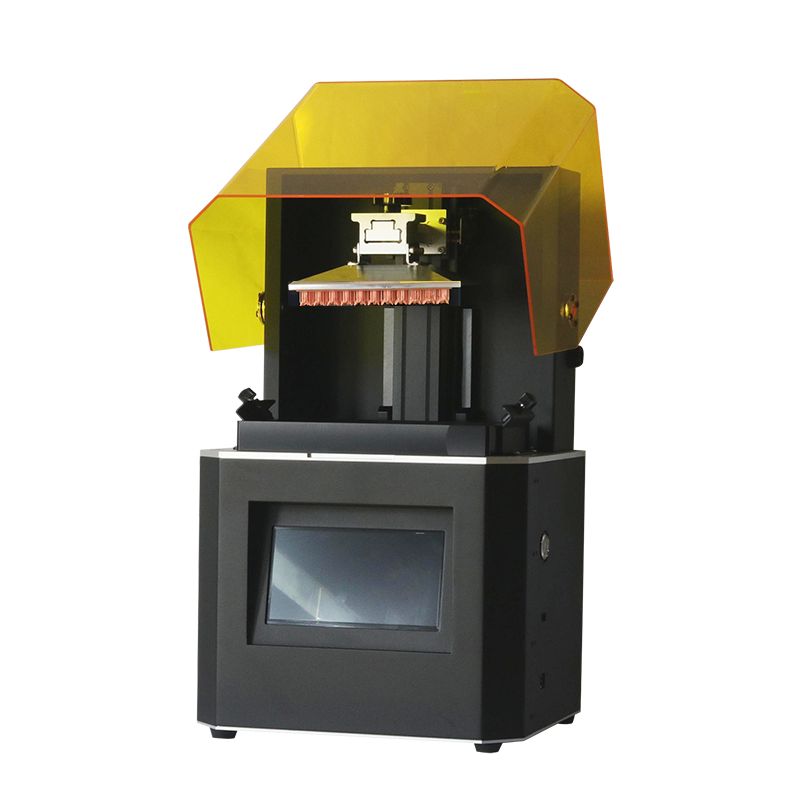
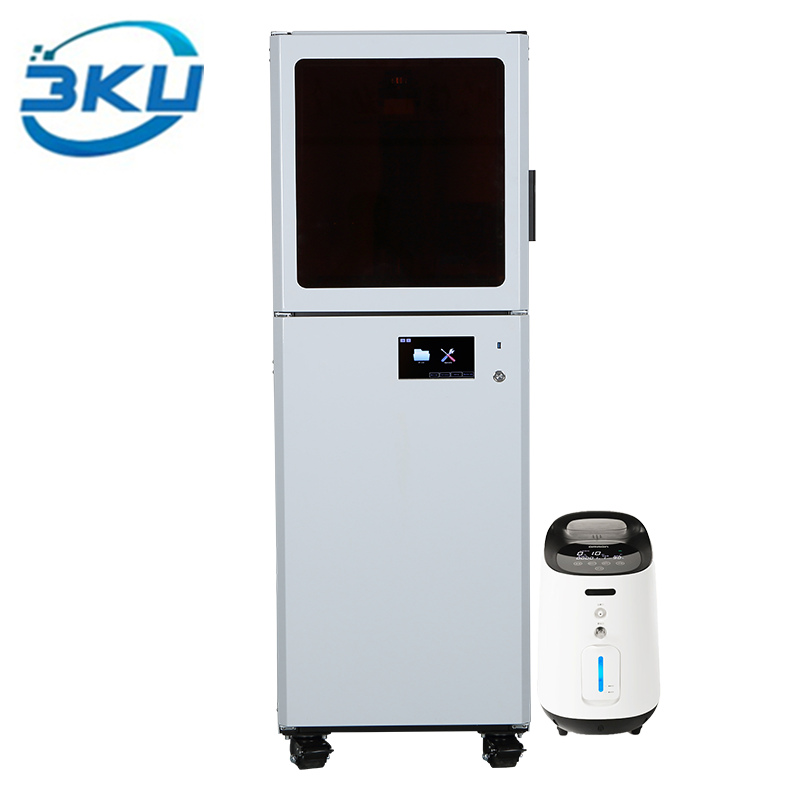
When evaluating DLP 3D printing technology, several cost factors come into play that can significantly impact your purchasing decisions. Firstly, the initial investment in the printer itself can vary widely based on features, capabilities, and manufacturer reputation. For instance, Shenzhen 3KU Technology and Science Co., LTD offers a range of DLP printers that feature unique designs tailored for specific applications, which can influence pricing.
Additionally, ongoing costs such as resin materials, maintenance, and potential upgrades should be considered. DLP printers use photopolymer resins that can differ in price based on their properties and intended applications. Buyers should also be aware of the durability and longevity of the materials used, as this can affect the total cost of ownership over time.
Furthermore, customization options can add to the initial costs, but they can also lead to greater efficiency and lower operational costs in the long run. For instance, if your project requires specialized software or unique design features, these factors should be factored into your budget. Understanding these elements will help you accurately assess the total cost of ownership and make a purchasing decision that aligns with your business objectives.
Selecting the right DLP 3D printer for your project requires careful consideration of various factors, including the intended application, required specifications, and the manufacturing environment. For example, if you are in the dental industry, you may need a printer that specializes in high-resolution models to create precise dental aligners or crowns. On the other hand, jewelry manufacturing may prioritize printers that can produce intricate designs with fine details.
It is also essential to evaluate the printer's build volume and resolution capabilities. A larger build volume allows for the production of bigger parts or multiple items in a single print, which can enhance efficiency. Meanwhile, high resolution is critical for applications demanding precision, as it directly impacts the quality of the final product.
Additionally, consider the compatibility of the printer with various materials. Some DLP printers are designed to work with specific resin types, while others offer versatility with different materials. This adaptability can be crucial for companies that may need to switch between material types based on project requirements.
Lastly, take into account the overall support and service offered by the manufacturer. A company that provides lifetime technical support, like Shenzhen 3KU Technology and Science Co., LTD, can be invaluable in ensuring your printer operates smoothly and effectively throughout its lifecycle.
The choice of materials in DLP 3D printing plays a pivotal role in determining the performance and suitability of the final product. DLP technology primarily uses photopolymer resins, which can be tailored to meet specific performance criteria. When evaluating materials, consider factors such as mechanical properties, curing speed, and thermal stability.
For example, dental applications often require biocompatible resins that meet specific regulatory standards, such as ISO certification. In contrast, jewelry manufacturing may prioritize materials that offer excellent surface finishes and vibrant colors to enhance the aesthetic appeal of the final product.
Additionally, the unique capabilities of DLP technology allow for the production of parts with complex geometries and intricate details not achievable with traditional manufacturing methods. This can lead to significant advantages in terms of design flexibility and overall product functionality.
It is also important to assess the long-term performance of the materials. Buyers should inquire about the material's resistance to environmental factors such as moisture, UV exposure, and temperature fluctuations, as these can impact the durability and longevity of the final product.
By understanding the material advantages and limitations, buyers can make informed decisions that align with their project requirements, ensuring that the selected materials will deliver the desired performance.
For importers and distributors looking to navigate the DLP 3D printing landscape, understanding the market dynamics and establishing reliable supply chains is crucial. Start by identifying reputable manufacturers, such as Shenzhen 3KU Technology and Science Co., LTD, which not only offers a variety of DLP printers but also provides comprehensive customization options to meet specific client needs.
Communication is key when dealing with manufacturers. Ensure you can convey your requirements clearly, including the types of applications your clients are involved in, the expected production volumes, and any specific customization needs. This will enable the manufacturer to provide tailored solutions that can enhance your offerings.
Moreover, understanding the logistics involved in importing alumina 3d printing and materials is essential. Factors such as lead times, shipping costs, and import regulations can all affect your business's profitability. Work closely with your suppliers to establish efficient shipping methods and ensure compliance with all necessary regulations, which can streamline the process and reduce potential delays.
Finally, consider establishing a solid after-sales support system for your clients. Offering installation guidance, technical support, and maintenance services can significantly enhance customer satisfaction and foster long-term relationships.
Our 3d printing and jewelry have been utilized in a variety of industries, including Jewelry, Temples Dentals, Ceramics and more. Our custom services are ideal. The customized services include the appearance design, customized logo, software design, more functionality and the personalized packaging. We provide our customers with 3D printers at the most affordable prices, and with the highest quality, utility and efficiency.
Since 3 d printer jewelry, our founder has worked with 3D printers all the way from FDM to DLP, SLA. He believes that "3d technology will create a new revolution in the industrial sector". We do our best to offer more support for technical and service issues to those who love 3D Printers and have a strong support for us! We offer a courteous service and swiftly respond to market needs.
Based on a unique design and structure, especially our Dlp printer, our printers are used in various industries, including Dental cast and crown, Jewelry cast, Garage Kit, Precise Molding, ect. Samples are free. We can print STL files on our printers, and show you how they operate and the outcomes before you buy.
Shenzhen 3KU Technology and Science Co. LTD was established in 2014. Within a few years of marketing and development, our brand 3KU is well-known to 3d printer 3 d printer jewelry and users. We offer a complete technical support, printing technology, after casting processes, and a lifetime warranty. We provide professional technology and a customized service to help with casting and printing issues across different fields.
Copyright © Shenzhen 3KU Technology and Science Co., LTD. All Rights Reserved Privacy Policy Blog
 EN
 AR
 BG
 HR
 CS
 DA
 NL
 FI
 FR
 DE
 EL
 HI
 IT
 JA
 KO
 NO
 PL
 PT
 RO
 RU
 ES
 SV
 TL
 IW
 ID
 SR
 SK
 SL
 VI
 ET
 HU
 TH
 TR
 FA
 MS
 GA
 CY
 BE
 IS
 MY