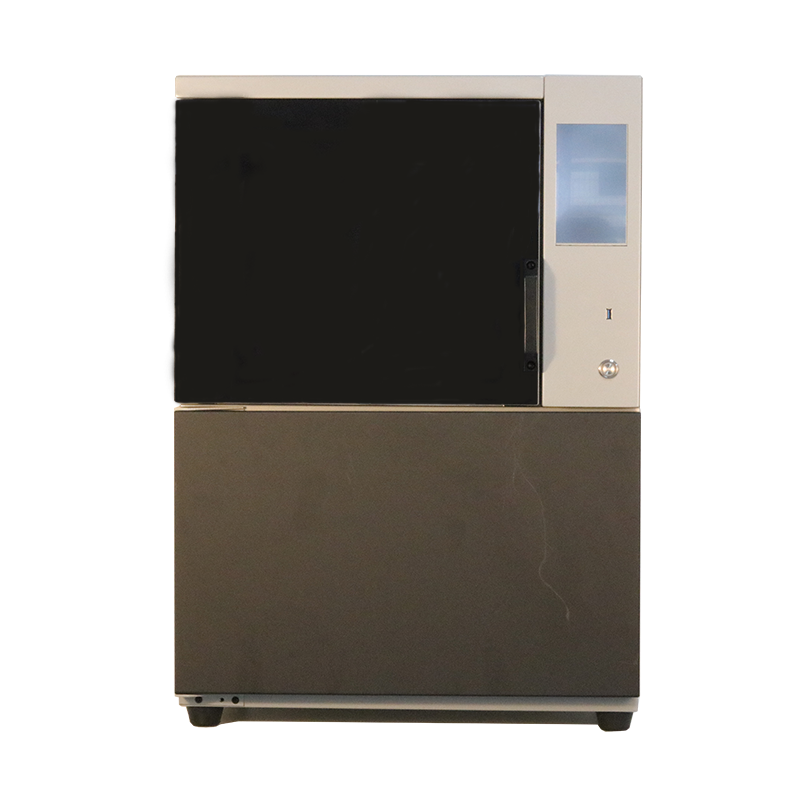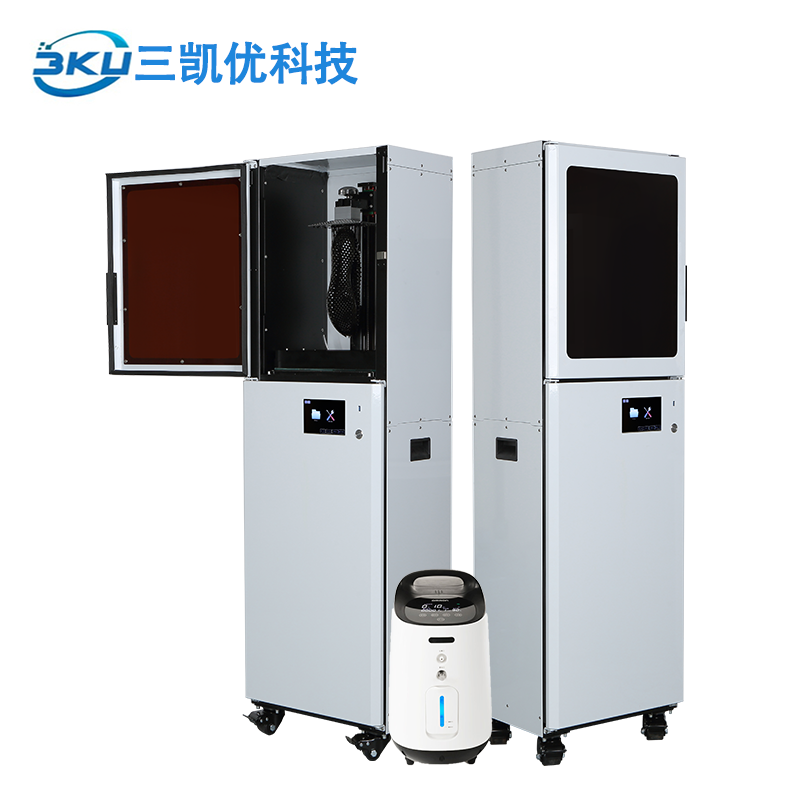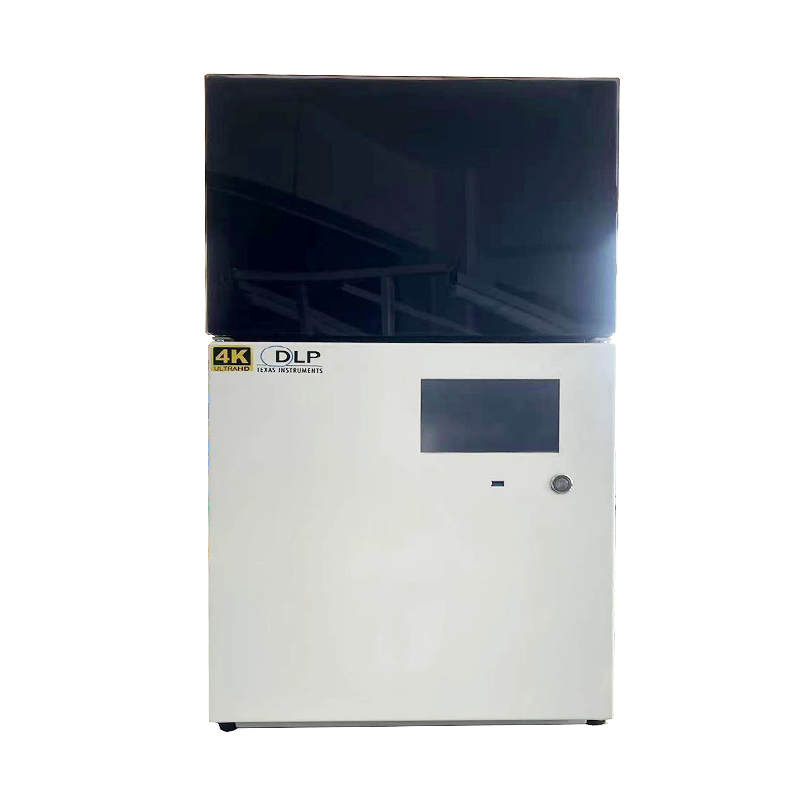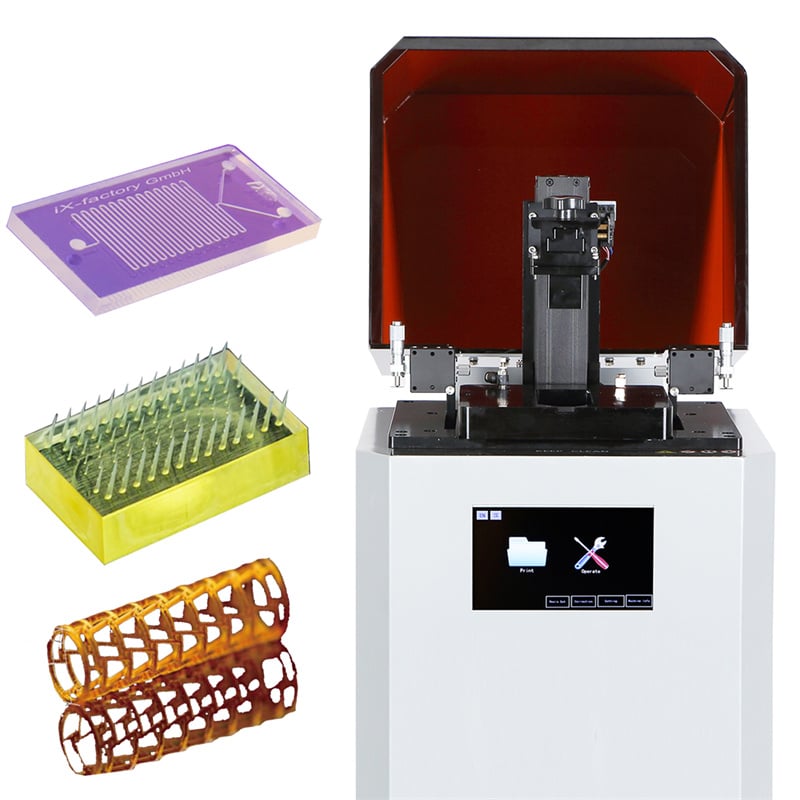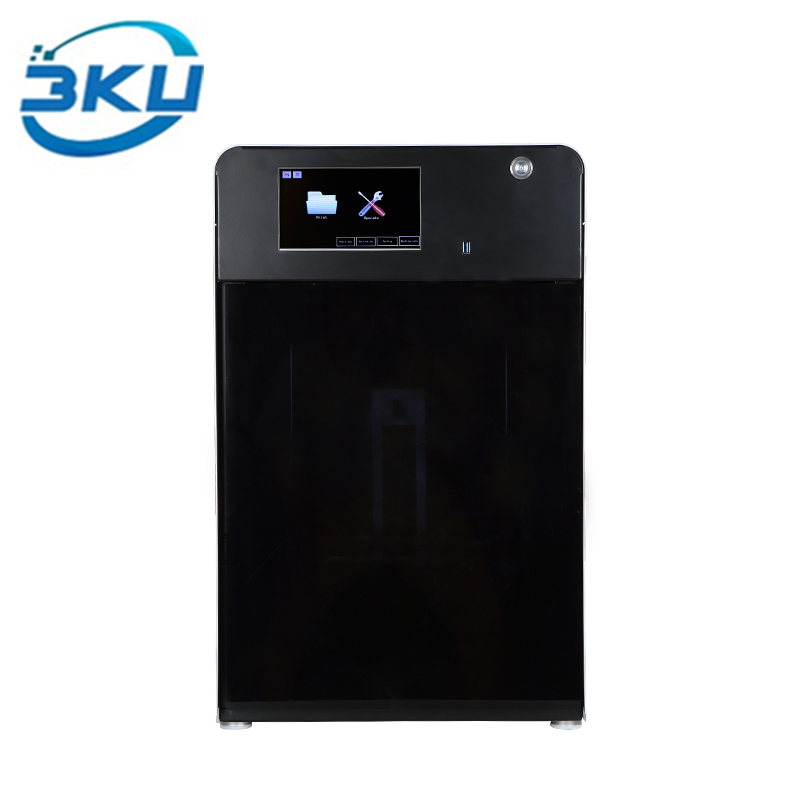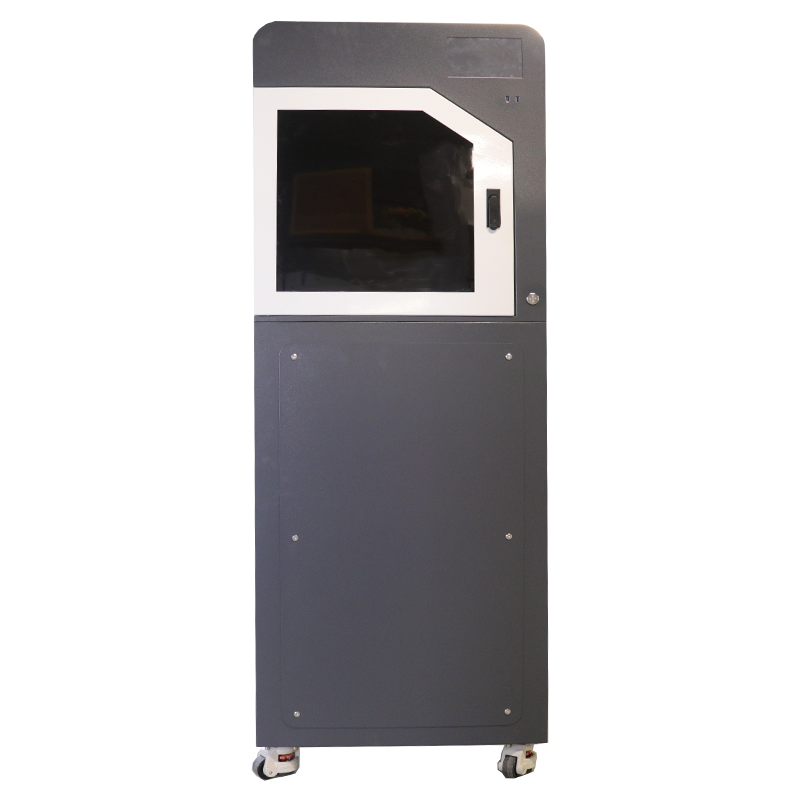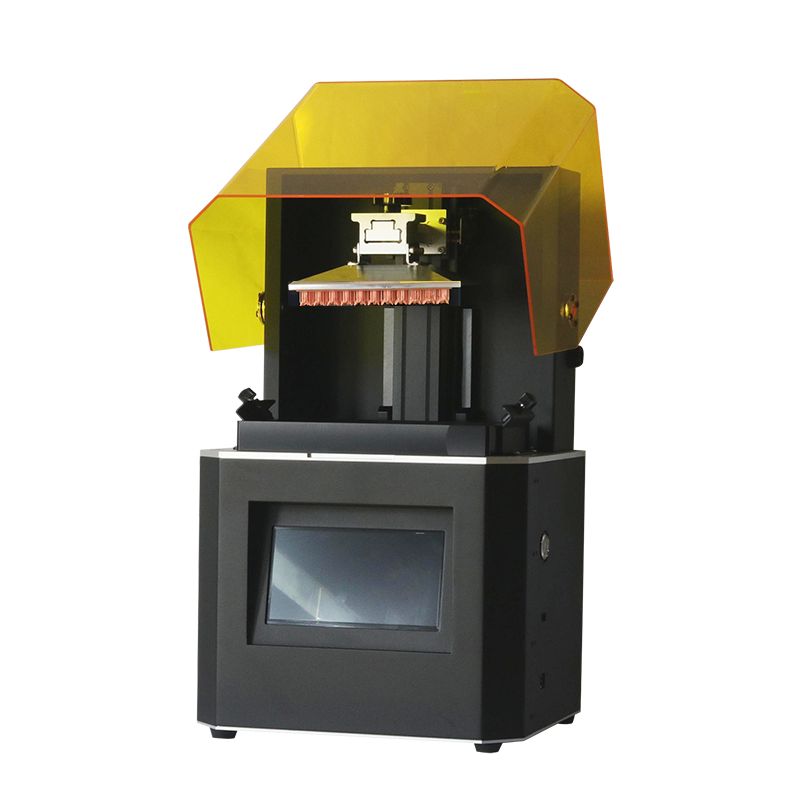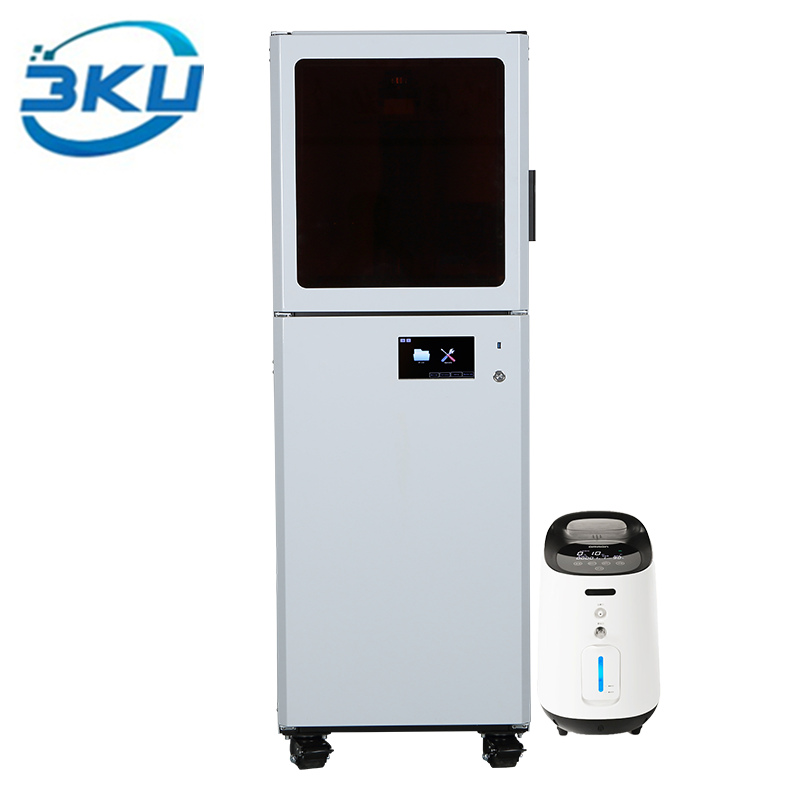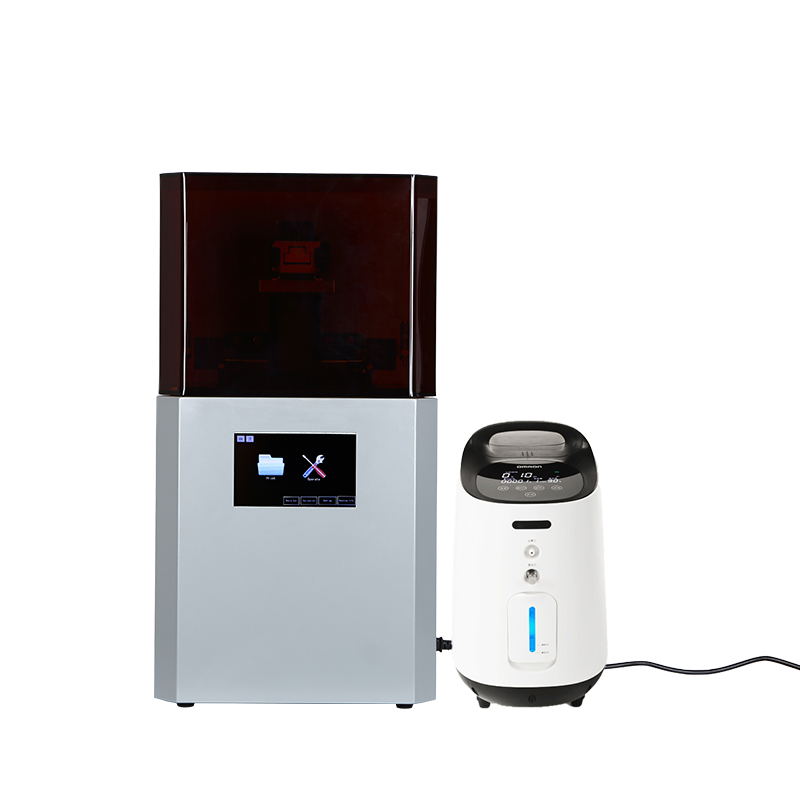
3D printed dentures are an innovative solution in modern dentistry, enabling the creation of customized dental prosthetics with precision and efficiency. As a product that combines advanced manufacturing techniques and biocompatible materials, 3d printed teeth address critical buyer concerns such as cost, quality, and application suitability. This article will explore the cost savings associated with these dentures, best practices for their use, material comparisons, understanding the cost factors involved, and the various applications they serve in contemporary dental practices.
One of the most significant advantages of 3D printed dentures is the potential for cost savings throughout the manufacturing process. Traditional denture production typically involves multiple manual steps, which can be time-consuming and labor-intensive. In contrast, 3D printing automates much of this process, reducing labor costs and minimizing material waste.
Moreover, the customization capabilities of 3D printing allow for precise fitting, which can lead to fewer adjustments and remakes, further reducing costs. For dental practices, this translates to lower overheads and a quicker turnaround for patients, enhancing service efficiency. When evaluating the total cost of ownership, it’s essential for buyers to consider both the initial investment in 3D printing technology and the long-term savings gained through reduced material use and improved production speed.
To ensure optimal results when using 3D printed dentures, practitioners should adhere to several best practices. First, accurate digital impressions are crucial. These impressions serve as the foundation for the digital models that will be printed. Utilizing high-quality scanning equipment and software can significantly enhance the accuracy of these models.
Second, proper material selection is essential. Materials must be biocompatible and suitable for the intended use, which often involves prolonged contact with oral tissues. When selecting materials, consider factors such as strength, flexibility, and aesthetic quality. Finally, regular maintenance of the 3d printed false teeth equipment is vital to ensure consistent output quality. This includes routine cleaning, calibration, and software updates.
The choice of materials for 3D printed dentures plays a crucial role in their performance and longevity. Common materials include:
Acrylic Resins: These are popular for their aesthetics and ease of processing. They provide good strength and durability but may require additional treatments to enhance their performance in moist environments.
Nylon (Polyamide): Known for its flexibility and strength, nylon offers excellent resistance to wear and tear. However, it may not provide the same level of aesthetic quality as acrylic resins.
Dental Composites: These materials can combine the advantages of both acrylic and nylon, offering a balance between aesthetics and functionality. They are particularly suitable for anterior teeth where appearance is critical.
When selecting a material, buyers should consider the specific requirements of their application, including patient comfort, durability, and aesthetic expectations. Consulting with the manufacturer for recommendations based on the intended use can lead to more informed decision-making.
The cost of 3D printed dentures can vary significantly based on several factors. Key elements influencing pricing include:
Material Costs: The type of material selected for printing directly affects the overall cost. Premium materials may offer better performance but come at a higher price.
Printing Technology: Different 3D printing technologies (FDM, DLP, SLA) vary in cost-effectiveness. For example, SLA printers may produce higher-quality prints but at a higher operational cost compared to FDM.
Design Complexity: More intricate designs may require additional time and resources for printing, leading to increased costs.
Volume: Bulk orders can often reduce the per-unit cost due to economies of scale. Understanding minimum order quantities (MOQ) can be beneficial for planning.
Post-Processing Needs: Additional treatments, such as polishing or coating, can add to the final cost. Buyers should factor these potential expenses into their overall budget.
By analyzing these cost factors, buyers can better prepare for negotiations and make informed purchasing decisions.
Shenzhen 3KU Technology and Science Co. LTD was founded in 2014. Within a Alumina 3d printing of months, 3KU has become a well-known brand among 3d printer users and fans. We provide a full array of technical support, including printing technologies, post-processing, casting methods, and life-long warranty. We provide professional technology and a customized service to solve the printing and casting issues in various areas.
Our printers, which are based on a unique layout, design and structure, but more importantly our excellent team of researchers and engineers, are utilized in numerous industries such as Dental casts and crowns Dlp 3d printer, Garage Kits and Precise Moldings and so on. We are able to provide free samples. You can offer us STL files and we print them using our printers to demonstrate how it operates and what the results look before you make a purchase.
Our printers have been employed in many industries including jewelry, Temples Dentals, Ceramics and more. Our Alumina 3d printing are ideal. We provide a variety of custom services, such as packaging design and software, branding, packaging and many more. We provide our clients the best priced 3d printers that are of good quality, practical utility and high-efficiency.
The founder of our company has been working on 3D printers since 2012, starting with FDM, DLP, SLA. He is convinced that "3d technology will lead another industrial revolution". We strive to provide more 3d print ceramic and technical support to 3d printer enthusiasts who believe in us strongly! We have the best priced tower packaging. We provide considerate support and quickly respond to market needs.
Copyright © Shenzhen 3KU Technology and Science Co., LTD. All Rights Reserved Privacy Policy Blog
 EN
 AR
 BG
 HR
 CS
 DA
 NL
 FI
 FR
 DE
 EL
 HI
 IT
 JA
 KO
 NO
 PL
 PT
 RO
 RU
 ES
 SV
 TL
 IW
 ID
 SR
 SK
 SL
 VI
 ET
 HU
 TH
 TR
 FA
 MS
 GA
 CY
 BE
 IS
 MY