
 EN
 AR
 BG
 HR
 CS
 DA
 NL
 FI
 FR
 DE
 EL
 HI
 IT
 JA
 KO
 NO
 PL
 PT
 RO
 RU
 ES
 SV
 TL
 IW
 ID
 SR
 SK
 SL
 VI
 ET
 HU
 TH
 TR
 FA
 MS
 GA
 CY
 BE
 IS
 MY

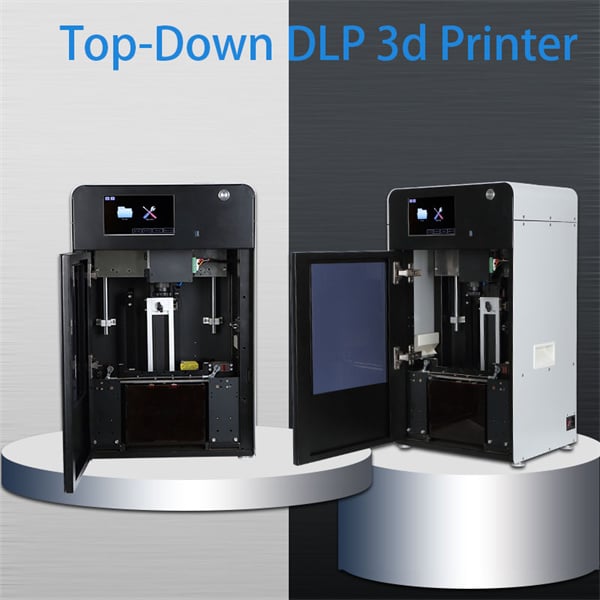
Top Down DLP technology for high-solid-content materials is revolutionizing the 3D printing landscape, particularly in industries such as dental, jewelry, and precise molding applications. This advanced technology allows for greater efficiency and precision, addressing common buyer concerns related to material quality, production speed, and overall cost-effectiveness. We will explore the intricacies of Top Down DLP technology, guide you on selecting the right DLP printer for your manufacturing needs, and discuss its various applications, along with comparisons to other 3D printing technologies.
Understanding Top Down DLP Technology for High-Solid-Content Materials
Top Down DLP (Digital Light Processing) technology operates by projecting light onto a vat of photo polymer resin from above, allowing for efficient layering and curing of high-solid-content materials. This method contrasts with bottom-up DLP, where the build platform rises from the resin vat, often resulting in longer production times and potential quality issues.
One of the key advantages of Top Down DLP Printer is its ability to handle high-viscosity materials, which can be critical in applications requiring detailed precision. The process allows for faster print speeds and reduced material waste, providing manufacturers with a more cost-effective solution. Buyers should consider factors such as build volume, layer resolution, and the types of materials compatible with the printer when evaluating Top Down DLP options.
How to Choose the Right DLP Printer for Your Manufacturing Needs
Selecting the right DLP printer involves several key considerations. Begin by assessing your specific application requirements, including the type of materials you plan to use and the desired production speed. Here are some factors to evaluate:
Build Volume: Ensure the printer can accommodate your largest parts while maintaining the desired resolution.
Layer Resolution: Higher resolutions yield finer details, especially important in industries like dental and jewelry manufacturing.
Material Compatibility: Verify that the printer supports the specific high-solid-content materials required for your applications.
Customization Options: Look for printers that offer customization in terms of software and functionality to streamline your production process.
Technical Support: Consider manufacturers that provide lifetime technical support and printing technology guidance, as this can minimize downtime and enhance productivity.
By carefully evaluating these criteria, you can select a DLP printer that aligns with your manufacturing goals and ensures optimal performance.
Applications of Top Down DLP Technology in Various Industries
Top Down DLP technology is versatile, with applications spanning multiple industries. Here are some notable uses:
Dental Industry: Producing dental models and surgical guides with high precision, reducing the time from design to production and improving patient outcomes.
Jewelry Manufacturing: Enabling the creation of intricate designs and prototypes, allowing jewelers to visualize their products before committing to final production.
Prototyping and Molding: Efficiently creating molds for various manufacturing processes, including injection molding, where precision is critical for product quality.
Each application benefits from the speed and accuracy of Top Down DLP 3D Printer, making it an attractive option for manufacturers looking to enhance their production capabilities.
DLP vs. Other 3D Printing Technologies
When evaluating DLP technology, it's essential to compare it with other 3D printing methods such as FDM (Fused Deposition Modeling) and SLA (Stereolithography). Each technology has its strengths and weaknesses:
DLP: Offers high speed and precision, particularly suitable for high-solid-content materials, making it ideal for detailed applications.
FDM: Generally more cost-effective for larger parts but may lack the detail required for intricate designs. It uses thermoplastic filaments, which can be less suitable for certain applications.
SLA: Similar to DLP in terms of material use and detail, but typically slower than DLP and may involve more post-processing steps.
For manufacturers focused on high precision and quick turnaround times, Top Down DLP stands out as a leading choice, particularly when working with complex geometries or high-solid-content materials.
Material Advantages of High-Solid-Content DLP Technology for Buyers
High-solid-content DLP technology offers several material advantages that can significantly impact production quality and efficiency:
Enhanced Detail and Surface Finish: The ability to print with high-solid-content materials allows for smooth finishes and intricate details, which is crucial for applications in dental and jewelry sectors.
Reduced Material Waste: The efficient layering process minimizes excess material usage, contributing to lower costs and more sustainable manufacturing practices.
Faster Production Times: By curing larger layers at once, Top Down DLP printing technology decreases overall print times, enabling quicker project turnaround.
When selecting materials, buyers should consider the specific performance characteristics required for their applications, such as mechanical strength, flexibility, and curing time. Collaborating with manufacturers who offer customized material solutions can further enhance product performance and application suitability.
By understanding the nuances of Top Down DLP technology for high-solid-content materials, buyers can make informed decisions that align with their production needs, ultimately leading to enhanced efficiency and product quality in their manufacturing processes.
Table of Contents
- Understanding Top Down DLP Technology for High-Solid-Content Materials
- How to Choose the Right DLP Printer for Your Manufacturing Needs
- Applications of Top Down DLP Technology in Various Industries
- DLP vs. Other 3D Printing Technologies
- Material Advantages of High-Solid-Content DLP Technology for Buyers