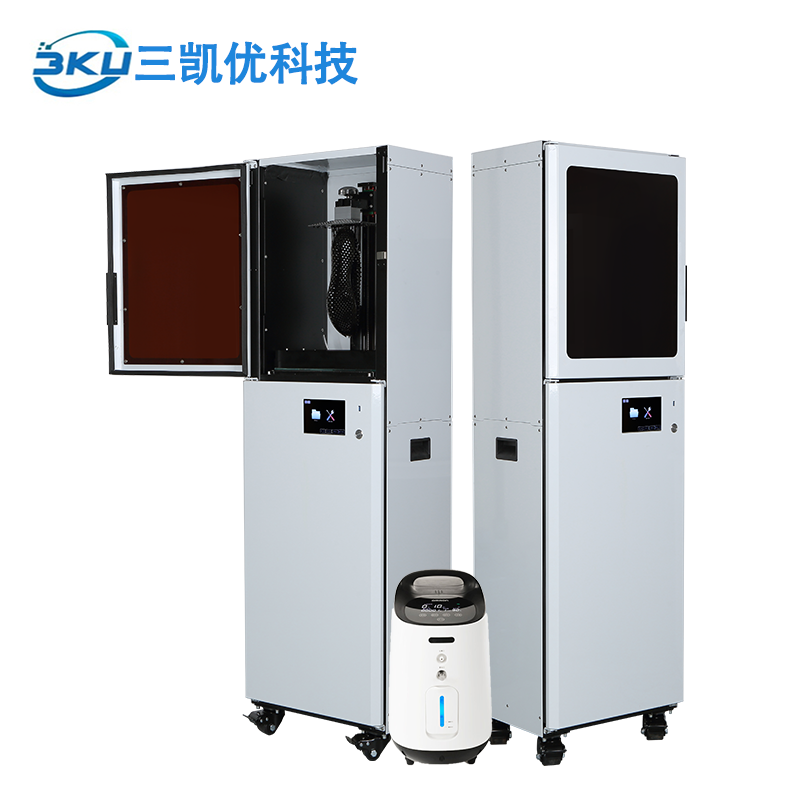
3D printed running shoes represent a significant advancement in footwear technology, offering customization, enhanced performance, and unique designs. For B2B buyers such as manufacturers, distributors, and retailers understanding the nuances of 3D printed shoes is crucial. Key considerations include material selection, production capabilities, and quality control processes. This article will guide you through essential aspects of 3D printed running shoes, helping you make informed purchasing decisions.
When selecting resin 3D printer for shoes for wholesale orders, it’s vital to evaluate both the product specifications and the manufacturer’s capabilities. Look for shoes that utilize advanced printing technologies like FDM, DLP, or SLA, which can enhance comfort, durability, and performance.
Consider the intended market and target customers. For example, shoes designed for competitive runners may require lightweight materials and specific ergonomic features, while casual running shoes might prioritize style and comfort. Also, clarify your order volume and frequency, as this will influence pricing and lead times. Most manufacturers have a minimum order quantity (MOQ) that may affect your initial investment.
Finally, ensure that the supplier offers customization options to meet your branding requirements. This may include color selections, logos, and even design modifications tailored to your audience.
Evaluating manufacturers is critical to your purchasing process. Start by examining their experience in 3D printing technologies and their history of producing running shoes. Established manufacturers like Shenzhen 3KU Technology and Science Co., LTD bring a wealth of experience and offer comprehensive customization services, which can be a significant advantage.
Key factors to assess include:
Production Capabilities: Understand the printing technologies used (FDM, DLP, SLA) and their suitability for your specific shoe requirements.
Quality Control Processes: Inquire about how the manufacturer maintains consistent quality, including any certifications or standards they adhere to.
Customization Options: Ensure the manufacturer can accommodate your design preferences, from material selection to aesthetics.
Technical Support and After-Sales Service: Reliable manufacturers should provide ongoing technical support and guidance on printing technologies, which can be crucial for troubleshooting and optimizing production.
Before placing an order, it's crucial to understand the specific technical parameters of DLP 3D printer for shoes. Key specifications to consider include:
Material Composition: Common materials include thermoplastics like TPU for flexibility and durability. Understand how different materials affect the shoe's performance and comfort.
Weight: A lightweight shoe can enhance the runner's performance. Evaluate the weight of the shoe based on the intended use.
Fit and Sizing: Ensure that the manufacturer can provide accurate sizing options. Customized fit can be achieved through advanced printing techniques.
Sole Structure and Cushioning: The sole design impacts traction and comfort. Look for features like cushioning that can absorb shock, which is essential for long-distance running.
Breathability: Materials should allow for air circulation to keep the foot cool and dry, which is particularly important during extended wear.
Understanding these specifications will enable you to choose a product that meets both your expectations and the needs of your customers.
B2B buyers should be aware of potential issues that can arise with 3D printed running shoes. Common problems include:
Material Limitations: Some materials may not provide the required durability or comfort. It’s crucial to test samples under actual conditions before mass production.
Inconsistencies in Sizing: Variability in fit can occur if the printing process is not rigorously controlled. Always request a sample for size verification.
Surface Finish: The aesthetic finish of 3D printed parts can vary. Ensure the manufacturer can achieve the desired surface quality and appearance.
To mitigate these issues, consider conducting thorough quality checks during sample testing. Establish a clear communication channel with your manufacturer to address any concerns before proceeding to mass production. This proactive approach can save time and costs associated with returns or redesigns.
Our printers, founded on an original layout, design and structure, but more importantly our outstanding team of researchers use in a 3d printing and jewelry of sectors like Dental castings and crowns Jewelry casts, Garage Kits, Precise Moldings, etc. You can request free samples. We can print STL files on our printers and show you how they function as well as the results before purchasing.
The founder of our company has been working on 3D printers since 2012, starting with FDM, DLP, SLA. He is convinced that "3d technology will lead another industrial revolution". We strive to provide more Dlp printer and technical support to 3d printer enthusiasts who believe in us strongly! We have the best priced tower packaging. We provide considerate support and quickly respond to market needs.
Our 3d printing and jewelry have been utilized in a variety of industries, including Jewelry, Temples Dentals, Ceramics and more. Our custom services are ideal. The customized services include the appearance design, customized logo, software design, more functionality and the personalized packaging. We provide our customers with 3D printers at the most affordable prices, and with the highest quality, utility and efficiency.
3d pottery printer is established in the year 2014. Within just a few years of developing and marketing, our brand 3KU is known well by 3d printer lovers and users. We offer a wide range of technical support that includes printing technology, post-processing, casting techniques, and a lifetime warranties. We provide highly skilled support and technology. We we can resolve printing and casting issues in various areas.
Copyright © Shenzhen 3KU Technology and Science Co., LTD. All Rights Reserved Privacy Policy Blog
 EN
 AR
 BG
 HR
 CS
 DA
 NL
 FI
 FR
 DE
 EL
 HI
 IT
 JA
 KO
 NO
 PL
 PT
 RO
 RU
 ES
 SV
 TL
 IW
 ID
 SR
 SK
 SL
 VI
 ET
 HU
 TH
 TR
 FA
 MS
 GA
 CY
 BE
 IS
 MY