
 EN
EN
 AR
AR
 BG
BG
 HR
HR
 CS
CS
 DA
DA
 NL
NL
 FI
FI
 FR
FR
 DE
DE
 EL
EL
 HI
HI
 IT
IT
 JA
JA
 KO
KO
 NO
NO
 PL
PL
 PT
PT
 RO
RO
 RU
RU
 ES
ES
 SV
SV
 TL
TL
 IW
IW
 ID
ID
 SR
SR
 SK
SK
 SL
SL
 VI
VI
 ET
ET
 HU
HU
 TH
TH
 TR
TR
 FA
FA
 MS
MS
 GA
GA
 CY
CY
 BE
BE
 IS
IS
 MY
MY

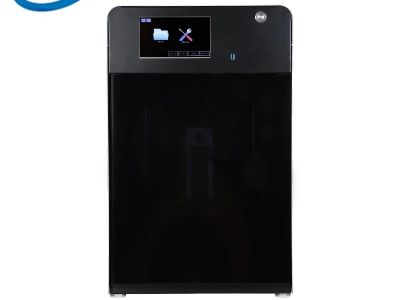
Ceramic 3D printing has emerged as a transformative technology in industrial production, allowing for the creation of complex and high-performance components. Understanding what makes a ceramic printer for sale 3D printer suitable for industrial production is crucial for B2B buyers looking to invest in this technology. Key concerns often include production efficiency, material quality and cost-effectiveness. This article will help you navigate those concerns by detailing essential specifications, cost factors, common challenges, applications and quality measures associated with ceramic 3D printers.
Key Specifications to Evaluate
When evaluating ceramic 3D printers, several specifications are critical to ensuring that the machine meets industrial production needs. Here are some key specifications to consider:
Build Volume: The size of the build volume will determine the maximum dimensions of the parts that can be produced. Larger build volumes offer more flexibility in design, allowing for the production of multiple parts in a single run, which can enhance efficiency.
Printing Resolution: This refers to the level of detail the printer can achieve. A higher resolution is essential for applications requiring intricate designs, such as in dental or jewelry applications. It impacts the surface finish and the overall quality of the printed part.
Layer Thickness: The thickness of each printed layer affects production speed and final part quality. Thinner layers generally result in finer details but may slow down the printing process. Buyers should balance the need for detail with production efficiency.
Material Compatibility: Different ceramic materials have varying properties, such as strength, thermal resistance, and chemical stability. Understanding which materials the printer can handle is crucial especially for specific applications like medical or automotive components.
Technology Type: Different printing technologies (e. g., FDM, DLP, SLA) have distinct advantages and considerations. For example, SLA printers tend to offer higher precision for detailed parts, while FDM printers may be more suitable for faster production of larger components.
Understanding the Cost Factors of Ceramic 3D Printers for Bulk Orders
Cost is a significant factor when considering ceramic 3D printers for bulk orders. Here are the primary considerations that influence pricing:
Initial Investment: The upfront cost of the printer itself varies widely based on specifications and brand reputation. More advanced printers with higher capabilities generally require a higher initial investment.
Material Costs: The choice of ceramic material can significantly affect the overall cost. High-performance materials may yield better results but can also be more expensive. It's essential to consider the performance requirements against material costs.
Maintenance and Operating Costs: Regular maintenance is necessary to ensure the longevity and reliability of the printer. Buyers should factor in ongoing costs for parts, servicing, and potential downtime during maintenance.
Customization: Customization options can add to the initial cost but may lead to long-term savings through improved efficiency or reduced waste. Understanding the specific needs of the production process can help justify the expense.
Volume Discounts: Many suppliers offer discounts for bulk orders, which can help mitigate costs. Buyers should inquire about pricing structures for larger quantities to maximize their budget.
Common Problems with Ceramic 3D Printers and Effective Solutions
While ceramic 3D printing offers numerous advantages, it is not without challenges. Here are some common problems and effective strategies for addressing them:
Print Failures: Issues such as warping, cracking, or layer adhesion failures can occur, particularly with larger parts. To mitigate this, using a heated build chamber and ensuring proper material settings can help maintain optimal conditions during printing.
Material Properties: Variability in material quality can affect final part performance. It is advisable to source materials from reputable suppliers and conduct initial testing to validate their performance before committing to large-scale production.
Post-Processing Needs: ceramic filament 1.75 parts often require post-processing, such as sintering or glazing, which can add to production time and costs. Buyers should plan for these additional steps and factor them into the overall production timeline.
Complex Geometry Limitations: Some printers may struggle with complex geometries. Understanding the printer's capabilities and limitations is essential for design optimization. Collaborating with suppliers for design guidance can lead to better outcomes.
Applications of Ceramic 3D Printing in Modern Manufacturing
Ceramic 3D printing is making strides across various industries, with applications that highlight its versatility:
Dental Industry: Ceramic 3D printing is widely used for producing dental crowns, bridges, and custom implants. The precision and aesthetic qualities of printed ceramics meet the stringent requirements of dental applications.
Jewelry Production: The ability to create intricate designs allows jewelers to produce detailed pieces that would be difficult to achieve through traditional methods. This technology enables rapid prototyping and customization for clients.
Aerospace Components: High-performance ceramics are essential in aerospace for their lightweight and heat-resistant properties. Parts such as turbine blades can be effectively produced using ceramic extruder 3d printer 3D printing enhancing both performance and efficiency.
Medical Devices: Ceramic 3D printing is increasingly used in manufacturing medical devices, where biocompatibility and precision are critical. Custom prosthetics and implants benefit from the tailored designs achievable through this technology.
Evaluating the Quality of Ceramic Materials in 3D Printing
The quality of ceramic materials plays a crucial role in the performance of printed parts. Here are key factors to evaluate when selecting materials:
Material Composition: Understanding the composition of the ceramic material is essential. Different mixtures can yield diverse properties such as strength, translucency, and thermal stability, which are vital for specific applications.
Testing for Consistency: Before committing to a material for production, conducting tests for consistency in properties like density and mechanical strength is critical. Variability can lead to inconsistent part quality.
Supplier Reputation: Working with reputable suppliers who demonstrate a commitment to quality control can significantly mitigate risks. Ensure they provide documentation and certifications that validate the quality of their materials.
Performance Testing: Conducting performance tests on printed samples under actual operating conditions can provide insights into how the material will perform in its intended application. This step is crucial before scaling up production.
By understanding these aspects, B2B buyers can make informed decisions that align with their production needs and ensure the reliability of the ceramic 3D printing process.