
 EN
EN
 AR
AR
 BG
BG
 HR
HR
 CS
CS
 DA
DA
 NL
NL
 FI
FI
 FR
FR
 DE
DE
 EL
EL
 HI
HI
 IT
IT
 JA
JA
 KO
KO
 NO
NO
 PL
PL
 PT
PT
 RO
RO
 RU
RU
 ES
ES
 SV
SV
 TL
TL
 IW
IW
 ID
ID
 SR
SR
 SK
SK
 SL
SL
 VI
VI
 ET
ET
 HU
HU
 TH
TH
 TR
TR
 FA
FA
 MS
MS
 GA
GA
 CY
CY
 BE
BE
 IS
IS
 MY
MY

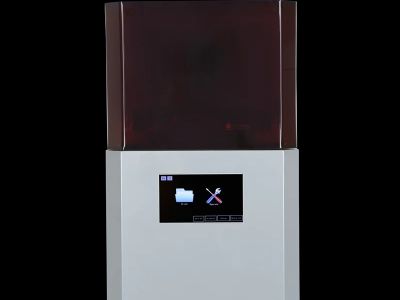
DLP 3D printers are revolutionizing the manufacturing of fine ceramic components, offering precision and efficiency that traditional methods struggle to match. Buyers in industrial sectors, such as dental, jewelry, and mold making, often face challenges in selecting the right technology that meets their specific needs. This article delves into how DLP 3D printers process fine ceramic components, addressing buyer concerns around selection, sourcing, and technical specifications, while providing practical insights to inform purchasing decisions.
Choosing the Right DLP 3D Printer for Fine Ceramic Applications
When selecting a DLP 3D printer for fine ceramic applications, several key factors must be considered. First, the printer's resolution is crucial; a high resolution ensures detailed and accurate prints, which is especially important in sectors like dentistry and jewelry, where precision is paramount. Buyers should look for printers with pixel sizes small enough to capture intricate designs. Another consideration is the printer's compatibility with various ceramic materials. Not all DLP printers can handle the same types of ceramic resins, so it’s essential to verify that the equipment can efficiently process the specific materials intended for use. For example, some printers may be optimized for standard ceramics, while others may excel with advanced formulations that offer improved thermal or mechanical properties. Buyers should also consider the 3d printer for clay build volume and speed. A larger build volume allows for more significant production runs or the ability to print multiple components simultaneously, increasing efficiency. Additionally, faster print speeds can significantly impact production timelines, making it essential to balance speed with the quality of the final product.
Sourcing DLP 3D Printers for Wholesale Orders
When sourcing DLP 3D printers for wholesale orders, buyers should prioritize manufacturers with a reputation for reliability and quality. Researching a manufacturer’s background, such as their experience in producing 3D printers specifically for ceramic applications, can provide insights into their expertise.
Inquire about customization options available for bulk orders, as many manufacturers offer tailored solutions that match specific operational needs. This could include adjustments to software, hardware configurations, or even aesthetic modifications to fit branding requirements. Additionally, understanding the pricing structure is vital. Factors such as minimum order quantity (MOQ), payment terms, and lead times can significantly affect the overall cost and timeline of your procurement process. It's advisable to request detailed quotations that outline all potential costs, including shipping and handling, to avoid any surprises later on.
Technical Specifications of DLP 3D Printers for Ceramic Manufacturing
DLP 3D printers designed for ceramic manufacturing come with several technical specifications that define their capabilities. The light source type, typically UV LED or projector-based, impacts the curing process of the ceramic material. A UV LED light source generally offers better efficiency and longevity, which can be a cost-saving factor in the long run. Another critical specification is the layer thickness, which influences surface finish and print time. Thinner layers result in better detail but can increase production time, while thicker layers may reduce detail but speed up the printing process. Buyers should consider the balance between desired detail and production efficiency. The software used for slicing and controlling the dlp 3d printer is also crucial. Advanced software can optimize printing parameters based on the material being used and the desired output, ensuring consistent quality. Features such as error detection and real-time monitoring can greatly enhance the reliability of the printing process.
Common Problems in DLP Printing of Fine Ceramics and Solutions
DLP printing of fine ceramics can present several challenges that buyers should be aware of. One common issue is the adhesion of the printed components to the build platform. Inadequate adhesion can cause warping or detachment during the printing process. To mitigate this, it may be beneficial to use specialized build surfaces or to adjust the printer’s settings to improve adhesion. Another problem is the occurrence of layer separation or defects in the printed components. This can be caused by improper curing times or insufficient exposure to the light source. Buyers should ensure that they are using the correct exposure settings for the specific ceramic material being utilized. Conducting test prints and calibrating settings before full-scale production can prevent these issues. Additionally, post-processing of ceramic prints is vital. Many ceramics require additional steps, such as sintering or glazing, to achieve the desired mechanical properties and finish. Buyers should be prepared to implement these processes and consider how their chosen printer’s design may impact post-processing efficiency.
Installation Guidance for DLP 3D Printers in Ceramic Production
Proper installation of DLP 3D printers is critical for ensuring optimal performance in ceramic production. First, it's essential to select an appropriate location that offers a stable environment, free from vibrations and temperature fluctuations, as these can affect print quality. Buyers should also follow manufacturer guidelines regarding electrical requirements and connectivity options. Ensuring that the printer is correctly connected to power and network systems can prevent operational disruptions. Calibrating the printer after installation is equally critical. This includes ensuring that the build platform is level and that the light source is correctly aligned. Regular maintenance checks should be scheduled to keep the printer in optimal working condition, which can help avoid costly downtime and production delays. By understanding these aspects of DLP ceramic 3d printer and their applications in fine ceramic manufacturing, buyers can make informed decisions that enhance their production capabilities and meet their operational needs.
Table of Contents
- Choosing the Right DLP 3D Printer for Fine Ceramic Applications
- Sourcing DLP 3D Printers for Wholesale Orders
- Technical Specifications of DLP 3D Printers for Ceramic Manufacturing
- Common Problems in DLP Printing of Fine Ceramics and Solutions
- Installation Guidance for DLP 3D Printers in Ceramic Production