
 EN
EN
 AR
AR
 BG
BG
 HR
HR
 CS
CS
 DA
DA
 NL
NL
 FI
FI
 FR
FR
 DE
DE
 EL
EL
 HI
HI
 IT
IT
 JA
JA
 KO
KO
 NO
NO
 PL
PL
 PT
PT
 RO
RO
 RU
RU
 ES
ES
 SV
SV
 TL
TL
 IW
IW
 ID
ID
 SR
SR
 SK
SK
 SL
SL
 VI
VI
 ET
ET
 HU
HU
 TH
TH
 TR
TR
 FA
FA
 MS
MS
 GA
GA
 CY
CY
 BE
BE
 IS
IS
 MY
MY

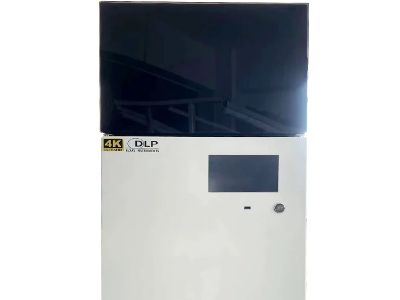
Ceramic 3D printing has revolutionized the manufacturing process for high-solid-content ceramic slurries, allowing companies to create complex and precise parts with ease. Understanding how ceramic 3D printers handle high-solid-content ceramic slurry is essential for B2B buyers, including manufacturers, engineers, and purchasing managers. This article will delve into the optimization techniques, key specifications, cost factors, common issues, and installation guidance related to high-solid-content ceramic 3d filament printing systems. By addressing these aspects, buyers can make informed decisions that align with their production needs and quality standards.
How Ceramic 3D Printers Optimize High-Solid-Content Slurry Handling?
Ceramic 3D printers are engineered to effectively handle high-solid-content slurries, which typically require more advanced printing technologies due to their viscosity and particle composition. These printers utilize precise extrusion mechanisms that ensure consistent material flow, reducing the chances of clogging and enabling smooth layer deposition.
For instance, printers designed by Shenzhen 3KU Technology and Science Co., LTD incorporate specialized nozzles and heating elements that optimize the slurry's flow properties. This enables the printer to maintain the necessary temperature and viscosity, allowing for the successful layering of materials without compromising the integrity of the final product.
Moreover, effective slurry handling includes proper mixing and storage solutions. High-solid-content slurries necessitate thorough mixing to achieve uniform consistency, and the use of appropriate storage containers is critical to prevent sedimentation and ensure that the material retains its ideal properties for printing.
Key Specifications for High-Performance Ceramic 3D Printers
When evaluating ceramic 3D printers for high-solid-content slurry applications, several key specifications should be considered:
Nozzle Diameter: A larger nozzle diameter can accommodate higher viscosity slurries, but may reduce detail resolution. Conversely, smaller nozzles enhance detail but may struggle with viscous materials. Buyers should assess their required balance between detail and flow.
Temperature Control: The ability to maintain consistent temperatures throughout the printing process is critical. Fluctuations can lead to improper curing or adherence, affecting the print quality.
Layer Resolution: This specification indicates the minimum layer height achievable by the printer. High-resolution printers can create intricate designs with better surface finishes, which is often vital in applications like dental and jewelry manufacturing.
Build Volume: The printer's build volume defines the maximum size of the parts that can be produced. Buyers should ensure the build volume meets their production needs, especially when dealing with larger components.
Software Compatibility: Advanced printers should come with software that allows for customization of print parameters. This software should be user-friendly and capable of supporting complex designs typical in ceramic 3d printer filament applications.
Understanding these specifications helps buyers select the right printer that aligns with their production criteria and quality requirements.
Understanding the Cost Factors of High-Solid-Content Ceramics
Several factors influence the cost of ceramic 3D printing, particularly when dealing with high-solid-content materials. Key considerations include:
Material Costs: High-solid-content slurries often require specific formulations that can be more costly than standard materials. Buyers should evaluate the long-term cost of materials against their performance benefits.
Printer Specifications: The investment in advanced printers with specialized features will generally lead to higher upfront costs. However, these features can enhance efficiency and reduce waste, potentially offsetting initial expenses.
Operational Costs: This includes energy consumption, maintenance, and the cost of skilled operators. Efficient printers can reduce operational costs by minimizing downtime and material waste.
Customization Needs: If a buyer requires custom solutions or adaptations to existing printers, these additional services can increase costs. Clear specifications and expectations can help manage these expenses.
Volume Production: Higher production volumes can lead to economies of scale, reducing the per-unit cost of printed parts. Buyers should consider their production runs when evaluating overall costs.
By understanding these cost factors, buyers can better assess the total cost of ownership and make informed purchasing decisions.
Common Problems in 3D Printing High-Solid-Content Slurries
While ceramic 3D printing offers numerous advantages, there are common challenges that buyers should be aware of:
Clogging: High-solid-content slurries are prone to clogging in the nozzle, which can halt the printing process. Regular maintenance and the use of appropriate nozzle sizes can mitigate this issue.
Inconsistent Layer Adhesion: Variability in temperature or slurry consistency may lead to poor layer adhesion, resulting in weak points in the final product. Consistent monitoring of temperature and slurry quality is crucial.
Surface Finish Quality: Achieving a smooth surface finish can be challenging with high-solid-content materials. Post-processing techniques like sanding or polishing may be required, adding to the production timeline.
Brittleness: Some high-solid-content ceramics can be brittle, which may affect the durability of the final product. Understanding the material properties and selecting suitable designs can help in minimizing this concern.
Dimensional Accuracy: Variations in printing conditions can lead to dimensional inaccuracies. Rigorous quality control and sampling practices should be implemented to ensure that parts meet specifications.
By being aware of these issues, buyers can take proactive measures to minimize risks associated with high-solid-content ceramic printing.
Installation Guidance for High-Solid-Content Ceramic Printing Systems
Proper installation of ceramic 3D printing systems is crucial for optimal performance. Here are some key considerations:
Environmental Conditions: Ensure that the installation area is climate-controlled to maintain stable temperature and humidity levels, as fluctuations can affect the slurry properties and printing outcomes.
Printer Calibration: Initial calibration of the printer is essential. This includes adjusting the nozzle height, flow rates, and temperature settings based on the specific slurry being used.
Material Preparation: Before installation, the high-solid-content slurry should be properly mixed and stored according to the manufacturer’s specifications. This preparation ensures the material is ready for optimal printing conditions.
Safety Protocols: Implement safety measures during installation and operation, especially when handling materials and operating machinery. Proper training and safety gear should be provided to personnel.
Technical Support: Engaging with experienced technicians during the installation process can help identify potential challenges and ensure that the printer is set up for success from the start.
By following these guidelines, buyers can facilitate a smoother installation process and set the stage for effective ceramic printing operations. This article provides a comprehensive overview of how ceramic 3d printer printers manage high-solid-content ceramic slurry, equipping buyers with the necessary insights to navigate their purchasing decisions effectively. By understanding the optimization techniques, key specifications, cost factors, common problems, and installation guidance, B2B buyers can enhance their operational capabilities and product quality in ceramic manufacturing.
Table of Contents
- How Ceramic 3D Printers Optimize High-Solid-Content Slurry Handling?
- Key Specifications for High-Performance Ceramic 3D Printers
- Understanding the Cost Factors of High-Solid-Content Ceramics
- Common Problems in 3D Printing High-Solid-Content Slurries
- Installation Guidance for High-Solid-Content Ceramic Printing Systems