
 EN
EN
 AR
AR
 BG
BG
 HR
HR
 CS
CS
 DA
DA
 NL
NL
 FI
FI
 FR
FR
 DE
DE
 EL
EL
 HI
HI
 IT
IT
 JA
JA
 KO
KO
 NO
NO
 PL
PL
 PT
PT
 RO
RO
 RU
RU
 ES
ES
 SV
SV
 TL
TL
 IW
IW
 ID
ID
 SR
SR
 SK
SK
 SL
SL
 VI
VI
 ET
ET
 HU
HU
 TH
TH
 TR
TR
 FA
FA
 MS
MS
 GA
GA
 CY
CY
 BE
BE
 IS
IS
 MY
MY

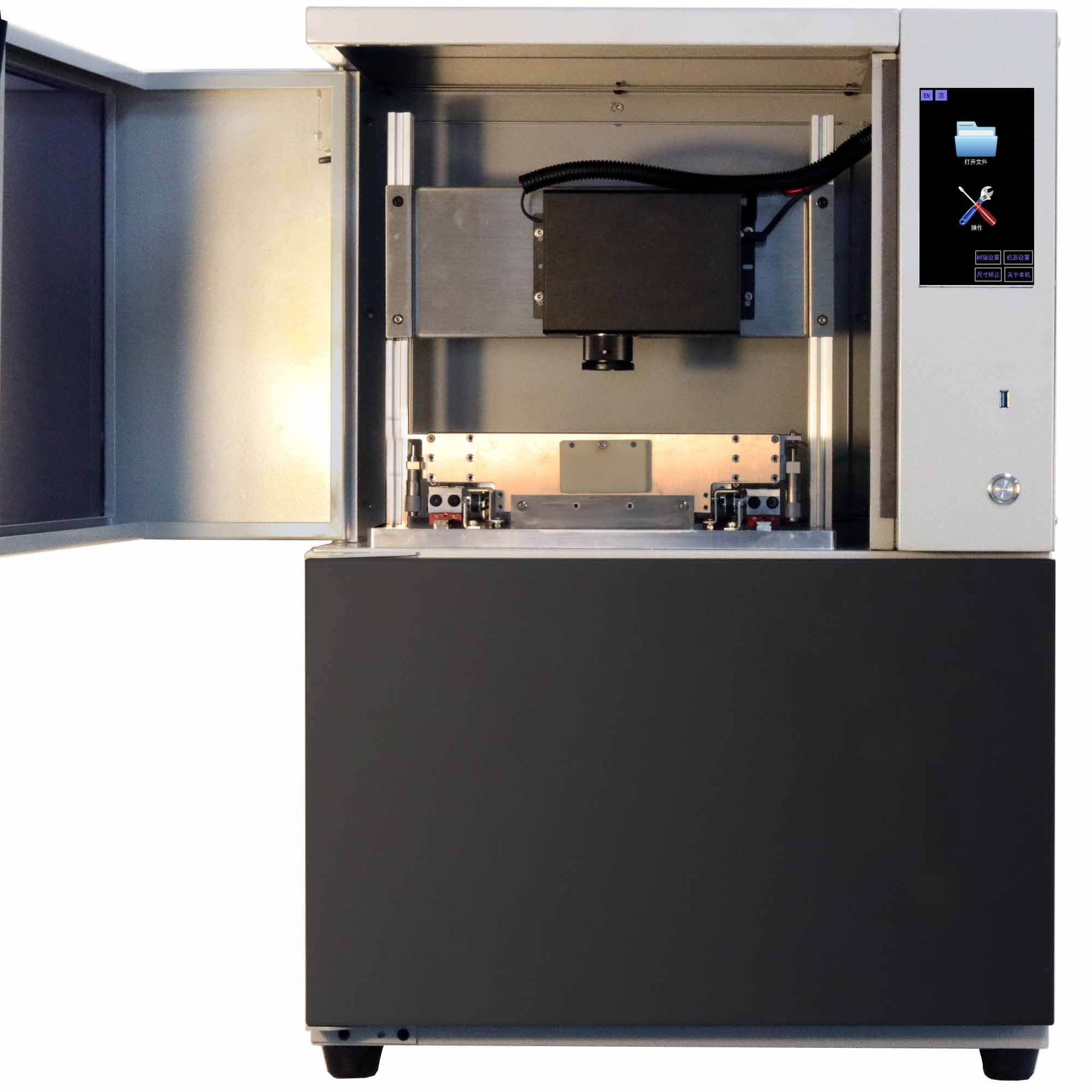
בחירת המדפסת התלת-ממד הקרמית התעשייתית הטובה ביותר יכולה להיות אתגר גדול. השקעה גדולה כזו דורשת חשיבה רבה. אתם צריכים מכונה שפועלת בצורה חלקה, חוסכת זמן ומייצרת חלקים קרמיים באיכות גבוהה. אבל איך יודעים איזו מדפסת מתאימה לכם? עם כל הפרטים הטכניים, קל להסתבך. לכן, רשימת בדיקה ברורה של נושאים לבדיקה היא מועילה. תמצאו מדפסות איכותיות, בין אם מחפשים כזו לשימוש רגיל או למחזור עבודה כבד, אך עדיין עליכם לדעת מה חשוב לעבודה שלכם. כולל מהירות העבודה והאיכות המראה של המוצר הסופי. לפעמים שווה לא לבחור את האפשרות הזולה ביותר. או שהמכונה אולי טובה בתיאוריה, אך לא כשמשתמשים בה במשימות גדולות. אז בואו נעמיק במה שאתם צריכים לחפש ולבחור מדפסת שתאפשר לעסק שלכם לצמוח באופן יעיל.
הדפסה תלת-ממדית קרמית באיכות גבוהה
כשמדפיסים כל כך הרבה מוצרים מקרמיקה, 'בסדר' לא מספיק. זה חייב להיות עקבי וחזק בכל פעם. חלק גדול ממש בכך הוא שהמדפסת תעבד את החומרים בצורה טובה. אם היא לא עורבת לגמרי את אבקת הקרמיקה עם הקושר, או עושה זאת באופן לא אחיד, ייתכן שחלקים ייצאו חלשים וסדוקים. תשומת הלב לטיפול בחומרים במכונות של שנזן 3KU גם עוזרת למנוע בעיות אלו. דבר נוסף הוא בקרת טמפרטורה. קרמיקה חייבת להיחם בדיוק כנדרש בזמן ההדפסה והאפייה. חם מדי או קורר מדי עלול לשנות את הצורה או לגרום לקרמיקה להפוך לקשה ושברירית. לא כל המדפסות עושות עבודה טובה בכיוון הזה, מה שפירושו סילוק חלקים ובזבוז כסף. וגם המהירות היא נושא, אם כי לא אם צריך להקריב עליה איכות. היישום להדפסה בתפוקה גבוהה דורש מדפסות שיכולות לפעול במהירות ולשמור על הפרטים. שנזן 3KU סירמיקה מכונות מאוזנות באופן מושלם במונחי מהירות ודقة, ומאפשרות לך להנות משני העולמות ללא פשרות. ותפעול שמרוכז על תחזוקה – לעתים קרובות מתעלמים ממנו, אך הוא חשוב ביותר. זמן עמידה ארוך של מכונות замיעט את הייצור ומעלה את העלות. מדפסת תעשייתית צריכה להיות קלה לניקוי ולתיקון. כדאי לבדוק כמה פעמים נדרשת שרות למדפסת וכמה קל להחליף חלקים. לבסוף, גם התוכנה הניהולית של ההדפסה היא קריטית באותה מידה. צריכים להיות אפשרויות להתאים את הגדרות עבור סוגי חרסינה שונים, עיצובי חלקים. ככל שהתוכנה תהיה קלה יותר לשימוש וגמישה יותר, כך יהיו התוצאות טובות יותר. לכן, אל תחליטו רק לפי המדפסת לבדה. שיקלו גם על טיפול בחומרים, בקרת טמפרטורה, מהירות, תחזוקה ותוכנה. התנאים המשולבים הללו הם שגורמים להדפסה תלת-ממדית של חרסינה בעלת ביצועים גבוהים לאפשרות ייצור בהיקף גדול.
אילו הן התכונות המרכזיות של המדפסות התעשייתיות הטובות ביותר להדפסה תלת-ממדית של חרסינה?
מספר מאפיינים מבדילים מדפסת קרמיקה תלת־ממד אחת מהאחרת. אחד המאפיינים הללו הוא רזולוציית ההדפסה – כלומר, עד כמה קטנה יכולה להיות הדפסת הפרטים של חלקים קרמיים. למדפסות של שנזן 3KU יש רזולוציה גבוהה, עם משטחים חלקים יותר וחלקים בעלי צורה מדויקת יותר. זה קריטי כאשר החלקים חייבים להתאים במדויק או לכלול עיצוב מורכב. היבט חשוב נוסף הוא שטח ההדפסה – כלומר, הגודל המקסימלי של האובייקט שניתן לייצר באמצעות מדפסת זו. ואם בעסק שלכם יש צורך להדפיס חלקים גדולים או מספר רב של חלקים קטנים בו זמנית, מדפסת עם נפח בנייה גדול תחסוך זמן ועבודה. כמו כן, יש לבדוק את אפשרויות הקצב של המדפסת: חלק מהמדפסות מאפשרות לבחור בין הדפסה מהירה יותר לבין הדפסה עם פירוט מעמיק יותר. באפשרותכם להשתמש באופציה הזו בהתאם לצורך הספציפי של כל משימה. גם עמידות המדפסת עצמה היא קריטית. סביבת ייצור תעשייתית עלולה להיות קשוחה – אבק, חום או שימוש מרובה – ולכן מכונה טובה חייבת לפעול ללא הפסקה וללא צורך בתיקונים מתמידים. מדפסות שנזן 3KU מיוצרות לעמידות תעשייתית המבטיחה אורכיות חיים ארוכה. גורם משמעותי נוסף הוא סוג החומרים הקרמיים שניתן להשתמש בהם במדפסת לייצור מוצרים. חלק מהמדפסות תואמות רק סוגי אבקות או דבקים מסוימים, מה שמגביל את מגוון המוצרים שניתן לייצר. מדפסות איכותיות מקבלות מגוון רחב של חומרים, מה שנותן גמישות רבה יותר בייצור. כמו כן, יש לקחת בחשבון כיצד המדפסת תתאים למערכות הקיימות שלכם: האם נתמך העברת קבצים פשוטה? האם היא תתאים לתוכנות העיצוב שמשתמשים בהן? מדפסת מתאימה יכולה לשפר משמעותית את דרך העבודה שלכם. ולבסוף – לא לקצר במאפייני הבטיחות. מדפסות קרמיקה תלת־ממד תעשייתיות משתמשות באבקות וכימיקלים שעלולים להיות מסוכנים אם אינם מטופלים בזהירות. מכונות עם מערכת סינון, ונטילציה מתאימה ונעילת בטיחות (lockouts) מגינות על העובדים ועל הסביבה. בבחירת מדפסת שכוללת כל אחד מהרכיבים החיוניים הללו, לא רק שתקבלו כלי שיעזור להרחיב את העסק שלכם, אלא גם נכס בעל ערך – בין אם על הרצפה או בפינה. לShenzhen 3KU יש מגוון רחב של אפשרויות כאלה, כך שתוכלו לבחור מדפסת המתאימה לכם לחלוטין ותואמת למה שאתם צריכים כדי לשמור על פעילות הייצור שלכם ללא הפרעות.
תלונות נפוצות בהדפסה תלת-ממדית של חומרים קרמיים תעשייתיים, וכיצד למנוע אותן
עלולים לצוץ מספר בעיות בעת שימוש בהדפסה תלת-ממדית קרמית תעשייתית, מה שעלול לגרום לעיכוב בעבודה או לירידה באיכות המוצרים. הכרת הבעיות הנפוצות ביותר והבנת הדרך להימנע מהן יבטיחו שתקבלו את התוצאות הטובות ביותר. אחת הבעיות הגדולות היא סדקים. חלקים קרמיים עלולים crack או להתנתק אם ייבששו או יתחממו בצורה מהירה מדי. כדי למנוע זאת, יש לנהל בקפידה את הטמפרטורה במהלך ההדפסה והייבוש. גם סוג החומר הקרמי המיועד להדפסה תלת-ממדית חשוב. בעיה נוספת היא סיום משטח לא טוב. לעיתים קרובות, החלקים הקרמיים עלולים להראות מחוספסים או בעלי פסגות. אם להדפס עצמו יש הגדרות שגויות, כמו עובי שכבה או מהירות הדפסה, ניתן לשנות בקלות הגדרות אלו כדי להשיג סיום משטח איכותי עם הדפס תעשייתי מדפסת קרמיקה 3D כמו שנזן 3KU. ולחלק מהמדפסות יש תכונות מיוחדות שעוסקות בבעיות הללו. עיוות הוא בעיה נוספת. עיוות מתרחש כאשר החלק kerami מתפתל או מתעוות במהלך ההדפסה או הייבוש. זה עלול לקרות אם השכבות לא הצמידו כראוי או אם הייבוש אינו אחיד. היצמדות שכבות ותהליך ייבוש על ידי בקרת הקשר בין השכבות וכן ייבוש במהלך ההדפסה, יש לנקוט בזהירות רבה כדי למנוע עיוות. לבסוף, לפעמים המדפסות נסתמות או נתקלות בתקלות עקב חומרי קרמיקה עבים מדי או משחות, או כאלו שנערבו בצורה לקויה. חומר איכותי ושימור ראש הדפסה נקי יכולים למנוע זאת. איכות עוברת בכל רכיבי הבחירה של שנזן 3KU, ולכן בחירת מדפסת תלת-ממד קרמית תעשייתית מחברתנו יכולה לעזור לכם להימנע ממגוון בעיות נפוצות אלו ולאפשר לכם לעבוד בקלות יותר תוך כדי מסירה של מוצר מתקדם.
אילו סוגי חומרים ניתן להשתמש בהם במדפסות תלת-ממד keramika תעשייתיות למכירה בجملة?
אם אתם מתכננים לרכוש מדפסת תלת מימד קרמית תעשייתית לקנייה במכירה עיקרית, חשוב שתהיה לכם רעיון לגבי אילו חומרים יתאימו היטב לעיצוב. מדפסות שונות הן הכי אפקטיביות כשמשתמשים במחלקות שונות של חומרי קרמיקה. למרות שמדפסות תלת מימד קרמיות רבות הן מכונות תעשייתיות ויכולות להדפיס רק קושרים מיוחדים שמעורבים עם אבקת קרמיקה. בדרך כלל, אבקות אלו מכילות חומר כמו אלומינה, זירקוניה או פורצלן. לכל אחד מהחומרים יש שימושים משלו. לדוגמה, אלומינה היא חזקה יותר ועמידה יותר בפני חום, ולכן היא טובה לייצור חלקים שצריכים להתמודד עם טמפרטורות גבוהות. זירקוניה היא קשה ונראית טוב, ולכן נפוצה בייצור אובייקטים דקורטיביים או חלקים רפואיים. פורצלן יכול לתפקד היטב ביצירות אומנותיות או עדינות, כיוון שהוא יכול להיות חלק יפה לאחר הבערה. אנחנו, שנזן 3KU, מפתחים מדפסות תלת מימד קרמיות תעשייתיות המתאימות למגוון רחב של חומרי קרמיקה. זה מאפשר לכם לבחור את החומר الأنسب לצרכים של המוצר שלכם מבלי לדאוג לתקופת התאמה בסיסית. בנוסף לאבקות, יש מדפסות שיכולות גם להדפיס ממשה קרמית. חומרים אלו קשיחים יותר, וניתן להדפיס מהם חלקים בצורות מורכבות יותר. אך לא כל המדפסות יכולות לעבוד עם משות, ולכן מומלץ לבדוק זאת לפני הרכישה. בסופו של דבר, כאשר קונים במכירה עיקרית, wise one עושה טוב לשקול אילו חומרים הלקוחות עשויים צריך ואילו המדפסת מתאימה להם. תצטרכו גם לחשוב על טמפרטורת ההבערה ומקדם הכיווץ של החומרים, כיוון שזה משפיע על הגודל והחוזק הסופי של החלקים. עם מכונת הדפסה תלת מימד קרמית תעשייתית אמינה כמו של שנזן 3KU, תוכלו לקבל אפשרויות גמישות ולעשות את העסק שלכם במכירה עיקרית מצליח בהרבה כדי לעמוד בדרישות שונות.
שיגור המירב מהדפסות תלת-ממד קרמיקה תעשייתית
לה sac שיקוף המירון של מדפסת תלת-ממד קרמית תעשייתית הוא להדפיס יותר חלקים, חלקים טובים יותר ולפעמים גם מהר יותר. בכך ידוע כהשגת יעילות ייצור. ישנן מספר דרכים להשיג זאת, במיוחד כשיש לך גישה ישירה לטכנולוגיית הדפסה איכותית כמו זו של שנזן 3KU. המפתח, ראשית, הוא להיות מדקדק ככל האפשר בעת התכנון – זה חוסך זמן הדפסה וחומר מובזבז בהשוואה לעיצוב פשוט ובריא. למשל, הימנעות מחריגים מיותרים וצורות מורכבות עוזרת להדפיס מהר וקל. על ידי שימוש בתוכנה שמתאימה למדפסת שלך, תוכל באמת להתאים את ההגדרות לכל משימת הדפסה. שנית, הגדרות ההדפסה הנכונות חשובות מאוד. כלומר התאמת דברים כמו גובה השכבה, מהירות הדפסה וטמפרטורה. אם ההגדרות הללו נמוכות או גבוהות מדי, המדפסת עלולה לפעול במהירות איטית או להדפיס חלקים באיכות ירודה. מדפסות שנזן 3KU מפשטות את ההתאמה של הגדרות אלו לכל משימה וקל לשלוט בהן. שלישית, יש לבצע תחזוקה שוטפת של המדפסת כדי לשמור עליה במצב ריצה חלק. ניקוי חלקי השירות של המדפסת, ודא שהפיעורים פועלים כראוי ושכל החומרים מאוחסנים בצורה בטוחה – יכול להוות יתרון גדול במניעת תקלות והשהיות הנובעות מהן. מדפסת ששמורה היטב תפעל מהר יותר ותהיה פחות נוטה לשגיאות. רביעית, אם המדפסת מאפשרת, הדפסה של מספר חלקים בו-זמנית יכולה לחסוך זמן משמעותי. מספר מסחריות 3G הדפס קרמי ישנם גדלים גדולים של בנייה, כך שניתן להדפיס הרבה דברים בו זמנית. ייצור במכירה עירומה במהירות גבוהה מתאים отлично למטרה זו. אך בסופו של דבר, חשוב לוודא שעובדים עברו הדרכה על אופן השימוש הנכון בהמדפסת, כדי למנוע שגיאות ולהאיץ את התהליך. כשכל עובד יודע כיצד להשתמש במכונה בצורה מומחית, הייצור הופך לחלק יותר. על ידי בחירת ההדפסות keramika התעשייניות של שנזן 3KU, תקבלו את המשאבים והתמיכה לקידום הייצור וצמיחה מהירה של העסק, באמצעות קבלת חלקים keramika באיכות גבוהה באופן יעיל.
תוכן העניינים
- הדפסה תלת-ממדית קרמית באיכות גבוהה
- אילו הן התכונות המרכזיות של המדפסות התעשייתיות הטובות ביותר להדפסה תלת-ממדית של חרסינה?
- תלונות נפוצות בהדפסה תלת-ממדית של חומרים קרמיים תעשייתיים, וכיצד למנוע אותן
- אילו סוגי חומרים ניתן להשתמש בהם במדפסות תלת-ממד keramika תעשייתיות למכירה בجملة?
- שיגור המירב מהדפסות תלת-ממד קרמיקה תעשייתית