
 EN
 AR
 BG
 HR
 CS
 DA
 NL
 FI
 FR
 DE
 EL
 HI
 IT
 JA
 KO
 NO
 PL
 PT
 RO
 RU
 ES
 SV
 TL
 IW
 ID
 SR
 SK
 SL
 VI
 ET
 HU
 TH
 TR
 FA
 MS
 GA
 CY
 BE
 IS
 MY

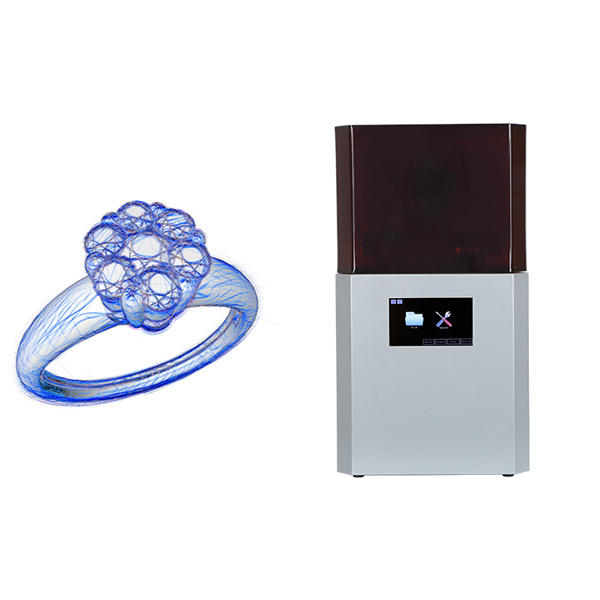
Zirconia has emerged as a leading material for 3D printed dental parts, thanks to its unique properties that contribute to both the durability and aesthetics of dental restorations. Understanding what makes zirconia suitable for this application is key for purchasing managers and engineers looking to optimize their production processes. This article will provide insights into the selection and specifications of zirconia, sourcing considerations, cost factors, and installation guidance, enabling buyers to make informed decisions.
How to Choose the Right Zirconia for Dental Parts Manufacturing
Selecting the appropriate zirconia for dental parts involves evaluating several factors that influence both performance and compatibility. The primary consideration should be the intended application, such as crowns, bridges, or dentures. Each application may require different mechanical properties, translucency levels, and biocompatibility.
Another crucial factor is the zirconia's composition. Zirconia printer materials are often categorized into different types, such as tetragonal and cubic, with varying strength and aesthetic qualities. Tetragonal zirconia is typically favored for its high fracture toughness, making it suitable for load-bearing applications, while cubic zirconia may be selected for its superior translucency in aesthetic applications.
Additionally, buyers should consider the manufacturing process compatibility. Not all 3D printers are optimized for every type of zirconia, so confirming the specific printer capabilities and required post-processing methods is essential to ensure successful production outcomes.
Key Specifications of Zirconia for 3D Printing in Dentistry
When evaluating zirconia for 3D printed dental parts, several key specifications must be assessed:
Flexural Strength: This specification measures the material's ability to withstand bending forces. For dental applications, a flexural strength of at least 800 MPa is typically recommended to ensure durability under normal chewing conditions.
Translucency: Important for aesthetic applications, translucency affects how natural the dental restoration appears. This can be quantified using a translucency parameter (TP), where higher values indicate greater translucency. Many dental applications require a TP of 40 or higher to mimic the natural tooth appearance effectively.
Thermal Stability: Zirconia's ability to withstand high temperatures during the sintering process is critical for achieving optimal density and strength. Buyers should confirm that the zirconia can endure the specific sintering temperatures required by their 3D printers.
Biocompatibility: Given that dental parts are used in the human body, ensuring the zirconia meets biocompatibility standards is essential. Manufacturers should provide certification or test results confirming that their zirconia complies with relevant health regulations.
By focusing on these specifications, buyers can select zirconia that aligns with both performance and aesthetic requirements for their specific dental applications.
Where to Source High-Quality Zirconia for Bulk Dental Orders
Sourcing high-quality zirconia 3D printing requires a strategic approach. Buyers should seek reputable suppliers known for their consistent quality and reliability. When evaluating potential sources, consider the following:
Supplier Certifications: Verify that the supplier holds necessary certifications such as ISO 13485 for medical devices, which ensures adherence to quality management systems in the medical field. This can provide reassurance regarding the quality and compliance of the zirconia.
Sample Testing: Before committing to bulk orders, request samples to evaluate the zirconia's properties firsthand. Conduct tests relevant to your application, such as strength and translucency assessments. This step can help avoid costly mistakes in large-scale production.
Customization Capabilities: Some suppliers may offer customization options, including specific color shades or formulations tailored to unique applications. This can be particularly beneficial for creating a more natural look in aesthetic dental restorations.
Pricing and Terms: Analyze pricing structures, including minimum order quantities (MOQs) and payment terms. Ensure that the total cost of ownership, including shipping and potential tariffs, is factored into your sourcing decision.
Cost Factors to Consider When Purchasing Zirconia for Dental Parts
Understanding the cost factors associated with zirconia procurement can help buyers make informed financial decisions. Key considerations include:
Material Quality: Higher-quality zirconia typically comes at a premium price. However, investing in quality materials can lead to lower failure rates and reduced rework costs in the production process.
Volume Discounts: Suppliers often provide discounts for larger orders. Analyzing your production needs can help optimize order sizes for cost savings without compromising quality.
Shipping and Handling: Consider the logistics involved in sourcing zirconia. Shipping costs can vary significantly based on distance and order size, impacting the overall budget.
Lead Times: Longer lead times may disrupt production schedules. Ensure that the supplier's delivery timeline aligns with your production needs, as expedited shipping options may incur additional costs.
By carefully evaluating these factors, purchasing managers can better navigate the complexities of zirconia procurement and align costs with their budgeting strategies.
Installation Guidance for 3D Printed Dental Parts Made from Zirconia
Proper installation of 3D printed dental parts made from zirconia is crucial for ensuring their effectiveness and longevity. Here are some best practices for installation:
Preparation of the Dental Structure: Before placing zirconia restorations, ensure the underlying tooth structure is properly prepared. This includes cleaning and, if necessary, adjusting the shape to accommodate the new part.
Adhesive Selection: Use appropriate dental adhesives that are compatible with zirconia. The choice of adhesive can affect the bond strength and longevity of the restoration, so consult with dental professionals to choose the best option.
Post-Processing Steps: Depending on the manufacturing method, additional post-processing may be required. This may include polishing or glazing to enhance aesthetics and ensure a smooth surface finish.
Trial Fitting: Conduct a trial fitting before final placement to check for proper alignment and fit. This step can help identify any adjustments needed to ensure the restoration integrates seamlessly with the existing dentition.
By following these guidelines, dental professionals can effectively install zirconia parts, maximizing their benefits and ensuring patient satisfaction.
Zirconia remains a preferred choice in the production of 3D printed dental implants, thanks to its unique advantages. By understanding the nuances of zirconia selection, sourcing, cost, and installation, B2B buyers can make informed decisions that enhance their production processes and deliver high-quality dental solutions.
Table of Contents
- How to Choose the Right Zirconia for Dental Parts Manufacturing
- Key Specifications of Zirconia for 3D Printing in Dentistry
- Where to Source High-Quality Zirconia for Bulk Dental Orders
- Cost Factors to Consider When Purchasing Zirconia for Dental Parts
- Installation Guidance for 3D Printed Dental Parts Made from Zirconia