
Choosing the right top down DLP printer for your business can be a pivotal decision, especially in industries like dental, jewelry, and precision molding, where detail and quality are paramount. A top down DLP printer utilizes digital light processing technology to create high-resolution 3D models, offering benefits like speed and accuracy. This article will outline essential considerations, specifications, and common issues in selecting a top down DLP printer, helping you to make an informed purchasing decision that aligns with your operational needs.
When selecting a top down DLP printer, consider the specific applications your business requires. Key factors include print resolution, build volume, and material compatibility. Print resolution directly impacts the detail and accuracy of your models; higher resolutions are crucial for intricate designs, especially in dental or jewelry applications. For instance, a Jewelry 3d Printer may be necessary for detailed jewelry designs.
Additionally, the build volume should align with the size of the objects you plan to produce. Larger build volumes allow for increased productivity by enabling multiple parts to be printed simultaneously. Material compatibility is also essential; ensure that the printer supports the resins or photopolymers required for your specific applications.
Customization options are another critical consideration. A manufacturer that offers tailored solutions for software, functionality, and printer appearance can significantly enhance your operational efficiency. Consider asking potential suppliers about their customization capabilities to ensure the printer meets your unique business requirements.
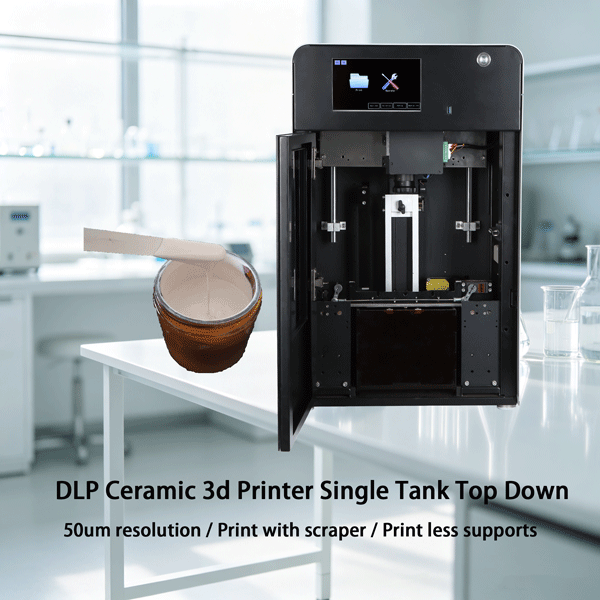
Wholesale buyers should pay close attention to several specifications when evaluating top down DLP printers. Key specifications include:
Print Resolution: This is typically measured in microns. A lower micron value means higher resolution. For detailed applications like dental implants, aim for a resolution of 50 microns or less.
Layer Thickness: This affects the speed and quality of prints. Common layer thickness ranges from 25 to 100 microns. Thinner layers yield finer detail but may increase print time.
Build Size: The dimensions of the print area are crucial. A printer with a build size of at least 200 x 200 x 300 mm is often suitable for most medium-scale applications.
Material Compatibility: Ensure that the printer can work with a range of photopolymer resins, especially those that are suited for your industry, such as flexible, rigid, or castable resins. For instance, a flexible resin 3d printer could be essential for specific applications.
Software Support: Advanced slicing software can enhance print quality and efficiency. Look for printers with user-friendly software that supports numerous file formats and includes features for optimizing prints.
Warranty and Support: A robust warranty and reliable technical support can save you time and expense in the long run. Some manufacturers, like Shenzhen 3KU Technology, provide lifetime technical support which can be invaluable for troubleshooting.
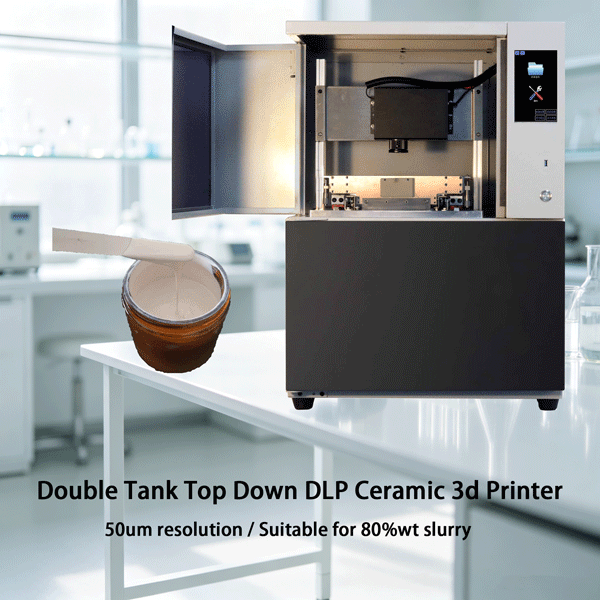
To evaluate the quality of a top down DLP printer, consider several practical aspects:
Print Samples: Request samples of previous work to assess the print quality firsthand. Look for fine details, smooth finishes, and overall dimensional accuracy.
Material Quality: The type of resin used can affect the durability and appearance of the final product. Evaluate the physical properties of the materials suitable for your applications, including tensile strength and flexibility.
User Reviews and Case Studies: Industry reviews and customer testimonials can provide insights into the printer's performance and reliability in real-world applications.
Testing Procedures: Inquire about the manufacturer's quality control processes. A reputable company should have a defined set of testing protocols in place to ensure each printer meets performance standards before shipment.
Production Consistency: Consistency in print quality is critical for bulk production. Ask about the manufacturer's approach to maintaining quality across multiple units, especially for repeat orders.
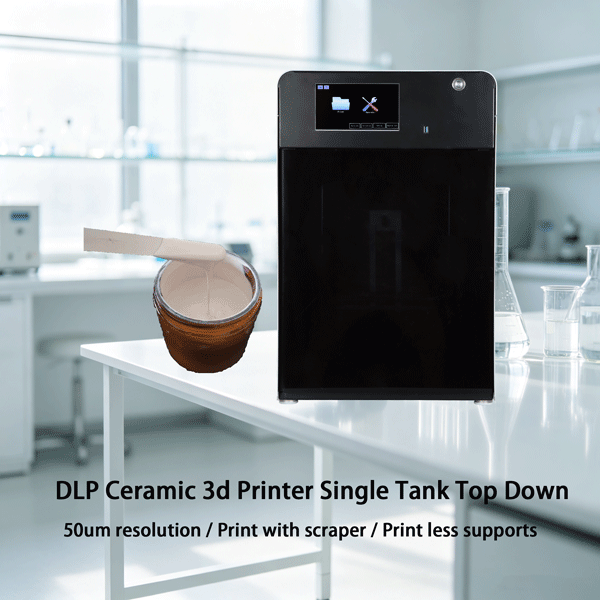
When planning to purchase top down DLP printers in bulk, several cost factors must be considered:
Unit Price: While a lower price per unit may be attractive, it's essential to evaluate the total cost of ownership, including maintenance, material costs, and potential downtime.
Volume Discounts: Many manufacturers offer tiered pricing based on order quantities. Negotiate with suppliers to secure better pricing for larger orders.
Shipping and Handling: Factor in the costs associated with shipping, which can vary significantly based on destination and packaging requirements.
Installation and Training: Some suppliers may charge additional fees for installation and operator training. Ensure these costs are included in your budget.
Customization Fees: If you require specific modifications or features, confirm any associated costs upfront to avoid surprises down the line.
Maintenance Agreements: Consider the long-term maintenance costs. Some manufacturers offer service contracts that can mitigate unexpected repair expenses.
Since 3 d printer jewelry, our founder has worked with 3D printers all the way from FDM to DLP, SLA. He believes that "3d technology will create a new revolution in the industrial sector". We do our best to offer more support for technical and service issues to those who love 3D Printers and have a strong support for us! We offer a courteous service and swiftly respond to market needs.
Our printers, based on a unique design, structure, and most importantly our highly skilled team of Ceramic 3d printer, are used in various industries like Dental Casts and crowns Jewelry casts, Garage Kits, Precise Moldings, and more. We support the provision of free tests. We are able to print stl files on our printers and show you how they function as well as the results before you purchase.
3d pottery printer is established in the year 2014. Within just a few years of developing and marketing, our brand 3KU is known well by 3d printer lovers and users. We offer a wide range of technical support that includes printing technology, post-processing, casting techniques, and a lifetime warranties. We provide highly skilled support and technology. We we can resolve printing and casting issues in various areas.
Our printers have been employed in a variety of industries, including jewelry, Temples Dentals, Ceramics and more. Our customized services are ideal. The services that we customize include the outlook design, the 3 d printer jewelry, the software design, more function and personalized packaging. We provide our customers with 3D printers at the lowest prices, and with the highest quality, functionality and efficacy.
Copyright © Shenzhen 3KU Technology and Science Co., LTD. All Rights Reserved Privacy Policy Blog
 EN
 AR
 BG
 HR
 CS
 DA
 NL
 FI
 FR
 DE
 EL
 HI
 IT
 JA
 KO
 NO
 PL
 PT
 RO
 RU
 ES
 SV
 TL
 IW
 ID
 SR
 SK
 SL
 VI
 ET
 HU
 TH
 TR
 FA
 MS
 GA
 CY
 BE
 IS
 MY