
Ceramic resin printing is an innovative technology that combines the precision of 3D printing with the aesthetic and functional advantages of ceramics. As a professional manufacturer in the field, Shenzhen 3KU Technology and Science Co., LTD recognizes the importance of this technology for B2B buyers, particularly in industries such as dental, jewelry, and precise molding applications. This article will guide you through essential considerations for choosing ceramic resin printing solutions, evaluating costs, troubleshooting common issues, optimizing setups, and ensuring effective technical support and maintenance.
When selecting ceramic resin printing solutions, several factors must be considered to ensure compatibility with your specific application needs.
Material Properties: Different ceramic resins have unique characteristics that affect their performance. Buyers should evaluate flexibility, thermal stability, and resistance to chemicals. Understanding these properties can help you select a resin that meets your application requirements.
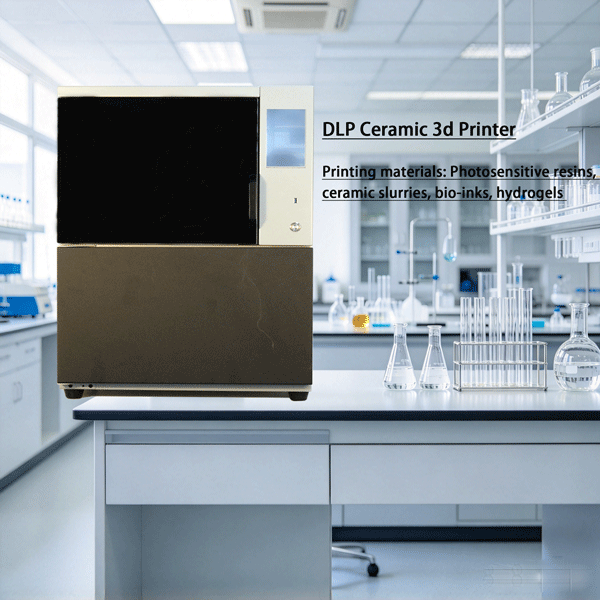
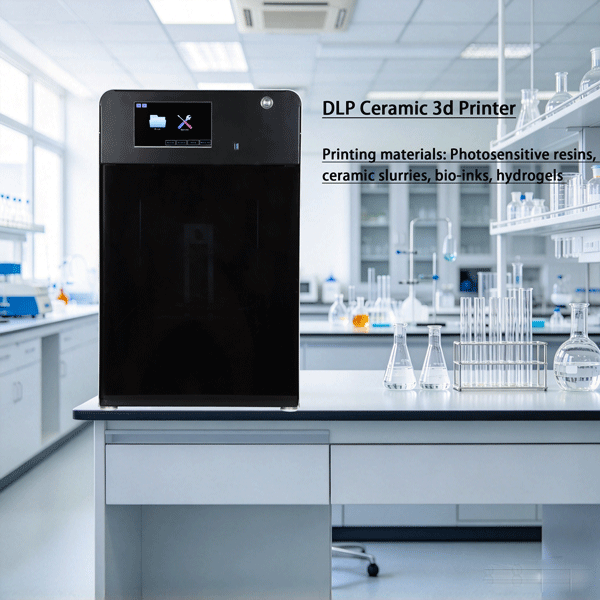
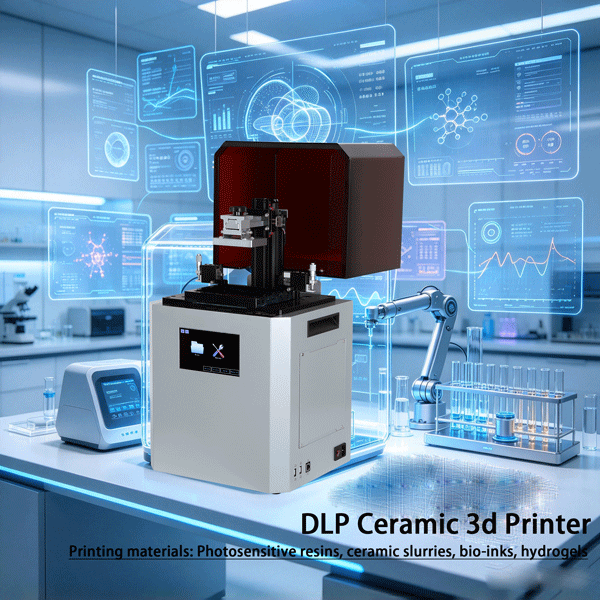
Printer Compatibility: Not all 3D printers are designed to handle ceramic resin. Ensure that the printer can support the specific resin type you intend to use. This will impact the quality of prints and the efficiency of the production process. For instance, a Jewelry 3d Printer is specifically designed to handle the intricate details required in jewelry production.
Customization Options: Depending on your project, you may require specific dimensions or design features. Ensure the manufacturer offers customization options for both the printer and the resin used. Customization not only aligns with your design needs but can also enhance production efficiency.
Print Resolution: The resolution of the printer determines the level of detail in the final product. For intricate designs, such as those found in jewelry or dental applications, a printer with high resolution is crucial.
Post-Processing Requirements: Be aware of the post-processing steps needed after printing, such as curing or surface finishing. Understanding these requirements will help you plan your production timeline and cost effectively.
Evaluating the cost of ceramic resin printing services involves several key components that can significantly influence your overall budget.
Material Costs: The price of ceramic resin can vary significantly based on its properties and the manufacturer. Assess the cost of raw materials and consider how these prices may fluctuate over time. Additionally, using a flexible resin 3d printer can sometimes reduce material costs depending on your application.
Printer Operation Costs: Consider the operational costs associated with running the printer, including electricity, maintenance, and the cost of any necessary consumables. Understanding these costs will help you calculate the total cost of ownership.
Labor Costs: Factor in labor costs for both the setup and post-processing of prints. Skilled technicians may be required to operate the machinery and handle the final touches on products.
Volume Discounts: If you plan to order in bulk, inquire about volume discounts. Many manufacturers, including Shenzhen 3KU Technology and Science Co., LTD, offer pricing incentives for larger orders, which can significantly reduce costs.
Quality Assurance: Ensure that you include costs associated with quality control processes. This might involve inspections and testing to ensure that the printed products meet your specifications, which can save costs related to defects or returns.
While ceramic resin printing offers numerous advantages, it is not without its challenges. Here are some common problems and their solutions:
Print Failures: Common issues include warping or incomplete prints. To mitigate these problems, ensure that the printer is well-calibrated and that the resin is not expired. Regular maintenance of the printer can also minimize these issues.
Surface Quality Issues: If printed parts exhibit rough surfaces, this can be remedied by adjusting the print settings. Reducing layer height can enhance surface finish, while a suitable post-processing technique can further improve the final appearance.
Inconsistencies in Material Properties: Variability in resin composition can lead to inconsistencies in the final product. Work closely with the manufacturer to ensure you receive consistent batches of resin, and consider conducting tests on sample prints before mass production.
Time-Consuming Post-Processing: Post-processing can be labor-intensive. Streamlining this process by selecting a printer that minimizes support structures can save time and labor costs.
Technical Support Needs: Issues may arise during the printing process that require expert intervention. Ensure that your supplier offers robust technical support to assist in troubleshooting and maintaining the equipment.
Proper installation of ceramic resin printing equipment is vital to ensure optimal performance. Here are key steps to consider during installation:
Location and Environment: Select an installation site that is clean, dry, and temperature-controlled. Environmental factors can affect the performance of both the printer and the resin.
Printer Calibration: After installation, proper calibration of the printer is essential. Follow the manufacturer’s guidelines to ensure that the printer settings align with the specifications of the resin being used.
Software Setup: Ensure that the printing software is correctly installed and configured. Familiarize yourself with the software settings, as they can significantly impact print outcomes.
Safety Measures: Implement safety protocols during installation and operation. This includes proper ventilation and the use of personal protective equipment (PPE) when handling resins.
Training for Operators: Ensure that all personnel involved in operating the printer are trained. This will reduce the likelihood of errors during printing and ensure a smoother production process.
Our printers have been employed in a variety of industries, including jewelry, Temples Dentals, Ceramics and more. Our customized services are ideal. The services that we customize include the outlook design, the 3 d printer jewelry, the software design, more function and personalized packaging. We provide our customers with 3D printers at the lowest prices, and with the highest quality, functionality and efficacy.
Alumina 3d printing founder of our company has been working on 3D printers since 2012, beginning with FDM, DLP, SLA. He believes that "3d technology will lead another industrial revolution"! We try our best to provide better service and technical assistance to 3D printer lovers, who we support and are steadfastly in our support! We provide the most competitive tower packaging. We offer a friendly service and can react quickly to market shifts.
Our printers, which are based on a unique design, 3d printing alumina, and most importantly our outstanding team of researchers can be found in many industries like Dental Casts and crowns, Jewelry castings, Garage Kits, Precise moldings, and more. We offer free examples. You can send us stl files, and we print using our printers to show how it operates and what the results are before you purchase.
Shenzhen 3KU Technology and Science Co. LTD was 3d print ceramic in 2014. Within a few years of developing and marketing our brand, 3KU is known well by 3d printer users and fans. We provide complete technical support, printing technology, post processing, casting methods and lifetime warranty. We can provide highly professional technology and customizing services to help with casting and printing issues in various areas.
Copyright © Shenzhen 3KU Technology and Science Co., LTD. All Rights Reserved Privacy Policy Blog
 EN
 AR
 BG
 HR
 CS
 DA
 NL
 FI
 FR
 DE
 EL
 HI
 IT
 JA
 KO
 NO
 PL
 PT
 RO
 RU
 ES
 SV
 TL
 IW
 ID
 SR
 SK
 SL
 VI
 ET
 HU
 TH
 TR
 FA
 MS
 GA
 CY
 BE
 IS
 MY