
 EN
EN
 AR
AR
 BG
BG
 HR
HR
 CS
CS
 DA
DA
 NL
NL
 FI
FI
 FR
FR
 DE
DE
 EL
EL
 HI
HI
 IT
IT
 JA
JA
 KO
KO
 NO
NO
 PL
PL
 PT
PT
 RO
RO
 RU
RU
 ES
ES
 SV
SV
 TL
TL
 IW
IW
 ID
ID
 SR
SR
 SK
SK
 SL
SL
 VI
VI
 ET
ET
 HU
HU
 TH
TH
 TR
TR
 FA
FA
 MS
MS
 GA
GA
 CY
CY
 BE
BE
 IS
IS
 MY
MY

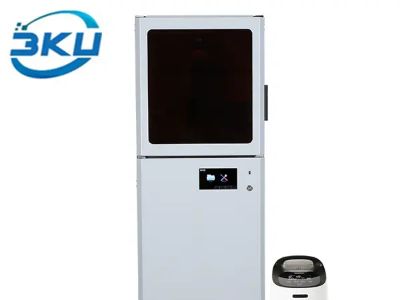
Ceramic 3D printer systems are revolutionizing the manufacturing of high-precision components across various industries. These advanced printers utilize innovative technologies to create intricate designs and parts with exceptional accuracy, making them ideal for applications in sectors like dental, jewelry, and precise molding. For purchasing managers and engineers, understanding the capabilities and limitations of ceramic 3D printing is crucial when evaluating suppliers and making informed decisions. This article will guide you through evaluating component quality, practical applications, common challenges, and installation guidance for shenzhen 3KU dental 3d printer systems.
How to Evaluate the Quality of High-Precision 3D Printed Components?
When assessing the quality of high-precision components produced by ceramic 3D printers, several key factors should be considered. First, examine the material properties, as the choice of ceramic affects the final product's strength, durability, and thermal resistance. Look for specifications such as density, flexural strength, and porosity to ensure the material meets your application requirements.
Next, evaluate dimensional accuracy and surface finish. High-precision components should adhere to tight tolerances, which can be measured using calipers or coordinate measuring machines (CMM). The surface finish is also critical; rough or uneven surfaces can impact functionality, especially in applications requiring tight fits or aesthetic considerations.
Finally, consider the manufacturer's quality control processes. A reputable supplier should provide documentation regarding their quality management systems, including any certifications they have acquired, such as ISO 9001. Additionally, request samples for testing to verify that the printed components meet your specifications before committing to a larger order.
A Buyer’s Guide
When preparing to purchase ceramic 3D printer systems for high-precision components, it's essential to gather specific information to facilitate a smooth procurement process. Begin by defining your application requirements, including the type of components you need, desired dimensions, and material specifications. This information will help suppliers provide accurate quotations and recommendations.
Request detailed product specifications, including build size, layer thickness, and printing speed. Understanding these parameters will allow you to assess the printer's suitability for your production needs. Inquire about customization capabilities, as many manufacturers, including Shenzhen 3KU Technology and Science Co., LTD, offer tailored solutions for software, hardware, and functionality.
Additionally, discuss pricing factors, such as minimum order quantities (MOQs) and lead times. These elements can significantly impact your project's timeline and budget. Lastly, ensure that the supplier has a robust after-sales support system, including technical assistance and maintenance services, which can be invaluable in ensuring the longevity and efficiency of your investment.
Applications of Ceramic 3D Printing in Precision Manufacturing Industries
Ceramic 3D printing technology has found diverse applications in precision manufacturing across various industries. In the dental sector, for instance, it enables the production of custom dental crowns, bridges, and orthodontic devices with high accuracy and a natural aesthetic. This technology reduces the time required for dental restorations, enhancing patient satisfaction and operational efficiency.
In the jewelry industry, ceramic 3D printers allow designers to create intricate, customized pieces that would be challenging to achieve with traditional methods. The ability to produce detailed patterns and designs helps jewelers differentiate their offerings in a competitive market. Moreover, precise molding applications benefit from shenzhen 3KU 3d print ceramic by enabling the production of complex molds that can withstand high temperatures and pressures. This capability is particularly vital in industries such as automotive and aerospace, where component reliability is paramount.
Common Problems with 3D Printers and Effective Solutions
Despite the advantages of ceramic 3D printing, users may encounter several common issues. One frequent problem is warping, which can occur during the cooling process of printed parts. To mitigate this, ensure that the printer's temperature settings are calibrated correctly and consider using a heated bed or enclosure to maintain stable temperatures.
Another challenge is the adhesion of printed layers. Inadequate adhesion can lead to layer separation or delamination, compromising component integrity. Using appropriate print settings, such as adjusting the layer height and print speed, can improve layer adhesion. Additionally, selecting the right ceramic material for your application is crucial; materials with good flow characteristics generally perform better.
Lastly, maintenance is essential for consistent performance. Regularly inspecting and cleaning the printer's components, such as nozzles and build plates, can prevent many operational issues. Establishing a preventive maintenance schedule can help identify and resolve potential problems before they affect production.
Installation Guidance for High-Precision Ceramic 3D Printer Systems
Proper installation of ceramic 3D printer systems is critical for achieving optimal performance. Start by ensuring that the installation area meets the manufacturer’s specifications regarding space, ventilation, and power requirements. A clean, organized workspace minimizes the risk of contamination and disruptions during the printing process.
Next, follow the manufacturer's guidelines for setup and calibration. This may include leveling the print bed, adjusting the nozzle height, and configuring software settings. Pay close attention to the material loading process, as improper handling of ceramic powders can lead to contamination or uneven printing.
Testing should be conducted after installation to verify that the printer operates correctly. Run a few test prints to evaluate dimensional accuracy and surface finish, making any necessary adjustments based on the outcomes. Document the installation process and any calibration settings for future reference, ensuring a smooth operation and maintenance routine. By understanding these essential aspects of shenzhen 3KU ceramic 3d printer systems for high-precision components, purchasing managers and engineers can make informed decisions that align with their operational needs and quality standards. This knowledge not only aids in the selection of suitable technologies but also fosters long-term partnerships with reliable suppliers.