
 EN
EN
 AR
AR
 BG
BG
 HR
HR
 CS
CS
 DA
DA
 NL
NL
 FI
FI
 FR
FR
 DE
DE
 EL
EL
 HI
HI
 IT
IT
 JA
JA
 KO
KO
 NO
NO
 PL
PL
 PT
PT
 RO
RO
 RU
RU
 ES
ES
 SV
SV
 TL
TL
 IW
IW
 ID
ID
 SR
SR
 SK
SK
 SL
SL
 VI
VI
 ET
ET
 HU
HU
 TH
TH
 TR
TR
 FA
FA
 MS
MS
 GA
GA
 CY
CY
 BE
BE
 IS
IS
 MY
MY

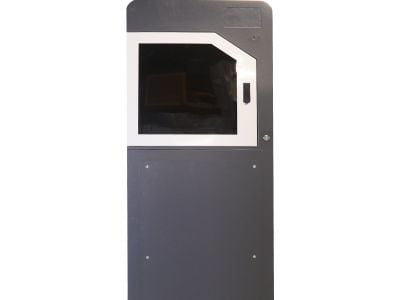
Flexible resin 3D printing for soft functional parts is a transformative technology that meets the growing demand for customized, adaptable components across various industries. As a B2B buyer, your main concerns may revolve around material selection, application suitability and quality assurance. This article will provide you with a comprehensive understanding of flexible resin 3D printing, including its advantages, solutions available, quality evaluation, installation guidance, and common challenges, enabling you to make informed purchasing decisions.
Understanding Flexible Resin 3D Printing for Soft Functional Parts
Flexible resin 3D printing utilizes photosensitive polymer resins that can create soft and elastic components, which are crucial for applications requiring flexibility and durability. This technology allows the production of intricate shapes with smooth surfaces, making it suitable for diverse industries such as medical devices, automotive parts, consumer goods, and prototyping. The primary characteristic of flexible resin is its ability to mimic the properties of rubber or silicone, offering excellent elasticity and resilience. This is especially important in applications where parts must endure repeated stress or deformation. Understanding the specific performance requirements for your application will guide you in selecting the right resin formulation and printer settings.
Flexible Resin 3D Printing Solutions
When considering flexible resin 3D printing solutions, it's essential to evaluate the range of materials available. Different flexible resins can offer varying degrees of flexibility, hardness, and chemical resistance. For example, some formulations are designed for high tear resistance, while others may focus on achieving a softer touch. Shenzhen 3KU Technology and Science Co., LTD provides a variety of 3D printers capable of using flexible resins, including advanced DLP and SLA models. These printers are equipped with precise laser systems that ensure detailed layer resolution, crucial for creating functional parts that meet stringent dimensional tolerances. Customization options for both the ceramic resin 3d printing and the resin can also enhance the performance of the final product. This can include adjusting the printer's settings to optimize layer adhesion and surface finish or selecting a resin that aligns with the specific environmental conditions the part will encounter.
Evaluating the Quality of Flexible Resin 3D Printed Parts
Quality evaluation of flexible resin 3D printed parts involves several critical factors, including dimensional accuracy, surface finish, and mechanical properties. Prior to mass production, it is advisable to conduct thorough inspections of the initial samples.
Dimensional Accuracy: Ensure that the printed parts meet the specified dimensions. Use precision measurement tools to check tolerances, as discrepancies can impact assembly and functionality.
Surface Finish: Examine the surface for defects such as layer lines or imperfections. A smooth finish is often necessary for parts that will be in contact with other components or require aesthetic appeal.
Mechanical Properties: Test the flexibility and resilience of the materials. You can perform stress tests to determine how well the part withstands deformation. These tests should mimic the actual operating conditions the part will face.
Chemical Resistance: Depending on the application, it may be necessary to test the parts against various chemicals they will encounter in their lifespan.
By establishing a rigorous quality control process that includes these evaluations, you can ensure that the printed parts meet your operational requirements.
Installation Guidance for Flexible Resin 3D Printed Items
Once you receive your flexible resin 3D printed parts, proper installation is essential to maximize their performance and longevity. Here are some key considerations:
Surface Preparation: Ensure that the surfaces where the parts will be mounted are clean and free from contaminants. This helps ensure a secure fit and prevents premature wear.
Alignment: During installation, carefully align parts to avoid stress concentrations that could lead to premature failure.
Secure Fastening: Use appropriate fasteners or adhesives designed for flexible materials to ensure a strong bond without compromising the elasticity of the high precision 3d printing part.
Testing After Installation: Once installed, conduct functionality tests to confirm that the parts perform as expected under real-world conditions. This may include checking for leaks in seals or ensuring proper movement in dynamic components.
Common Problems and Solutions in Flexible Resin 3D Printing
While flexible resin 3D printing offers numerous advantages, certain challenges often arise during the process. Here are some common problems and their potential solutions:
Warpage and Deformation: This can occur if the resin is not cured correctly or if there are rapid temperature changes. Ensure that your printer settings are optimized for the specific resin being used and consider using a controlled environment for printing.
Layer Adhesion Issues: Insufficient adhesion between layers can lead to weak points in the final product. Adjusting the exposure time for each layer and ensuring the alumina 3d printing platform is properly leveled can help improve adhesion.
Surface Imperfections: If the final parts show visible layer lines or other defects, consider experimenting with different resins or adjusting the printer’s exposure settings to achieve a smoother finish.
Brittleness: Some flexible resins may not provide the desired elasticity. Opt for formulations specifically designed for high flexibility and test multiple suppliers to find the best match for your needs.
By proactively addressing these challenges, you can enhance the reliability and performance of your flexible resin 3D printed parts.
In summary, flexible resin 3D printing for soft functional parts provides unique opportunities for customization and performance in various applications. Understanding the technology, properly evaluating quality, and addressing common issues will empower you to leverage this innovative solution effectively.