
 EN
EN
 AR
AR
 BG
BG
 HR
HR
 CS
CS
 DA
DA
 NL
NL
 FI
FI
 FR
FR
 DE
DE
 EL
EL
 HI
HI
 IT
IT
 JA
JA
 KO
KO
 NO
NO
 PL
PL
 PT
PT
 RO
RO
 RU
RU
 ES
ES
 SV
SV
 TL
TL
 IW
IW
 ID
ID
 SR
SR
 SK
SK
 SL
SL
 VI
VI
 ET
ET
 HU
HU
 TH
TH
 TR
TR
 FA
FA
 MS
MS
 GA
GA
 CY
CY
 BE
BE
 IS
IS
 MY
MY

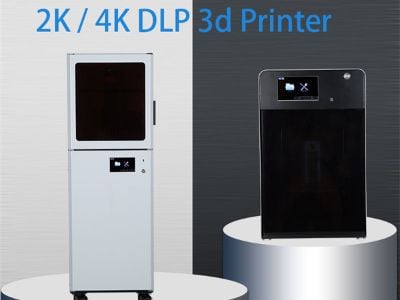
Ceramic slurry printing with DLP 3D printers is an innovative method that enhances precision and detail in creating ceramic components for various applications. This technology addresses key considerations for B2B buyers, such as material compatibility, manufacturing efficiency, and cost-effectiveness. , we'll explore essential specifications for dlp printer in ceramic slurry applications, sourcing reliable suppliers, installation guidance, common printing issues, and the cost benefits of utilizing ceramic slurry for projects.
Key Specifications for DLP Printers in Ceramic Slurry Applications
When selecting a DLP printer for ceramic slurry applications, several key specifications are crucial. First, the printer's resolution is paramount. A higher resolution translates to finer details and smoother surfaces, which is essential for applications in industries like dental or jewelry manufacturing. Look for printers with a pixel size as small as 50 microns to achieve the desired level of detail.
Another important specification is the build volume. Depending on your production needs, ensure the printer can accommodate the maximum dimensions of your ceramic components. This is particularly critical for larger molds or intricate designs where space may be limited.
Additionally, consider the UV light source and its intensity, as this affects the curing process of the ceramic slurry. A more powerful light source can expedite printing times while ensuring proper curing, which is vital for maintaining the structural integrity of the printed parts. Furthermore, compatibility with various ceramic slurry formulations is essential; ensure the printer supports the specific materials you intend to use.
Lastly, assess the printer's software capabilities. Advanced software can facilitate customization and optimize print parameters, enhancing overall efficiency and output quality.
Where to Source Reliable Suppliers for DLP 3D Printing Equipment?
Finding reliable suppliers for DLP 3D printing equipment involves thorough research. Start by evaluating manufacturers with a proven track record in the industry. Look for companies that specialize in dlp printing technology and have a strong portfolio demonstrating their capabilities.
Industry exhibitions and trade shows are excellent venues for connecting with potential suppliers. These events allow you to see the equipment firsthand, discuss specifications, and gauge the manufacturer's expertise. Additionally, checking online platforms and industry forums can provide insights into supplier reputations based on user experiences.
When assessing suppliers, inquire about their after-sales support, warranty policies, and availability of technical assistance. This support is crucial in ensuring that you can resolve any issues quickly, minimizing downtime in production.
Installation Guidance for DLP 3D Printers Using Ceramic Slurry
Proper installation of DLP printers is vital to achieving optimal performance, especially when using ceramic slurries. Begin by carefully reviewing the manufacturer's installation manual, which will provide specific guidelines tailored to the model you have purchased.
Ensure that the installation site is suitable, with adequate space for operations and maintenance. The environment should be clean, well-ventilated, and free from contaminants that could affect the printing process.
During installation, pay attention to the printer's leveling and calibration, as these are critical for ensuring accurate prints. Calibration involves adjusting the build platform to the correct height and ensuring that the light source is aligned correctly. Following these steps will help to prevent common printing issues, such as layer adhesion failure or incorrect dimensions.
After installation, conduct a test print using a small batch of ceramic slurry to confirm the printer's performance and make any necessary adjustments before commencing full production.
Common Problems in Ceramic Slurry Printing and Practical Solutions
Even with advanced DLP printers, several challenges can arise during ceramic slurry printing. One frequent issue is layer delamination, which occurs when the layers do not adhere properly. To mitigate this, ensure that your ceramic slurry is well-mixed and within the recommended viscosity range. Adjusting the exposure time can also improve layer adhesion.
Another common problem is the formation of bubbles within the slurry, which can lead to surface defects. To combat this, consider employing a vacuum chamber to degas the slurry before printing. This process removes trapped air that can cause imperfections in the final product.
Additionally, print failure due to improper curing can occur if the UV light source is not calibrated correctly. Regular maintenance and calibration of the printer's light intensity and exposure settings will help ensure consistent curing and high-quality outputs.
Lastly, always conduct a thorough inspection of printed parts. This allows you to catch any defects early, enabling you to adjust your process as needed before mass production.
Cost Benefits of Ceramic Slurry for Projects
Utilizing ceramic slurry in DLP 3D printing offers significant cost benefits for various projects. Firstly, the precision of DLP printing reduces material waste, as components are printed with high accuracy, minimizing the need for extensive post-processing. This efficiency translates to lower production costs over time.
Moreover, ceramic slurry allows for rapid prototyping, enabling faster design iterations and reducing time to market. This speed is particularly advantageous for industries where product life cycles are short, as it allows for quicker adjustments based on market feedback.
The durability and performance characteristics of ceramic components also contribute to cost savings in the long run. Printed parts can withstand harsher environments compared to traditional manufacturing methods, leading to longer lifespans and reduced replacement costs.
Overall, investing in DLP 3D printing with ceramic slurry can provide a competitive edge, driving efficiencies and enhancing product quality while managing costs effectively.
By understanding the specifications, sourcing reliable suppliers, following proper installation protocols, addressing common printing challenges, and recognizing the cost benefits, B2B buyers can make informed decisions regarding ceramic slurry printing with printer dlp.
Table of Contents
- Key Specifications for DLP Printers in Ceramic Slurry Applications
- Where to Source Reliable Suppliers for DLP 3D Printing Equipment?
- Installation Guidance for DLP 3D Printers Using Ceramic Slurry
- Common Problems in Ceramic Slurry Printing and Practical Solutions
- Cost Benefits of Ceramic Slurry for Projects