
 EN
 AR
 BG
 HR
 CS
 DA
 NL
 FI
 FR
 DE
 EL
 HI
 IT
 JA
 KO
 NO
 PL
 PT
 RO
 RU
 ES
 SV
 TL
 IW
 ID
 SR
 SK
 SL
 VI
 ET
 HU
 TH
 TR
 FA
 MS
 GA
 CY
 BE
 IS
 MY

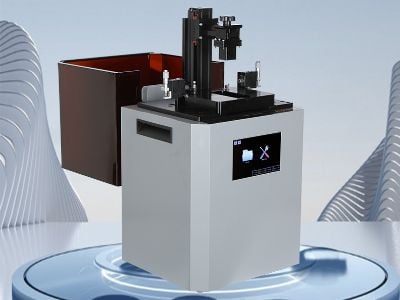
Understanding how print parameters affect zirconia 3D printing accuracy is crucial for manufacturers aiming to achieve high-precision results in their applications. Printing with zirconia, a material known for its strength and biocompatibility, requires careful consideration of various parameters to ensure optimal outcomes. This article delves into the main concerns B2B buyers face, such as achieving the desired precision and minimizing production errors, and provides insights to enhance their understanding of this complex process.
How Print Parameters Influence Zirconia 3D Printing Precision?
Print parameters such as layer height, print speed, and curing time significantly influence the accuracy of zirconia 3D printing. Layer height, for instance, determines the resolution of the printed object. A smaller layer height can improve detail and surface finish, which is particularly important in applications like dental prosthetics where fit and aesthetics are critical. However, it may also increase print time and material usage.
Print speed plays a dual role in efficiency and accuracy. While faster speeds can reduce production time, they may compromise the quality of the print if not adequately controlled. For zirconia 3d printing, which often requires precise curing times to achieve the desired material properties, balancing speed with accuracy is essential.
Curing time is another critical factor, especially in DLP and SLA processes, where proper exposure time ensures that the resin hardens correctly. Insufficient curing can lead to weak structures, while over-curing may result in excessive brittleness. Understanding how these parameters interact helps manufacturers optimize their processes for better accuracy and reliability.
Where to Find Reliable Suppliers for Zirconia 3D Printing Needs?
Finding a trustworthy supplier for zirconia 3D printing is vital for achieving desired results. Start by researching manufacturers with a strong reputation in the 3D printing industry, particularly those specializing in zirconia applications. Look for companies that not only produce high-quality zirconia printer but also offer comprehensive support services, such as technical guidance, customization options, and after-sales support.
Engaging with industry forums, attending trade shows, and reading customer reviews can provide valuable insights into suppliers’ reliability. It’s also essential to verify their manufacturing capabilities, certifications, and quality control processes to ensure they meet your specific requirements. Shenzhen 3KU Technology and Science Co., LTD, for example, offers a range of customizable zirconia 3d printer suited for zirconia applications and provides lifetime technical support, which can be a significant advantage for buyers.
Understanding Print Parameter Specifications for Optimal Results
When evaluating print parameters, buyers should focus on specifications that directly affect the final product's performance. Key specifications include:
Layer Height: Typically ranging from 25 to 100 microns, this influences both detail and print time. Choosing the appropriate layer height depends on the application; for dental applications, a lower height is often chosen for better fit.
Print Speed: Measured in millimeters per second (mm/s), it dictates how quickly a print can be completed. Buyers should balance speed with quality, ensuring that faster speeds do not compromise the integrity of the zirconia prints.
Curing Time: This varies based on the type of resin used and the printer's technology. Verify the recommended curing times to avoid underexposure or overexposure, which can lead to weak or brittle prints.
Understanding these specifications allows buyers to make informed decisions that align with their production goals and quality expectations.
Common Problems in Zirconia 3D Printing and Their Solutions
Zirconia 3D printing can present several challenges, including warping, cracking, and insufficient layer adhesion. Warping often occurs due to temperature fluctuations during the printing process. To mitigate this, maintaining a consistent temperature within the printing environment is crucial. Additionally, using a heated build platform can help prevent warping.
Cracking may result from improper curing or material stress during the printing process. Ensuring proper curing times and temperatures, as well as employing support structures during printing, can help reduce the likelihood of cracking.
Insufficient layer adhesion is another issue that can affect the overall strength of the printed object. This can often be addressed by optimizing print parameters such as curing time and exposure settings, ensuring that each layer properly adheres to the previous one.
By being proactive and addressing these common problems, manufacturers can enhance the reliability and quality of their zirconia prints.
Applications of Zirconia 3D Printing in Manufacturing Projects
Zirconia 3D printing finds extensive applications across various sectors, particularly in dental and jewelry manufacturing. In dentistry, zirconia is used for fabricating crowns, bridges, and other prosthetic devices due to its excellent biocompatibility and aesthetic properties. The ability to produce complex geometries with high precision makes it an ideal choice for custom dental solutions.
In the jewelry industry, zirconia is favored for creating intricate designs that require both strength and beauty. Its durability ensures that pieces can withstand daily wear while maintaining their appearance. Additionally, zirconia's versatility allows for customization in terms of color and finish, meeting diverse customer preferences.
Manufacturers looking to integrate zirconia 3D printing into their projects should consider the specific requirements of their applications, including material performance, design complexity, and production volume. By leveraging the unique properties of zirconia, companies can achieve innovative solutions that meet market demands.
In summary, understanding the impact of print parameters on zirconia 3D printing accuracy is essential for achieving high-quality results. By considering factors such as layer height, print speed, and curing time, and by addressing common printing challenges, manufacturers can optimize their processes for success in various applications.
Table of Contents
- How Print Parameters Influence Zirconia 3D Printing Precision?
- Where to Find Reliable Suppliers for Zirconia 3D Printing Needs?
- Understanding Print Parameter Specifications for Optimal Results
- Common Problems in Zirconia 3D Printing and Their Solutions
- Applications of Zirconia 3D Printing in Manufacturing Projects