
 EN
 AR
 BG
 HR
 CS
 DA
 NL
 FI
 FR
 DE
 EL
 HI
 IT
 JA
 KO
 NO
 PL
 PT
 RO
 RU
 ES
 SV
 TL
 IW
 ID
 SR
 SK
 SL
 VI
 ET
 HU
 TH
 TR
 FA
 MS
 GA
 CY
 BE
 IS
 MY

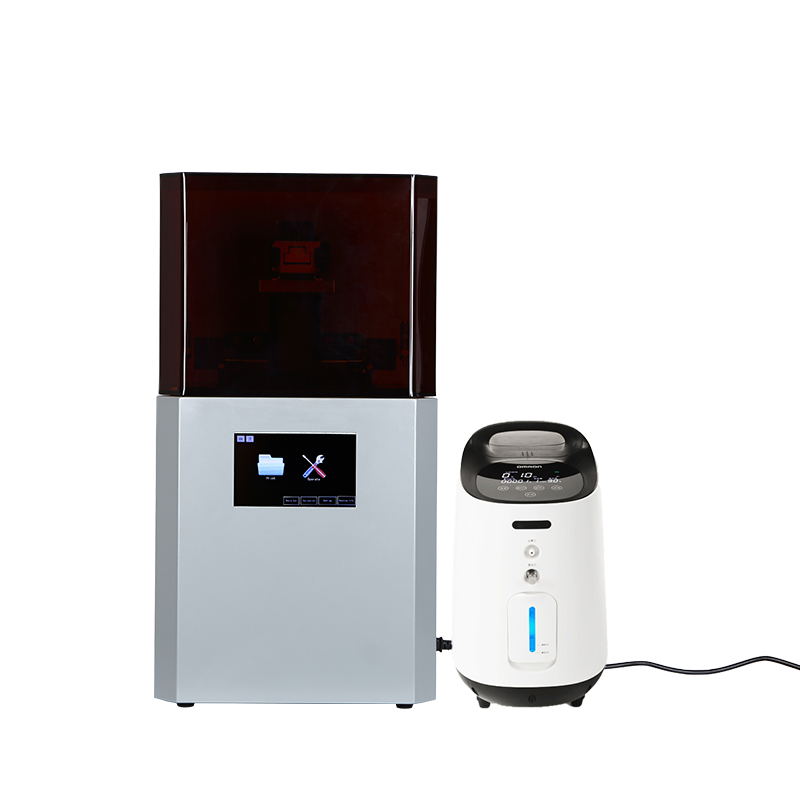
DLP 3D printers have revolutionized ceramic prototyping and production, offering precision and efficiency for industries such as dental, jewelry, and molding applications. For B2B buyers, understanding the nuances of DLP 3D printers for ceramic use is crucial. This article will explore key considerations when selecting a printer, how to evaluate their quality, cost factors, applications in ceramic manufacturing, and installation guidance. By addressing these topics, we aim to equip purchasing managers, engineers, and product managers with the knowledge necessary to make informed decisions.
What to Consider When Choosing DLP 3D Printers for Ceramics
When selecting DLP 3D printer for ceramic prototyping and production, several critical factors must be evaluated to ensure compatibility with your specific applications. First, consider the resolution of the printer. A higher resolution allows for finer details, which is particularly important in industries like jewelry where intricate designs are common. Look for printers that offer customizable resolutions to match your specific requirements.
Next, assess the build size of the printer. Depending on your production needs, a larger build size may be necessary to accommodate larger ceramic pieces or multiple prototypes in a single batch. Additionally, evaluate the printer's material compatibility. Ensure that the printer can effectively work with the specific ceramic materials you intend to use, as some printers may have limitations regarding material types and formulations.
Another key consideration is the printer's speed and efficiency. Some models may offer faster printing times, which can significantly impact your production timelines. Lastly, examine the manufacturer's support services, including lifetime technical support and customization options. This can be invaluable for troubleshooting and optimizing the printer's performance over time.
How to Evaluate the Quality of Ceramic Prototyping Printers
To ensure that you are investing in high-quality DLP 3D printers for ceramic applications, it's essential to evaluate several quality indicators. Start with the printer's precision and accuracy. Request sample prints to assess the level of detail and dimensional accuracy. Look for printers that maintain high precision across varying print sizes, as this is crucial for consistent results in production runs.
Additionally, consider the printer's reliability and consistency. Investigate the manufacturer's production process, including quality control measures and testing protocols. A manufacturer with a robust quality assurance program will likely produce more reliable machines. It's also beneficial to review customer feedback and case studies highlighting the printer's performance in real-world applications.
Another critical quality factor is the durability of the printed ceramic parts. Evaluate post-processing requirements, as some DLP 3D printers may necessitate additional steps to achieve the desired strength and durability of the final product. This can impact overall production time and costs. Ensure that the manufacturer's recommendations align with your quality standards.
Cost Factors in Purchasing DLP 3D Printers for Ceramics
Understanding the cost factors associated with industrial DLP 3D printer for ceramics is vital for budgeting and financial planning. The initial purchase price is often the most apparent cost, but there are additional factors to consider. Materials and consumables represent a significant ongoing expense. Research the cost of ceramic resins and other materials compatible with the printer you are considering, as these costs can vary widely based on quality and supplier.
Another important cost factor is maintenance and service. Evaluate the warranty and support services offered by the manufacturer. A model with comprehensive support may have higher upfront costs but can save money in the long run by reducing downtime and repair expenses. Additionally, consider the energy consumption of the printer. Efficient models can lead to lower operational costs over time.
Finally, factor in the potential for scaling your operations. Some printers may have lower initial costs but could require more frequent replacements or upgrades as your production demands grow. Assessing the total cost of ownership over time will provide a clearer picture of the financial implications of your investment.
Applications of DLP 3D Printers in Ceramic Manufacturing
DLP 3D printers for ceramic applications have a wide range of uses across various industries. In the dental sector, these printers are used to create highly detailed dental models, crowns, and bridges, allowing for precise fit and aesthetic appeal. The ability to produce intricate designs quickly makes DLP printers invaluable in the fast-paced dental market.
In the jewelry industry, DLP 3D printers enable jewelers to create custom pieces with complex geometries that are difficult to achieve through traditional methods. This technology allows for rapid prototyping, enabling designers to test and refine their ideas before committing to final production.
Additionally, in precise molding applications, DLP 3D printers facilitate the creation of accurate molds for casting processes. This capability is essential in industries such as automotive and aerospace, where precision is crucial for functional parts. The versatility of DLP 3D printers allows manufacturers to innovate and adapt to changing market demands.
Installation Guidance for DLP 3D Printers in Ceramic Production
Proper installation of DLP 3D printers is essential for achieving optimal performance in ceramic production. Begin by ensuring that the installation site meets the manufacturer's specifications regarding space, ventilation, and environmental conditions. DLP printers typically require a clean, stable environment to avoid contamination and ensure consistent print quality.
Next, follow the manufacturer's guidelines for setup and calibration. This may include leveling the build platform and adjusting the light source settings to achieve the desired print quality. It's advisable to conduct a test print using a sample material to verify that the printer is functioning correctly before moving on to production runs.
Training your team on the printer's operation is also crucial. Provide comprehensive training on software usage, maintenance protocols, and troubleshooting procedures. This will empower your staff to quickly address any issues that arise during production, minimizing downtime and ensuring a smooth workflow.
In summary, selecting the right digital light processing DLP 3D printer for ceramic prototyping and production involves careful consideration of several factors, including specifications, quality evaluation, cost factors, applications, and installation guidance. By understanding these elements, B2B buyers can make informed decisions that align with their operational needs and enhance their production capabilities.