
 EN
 AR
 BG
 HR
 CS
 DA
 NL
 FI
 FR
 DE
 EL
 HI
 IT
 JA
 KO
 NO
 PL
 PT
 RO
 RU
 ES
 SV
 TL
 IW
 ID
 SR
 SK
 SL
 VI
 ET
 HU
 TH
 TR
 FA
 MS
 GA
 CY
 BE
 IS
 MY

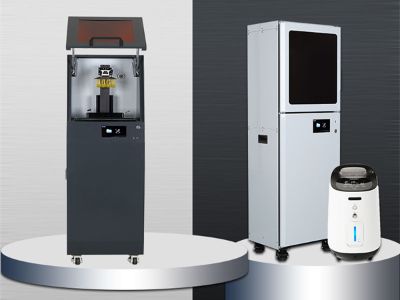
Top Down DLP 3D printers are revolutionizing the manufacturing process by enabling continuous production, particularly in industries like dental, jewelry, and precise molding. These printers utilize a unique technology that offers high efficiency and precision, addressing key concerns for B2B buyers such as production speed, material compatibility, and operational costs. This article will explore how Shenzhen 3KU dlp printer support continuous production, outlining essential specifications, material advantages, cost factors, common challenges, and their applications across various industries.
Key Specifications to Consider for Top Down DLP 3D Printers
When evaluating Top Down DLP 3D printers, several specifications are crucial to ensure they meet your production needs.
Build Volume: The size of the build platform directly affects the scale of the parts that can be produced in one cycle. Larger build volumes allow for batch production, maximizing efficiency.
Layer Thickness: This specification impacts both the detail and speed of the printing process. A thinner layer can produce more intricate designs but may increase production time. Conversely, thicker layers reduce detail but speed up the process, making it essential to find a balance based on application requirements.
Light Source: The type of light source used whether LED or laser affects print speed and material compatibility. For instance, LED light sources often provide faster curing times, which can enhance overall production efficiency.
Material Compatibility: Different DLP printers support various resin types. Consider your specific application needs whether dental, jewelry, or molding as certain materials offer better performance characteristics like durability or flexibility.
Software Integration: User-friendly software that supports seamless file transfers and adjustments can significantly reduce setup times and enhance productivity. It's vital to ensure that the printer's software aligns with your existing workflows.
By focusing on these specifications, buyers can make informed decisions that align with their operational needs and budgetary constraints.
Comparing Material Advantages of Top Down DLP Printers
Material selection is a pivotal factor in the performance of Top Down DLP printers. Different resins offer unique advantages that can cater to specific applications:
Dental Resins: These materials are designed to provide high biocompatibility and precision for dental applications, such as crowns and bridges. They typically feature excellent detail reproduction and strength, ensuring that the final product meets rigorous health standards.
Jewelry Resins: Ideal for producing intricate designs, jewelry resins can capture fine details and are often used for casting. The ability to produce high-resolution models reduces material waste and overall production time.
Engineering Resins: For precise molding applications, engineering resins provide high strength and thermal resistance. These materials are critical for functional prototypes and end-use parts where performance is paramount.
Custom Resins: Some manufacturers, like Shenzhen 3KU Technology and Science Co., offer customization services for materials, allowing buyers to specify exact properties like color, flexibility, and strength based on their unique requirements.
Understanding the advantages of various materials ensures that buyers select the right resin for their specific production needs, ultimately leading to better performance and cost-effectiveness.
Cost Factors to Evaluate When Purchasing DLP 3D Printers
Cost is a significant consideration when purchasing Top Down DLP 3D printers. Several factors can influence the total investment:
Initial Purchase Price: This includes the cost of the printer itself. Higher-end dlp printing models may offer advanced features and greater reliability but come with a steeper price tag.
Material Costs: The type and quality of resin significantly affect ongoing operational expenses. It's essential to calculate the cost per part based on material usage and the printer's efficiency.
Maintenance and Support: Consider the long-term costs of maintaining the equipment. Some manufacturers offer lifetime technical support and after-sales service, which can be beneficial in minimizing downtime and ensuring production continuity.
Operational Efficiency: Assess how the printer's specifications impact production speed and quality. A more efficient printer may have a higher upfront cost but can lead to lower operational costs over time due to reduced material waste and faster turnaround times.
By carefully evaluating these cost factors, buyers can make informed decisions that align with their financial constraints while maximizing productivity.
Common Problems with DLP Printers and Their Solutions
Despite their advantages, DLP printers can encounter several common issues that can disrupt production:
Print Failures: These can occur due to incorrect settings, such as exposure time or layer thickness. To mitigate this, buyers should conduct thorough testing with sample prints to fine-tune parameters before full-scale production.
Material Curing Issues: Inconsistent curing can lead to weak parts. Regular maintenance of the light source and using high-quality resins will help prevent this problem.
Surface Finish Variability: Inconsistent surface quality may arise from improper calibration. Buyers should ensure that the printer is calibrated correctly and that the build platform is level to achieve uniform results.
Post-Processing Challenges: The post-curing process is crucial for achieving the desired properties of the final part. Buyers should be aware of the recommended post-processing steps for their selected materials to ensure optimal performance.
By being proactive and implementing preventive measures, buyers can effectively address these common issues and maintain a smooth production workflow.
Applications of Top Down DLP Printers in Various Industries
Top Down DLP printers have a wide range of applications across multiple industries, making them a versatile choice for manufacturers:
Dental Industry: DLP printers are extensively used for creating dental models, crowns, and orthodontic aligners, providing high precision and rapid production capabilities that meet tight deadlines.
Jewelry Manufacturing: The ability to produce intricate designs quickly makes printer dlp invaluable in the jewelry industry, where detail and accuracy are paramount for creating high-quality pieces.
Prototyping and Molding: In engineering applications, DLP printers facilitate rapid prototyping, allowing for quick iterations and testing of designs before mass production. This is particularly valuable for industries that require functional prototypes.
Custom Manufacturing: With customization capabilities, DLP printers can cater to niche markets requiring specific design features or material properties, further enhancing their application versatility.
By understanding the various applications, buyers can better assess how Top Down DLP printers can fit into their production processes and help them meet their business goals effectively.
The unique capabilities of Top Down DLP 3D printers support continuous production in various applications. By focusing on key specifications, material advantages, cost factors, common challenges, and industry applications, B2B buyers can make informed decisions that enhance their operational efficiency and product quality. As a trusted manufacturer in this space, Shenzhen 3KU Technology and Science Co., LTD provides comprehensive support and customization options to meet diverse production needs.