
 EN
 AR
 BG
 HR
 CS
 DA
 NL
 FI
 FR
 DE
 EL
 HI
 IT
 JA
 KO
 NO
 PL
 PT
 RO
 RU
 ES
 SV
 TL
 IW
 ID
 SR
 SK
 SL
 VI
 ET
 HU
 TH
 TR
 FA
 MS
 GA
 CY
 BE
 IS
 MY

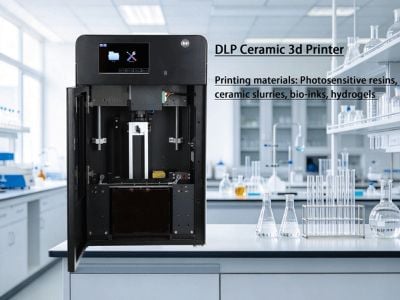
Understanding what affects surface quality in DLP ceramic printing is vital for buyers looking to optimize their manufacturing processes. As manufacturers increasingly adopt Digital Light Processing (DLP) technology for ceramic applications, the importance of surface quality cannot be overstated. A smooth and precise surface can significantly enhance the aesthetic and functional properties of the final product. This article will explore the various factors influencing surface quality in DLP ceramic printing, helping purchasing managers, engineers, and product managers make informed decisions
What Factors Influence Surface Quality in DLP Ceramic Printing
Several elements can impact the surface quality of products produced through DLP ceramic printing machine. These include material selection, printer calibration, layer thickness, and post-processing techniques
Material Selection: The type of ceramic resin used plays a critical role in achieving desired surface quality. High-quality materials tend to have better flow properties and surface tension characteristics, which contribute to smoother finishes
Printer Calibration: Proper calibration of the DLP printer is essential. This includes settings for light intensity, exposure time, and layer thickness. Inadequate calibration can lead to issues such as warping or incomplete curing, which can adversely affect the surface finish
Layer Thickness: Thinner layers generally produce smoother surfaces. However, this can increase printing time and may require a balance to optimize both quality and efficiency
Post-Processing: Techniques such as washing, curing, and polishing are vital for enhancing surface quality. Proper post-processing can remove any residual material and improve the final surface finish
Buyers should consider these factors when evaluating DLP ceramic printing solutions to ensure they meet the required surface quality standards for their specific applications
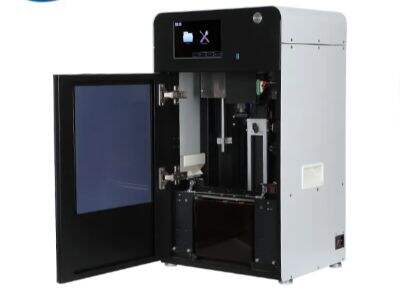
Key Specifications for DLP Printing
When assessing DLP printers for ceramic applications, there are several key specifications to keep in mind
Resolution: This refers to the printer's ability to produce fine details. Higher resolution generally results in better surface quality, particularly for intricate designs
Build Volume: The size of the print bed affects the maximum dimensions of the printed part. Ensure the printer can accommodate the intended designs without compromising quality
Layer Height Adjustment: The ability to adjust layer height can directly influence surface smoothness. A printer that allows for fine-tuning can help achieve better results
Light Source: The type of light source (such as, LED or laser) can impact curing speed and quality. Different light sources may affect how the resin behaves during the printing process
Material Compatibility: Ensure that the printer is compatible with various ceramic materials, allowing for flexibility in production and customization
Understanding these specifications will help buyers select a DLP printer that meets their surface quality requirements and overall production needs
Ensuring Consistent Surface Quality in Printing
Achieving consistent surface quality in DLP ceramic printing requires a systematic approach
Quality Control: Implementing stringent quality control measures throughout the printing process can identify defects early. This may include regular calibration checks and material inspections
Standard Operating Procedures (SOPs): Establishing SOPs for printing and post-processing can help ensure that every print meets the desired quality standards. Consistency in processes leads to better end results
Training and Expertise: Ensuring that operators are well-trained in the specifics of DLP ceramic printing can enhance the overall quality. Knowledgeable operators can make real-time adjustments to optimize results
Material Storage: Proper storage conditions for ceramic resins can prevent contamination and degradation, which can adversely affect surface quality. Follow manufacturer guidelines for optimal storage conditions
By focusing on these areas, manufacturers can enhance the consistency of surface quality in their DLP ceramic printing processes
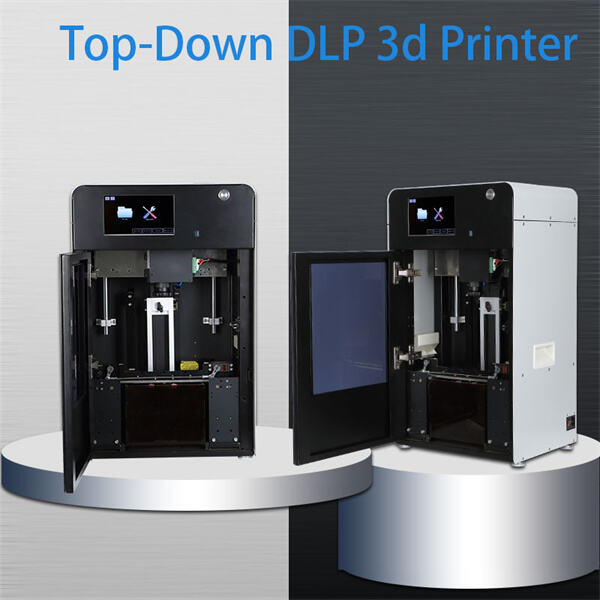
Common Problems Affecting Surface Quality in DLP Printing
Several common issues can hinder the surface quality of DLP print ceramic
Incomplete Curing: Insufficient exposure time can lead to parts that are not fully cured, resulting in poor surface quality and structural integrity
Layer Misalignment: Misalignment between layers can occur due to mechanical issues or errors in printer calibration, leading to visible seams or inconsistencies in the surface
Residual Material: Inadequate washing or post-processing can leave residual resin on the surface, affecting both appearance and performance
Environmental Factors: Temperature and humidity can influence the printing process. Extreme conditions can lead to warping or cracking, which compromises surface quality
By being aware of these potential issues, buyers can take proactive steps to mitigate them, ensuring higher surface quality in their final products
Cost Factors Impacting Surface Quality in DLP Printing Processes
The cost of achieving high surface quality in DLP ceramic printing can be influenced by several factors
Material Costs: High-quality ceramic resins may come at a premium, but they often result in better surface finishes. Buyers should weigh material costs against the potential benefits of improved quality
Printer Quality: Investing in a high-quality DLP printer may involve higher upfront costs, but it can lead to better surface quality and reduced waste over time
Post-Processing Expenses: Additional steps in post-processing can increase costs. However, these processes are crucial for achieving the desired surface quality, and their expense should be factored into budget considerations
Operational Efficiency: The efficiency of the printing process can influence overall costs. Optimizing print settings and reducing downtime can lead to cost savings while maintaining high-quality outputs
Customization Needs: If custom adjustments or specific material requirements are necessary, this can influence pricing. Buyers should communicate their needs clearly to ensure accurate quotes
By understanding these cost factors, buyers can make informed decisions that balance quality and budget in their DLP ceramic printing processes
In summary, surface quality in DLP ceramic printing services is influenced by a range of factors from material selection to printer calibration and post-processing. By understanding these elements, B2B buyers can enhance their decision-making process, ensuring they select the right equipment and materials for their specific manufacturing needs