
 EN
EN
 AR
AR
 BG
BG
 HR
HR
 CS
CS
 DA
DA
 NL
NL
 FI
FI
 FR
FR
 DE
DE
 EL
EL
 HI
HI
 IT
IT
 JA
JA
 KO
KO
 NO
NO
 PL
PL
 PT
PT
 RO
RO
 RU
RU
 ES
ES
 SV
SV
 TL
TL
 IW
IW
 ID
ID
 SR
SR
 SK
SK
 SL
SL
 VI
VI
 ET
ET
 HU
HU
 TH
TH
 TR
TR
 FA
FA
 MS
MS
 GA
GA
 CY
CY
 BE
BE
 IS
IS
 MY
MY

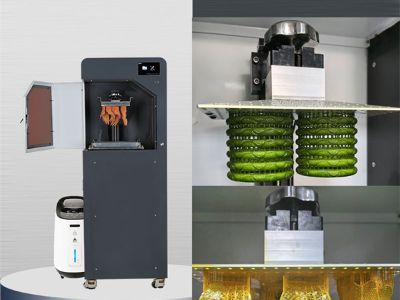
The role of ceramic 3D printers in precision manufacturing has become increasingly vital as industries seek innovative solutions to enhance production efficiency and product quality. Ceramic 3D printers utilize advanced printing technologies to create high-precision components with intricate designs, addressing common concerns among B2B buyers such as material compatibility, production quality, and customization capabilities. This article will delve into the benefits of ceramic 3d printer, how to evaluate the quality of printed components, sourcing reliable suppliers, troubleshooting common printing issues, and exploring the diverse applications of ceramic 3D printing in various industries.
The Benefits of Ceramic 3D Printers for Precision Manufacturing
Ceramic 3D printers offer several distinct advantages that make them essential in precision manufacturing. One key benefit is their ability to produce complex geometries that traditional manufacturing methods struggle to achieve. This capability allows for innovative designs that can improve functionality and reduce material waste.
Additionally, ceramic materials exhibit excellent thermal and chemical resistance, making them ideal for applications in environments where high temperatures or corrosive substances are present. For example, industries such as aerospace and automotive benefit greatly from using ceramic components, as they enhance product longevity and reliability.
Another significant advantage is the customization potential. Manufacturers can tailor the printer's settings and materials to meet specific customer requirements, ensuring that the final product aligns with their unique applications. This feature is particularly valuable in sectors like dental and jewelry manufacturing, where precision and aesthetics are paramount.
Evaluating the Quality of Ceramic 3D Printed Components
When assessing the quality of ceramic 3D printed components, several factors must be considered. First, the dimensional accuracy of the printed part must align with the specified tolerances. Buyers should request detailed technical drawings and specifications from the manufacturer to gauge compatibility with their existing systems.
Surface finish is another critical aspect. A smooth finish not only enhances the aesthetic appeal of the component but also affects its functional performance. Therefore, it is advisable to review sample parts before placing a bulk order to ensure they meet your quality standards.
Furthermore, buyers should inquire about the manufacturing processes involved in producing the ceramic components. Understanding the printing technology whether it’s FDM, DLP, or SLA will provide insights into the material properties and limitations. It’s crucial to ensure the selected technology aligns with the intended application and performance requirements.
Where to Source Reliable Ceramic 3D Printer Suppliers?
Finding reliable suppliers of ceramic 3D printers requires thorough research and evaluation. Begin by considering manufacturers with a proven track record in the industry. Look for companies, like Shenzhen 3KU Technology and Science Co., LTD, that specialize in 3D printing technologies and offer comprehensive customization services.
It is also beneficial to seek suppliers who provide lifetime technical support and after-sales services. This ensures that any issues encountered during the production process can be promptly addressed. Buyers should ask for references or case studies that demonstrate the supplier's experience in delivering quality ceramic 3D printed components.
Online marketplaces and industry-specific directories can be excellent resources for identifying potential suppliers. Participating in trade shows and industry events can also facilitate direct interactions, allowing buyers to assess the capabilities and commitment of various manufacturers.
Common Problems with Ceramic 3D Printing and Their Solutions
Ceramic 3D printing can present specific challenges that buyers should be aware of. One common issue is warping, which can occur due to uneven cooling or improper layer adhesion. To mitigate this, ensure that the precise 3d printer is calibrated correctly and that the print bed is adequately prepared.
Another frequent problem is the brittleness of ceramic materials, which can lead to breakage during handling or post-processing. Buyers should consider the intended use of the printed parts and discuss with the manufacturer strategies to enhance durability, such as optimizing the material composition or adopting specific post-processing treatments.
Lastly, achieving consistent print quality can be a challenge. Variability in material properties or precision of 3d printers settings can lead to discrepancies in the final product. Implementing a robust quality control process, including regular calibration and maintenance of the printing equipment, can help maintain the desired standards throughout production.
Applications of Ceramic 3D Printing in Various Industries
Ceramic 3D printing has found applications across diverse industries, showcasing its versatility and effectiveness. In the dental industry, for instance, ceramic materials are used to create dental crowns, bridges, and custom implants with high precision and aesthetic appeal. The ability to produce personalized solutions at scale has revolutionized dental practices, improving patient outcomes.
In the jewelry industry, ceramic 3D printers facilitate the production of intricate designs that traditional methods cannot replicate. This technology enables jewelers to experiment with complex shapes and patterns, offering consumers unique and bespoke pieces.
Moreover, the aerospace and automotive sectors leverage ceramic 3D printing for components that endure extreme conditions, such as heat shields and engine parts. The lightweight nature of ceramics combined with their strength and durability makes them an attractive choice for manufacturers aiming to enhance performance while reducing weight.
Understanding the role of ceramic 3D printers in precision manufacturing equips B2B buyers with valuable insights into enhancing their production processes. By evaluating supplier capabilities, addressing common challenges, and recognizing the benefits of ceramic materials, businesses can make informed decisions that drive innovation and efficiency in their operations.